

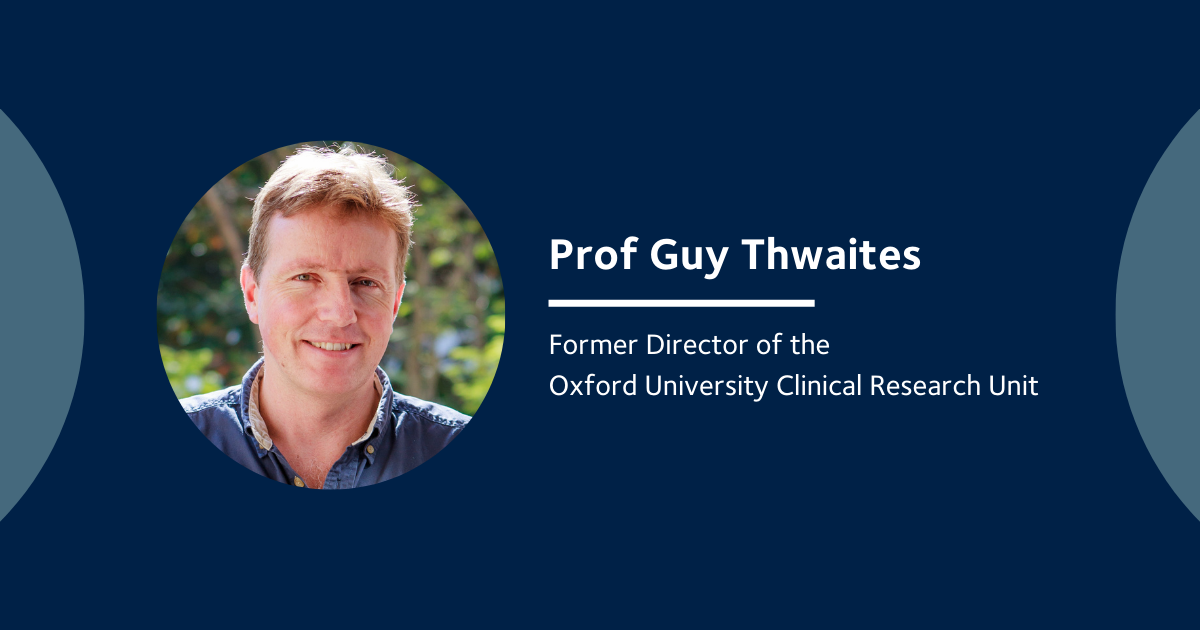
Since his appointment as Director of the Oxford University Clinical Research Unit (OUCRU) in October 2013, Professor Guy Thwaites has played a central role in shaping the unit’s scientific direction, regional reach, and institutional development.
From the outset, his remit encompassed a broad and evolving research portfolio, responding to local and regional health priorities across emerging viral infections, dengue, tuberculosis, antimicrobial resistance, brain infections, and critical care. Throughout his tenure, OUCRU’s work under his leadership has remained grounded in clinical need, informed by local contexts, and aligned with global health priorities.
Research Leadership and Scientific Direction
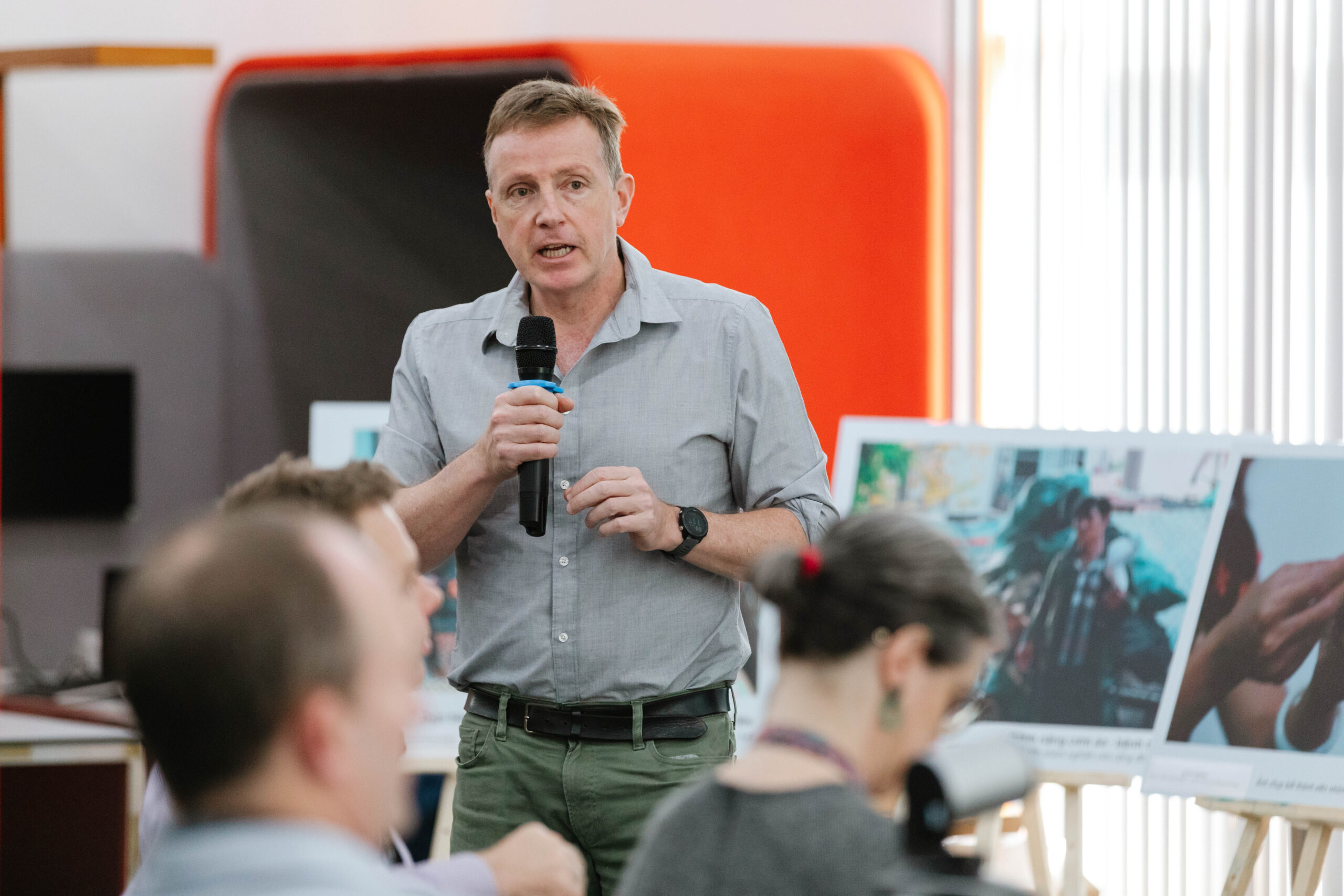
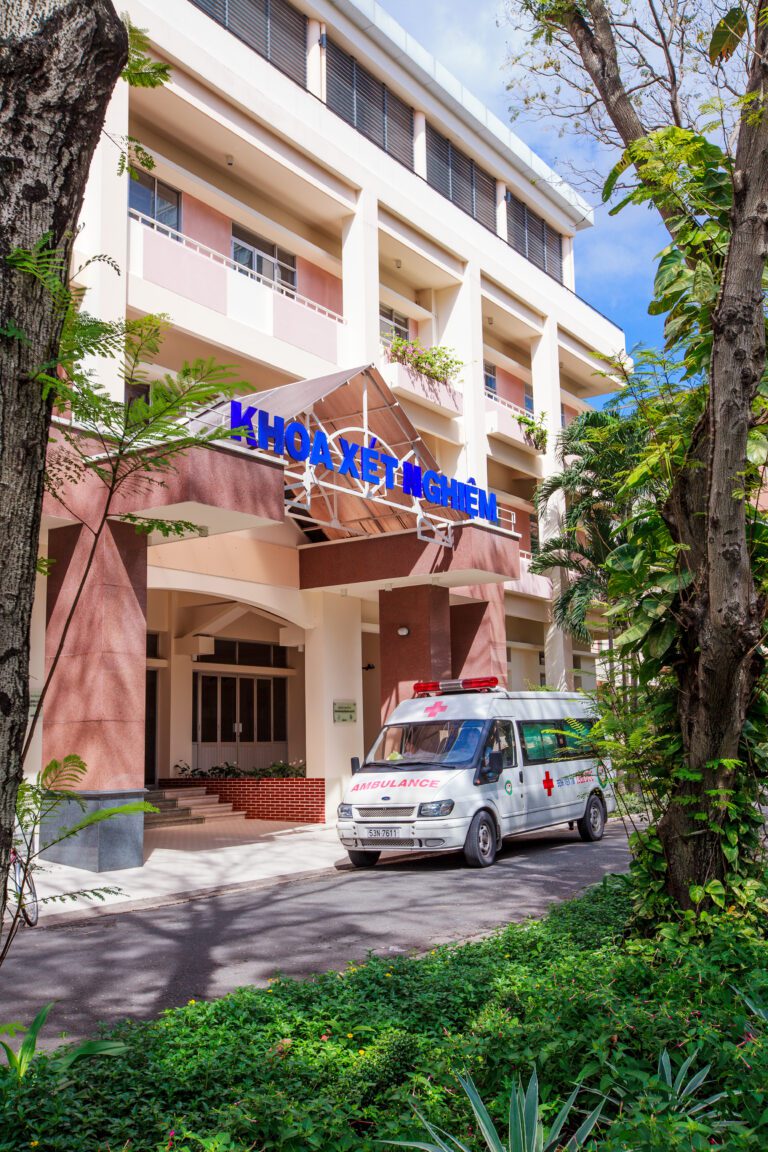
Tuberculosis, and in particular tuberculous meningitis, has been a defining focus of Professor Thwaites’ own scientific work during his time as Director. Alongside a diverse institutional research portfolio, OUCRU led and expanded multiple TBM research programmes in Vietnam, including trials of intensified and optimised regimens, adjunctive therapies, and paediatric studies. This body of work strengthened Vietnam’s role as an important site for TB research and contributed to changes in clinical practice beyond the country.
From around 2018 onwards, OUCRU increasingly expanded its emphasis on translational and innovation-driven research. Clinical trials were complemented by efforts to translate diagnostics, biomarkers, and data into tools that support earlier detection and improved clinical decision-making. Vietnam became a key contributor to international research consortia, ensuring that advances in treatment and technology were tested in settings with high disease burden.
During this period, existing strengths within OUCRU were further consolidated. Public and Community Engagement continued to be prioritised, with more formal structural support, including dedicated funding within core grants. This reinforced the role of community engagement and social context as integral components of high-quality research. The later establishment of social science and implementation research further broadened OUCRU’s approach, supporting the translation of evidence into policy and practice.
Leadership Through Challenge and Growth
Professor Thwaites’ leadership was tested most visibly during the COVID-19 pandemic. OUCRU rapidly redirected its research focus, securing funding for more than 30 COVID-related studies, while maintaining longer-term research capacity across other priority areas. During this period, OUCRU continued to contribute to national and global responses through both research and public engagement.
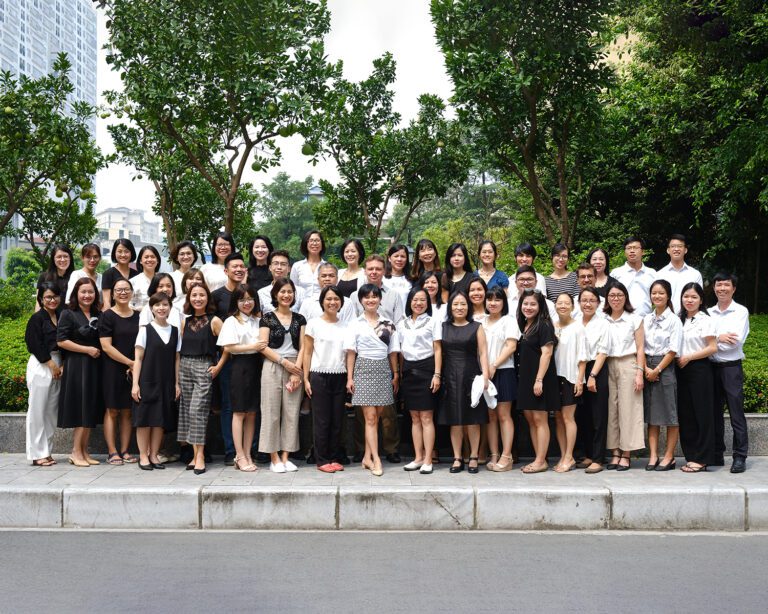
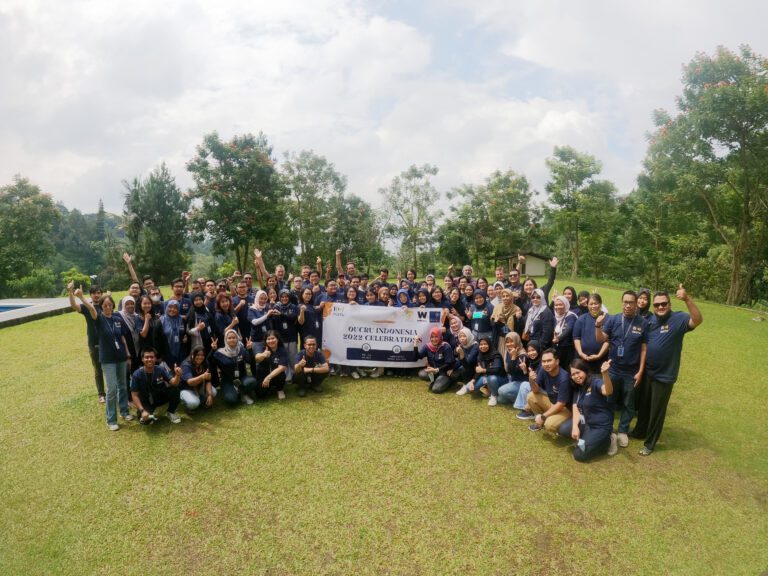
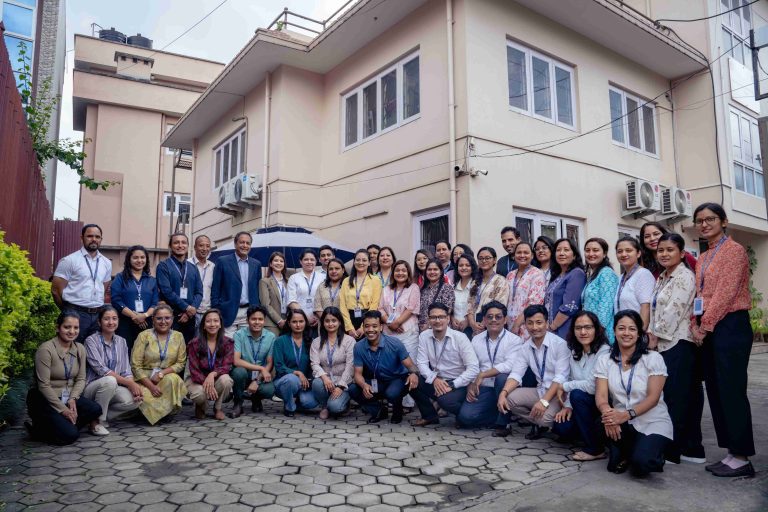
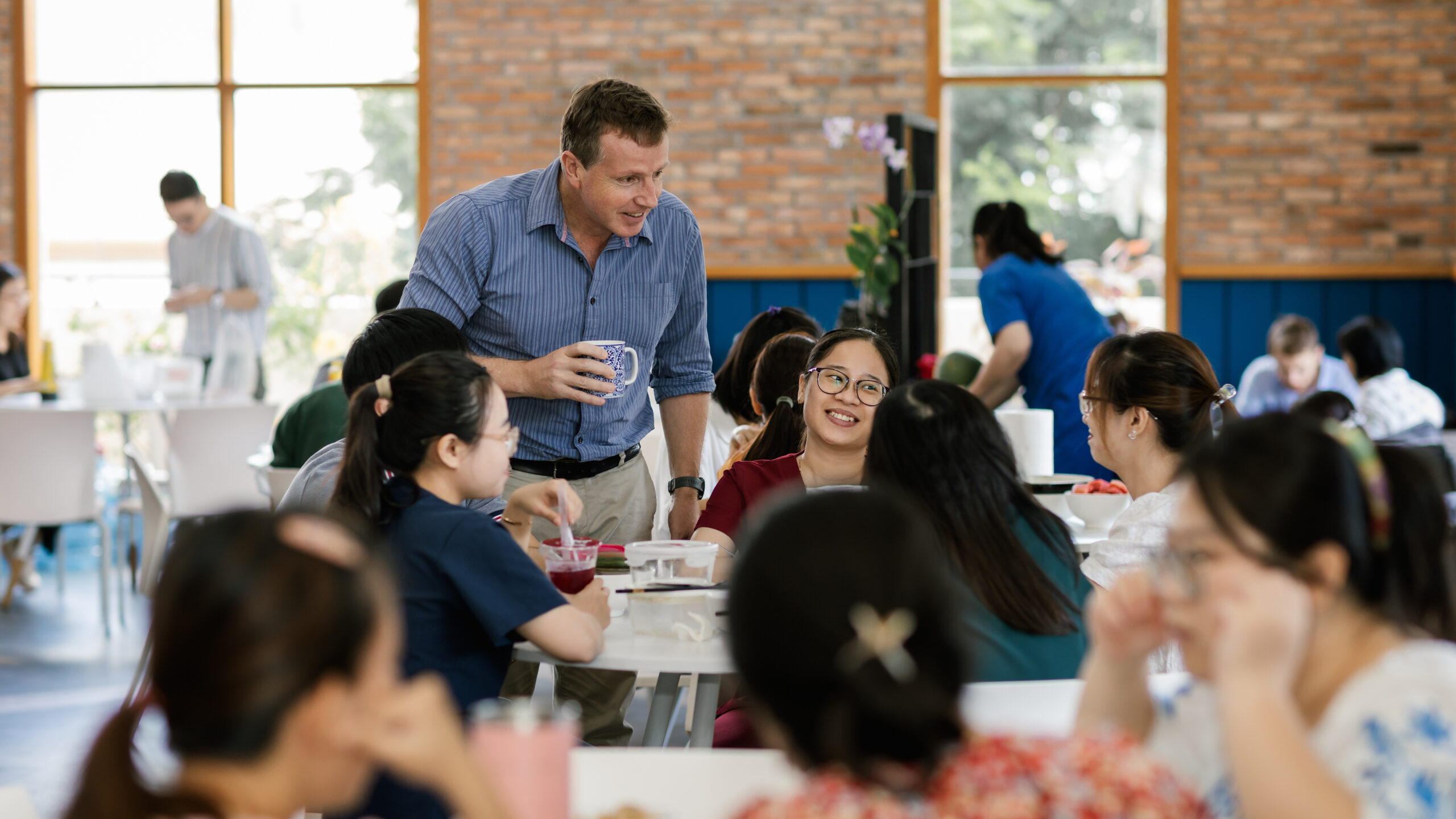
Capacity building has remained a consistent priority throughout his directorship. OUCRU expanded as a regional network, strengthening programmes in Indonesia and Nepal and investing in the development of Vietnamese clinicians and researchers. The promotion of local researchers into leadership roles has been a deliberate and forward-looking element of this approach, supporting sustainability and long-term impact.
Repeated core grant renewals, including a major seven-year renewal in 2022, reflected confidence in OUCRU’s strategic direction and provided stability for continued growth.
Looking Ahead
As OUCRU looks to the future, much of what defines the organisation today, its scientific direction, regional strength, interdisciplinary approach, and commitment to locally driven research, reflects the foundations established during Professor Thwaites’ directorship.
His legacy lies not in any single achievement, but in the culture and environment that support rigorous, collaborative, and impactful research, enabling OUCRU to continue addressing some of the most pressing health challenges in the region and beyond.