

Climate change is increasingly affecting health in urban Indonesia. The World Health Organization (2022) suggests that climate-related burdens extend beyond physical health. Mental health challenges, including eco anxiety, post-disaster trauma, and chronic stress, are also rising, affecting an estimated 10 to 20 percent of exposed populations. In some vulnerable settings, these pressures are associated with increased risks of self-harm and suicide.
Yet the impacts of climate change are not evenly distributed. In Jakarta, where extreme heat, poor air quality, and complex urban systems intersect, women workers often face compounded challenges. Women workers often face disproportionate climate and health risks, navigating daily trade-offs due to long commuting times, formal and informal employment conditions, caregiving responsibilities, and limited participation in decision-making.
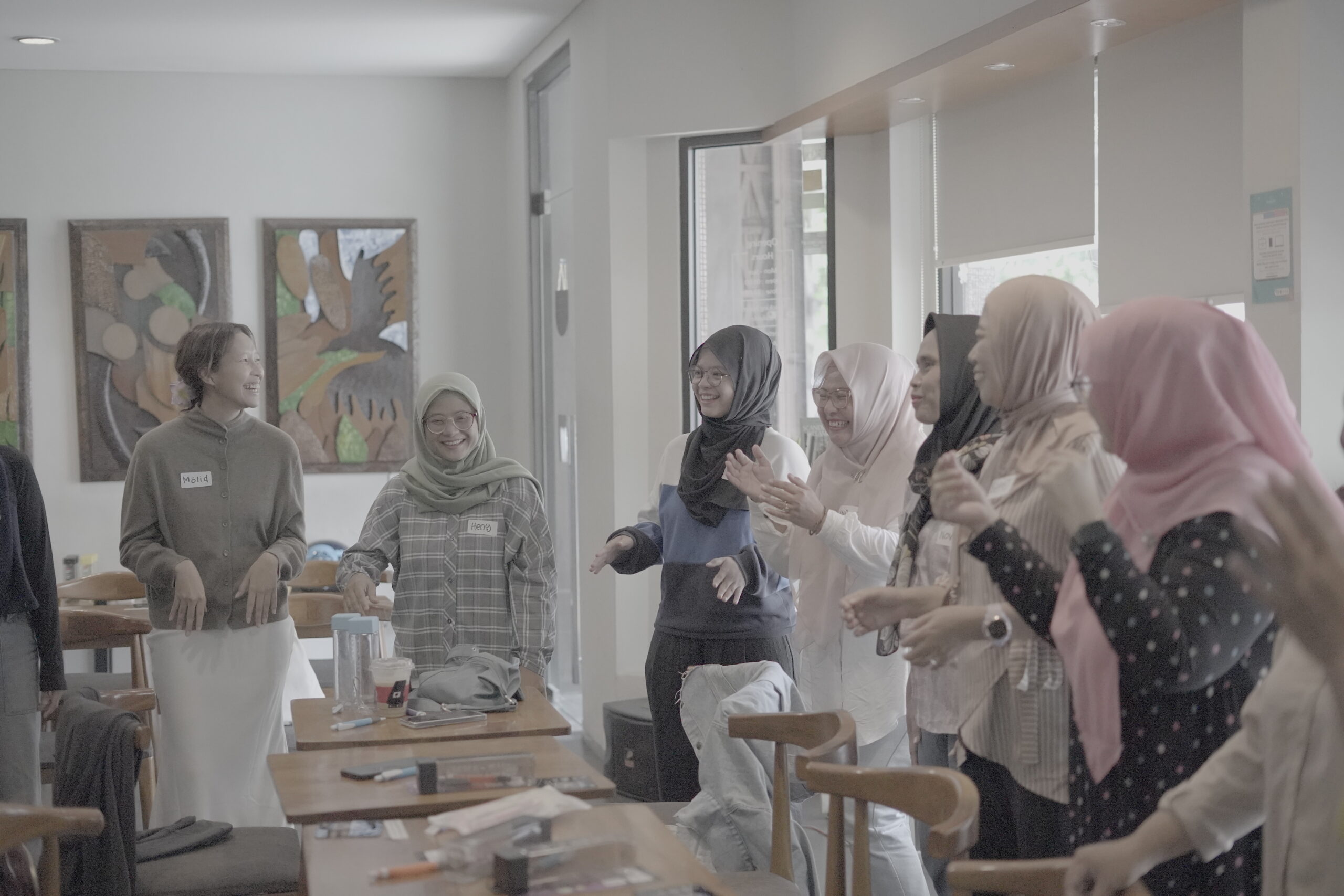
To better understand these realities, OUCRU Indonesia initiated an engagement project with 57 women workers from the Greater Jakarta area, including DKI Jakarta and surrounding municipalities, to centre their experiences in climate-health dialogues.
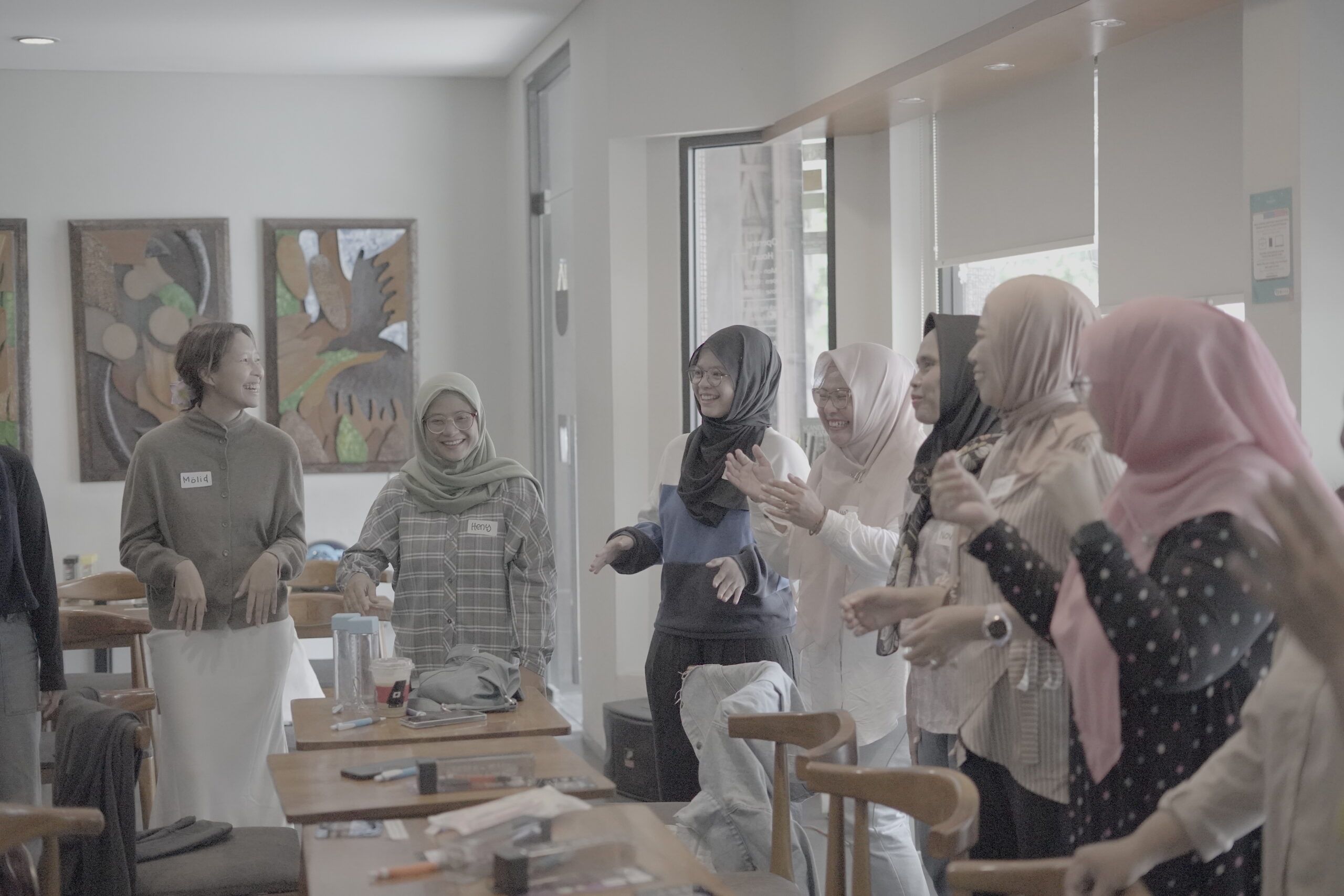
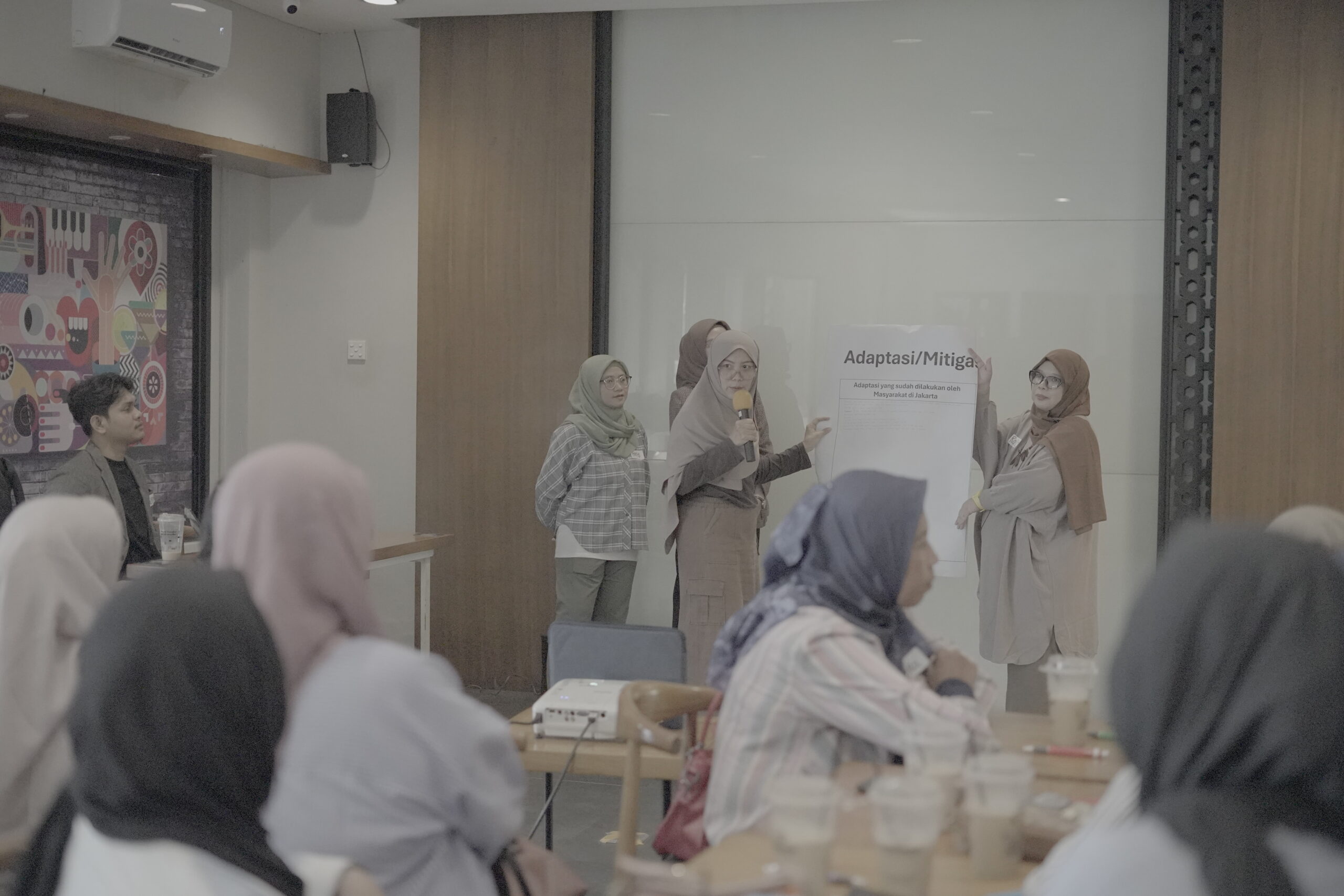
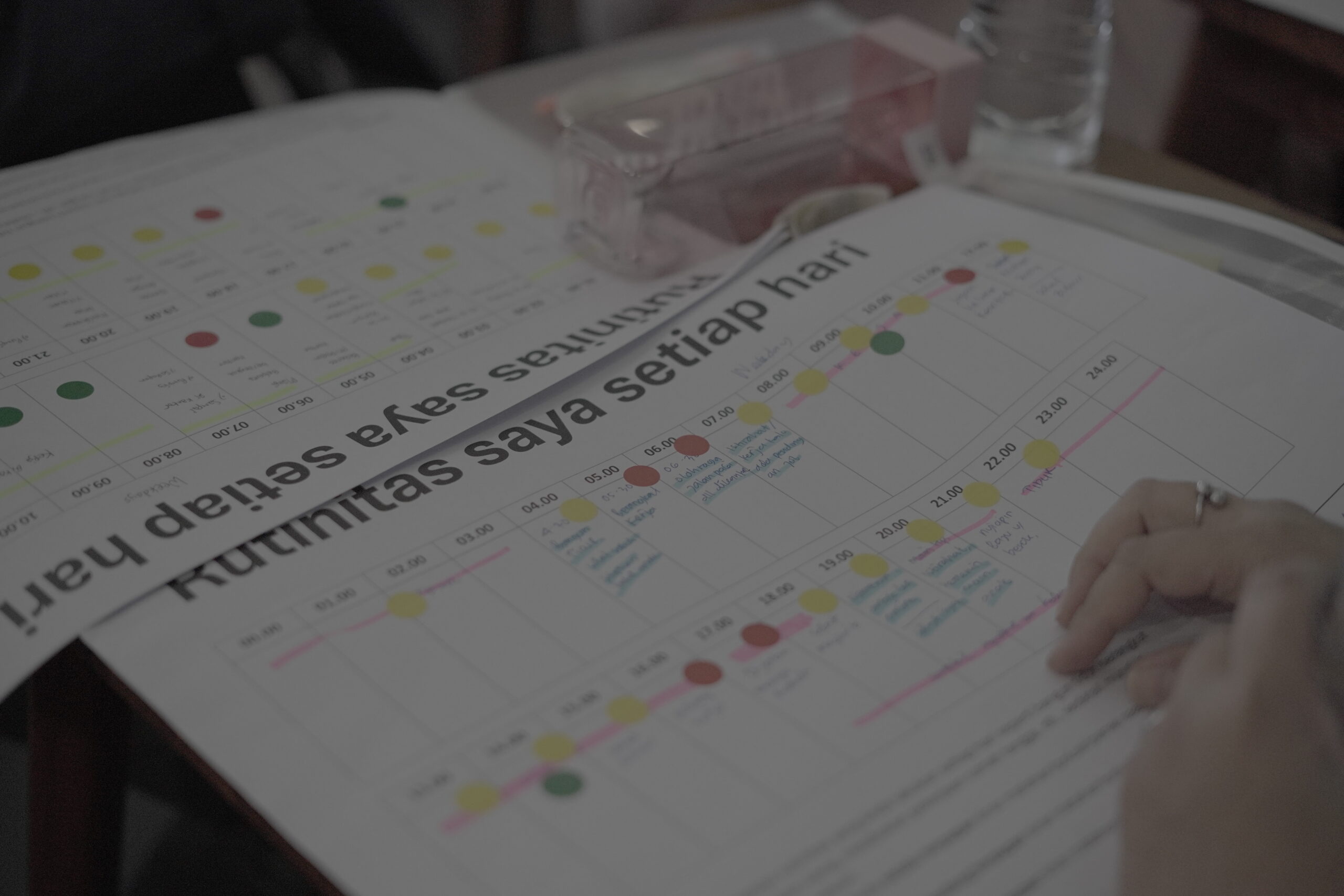
These women, all residing and working in their communities for at least 5 years, reported frequent exposure to air pollution and urban heat during daily routines—such as commuting, street vending, or informal labour in high-risk environments. Over four months, women from both formal and informal sectors came together in a series of discussions—sharing stories, challenges, and the decisions they navigate daily.
Women shared how extreme heat affects productivity and well-being, how poor air quality leads to respiratory concerns, and how flooding disrupts commuting, income, and family responsibilities. These experiences highlighted that climate-health risks are closely tied to broader issues such as working conditions, access to healthcare, and gender roles.
Key adaptation and mitigation recommended by the women workers
- Strengthening the personal health protection’s knowledge and practice
- Integration of a preventive mental health program into the health strategies
- Improving public transportation and controlling private vehicles
- Enhancing the integrated waste management and environmental cleanliness system
- Expanding urban greening initiatives
- Strengthening multi-sectoral collaboration and policy framework
These discussions highlighted that climate-health risks are closely linked to broader social and economic factors. Women described balancing health protection with financial responsibilities, illustrating how adaptation strategies must consider real-life constraints and priorities.
Women workers revealed that climate adaptation is not always straightforward. The urgency of balancing immediate economic needs with long-term health considerations shows that effective climate strategies must reflect real-world constraints and lived realities.
This engagement project marks OUCRU Indonesia’s first engagement focused specifically on women workers and climate-health challenges in Jakarta. The initiative provides insight into how climate change affects health in everyday life. Findings highlight the importance of community-centred approaches and inclusive participation in shaping ethical, climate-health strategies. By co-designing solutions with women workers, the project contributes to more equitable, practical, and locally relevant climate-health responses in urban Indonesia.
Insights from this work will contribute to ethical and inclusive climate-health strategies that reflect the needs of urban communities most affected by climate change. This project is part of OUCRU Indonesia’s broader commitment to community-centred research and strengthening partnerships that support equitable and sustainable health solutions.
Watch the video for more information:
Similar work across other OUCRU sites has shown comparable insights. However, engagement projects that reflect women are still few, and further research is needed to better understand how climate and health challenges affect different communities.