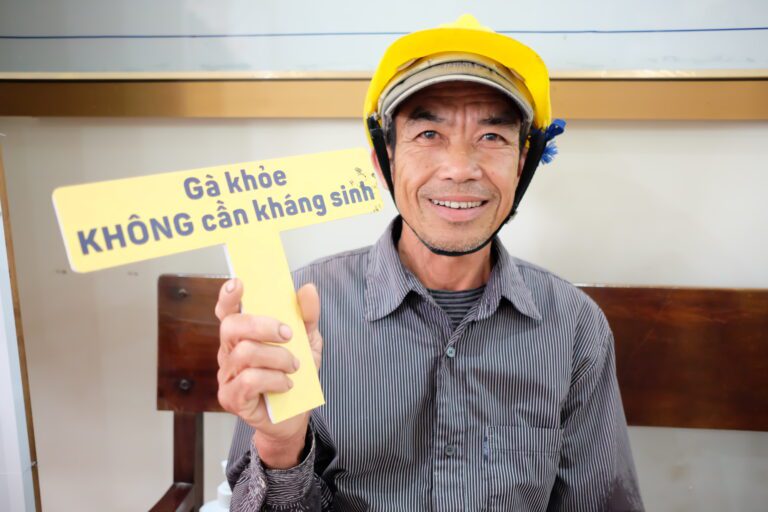


Antimicrobial resistance (AMR) – the inability of antimicrobial medicines to fully destroy disease-causing germs – is projected to fall most heavily on Africa and Asia. Estimates suggest that, without effective action, AMR could contribute to millions of deaths each year by 2050, with the greatest burden in sub-Saharan Africa and south Asia. Tackling AMR requires an understanding of how existing governance structures, functions, processes, and financing, at national and sub-national levels and across the human health, animal health, agriculture, and environment sectors, are shaping AMR control and management efforts.
Governance is a critical determinant of health system performance, yet it remains relatively under-researched in health systems and especially in the context of AMR containment in low- and middle-income countries (LMICs). Although Kenya and Vietnam both have national action plans (NAPs) that define governance structures, functions, and processes for AMR containment, implementation is not optimal, and the plans have lacked costed budgets for the measures they propose, making them difficult to implement. In resource-constrained settings, budgeting and funding allocation are complex and shaped by political interests, capacity to negotiate, and power relations among actors, which can create lock-ins, trade-offs, and perverse incentives that undermine antimicrobial stewardship.
This study uses Kenya, whose health system is decentralised, and Vietnam, whose health system is centralised, as contrasting case studies. Guided by the theory of decentred governance and a One Health approach, it combines a critical review of WHO member states’ NAPs, a scoping review of AMR funding and accountability documents, non-participant observations, and key informant interviews with national and sub-national officers working in human health, animal health, agriculture, and environment sectors. In Vietnam, three provinces – Thai Nguyen, Hue, and Can Tho – were purposively selected to represent the north, centre, and south of the country and very different agricultural systems.
The study will identify the aspects of governance and financing that need strengthening, recommend contextually relevant strategies for improving the use and accountability of AMR funding, and inform implementation of Kenya’s and Vietnam’s national action plans on AMR, while contributing to the limited literature on AMR governance in LMICs.
Workshops
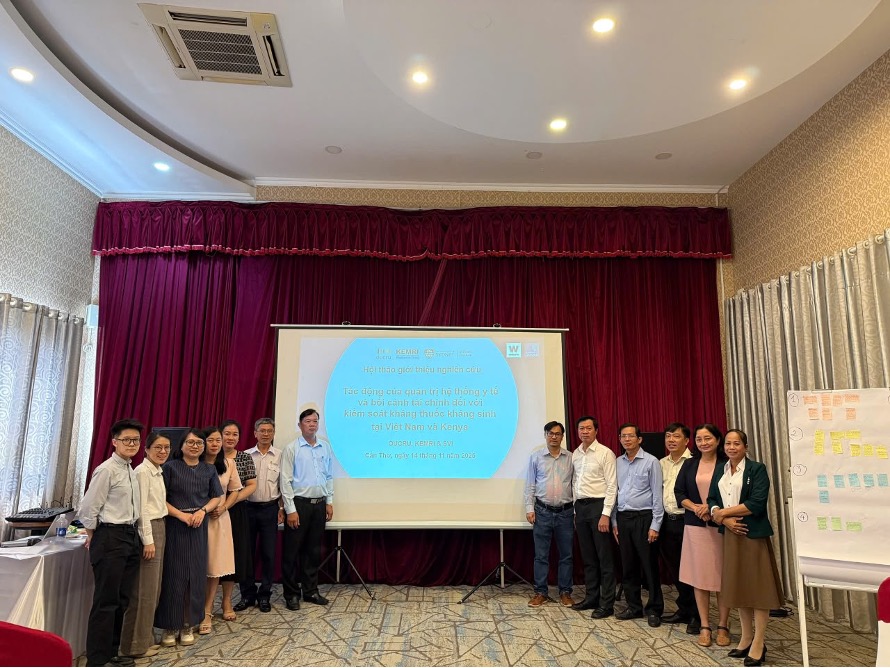
In November 2025 we held three introductory study meetings with partners and local authorities across the three Vietnamese study provinces:
Can Tho (14 November 2025).
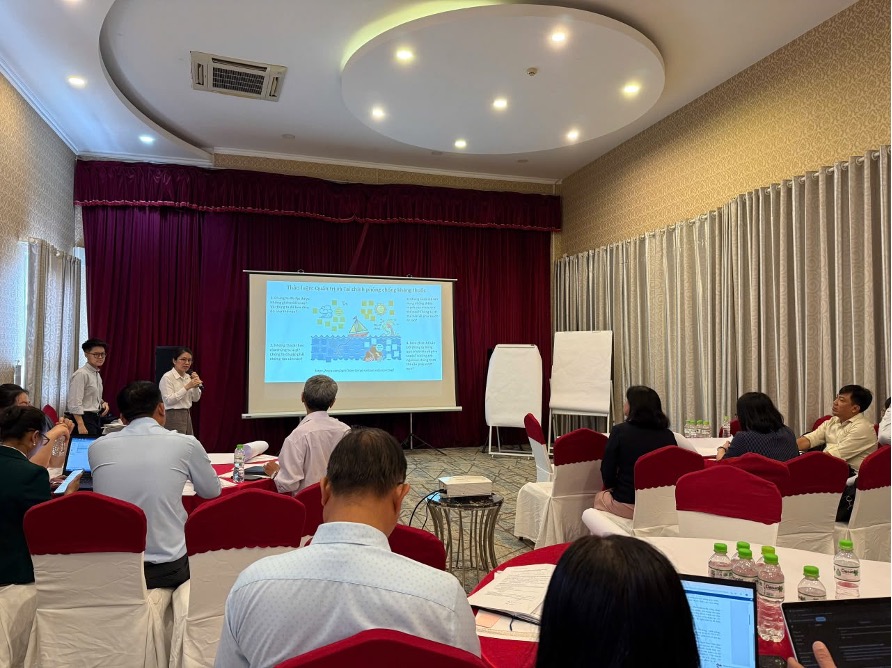
Thai Nguyen (22 November 2025)
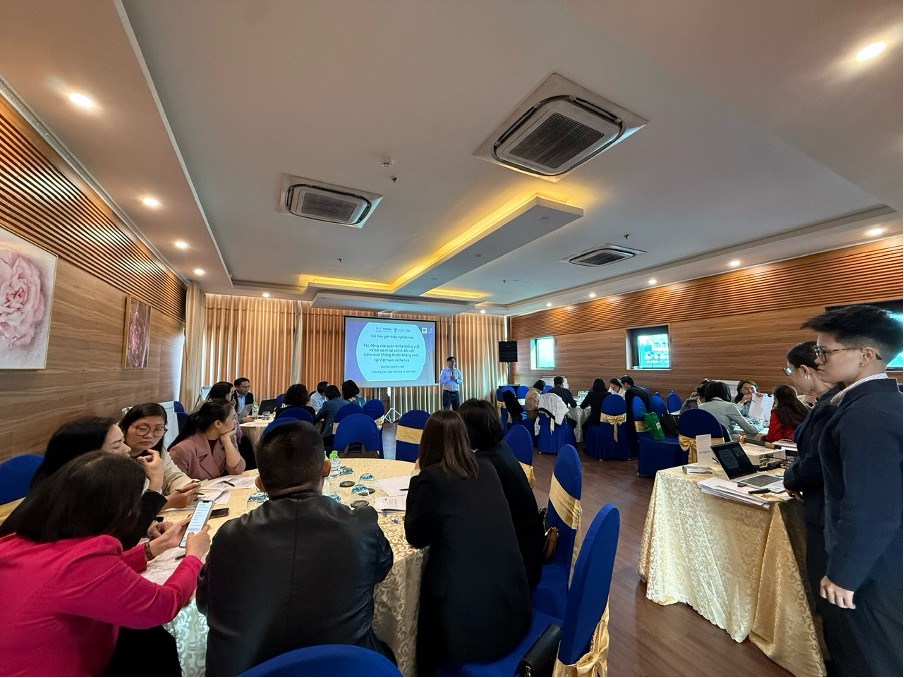
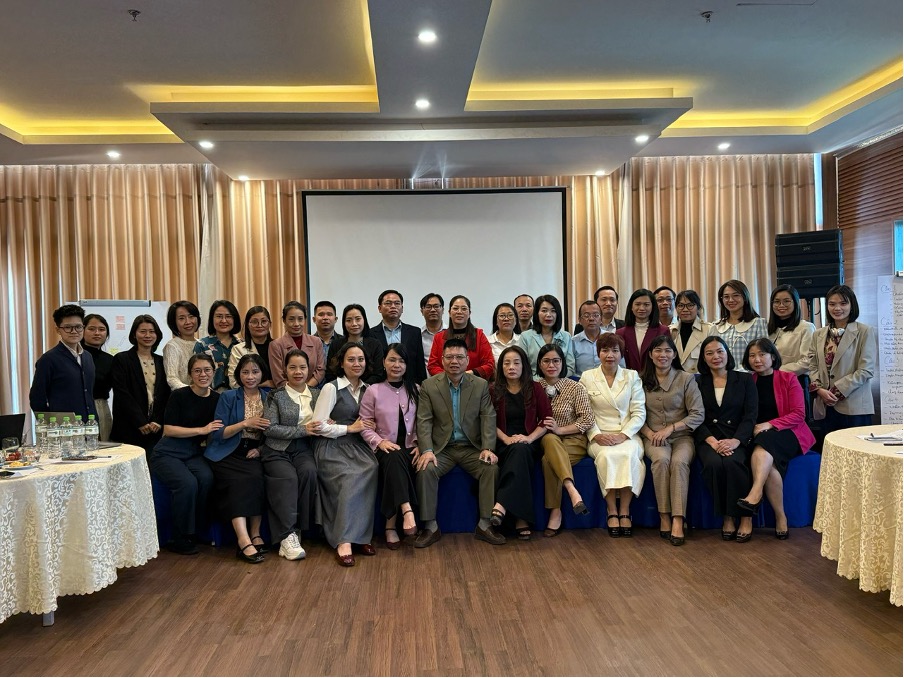
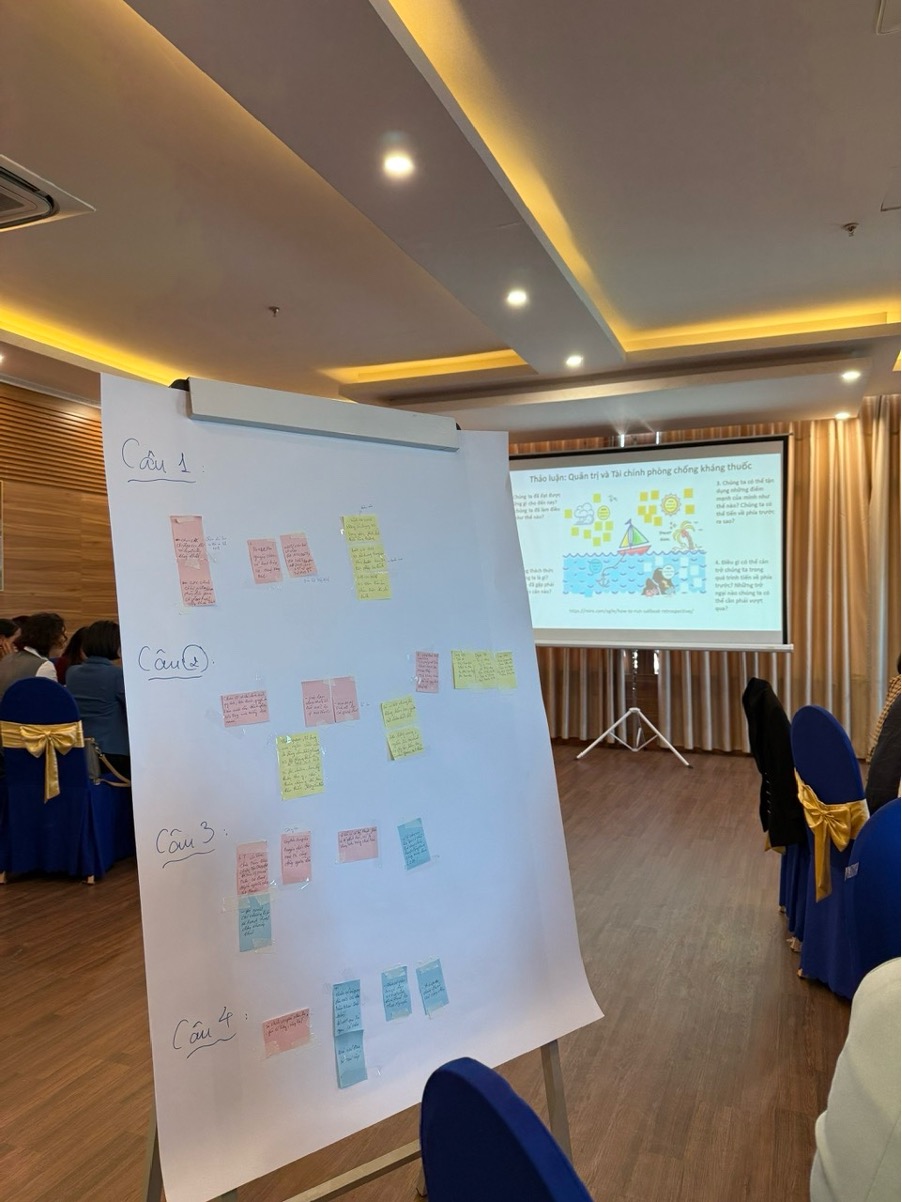
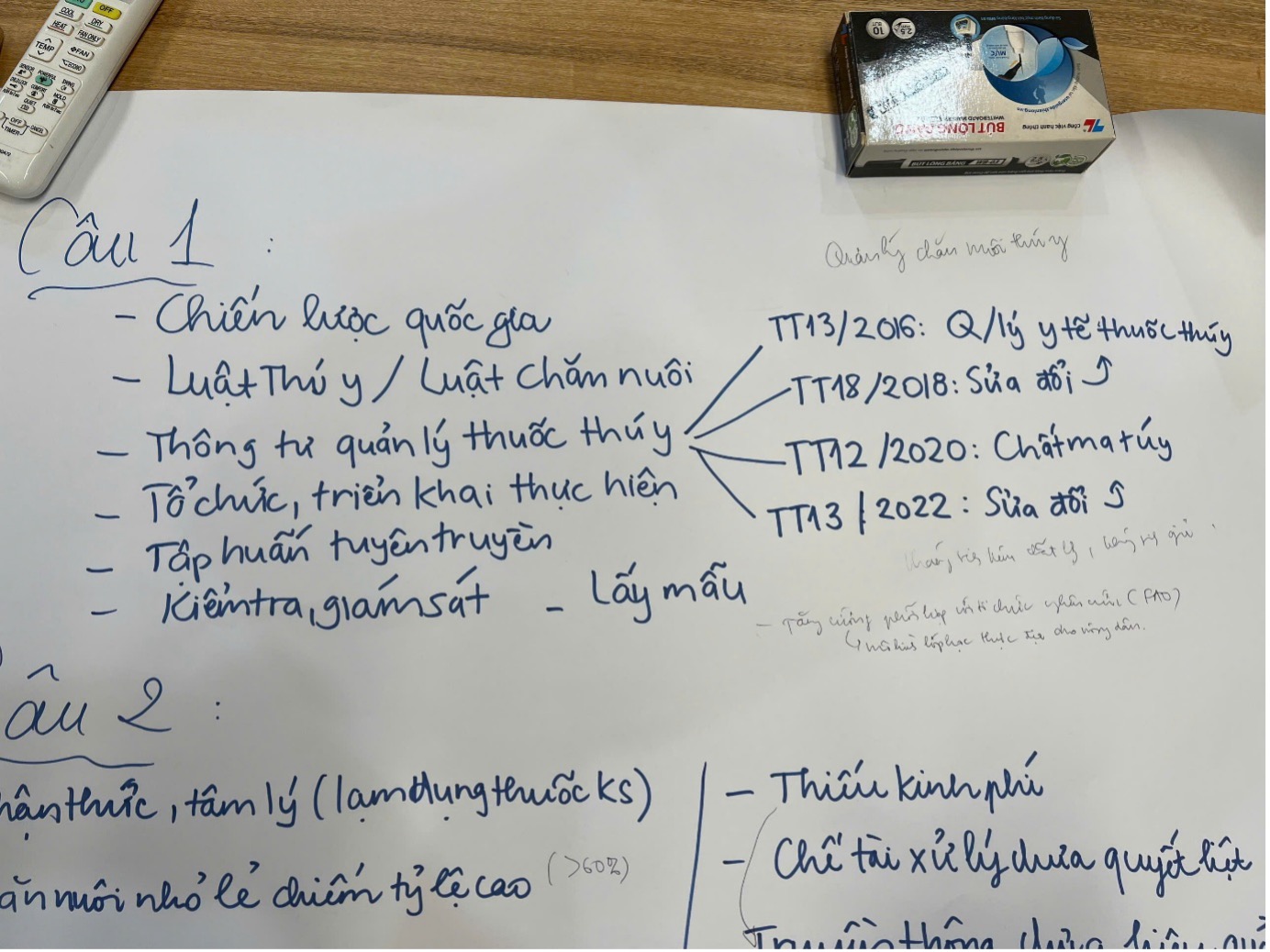

Hue (28 November 2025)
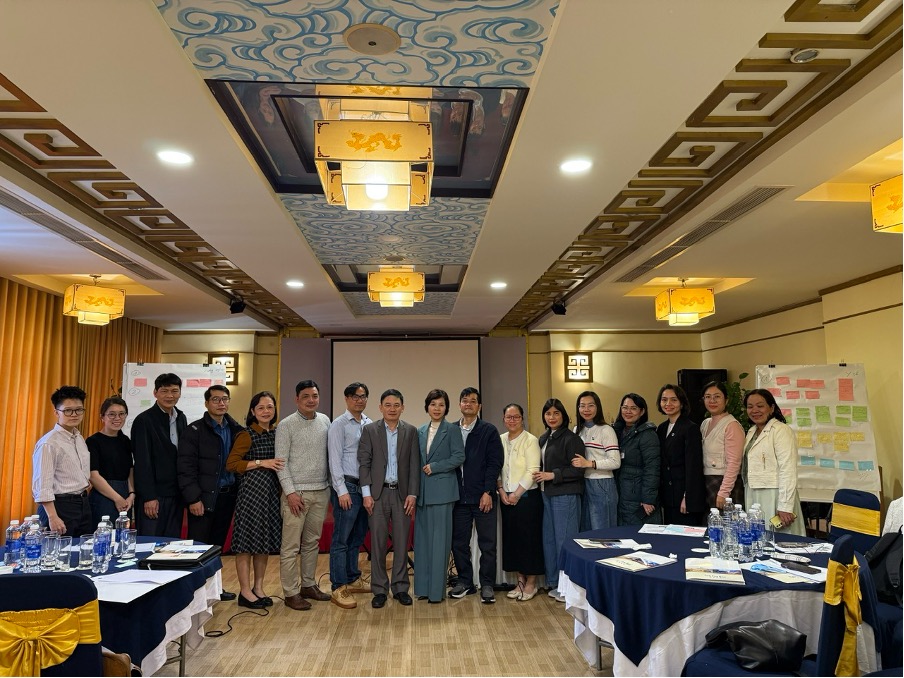
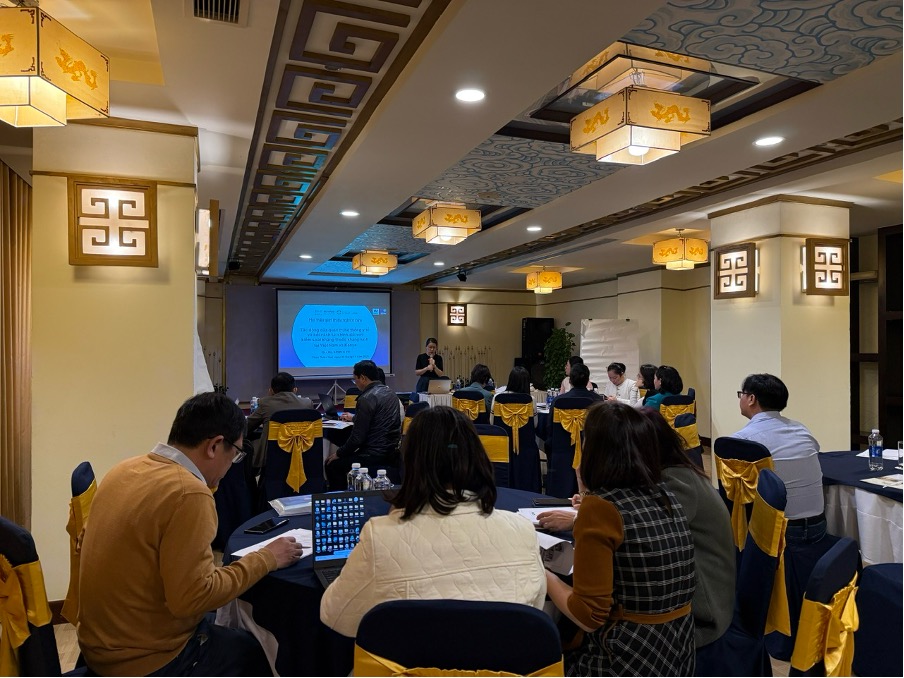
These meetings introduced the study to participants and began building relationships with officers at the national and provincial levels.