


DoH Chairs the Regular Hospital Network Meeting – A Pivotal Step Toward Autonomous Operation
At Dong Thap General Hospital, the provincial Dong Thap DoH directly coordinated the quarterly network meeting of AMS, implementing hospitals within the 60HN – ASPARNet project. Notably, this meeting took place during the post-intervention phase to evaluate the sustainability, equity, and scalability of the AMS hospital network across the province after 18 months of program implementation.
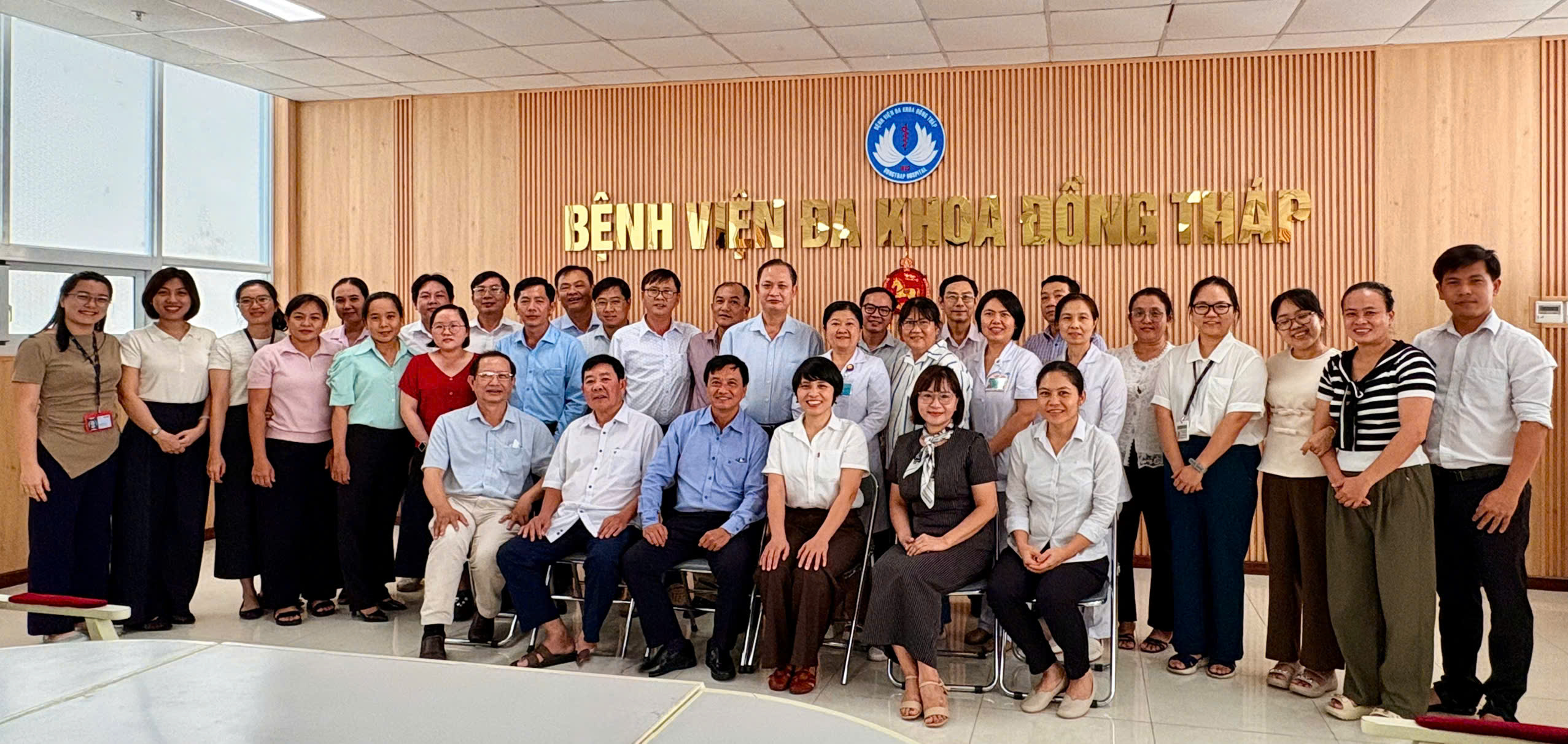
Commencing the meeting, Dr. Nguyen Thi Kha Tu, Deputy Head of Medical Affairs Division of DoH – Project Coordinator at the DoH, reported on the operational continuity of the AMS network over the past six months (April – September 2026). The presentation reviewed core interventions, including capacity – building training series, audit and feedback, infection prevention and control monitoring, the review and issuance of guidelines for antimicrobial use and infection prevention and control, standardized protocols for antimicrobial consumption and microbiological reporting, as well as regular AMS committee convenings. Especially, the operational efficacy of AMS committees and the hospitals network is improving markedly. Furthermore, platform to monitor reports integrating AMS, infection prevention control, and antimicrobial resistance surveillance the iSHARP platform is being actively promoted for widespread institutional adoption.
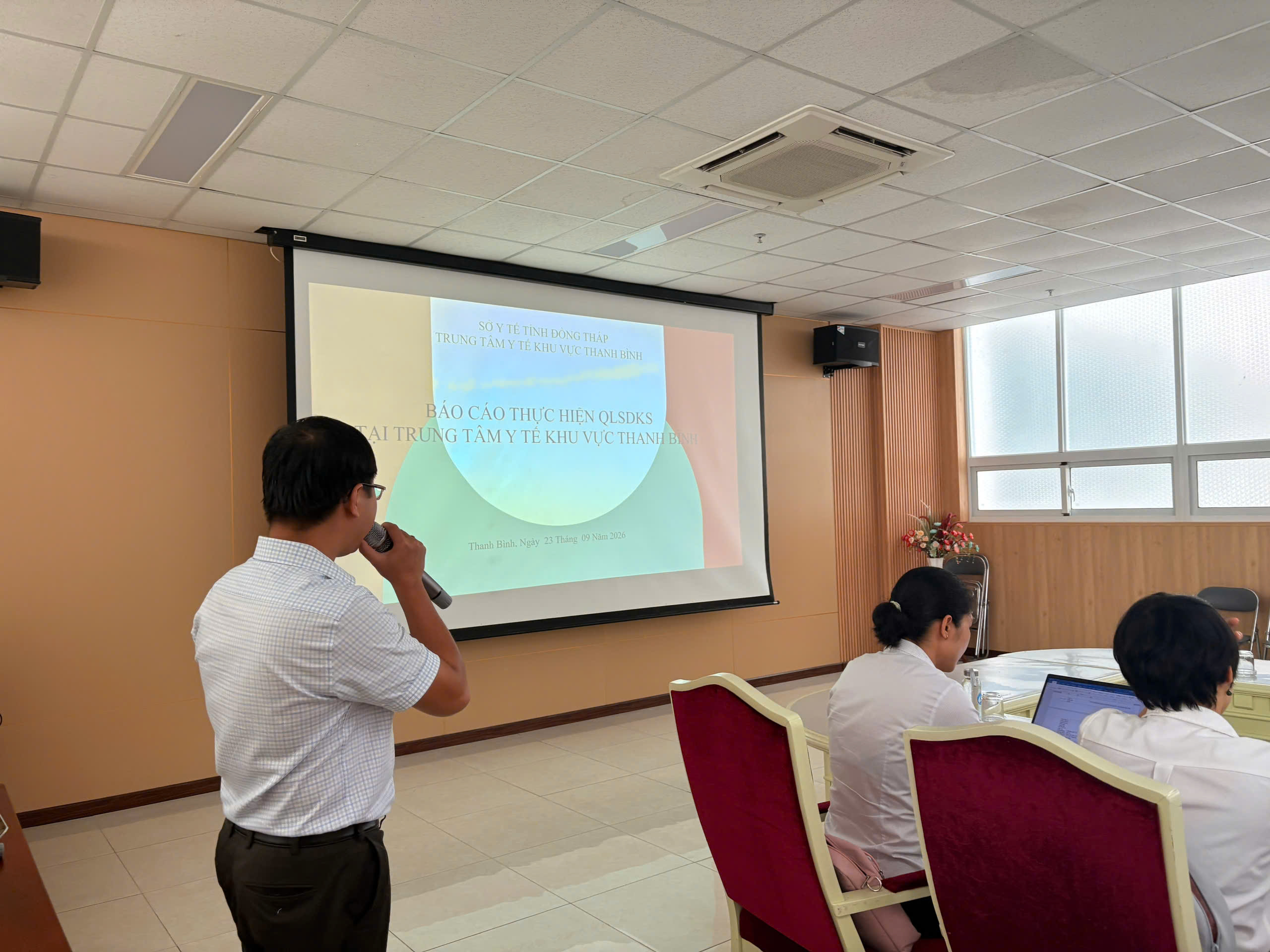
Empirical data from district hospitals also indicated highly positive trends. At this meeting, Thanh Binh Health Center (HC) presented their AMS implementation report up to June 2026. Guided closely by their AMS Committee, through the application of the AWARE classification and prioritizing the Access antibiotic group in trearment, the consumption reports are proviced as a reference to develop more rational prescribing plans, the facility has reduced overall antimicrobial consumption and increased the utilization rate of Access antibiotics group, additionally, antimicrobial associated expenditures have demonstrated a downward trend in 2026 compared to the same period in previous years. This institution also highlighted operational challenges: disruptions in continuous drug supply, a lack of updated treatment guidlines, and, most critically, the absence of a microbiology laboratory for bacterial culture, identification, and antimicrobial susceptibility testing, alongside limited personnel dedicated to AMS, were identified as primary factors undermining the program’s optimal impact.
At the same time, the meeting focused to discuss toward the planning and establishment of microbiology laboratories, workforce preparation, and technical capacity building for Thanh Binh HC, Cao Lanh 2 HC, and Lap Vo HC – facilities currently lacking microbiology laboratories, this was also a directive assigned by the DoH leadership during the previous meeting. Institutional representatives outlined their plans to set up, the need for proposed equipment, specialized personnel, documents and technical processes.
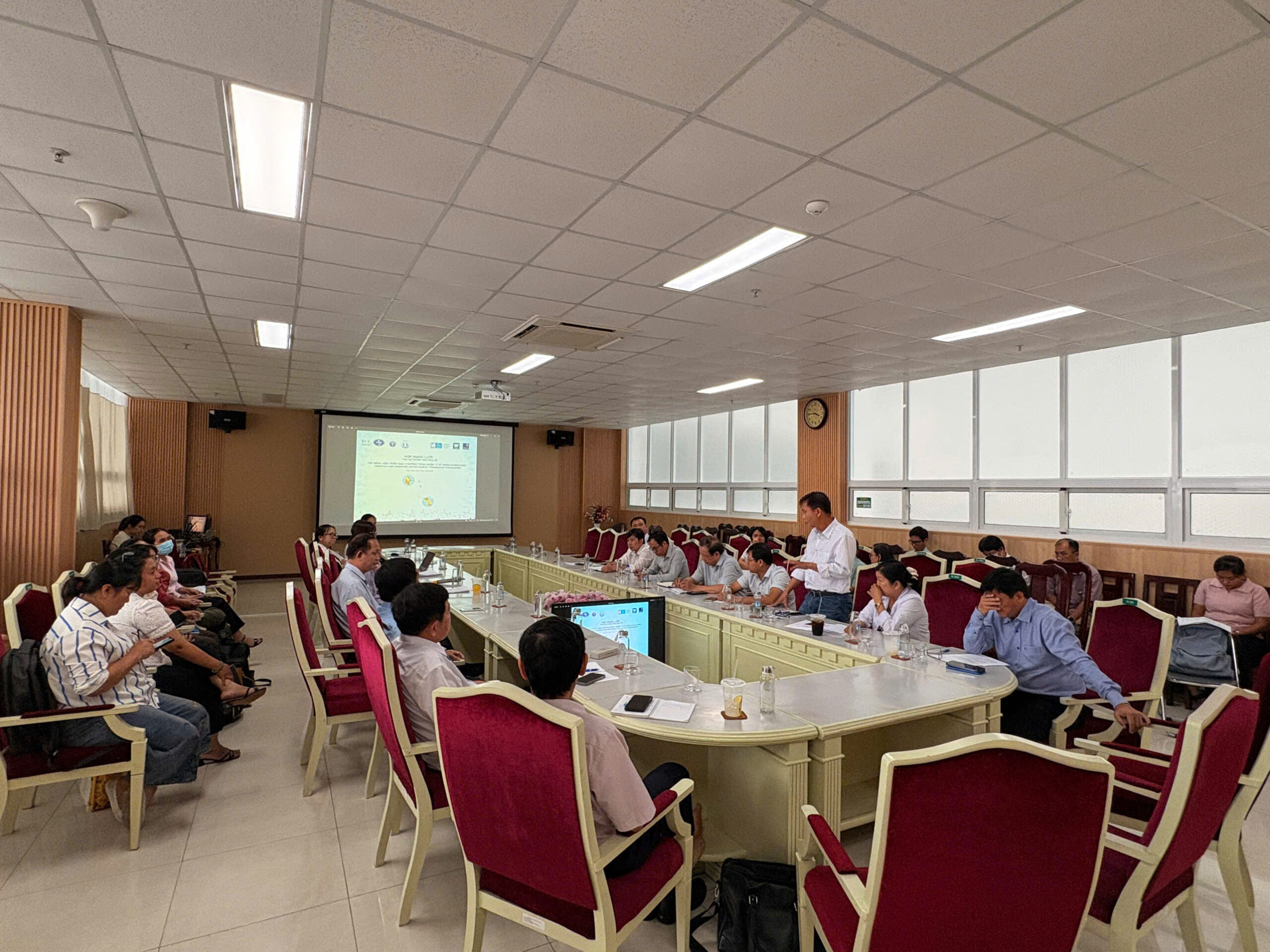
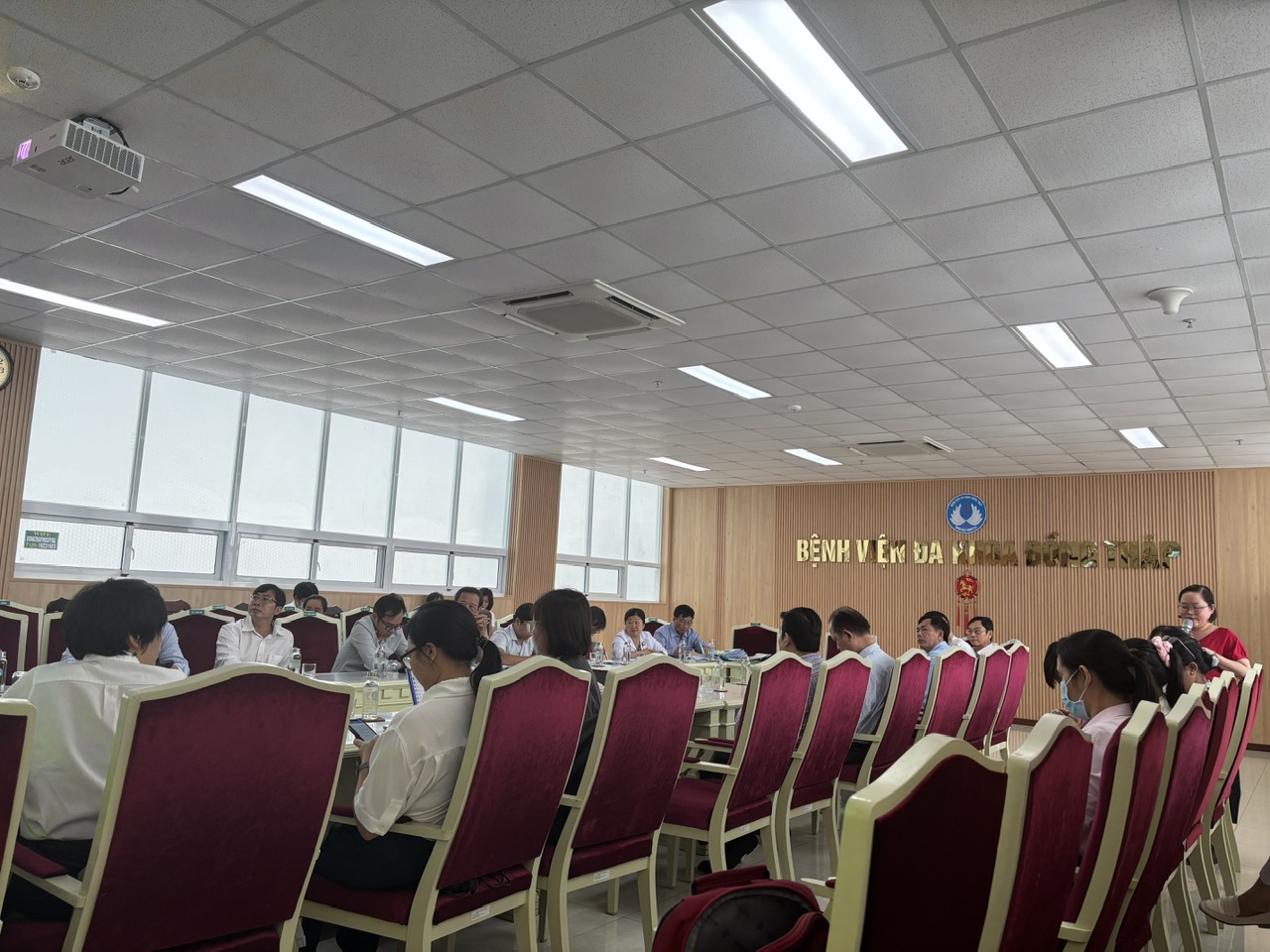
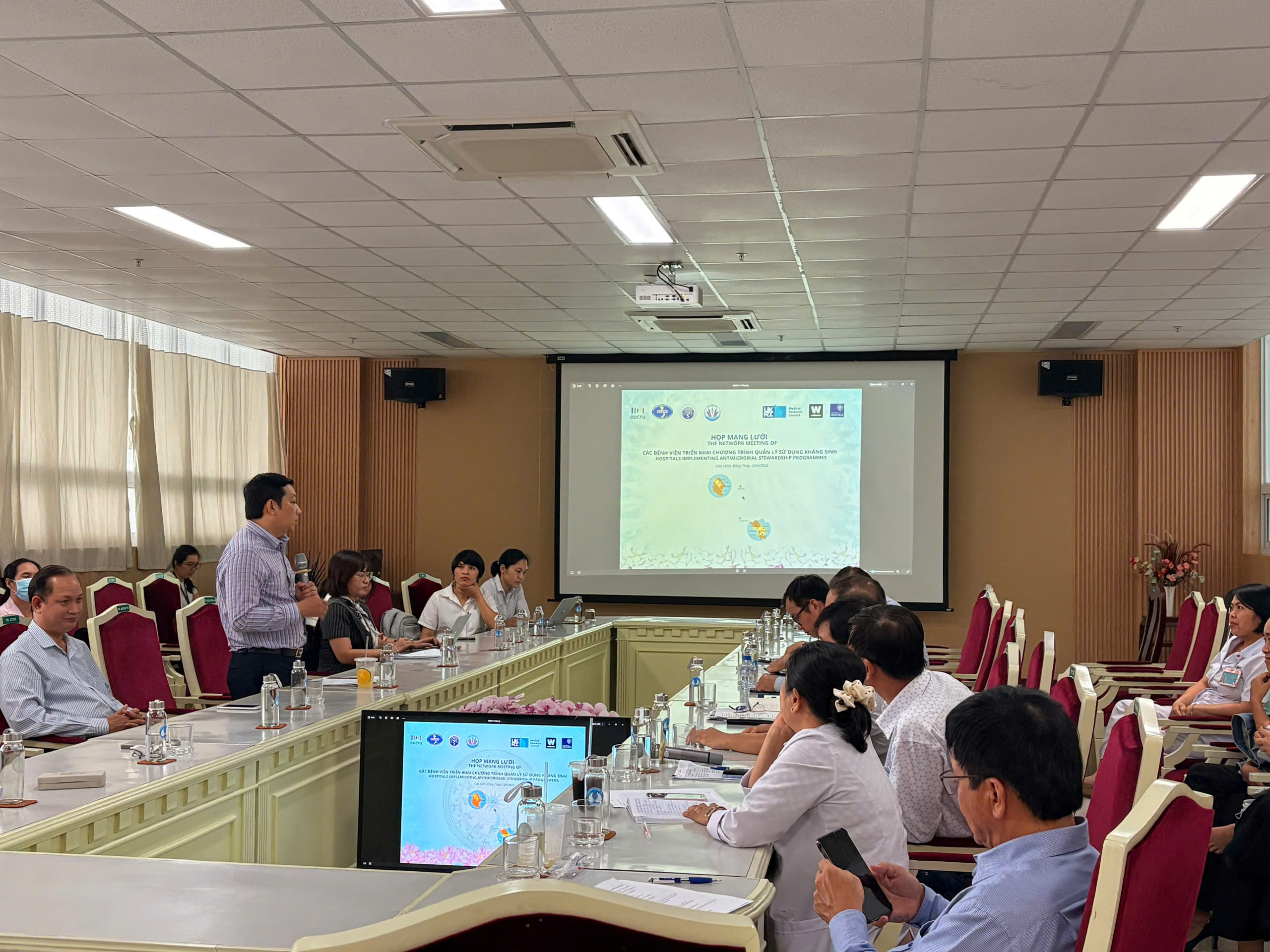
Embracing the spirit of knowledge sharing from upper-level hospital to HCs, MSc. Nguyen Thi Cam Tu, from the Microbiology Department of Dong Thap General Hospital, shared their experiences regarding the establishment and scaling of their department, confirming readly to provide technical mentorship to HCs during the establishment of the microbiology laboratory.
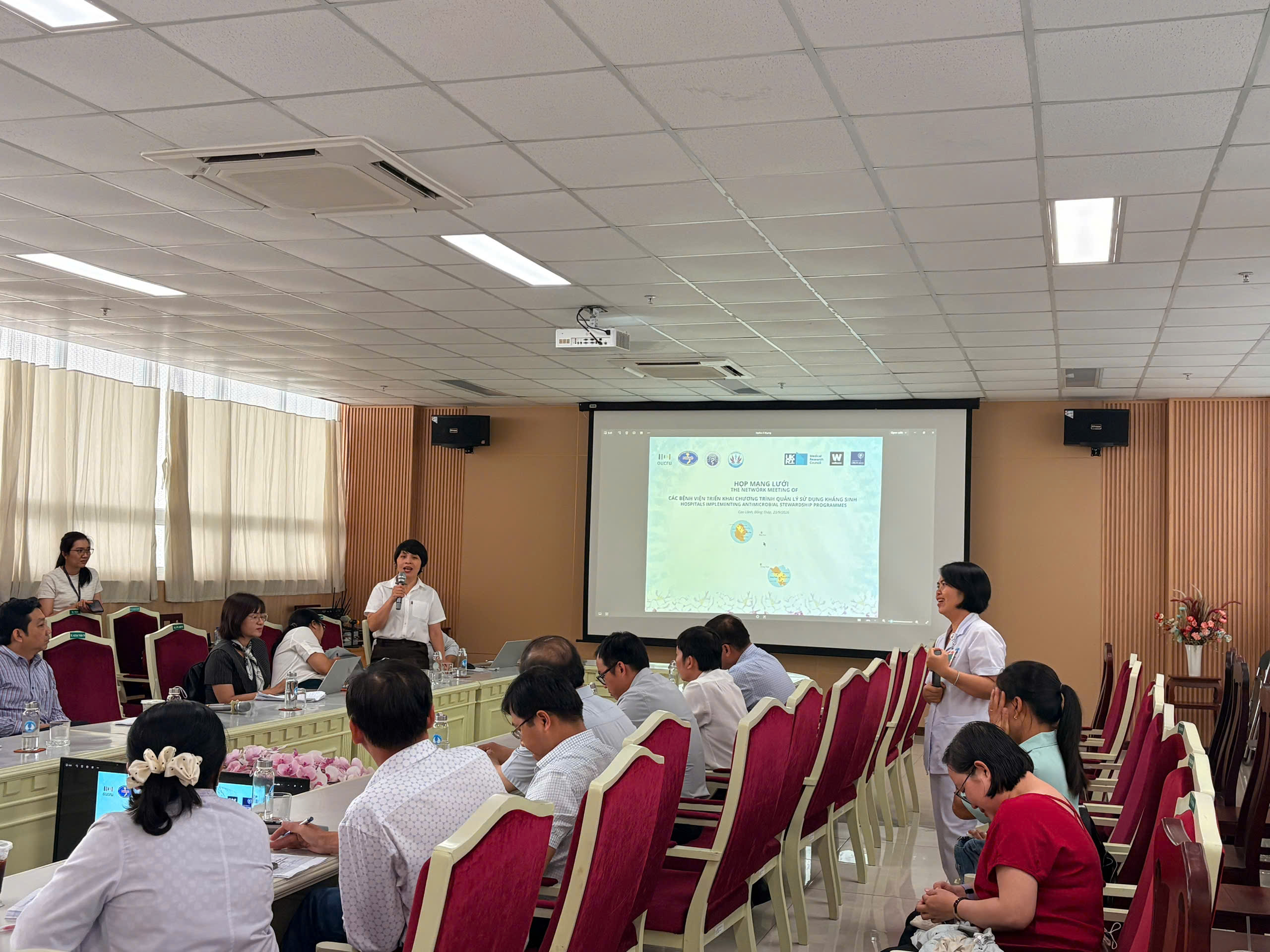
In the final session of the meeting, the DoH and the six hospitals discussed on the 2027 antimicrobial resistance control framework and the sustainability plan for AMS operations. Physicans and pharmasists from Dong Thap General Hospital and Sa Dec General Hospital affirmed their commitment to sustaining core activities, such as audit and feedback, and infection prevention and control protocols. They also emphasized the expanded deployment of the iSHARP platform.
Concluding the meeting, the presentative of Dong Thap DoH summarized the main contents of the meeting, praised the efforts of the entire network, and put its hopes on the successful establishment of 3 new microbiology laboratories, continue to apply the iSHARP platform more widely, and sustainably and effectively implement the activities in the 60HN – ASPARNet project.
Impressions at the 2nd Dong Thap Expanded Health Science and Technology Conference in 2026

Concurrently within the conference series held on September 24 – 25, 2026, the Oxford University Clinical Research Unit (OUCRU Hanoi) was honored to participate in the 2nd Expanded Dong Thap Health Sector Scientific and Technical Conference – a large-scale event convening over 500 delegates from government agencies, research institutes, and healthcare facilities both within and beyond the province. At this academic forum, initial findings of from the 60HN – ASPARNet project were shared through two presentations by Dr Nguyen Thi Kha Tu – Deputy Head of Medical Affairs Department – Dong Thap DoH, and Dr Vu Thi Ngoc Bich – Post Doctoral Researcher – Principal Investirgator of project.
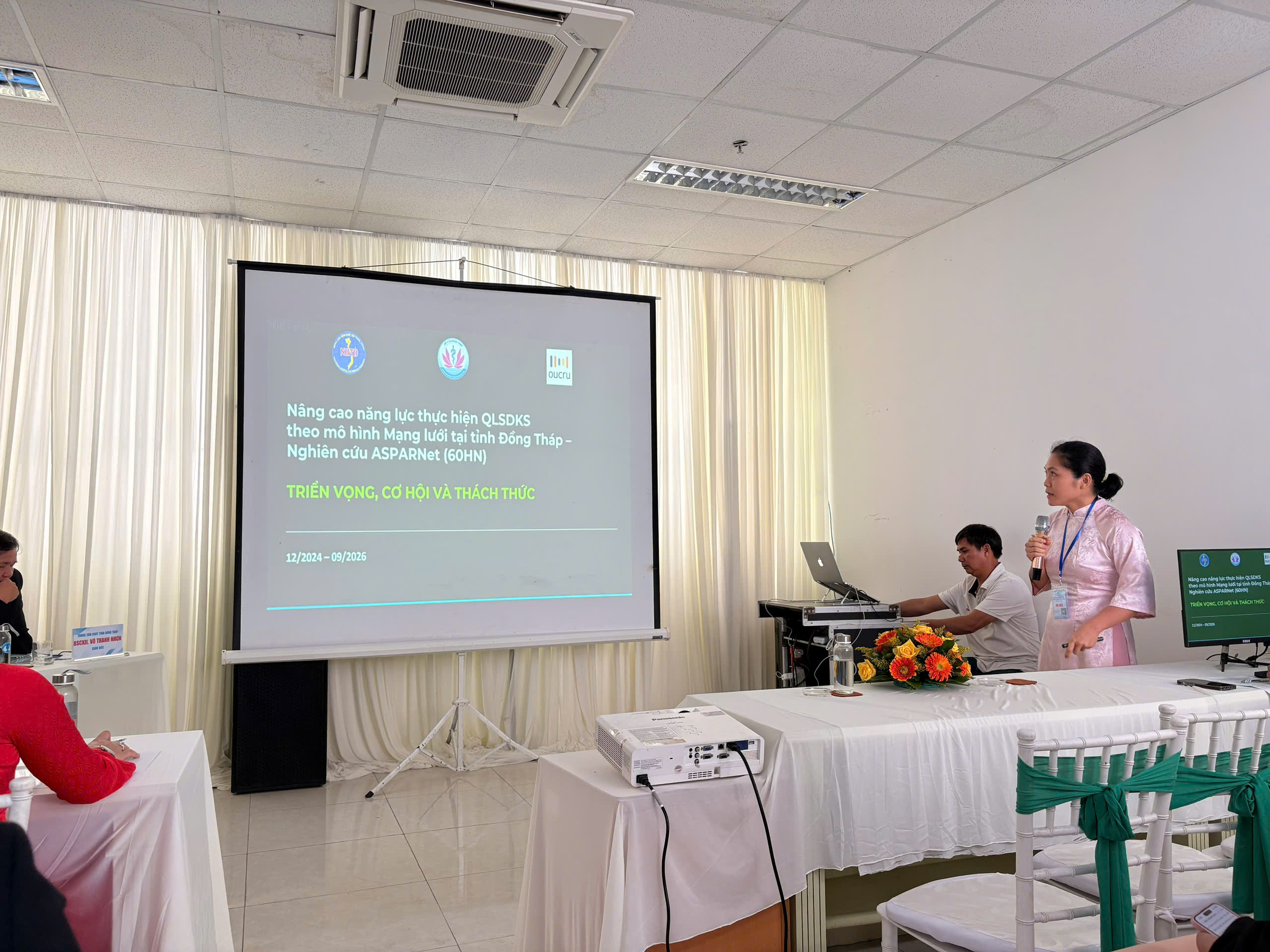
During the Health Management – Public Health – Preventive Medicine session, Dr. Nguyen Thi Kha Tu provided a comprehensive overview titled “Enhancing Antimicrobial Stewardship Capacity through the ASPARNet Network Model in Dong Thap Province: Prospects, Opportunities and Challenges, offered healthcare managers and epidemiologists a validated, systemic blueprint for potential adaptation and regional scaling. At this presentation session, the scientific councils and healthcare managers engaged in dynamic discussions regarding the project’s achievements in antimicrobial resistance control. They showed particular interest in how the human resources required to execute the entire research process were optimally mobilized by leveraging the province’s existing pool of clinical pharmacists.
Furthermore, in the Internal Medicine – Pediatrics – Infectious Diseases session, Dr. Vu Thi Ngoc Bich delivered a specialized report on the “Molecular Epidemiology of Carbapenem – Resistant Escherichia coli (CREC) Isolated from Patients’ Intestinal Microbiota.” By analyzing the genetic architecture and resistance gene modeling of CREC isolated from the patient microbiome, alongside tracking its transmission and dissemination dynamics within project – affiliated hospital environments, she emphasized the message of ensuring patient safety and rational antimicrobial use, and emphasize the important role of infection control in hospitals.
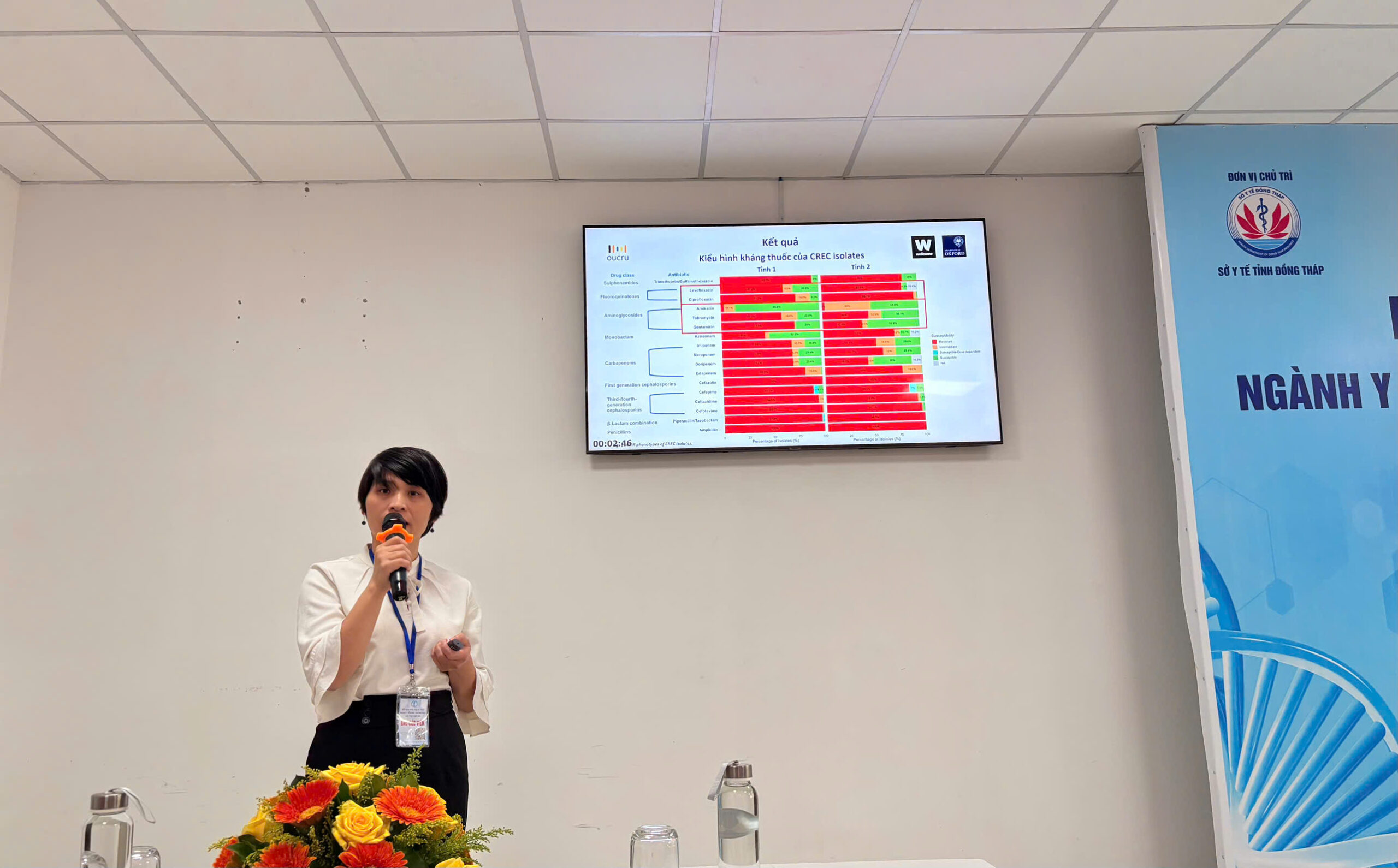
These two presentations are preliminary findings of the project, efforts of the research team to support the sharing of experiences in implementing in-depth scientific research. Beyond these two presentations, other reports derived from the 60HN project were also discussed, including the initiative to integrate the iSHARP platform into the AMS program at Sa Dec General Hospital, and the implementation of cumulative antibiogram reports at Dong Thap General Hospital. Moving forward, further research findings from ASPARNet will be continuously analyzed and published by OUCRU, in collaboration with research personnel from the DoH and hospitals within the network.