


Strengthening One Health Capacity for Streptococcus suis and AMR Surveillance
SOAP-PEx is a regional peer-exchange and capacity-building programme that fosters technology transfer and collaborative learning between the United Kingdom and ASEAN partner countries, including Vietnam, Lao PDR, and Myanmar.
The programme aims to strengthen One Health capacity by harmonizing clinical and laboratory diagnostics for Streptococcus suis, enhancing antimicrobial resistance (AMR) surveillance, and promoting sustainable collaboration among human health, animal health, and research institutions.
The SOAP-PEx programme addresses the growing threat of antimicrobial resistance (AMR) and Streptococcus suis, a leading zoonotic bacterial pathogen in Southeast Asia. Driven by widespread antimicrobial use in livestock, intensive pig farming, and close human–animal interactions, these challenges require stronger regional collaboration. Through a One Health approach, SOAP-PEx strengthens laboratory capacity, surveillance, and knowledge exchange across Vietnam, Lao PDR, and Myanmar to improve the detection, monitoring, and control of zoonotic diseases and AMR.
Key Challenges Addressed
- Limited Laboratory Capacity – Reference laboratories face shortages of standardized protocols, equipment, reagents, and technical expertise, reducing the quality and consistency of diagnostics and AMR testing.
- Fragmented One Health Surveillance – Human and animal health systems often work independently, limiting data sharing, cross-border surveillance, and coordinated responses to zoonotic diseases.
- Limited Evidence for Policy – Insufficient data on the burden, transmission, and resistance patterns of S. suis hinders evidence-based policies for antimicrobial stewardship and disease control.
To strengthen One Health capacity in Southeast Asia by advancing harmonized diagnostics, antimicrobial resistance surveillance, and cross-border collaboration for the prevention and control of Streptococcus suis and other emerging zoonotic threats.
Laboratory workshop: five day workshop
- Fill in the information
Fill in the Agenda
Webinar & Seminar Sessions
- Date & Time: Tue, Sep 22, 2026, 9:00 AM – 11:00 AM
- Core Theme: Policy mapping, Engagement, Ethics, Data governance.
- Speakers: Dr. Vu Thi Lan Huong, Dr. Hnin Thidar.
- Focus: Establishing the foundational principles and legal frameworks for the project. This session covers mapping the current policy landscape, identifying key stakeholders, discussing ethical standards in field research, and developing guidelines for secure and transparent data management.
- Date & Time: Tue, Dec 15, 2026, 9:00 AM – 11:00 AM
- Core Theme: Diagnosis, Social Science, Human-Animal-One Health.
- Speakers: Dr. Ho Dang Trung Nghia, Dr. Vu Thi Lan Huong, Dr. Nguyen Vinh Trung, Dr. Matthew Robinson.
- Focus: Highlighting the interdisciplinary nature of health. Experts will update participants on clinical and non-clinical diagnostic methods, analyze epidemiological challenges through a social science lens, and explore the One Health approach to understanding the interconnectedness of human, animal, and ecosystem health.
- Date & Time: Tue, Feb 23, 2027, 9:00 AM – 11:00 AM
- Core Theme: Qualitative research, GEDSI (Gender Equality, Disability, and Social Inclusion), One Health, Policy Review, Stakeholder Process Planning.
- Speakers: will be announced
- Focus: Centered on methodology, inclusivity, and strategic planning. The session provides guidance on qualitative data analysis, integrating GEDSI factors into research, reviewing current policies, and designing collaborative stakeholder workflows for upcoming phases.
- Date & Time: Tue, May 11, 2027, 9:00 AM – 11:00 AM
- Core Theme: Field project update, From Data to Action, Updates from the Study Group.
- Speakers: will be announced
- Focus: Dedicated to results, lessons learned, and real-world impact. Study groups will report on their progress directly from the field, presenting how collected data is being transformed into concrete policy recommendations and actionable interventions.
To secure your virtual seat and obtain direct access links, presentation slides, and standard operating protocols, fill out the official Forms link below.
Meet the Team
A multinational, multidisciplinary, gender-balanced consortium of experts with deep experience across clinical microbiology, veterinary epidemiology, social sciences, and public health.

Lead Principal Investigator; Head of the Zoonoses Research Group, Oxford University Clinical Research Unit (OUCRU), Vietnam
Assoc. Prof. Dr. Ngo Thi Hoa leads the Zoonoses Research Group at OUCRU, with research focusing on zoonotic diseases, antimicrobial resistance, and One Health. As the Lead Principal Investigator of the SOAP-PEx programme, she provides overall scientific leadership and strategic direction, overseeing project coordination, financial management, monitoring and evaluation (M&E), and the integration of research activities across partner institutions.
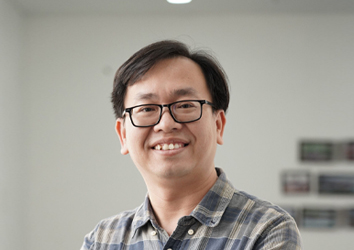
Postdoctoral Scientist, Oxford University Clinical Research Unit (OUCRU), Ho Chi Minh City
Dr. Nguyen Vinh Trung is a veterinary epidemiologist whose research focuses on Streptococcus suis epidemiology, zoonotic transmission, and One Health surveillance. Within the SOAP-PEx programme, he coordinates the implementation of major project activities, facilitates collaboration among regional partners, and supports the integration of veterinary and human health research.

Postdoctoral Scientist, Oxford University Clinical Research Unit (OUCRU), Ho Chi Minh City
Dr. Nguyen Trung Thanh is a molecular microbiologist specializing in molecular diagnostics, PCR assay development, bacterial genomics, and antimicrobial resistance. He coordinates the programme’s laboratory training, workshops, webinars, and project meetings, while providing technical leadership in molecular methods and capacity-building activities across participating institutions.
Consists of experts in molecular diagnostics from the Zoonoses group. The team will provide lectures and hands-on training for MALDI-TOF and PCR techniques.
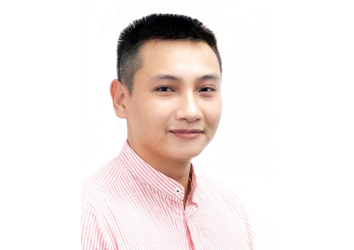
Truong is a bioinformatician in the OUCRU-Zoonoses group whose research focuses on using bioinformatics to investigate the mechanisms of antibiotic resistance, pathogenicity, and genetic relationships of clinically important bacterial pathogens, particularly Streptococcus suis and Streptococcus pneumoniae. Within the SOAP-PEx programme, he serves as a trainer on MALDI-TOF MS

Yen is a molecular microbiologist whose research focuses on zoonotic bacterial pathogens, antimicrobial resistance, pathogenicity, and molecular epidemiology, particularly Streptococcus suis. Within the SOAP-PEx programme, she contributes to laboratory practice training and supports capacity building in molecular diagnostics and pathogen surveillance

Phuc has a research background in bacterial pathogens, with research interests including antibiotic resistance, pathogenicity, and immunity of clinically important bacteria such as Streptococcus suis, Escherichia coli, and Klebsiella pneumoniae. As part of the SOAP-PEX programme, Phuc serves as a trainer, providing practical training on DNA extraction and the detection of S. suis using PCR techniques
Consists of experts in microbiological diagnostics from the Zoonoses group. The team will provide lectures and hands-on activities on sample processing, microbiological culture and antibiotic susceptibility testing.

Vinh has rich experience in clinical microbiology, particularly in the isolation and identification of fastidious bacterial pathogens such as Helicobacter pylori, Bordetella, Campylobacter… and has taken part in several clinical studies at OUCRU. Within the SOAP-PEx program, he participated in advanced practical training on the isolation, culture, identification and antibiotic susceptibility testing of Streptococcus suis from Pig tonsil

Together with the team, he works to improve Microbiology laboratory capacity in nationwide hospitals as well as providing relevant assistance on clinical, and microbiological culture for studies at OUCRU

Huy is responsible for producing all types of Microbial Media for all research laboratory at OUCRU

Linh is involved in research projects on clinical microbiology, antimicrobial resistance, and bacterial identification. My responsibilities include media preparation, SOP maintenance, laboratory activities, and quality control.
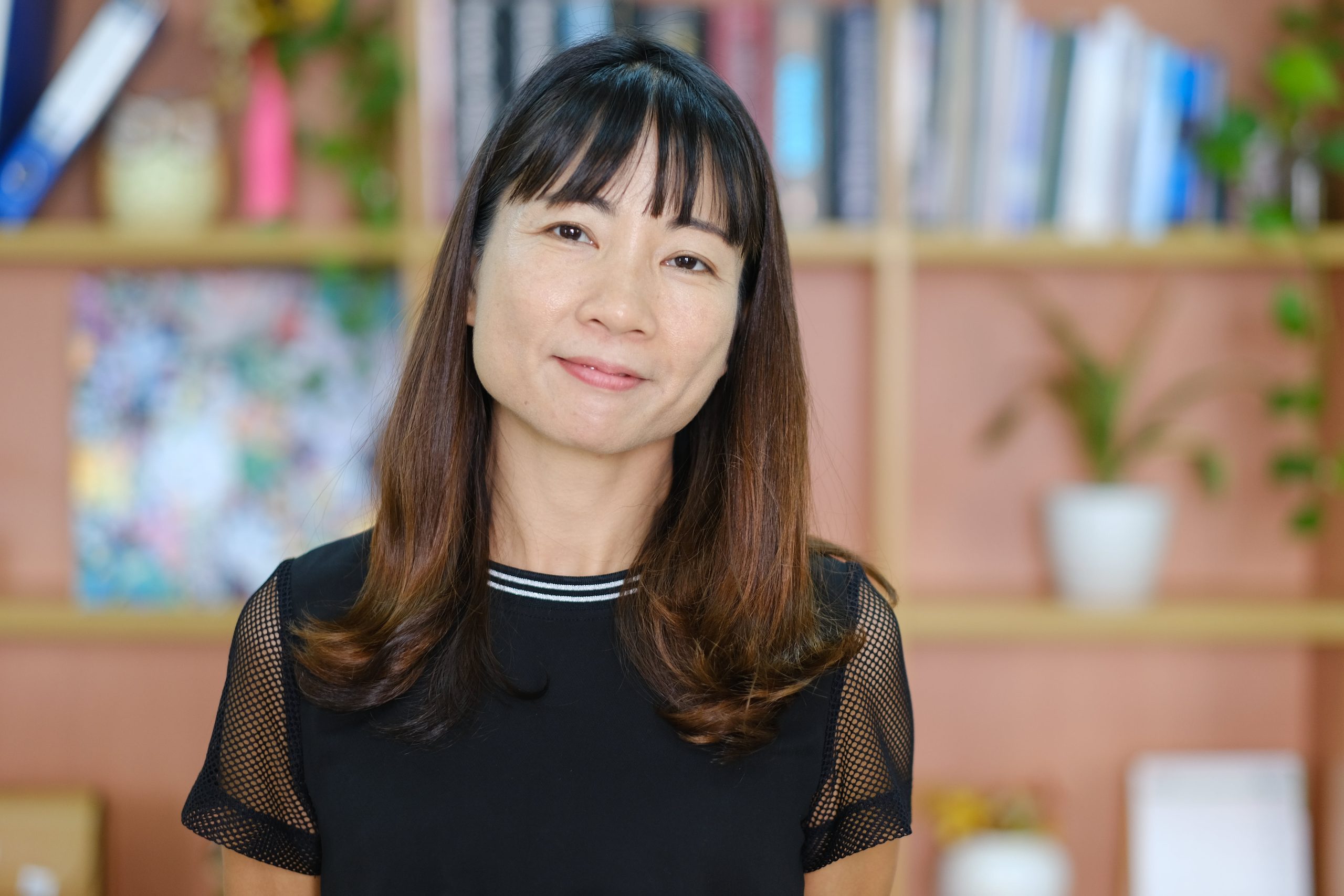
Senior Research Fellow, Oxford University Clinical Research Unit (OUCRU) Ha Noi
Dr. Vũ Thị Lan Hương is a public health researcher specializing in antimicrobial resistance (AMR), antimicrobial stewardship, implementation research, and the evaluation of public health interventions in Asia. Her work integrates epidemiology, behavioural and social science, and health systems research to develop and assess sustainable interventions for AMR control in resource-limited settings. Within the project, she serves as the social science lead, providing expertise on stakeholder engagement, implementation research, and capacity building through workshops and webinar training programmes.
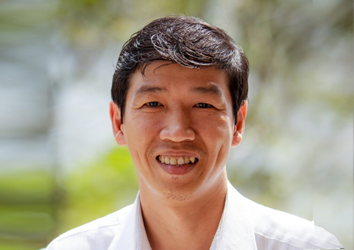
Head of the Infectious Diseases Department, Pham Ngoc Thach University of Medicine (PNTU); Head of the Vietnam–Australia Ward, Hospital for Tropical Diseases (HTD), Vietnam
Dr. Ho Dang Trung Nghia is an infectious diseases physician and academic with extensive experience in the clinical management and research of emerging and zoonotic infectious diseases. Within the project, he serves as a clinical trainer on Streptococcus suis infection, contributing expertise in diagnosis, patient management, and clinical capacity building for the human health sector.
Head of Molecular Bacteriology, Lao-Oxford-Mahosot Hospital-Wellcome Trust Research Unit (LOMWRU), Lao PDR
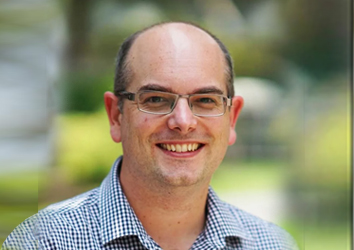
Dr. Matthew Robinson is a molecular microbiologist and One Health researcher specializing in bacterial genomics, antimicrobial resistance, and zoonotic pathogens. He leads project engagement with key stakeholders in Lao PDR, including the National Center for Laboratory and Epidemiology (NCLE) and the National Animal Health Laboratory (NAHL), while contributing molecular epidemiology expertise and supporting integration of clinical and laboratory data across sectors.
Deputy Director General, Livestock Breeding and Veterinary Department (LBVD), Ministry of Agriculture, Livestock and Irrigation, Myanmar
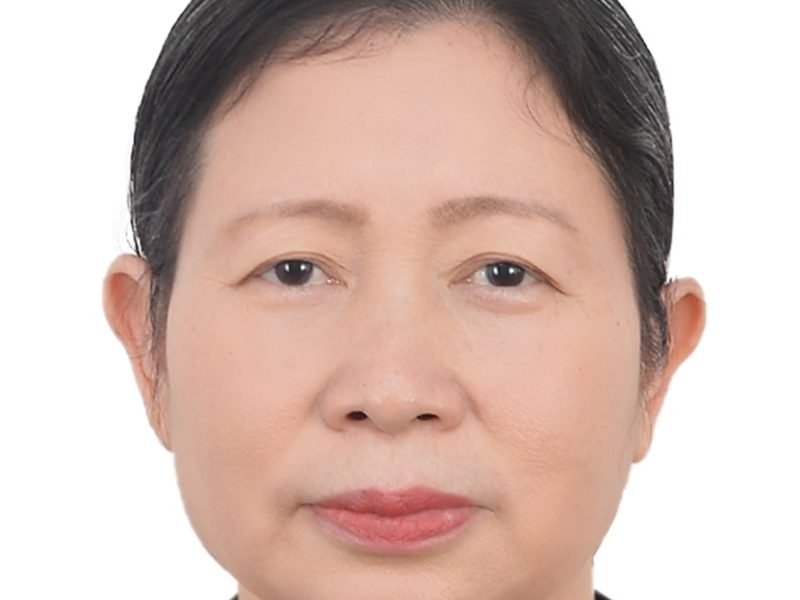
Dr. Hnin Thidar Myint is Deputy Director of the Livestock Breeding and Veterinary Department, where she oversees planning, statistics, and veterinary public health initiatives. She plays a key role in facilitating the translation of project outputs into national policy and practice, strengthening cross-sector collaboration and supporting the implementation of One Health approaches in Myanmar.
News
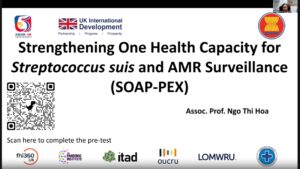
Webinar 1: Building the foundations for ethical and responsible One Health and AMR research
Antimicrobial resistance (AMR) is a complex One Health challenge, connecting human health with animals, agriculture and the environment. Addressing it requires more than generating evidence. Researchers must also consider how data are collected and shared, how participants and communities are protected, and how research can contribute to effective policy and action.
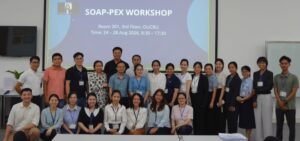
Building One Health Laboratory Capacity through SOAP-PEx
A five-day laboratory workshop under the SOAP-PEx programme brought together researchers and laboratory professionals to strengthen practical skills in diagnosing Streptococcus suis and monitoring antimicrobial resistance (AMR).
Frequently Asked Questions
SOAP-Pex stands for ‘Strengthening One Health Capacity to address Antimicrobial Resistance and S. suis through Peer Exchange’. It is a targeted peer-exchange program funded by the Health Security Partnership (HSP) and co-developed by the University of Oxford Clinical Research Unit (OUCRU), designed to enhance laboratory diagnostic and surveillance capacity in Laos, Myanmar, and Vietnam.
The project focuses on Streptococcus suis (S. suis), an emerging and severe zoonotic pathogen. In humans, it can cause meningitis, permanent hearing loss, sepsis, and high mortality. It is highly prevalent in South East Asia and is closely tied to pig farming and consumption of raw pork products.
More than 70% of global antimicrobials are used in livestock, driving rapid resistance emergence. S. suis strains are showing reduced susceptibility to ceftriaxone (the clinical treatment of choice) and colistin. SOAP-PEX transfers standardized protocols and diagnostic skill sets to monitor and quantify these AMR pathogens in healthy pig populations and human cases.
The collaboration forms a comprehensive South-South-North network consisting of: (1) University of Oxford / OUCRU-Vietnam, (2) Pham Ngoc Thach University of Medicine (PNTU, Vietnam), (3) Lao-Oxford-Mahosot Hospital-Wellcome Trust Research Unit (LOMWRU, Laos), and (4) Livestock Breeding and Veterinary Department (LBVD, Ministry of Agriculture, Livestock and Irrigation, Myanmar).
Yes, absolutely. These virtual sessions are open-access and built for everyone, from students to practicing clinicians and veterinarians, so you do not need to be an expert to follow along and learn.
The webinar series is 100% free of charge. The only requirements are a stable internet connection and a pre-registered seat via our official registration form. Please note that because this is a regional program bridging the UK, Vietnam, Laos, and Myanmar, the primary language used will be English
You will walk away with real-world value. You will gain access to fresh, ground-level data on S. suis transmission and antimicrobial resistance (AMR) trends across Southeast Asia. You will also see how human health, veterinary medicine, and social sciences practically work together to solve global health threats, while getting the chance to engage directly with top-tier international experts from the University of Oxford, OUCRU, LOMWRU, and regional ministries.
While we highly recommend attending the full 4-session series to master the entire One Health framework, it is not mandatory. Each session stands on its own, covering a distinct angle from clinical epidemiology and social sciences to animal microbiology and data governance. If your schedule is tight, you are welcome to join just the specific sessions that match your current work or studies