Each PCE programme takes a different approach, they all contribute to the same goal: creating opportunities for two-way dialogues between researchers and communities.
OUCRU’s Public and Community Engagement team is helping researchers turn complex science into inclusive dialogues, strengthening connections with local communities, especially young people.
To the public, scientific knowledge can be difficult to understand and navigate. Furthermore, opportunities for researchers and communities, especially young people, to interact directly are often limited. Public and community engagement helps bridge that gap. Through a range of collaborative programmes specifically designed for young people, OUCRU’s Public and Community Engagement (PCE) group supports researchers in forming continuous two-way communication and building lasting relationships with future science lovers and advocates.
Building future practitioners, not just participants
The foundation of PCE’s youth engagement work is the Youth Science Ambassadors (YSA) programme. As Youth Science Ambassadors, participants not only receive information about OUCRU’s research but also make our research more accessible and relevant to the young public. Every year, each cohort of approximately seven ambassadors works alongside OUCRU scientists and PCE specialists to design and implement their proposed engagement projects in their own communities.
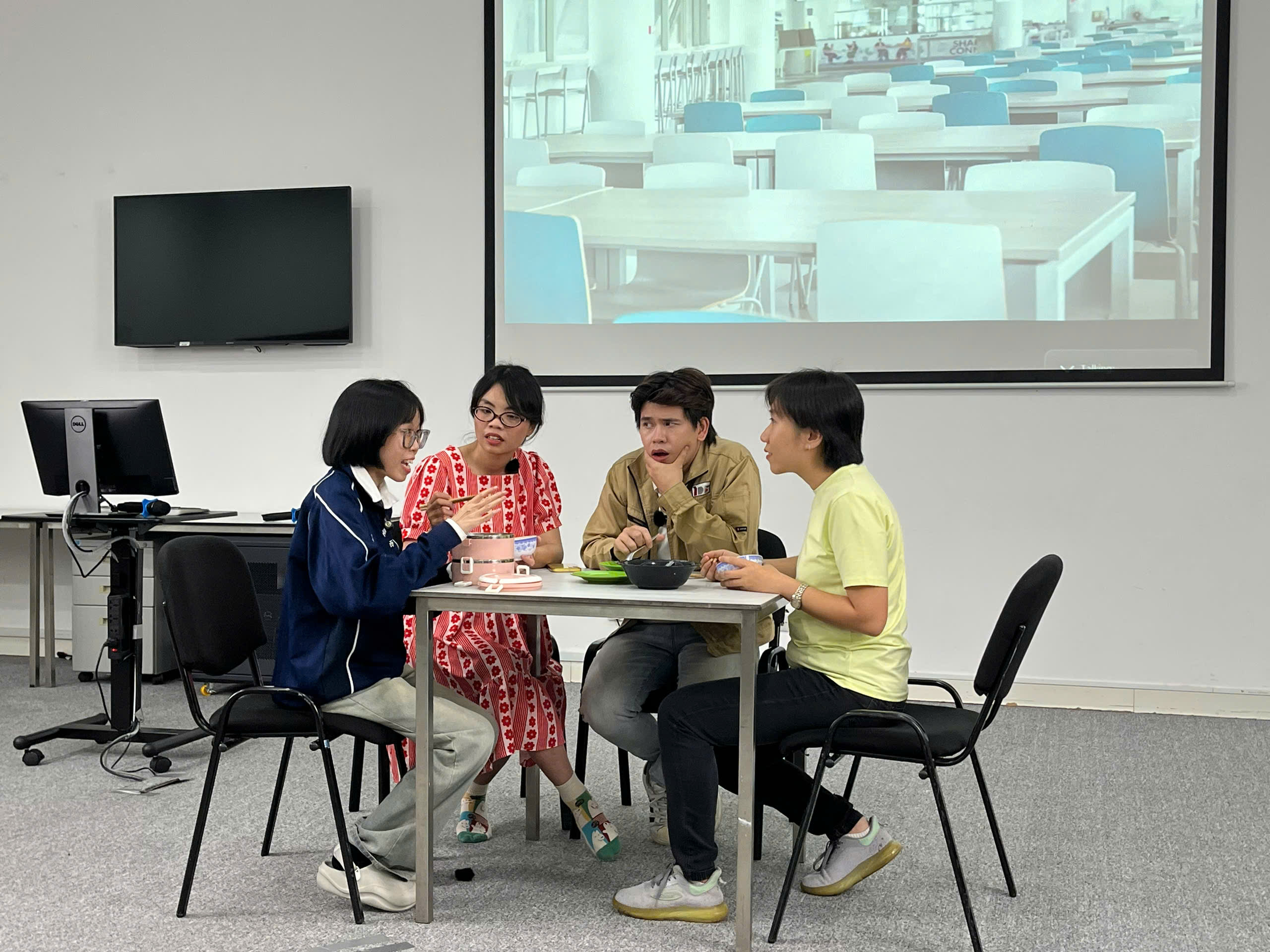
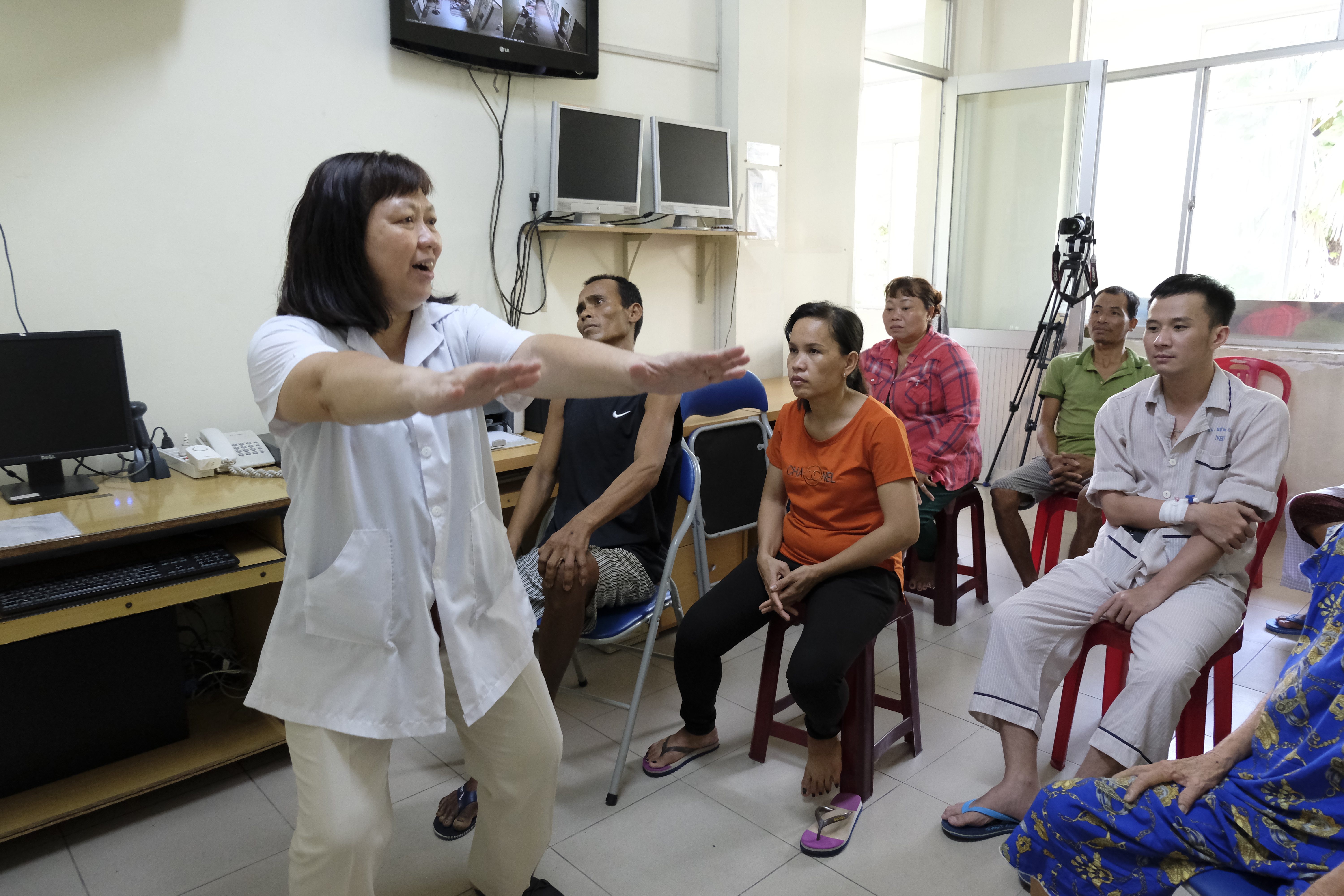
Acknowledging the communication gap surrounding tetanus – one of the deadliest vaccine-preventable diseases – the 2025 YSA cohort developed the ‘Protect Us From Tetanus’ project. Using forum theatre, a participatory approach where audiences become decision-makers within live scenarios, young people translated OUCRU’s evidence on tetanus prevention into a collective, community-led problem-solving experience.
This unique method enables two-way, inclusive communication: the community’s voices and choices visibly shape the narrative, reflecting societal realities to researchers while building the trust and shared understanding that OUCRU’s research mission depends on.
Forum Theatre reminded me that effective communication starts with listening. Watching audiences respond to the performances and hearing their questions highlighted perspectives and misconceptions that we might not encounter in a clinical setting. Those conversations have influenced how I think about explaining health information in ways that resonate with the communities we serve.
Dr. Le Thai Kim Thu, former doctor at Hospital for Tropical Diseases reflects
Turning research into conversations by collaborating with young people
Another highlight of the YSA programme is Collab Lab, a co-creation platform that brings researchers and young people together to transform published research into engaging, animated videos and interactive learning experiences.
Initially born within the YSA programme, Collab Lab now operates independently as a structured science communication initiative that enables meaningful two-way conversations. This process encourages researchers to step outside traditional academic communication and consider how their work is experienced by audiences beyond the scientific community.
What makes Collab Lab unique is that researchers and young people learn from one another throughout the process. Young collaborators challenge researchers to explain complex ideas in ways that are engaging and easy to understand, while researchers ensure the science remains accurate. That collaboration helps turn research into something more accessible without losing its integrity.
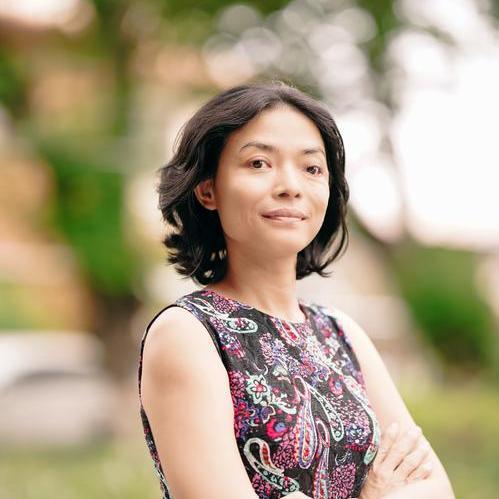
Phan Thị Thanh Thư – Senior Youth Engagement Coordinator, Public and Community Engagement Group
In 2025, Collab Lab produced two animated research summaries and organised a series of workshops in several universities and ‘Meet The Scientists’ events that attracted hundreds of passionate young people online and in Ho Chi Minh City.
Nurturing the next generation of community engagement advocates
Welcoming talents beyond traditional medicine fields, OUCRU Indonesia’s Public and Community Engagement introduces passionate young people to community work while emphasising the importance and the impact of engagement in research.
This year, two interns hosted by the PCE team in Indonesia came from very different backgrounds: political science graduate Andre Doloksaribu and Nibras Azeenshia Winarno, a fresh graduate from Universitas Indonesia majoring in nutrition.
While Andre, with a background and passion for community engagement, discovered how important community participation is throughout the research process, Nibras, a graphic design hobbyist and self-taught illustrator, was initially unsure of how to combine her passion for health with graphic design.
By helping to organise FORUM meetings (Forum Masyarakat untuk Riset Kesehatan), where community members were invited to provide feedback on informed consent documents and ongoing or proposed health research; Andre realised that community feedback offered invaluable perspectives that come from lived experience.
‘Listening to community members made me realise they have concerns researchers might not immediately see,’ Andre reflected. ‘Meaningful change happens when people are involved in decisions that affect their lives.‘
The internship at OUCRU ultimately strengthened Andre’s commitment to continue working in fields that serve and empower local communities.
Meanwhile, as Nibras designed content for PCE’s social media campaigns as well as created hand-drawn illustrations for educational merchandise distributed as far as Papua, she learned that a science background is not the only entry point into health research; passion matters just as much.
‘Community engagement isn’t just about sharing what we’re doing today,’ Nibras shared. ‘It’s about inspiring youth to join the journey and become contributors to research themselves.‘
Different programmes, one shared purpose
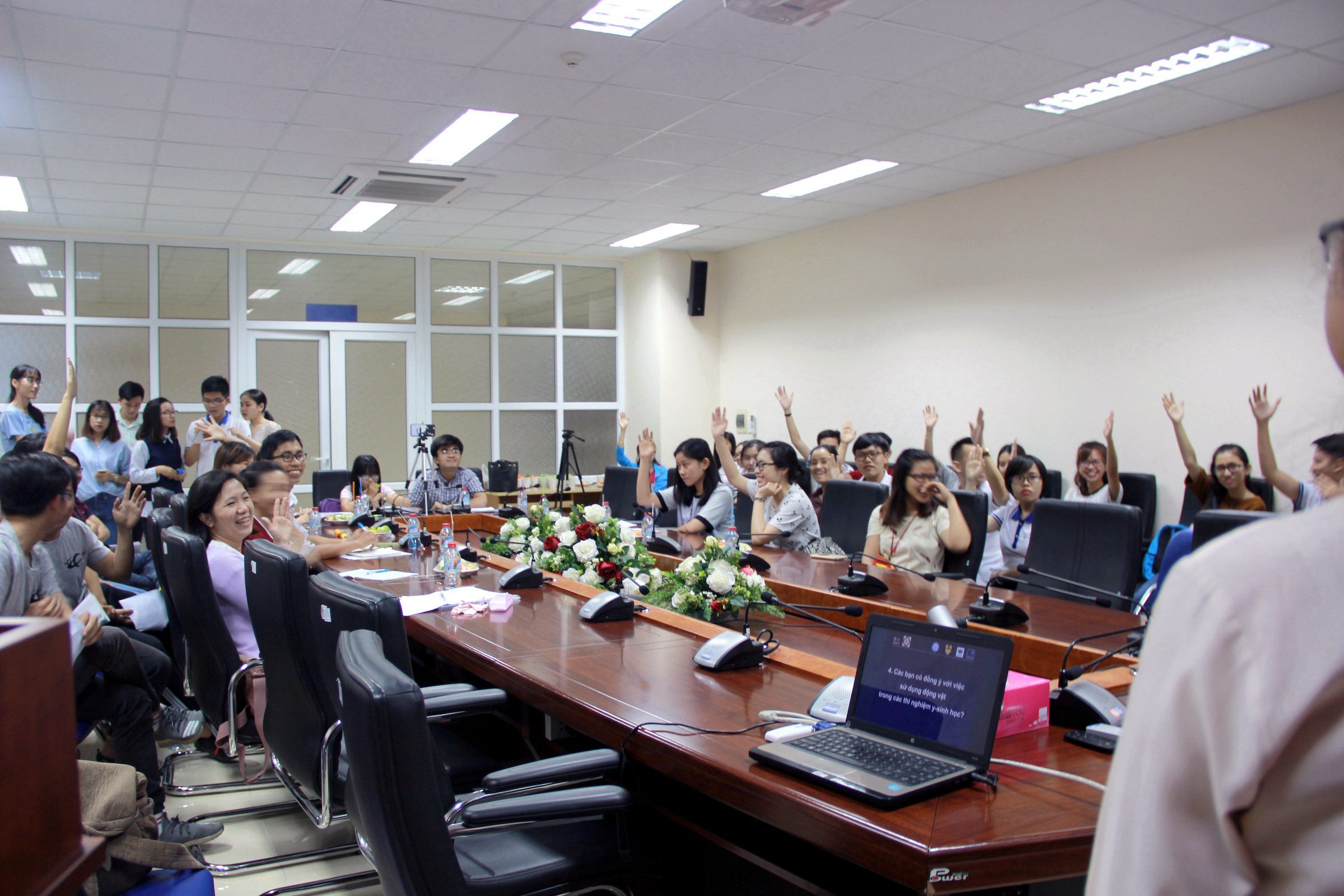
Not every young person is ready to spend several months as an ambassador or commit to a production cohort. PCE team offers programmes featuring short visits to address a different and equally important need: it opens OUCRU’s laboratories to young people who have never encountered biomedical research before, and who may never have considered that a career in science was available to them. These visits demystify research while giving researchers valuable opportunities to explain their work outside academic settings.
As Dương Vân Anh – Scientific Liaison Officer explains, ‘Science Visits allow researchers to step outside the laboratory and talk directly with students about their work. Those conversations make research more approachable, but they also give researchers valuable insight into what young people are curious about and how they interpret scientific concepts. That exchange benefits both sides.’
OUCRU Indonesia’s student engagement activities have taken a different approach. In 2025, OUCRU Indonesia introduced “A Day in the Lab,” a Seed Award-winning science engagement initiative in which laboratory staff and scientists visited schools to spark children’s curiosity about biomedical research. In early 2026, OUCRU Indonesia launched its first Student Visit programme, welcoming junior and senior high school students into its laboratories for an immersive experience of biomedical research, engagement with scientists, and exploration of future opportunities in science.
Moving forward: turning the young community into health advocates
Recognising the essential need to educate young people on growing global health threats such as antimicrobial resistance, OUCRU’s Public and Community Engagement in Indonesia and Hanoi shared the common goal in their activities.
In Jakarta, PAPRA Indonesia, in collaboration with OUCRU Indonesia and Dr. Cipto Mangunkusumo of National Central Public Hospital (RSCM) through the PCE Seed Awards, launched an innovative public engagement project named (AKSELERASI: Indonesian Youth Action in Antimicrobial Resistance Stewardship). The project supported students to co-create AMR education media, including comics and short videos, to raise awareness about the responsible use of antibiotics for young audiences.
Meanwhile, the Hanoi team developed the AMR Ambassador Competition, a school-based engagement activity that would transform secondary school students from passive learners into active health communicators.
Not only focusing solely on knowledge transfer, but both projects also honour the principles of active engagement with the community, enabling students to translate complex scientific concepts into messages that are accessible to their peers and communities.
Stronger and more meaningful connections
Regardless of animation, theatre performance, laboratory visits or community discussions, each activity contributes to a much bigger common goal: Together, they create opportunities for researchers to share their work, hear community perspectives and build relationships that extend beyond individual projects. Most importantly, they help ensure that research remains connected to the people it is designed to benefit.
‘Young people bring fresh perspectives, creativity and a strong understanding of how to communicate with their peers and communities. The researchers-young people collaboration not only strengthens engagement activities but also helps researchers think differently about how they communicate their work.‘ Vũ Thanh Phương, Senior Youth Engagement Coordinator, says.
Although each PCE programme takes a different approach, they all contribute to the same goal: creating opportunities for two-way dialogues between researchers and communities.
‘Building stronger relationships between researchers and communities is an ongoing process. Every conversation, collaboration and engagement activity helps create a deeper understanding on both sides. We want OUCRU’s science to be something that communities can engage with, ask questions about and feel connected to, because those relationships ultimately strengthen both our research and its impact.’
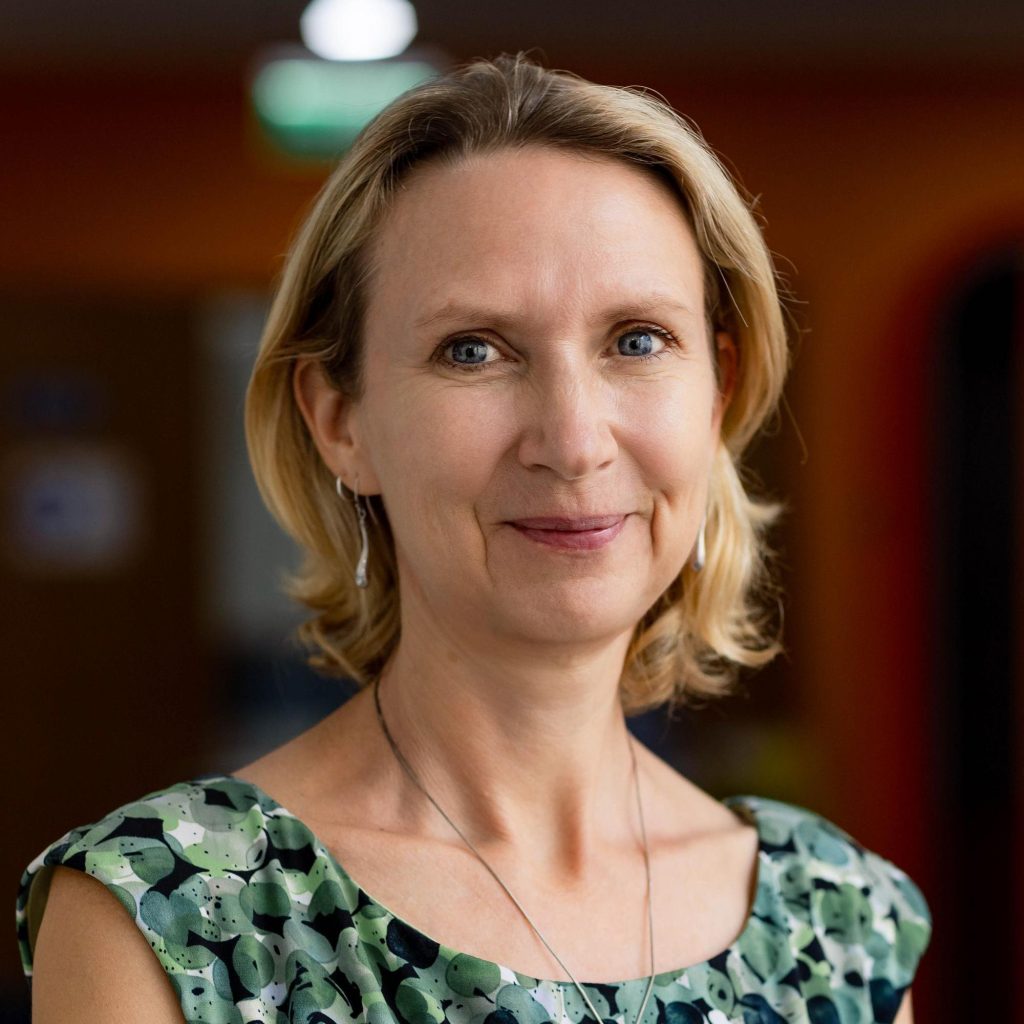
Dr Mary Chambers, Head of Public and Community Engagement Group