ACT South Asia Study is the world’s largest clinical trial on typhoid fever treatment, assessing oral combination therapy versus monotherapy. Conducted from 2020 to 2025, the study has now been analyzed and the results will be published shortly.
Antimicrobial resistance has become a massive problem in tackling typhoid in South Asia. When antimicrobial treatment works, the patient gets better within 4-6 days and is significantly less likely to develop life-threatening complications. In the last 20 years, fluoroquinolones, such as ciprofloxacin, have been successfully used.
However, in South Asia, resistance to ciprofloxacin in typhoid is now widespread. Resistance limits the choice of effective antimicrobials and increases the risk of patients developing severe diseases. Because of these concerns, Salmonella was listed as Priority 2: HIGH on the WHO Priority Pathogens List in 2017.
A current standard regimen recommended by the WHO is a 7-day course of oral antimicrobial azithromycin. Emerging evidence from small studies suggests that a combination of azithromycin and cefixime may achieve a better cure than azithromycin alone. In this trial, we have recruited >1800 patients across multiple sites (Bangladesh, Nepal and Pakistan) in areas of typhoid endesingle-drugused a placebo instead of cefixime in the single drug arm so that neither the patient nor the study team knew which patient was receiving which treatment. Both arms received azithromycin. We aimed to assess whether treatment outcomes were better with the combination of treatment at completion of one week, and again at follow-up one and three months after treatment was started. Both of these antimicrobials are widely used and have an excellent safety profile, but we carefully monitored side effects. This project also includes a health economics component to assess the financial implications for families and the health system.
If the combination treatment is better than the single antibiotic treatment, the involvement of three countries in the study will allow generalization of the results across South Asia and other typhoid endemic areas. Considering the high burden of typhoid fever in this region, even small improvements in the treatment of success will translate into a benefit for many individuals and families and the health system as a whole. For example, a reduction in treatment failures in the 7 million patients with typhoid fever in South Asia from 15 % (with azithromycin alone) to 10 % using the antimicrobial combination, will mean at least 350,000 patients will experience a faster cure, fewer hospital admissions with less financial impact.
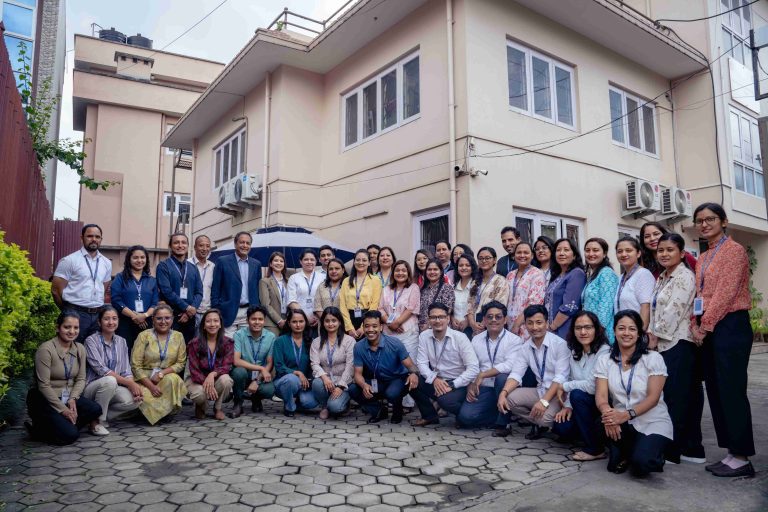
On 23, December 2025, The Oxford University Clinical Research Unit Nepal (OUCRU Nepal) hosted , ACT South Asia Final Dissemination and Networking Meeting