

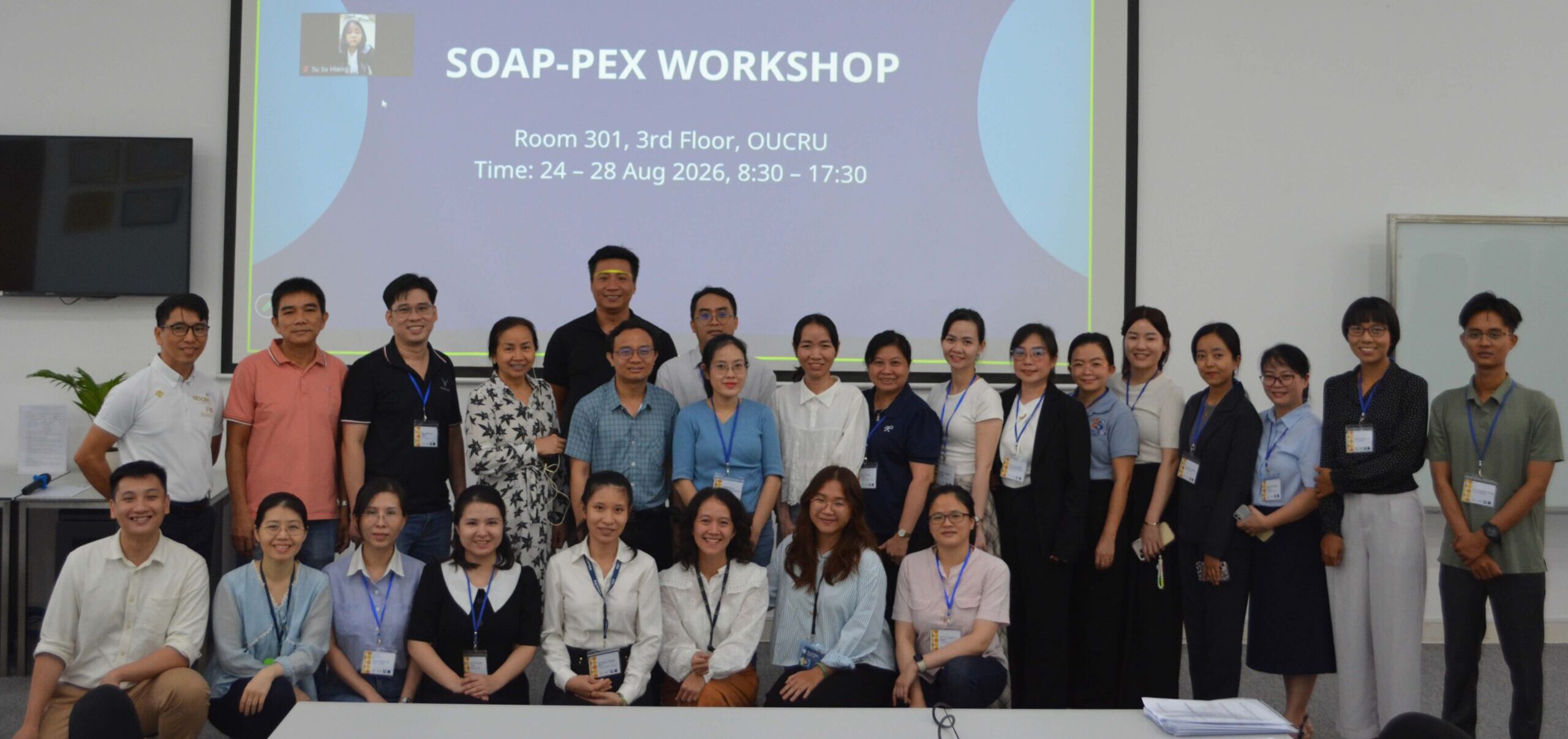
SOAP-PEx is a regional capacity-building programme involving partners from Vietnam, Lao PDR and Myanmar. Led by OUCRU, the programme aims to strengthen laboratory capacity, harmonise diagnostic approaches and promote collaboration across human and animal health sectors.
Streptococcus suis is an important zoonotic pathogen in Southeast Asia. It can cause severe infections in humans, including meningitis and sepsis, while its presence in pig populations and increasing antimicrobial resistance highlight the need for stronger surveillance and laboratory capacity. Through a One Health approach, SOAP-PEx connects expertise across human health, veterinary health and research to address these challenges.
A regional network of laboratory professionals
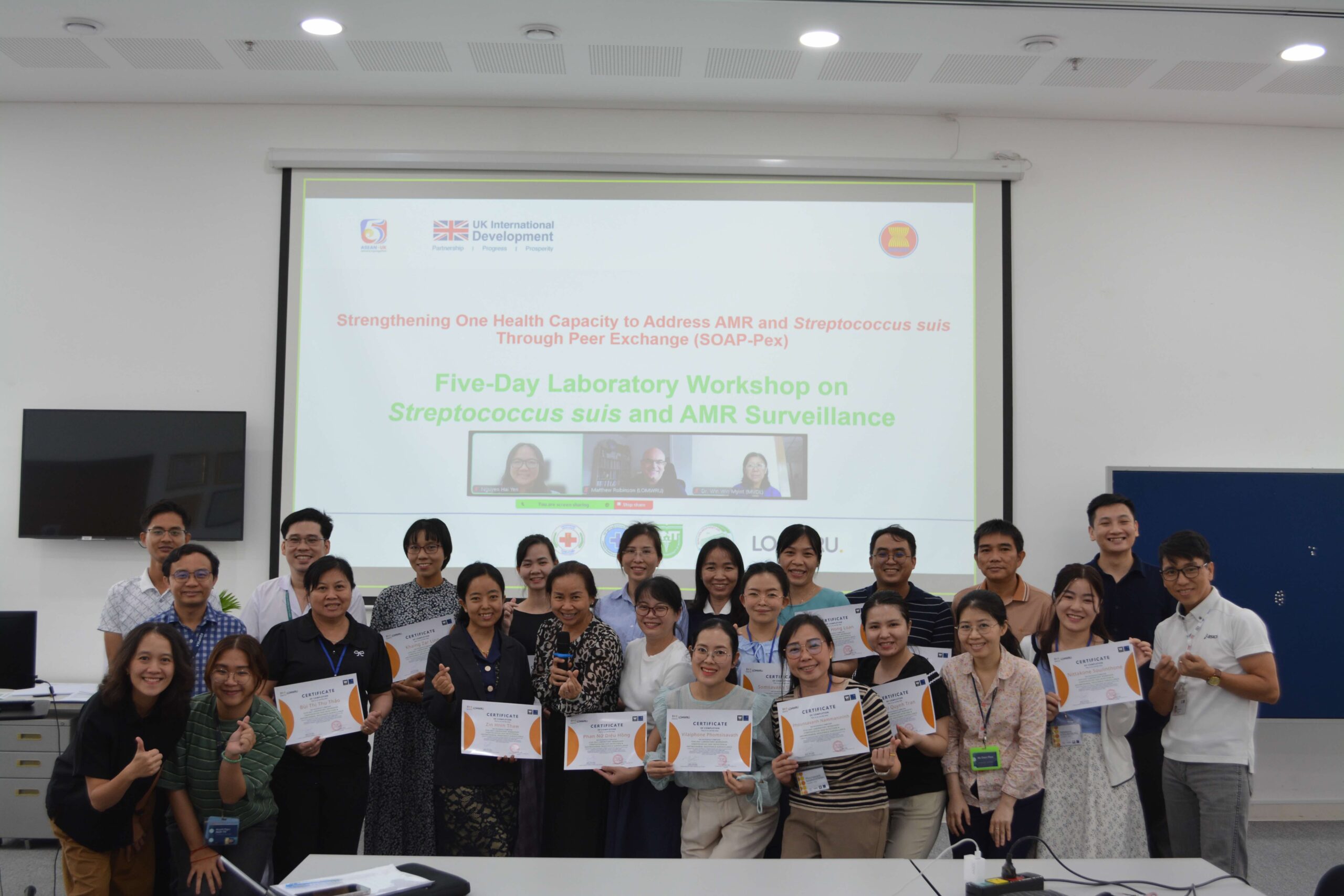
The workshop brought together 19 participants from eight institutions across Lao PDR, Myanmar and Vietnam, creating an opportunity for laboratory professionals from different settings and sectors to exchange knowledge and experience.
Participants represented:
Lao PDR
Lao-Oxford-Mahosot Hospital-Wellcome Trust Research Unit (LOMWRU) — 4
Myanmar
Livestock Breeding and Veterinary Department (LBVD) — 3
Vietnam
- Animal Disease Diagnosis and Treatment Centre — 3
- Hospital for Tropical Diseases, Ho Chi Minh City — 3
- University of Medicine and Pharmacy, Ho Chi Minh City — 2
- Gia Dinh People’s Hospital, Ho Chi Minh City — 2
- Hue Central Hospital — 1
- Dong Thap General Hospital — 1
Together, these participants brought perspectives from clinical, veterinary and laboratory settings, reflecting the cross-sector collaboration needed to tackle Streptococcus suis and antimicrobial resistance through a One Health approach.
From classroom learning to hands-on laboratory practice
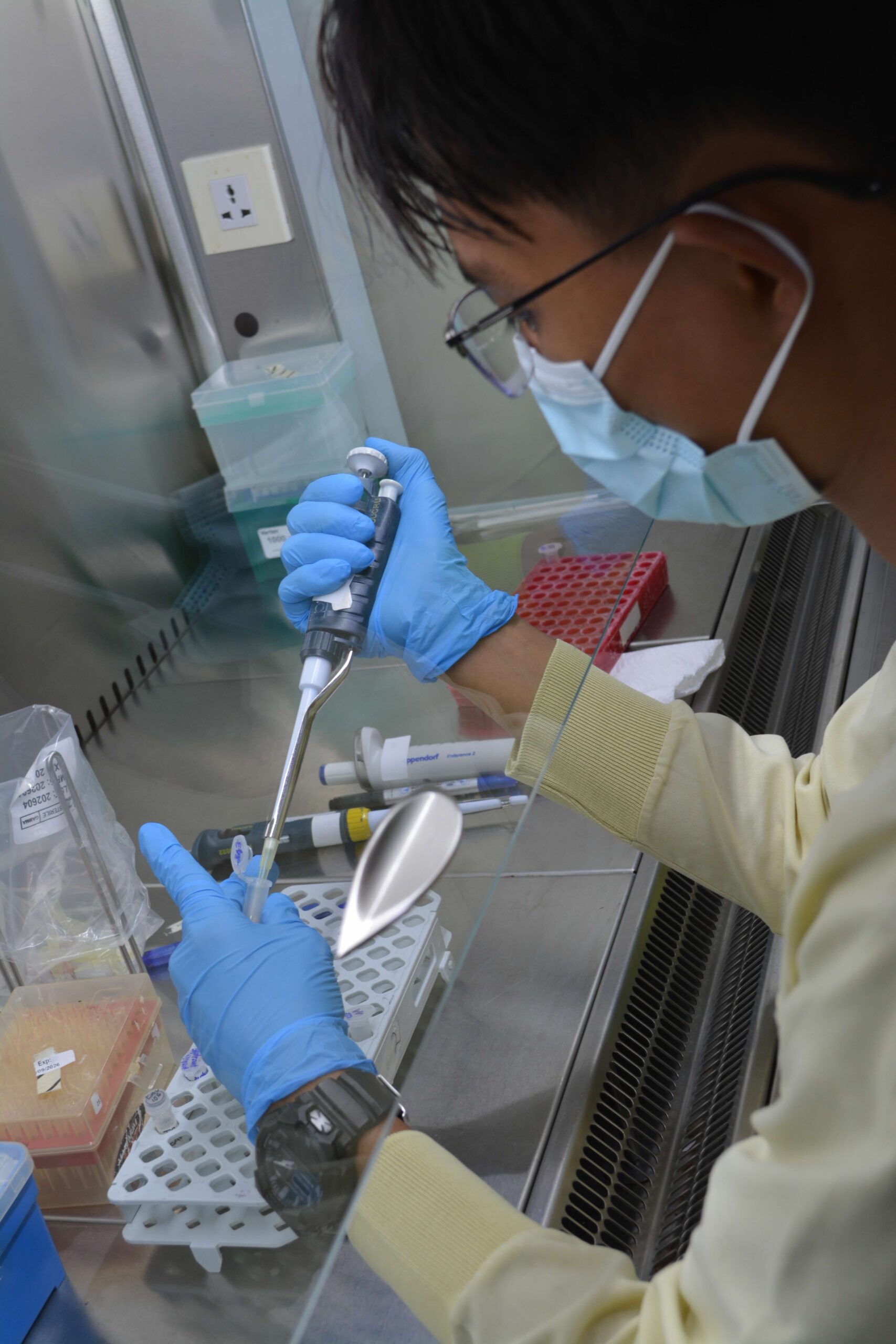
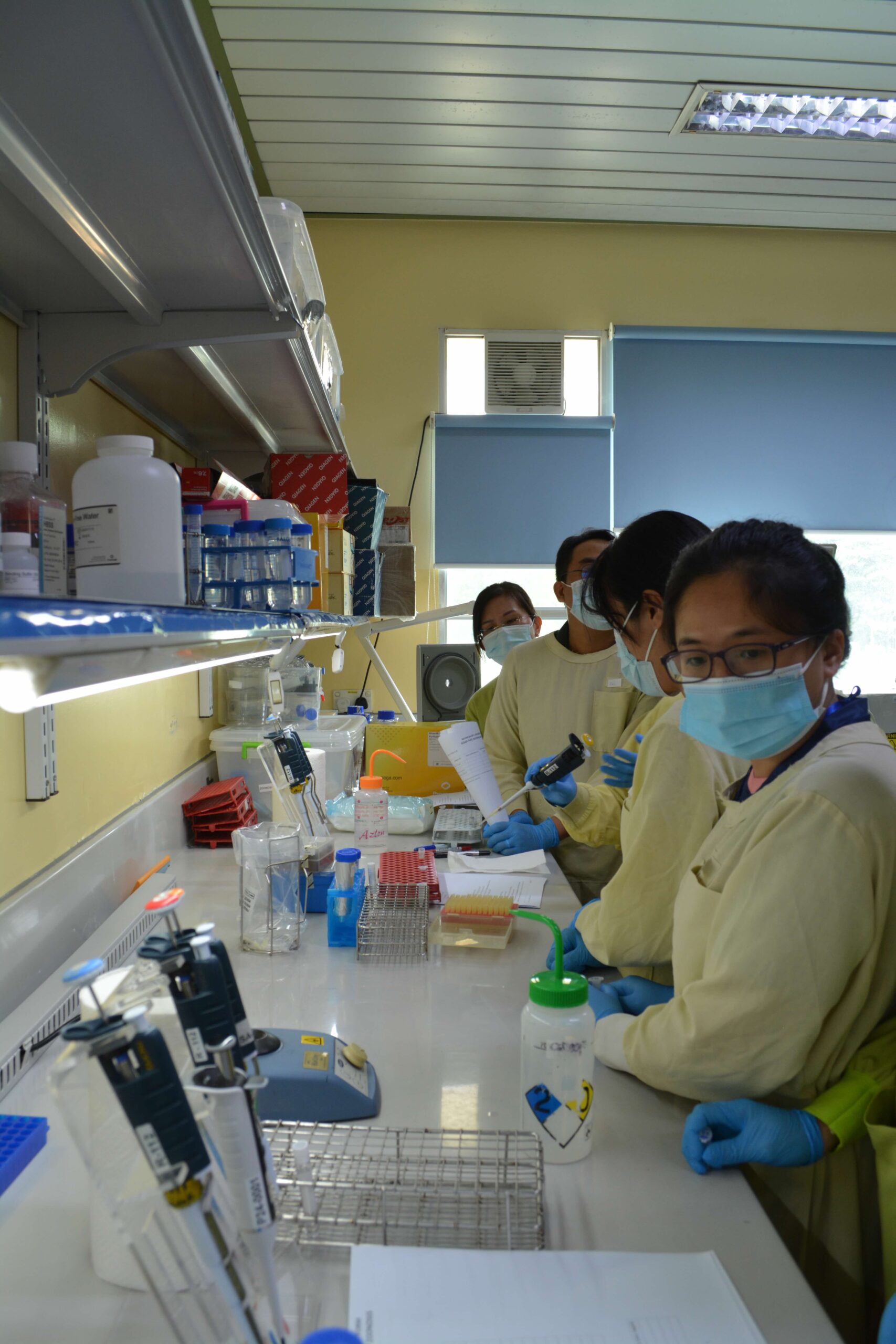
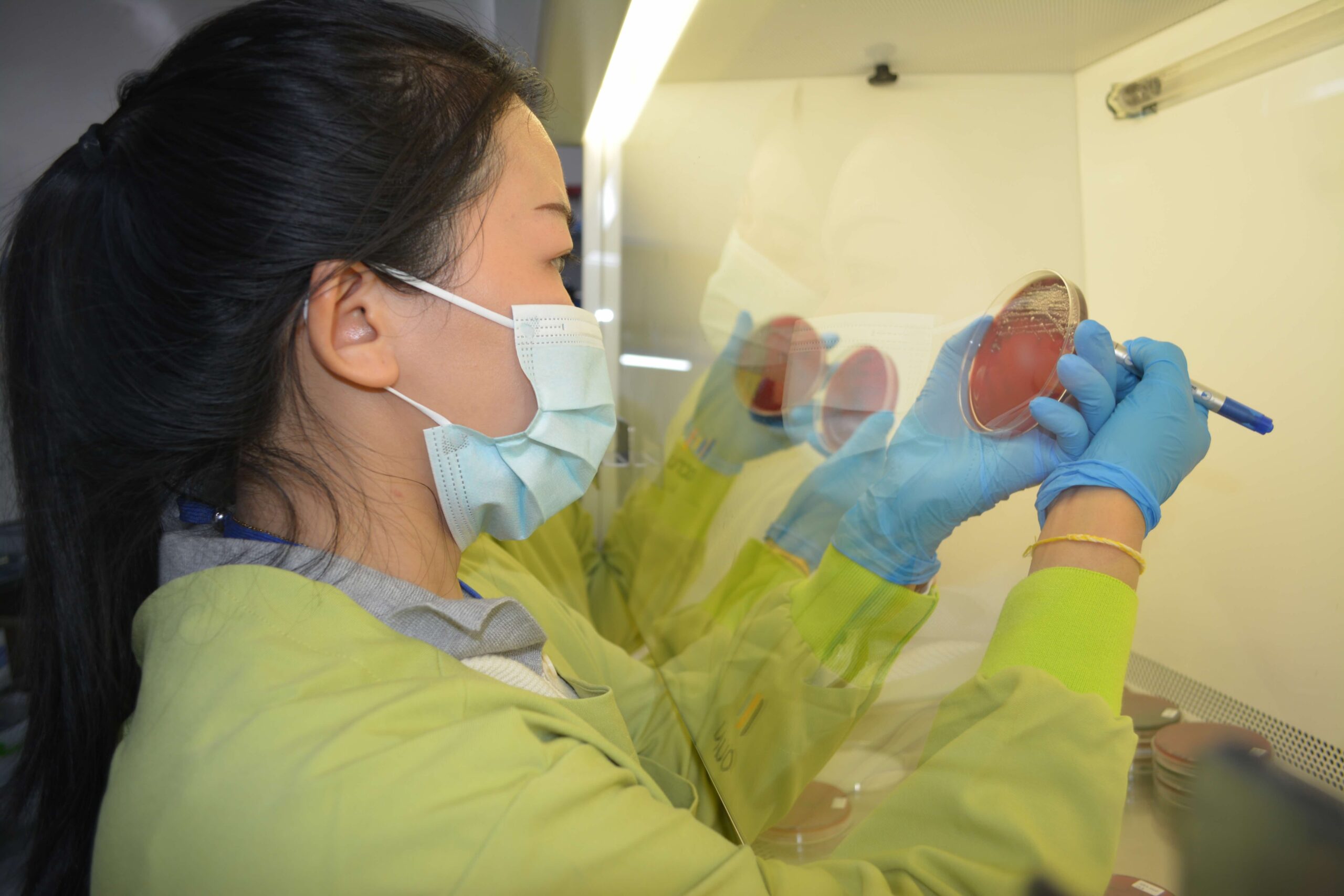
The workshop combined technical presentations with practical laboratory sessions, allowing participants to move beyond theory and apply diagnostic methods directly in the laboratory.
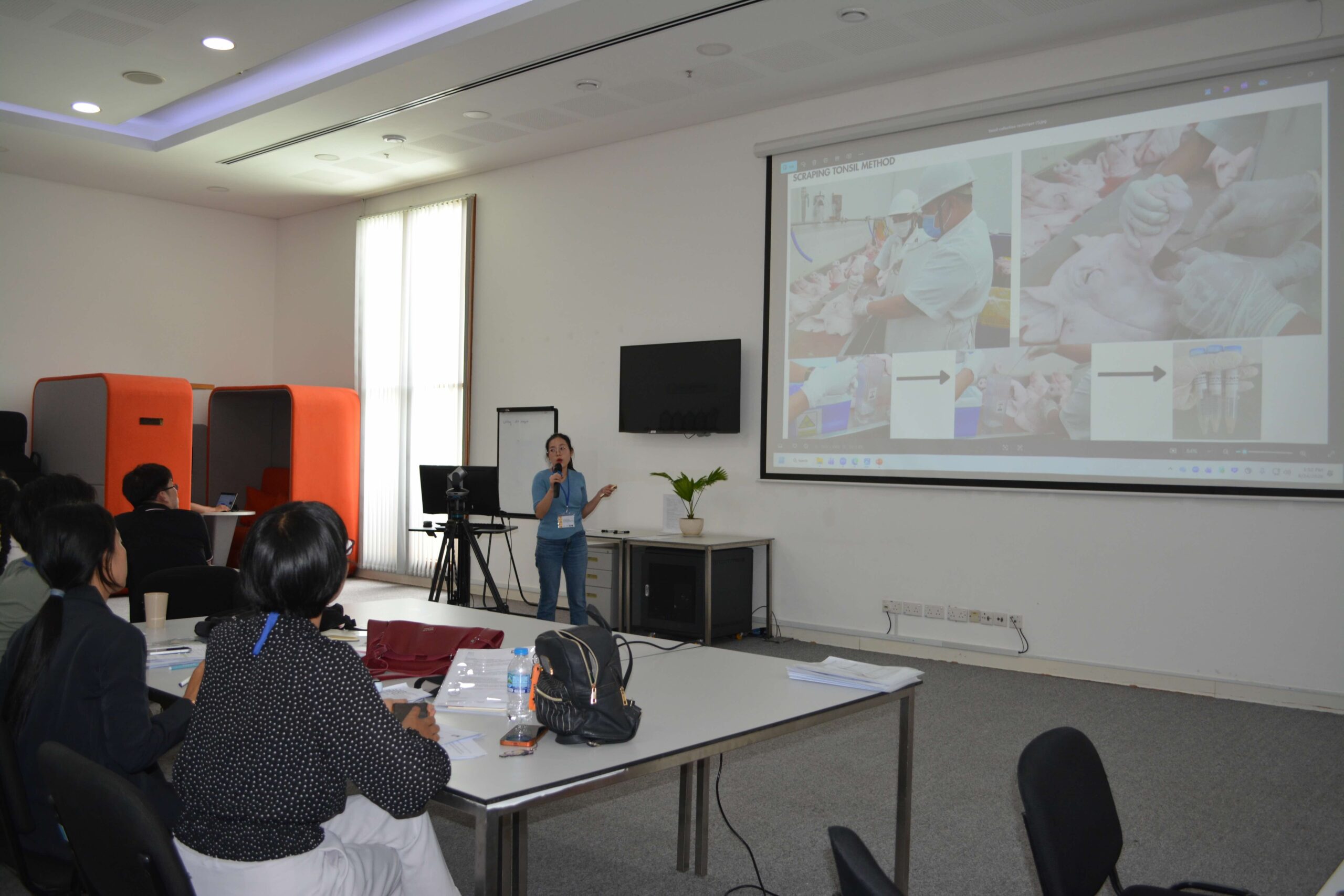
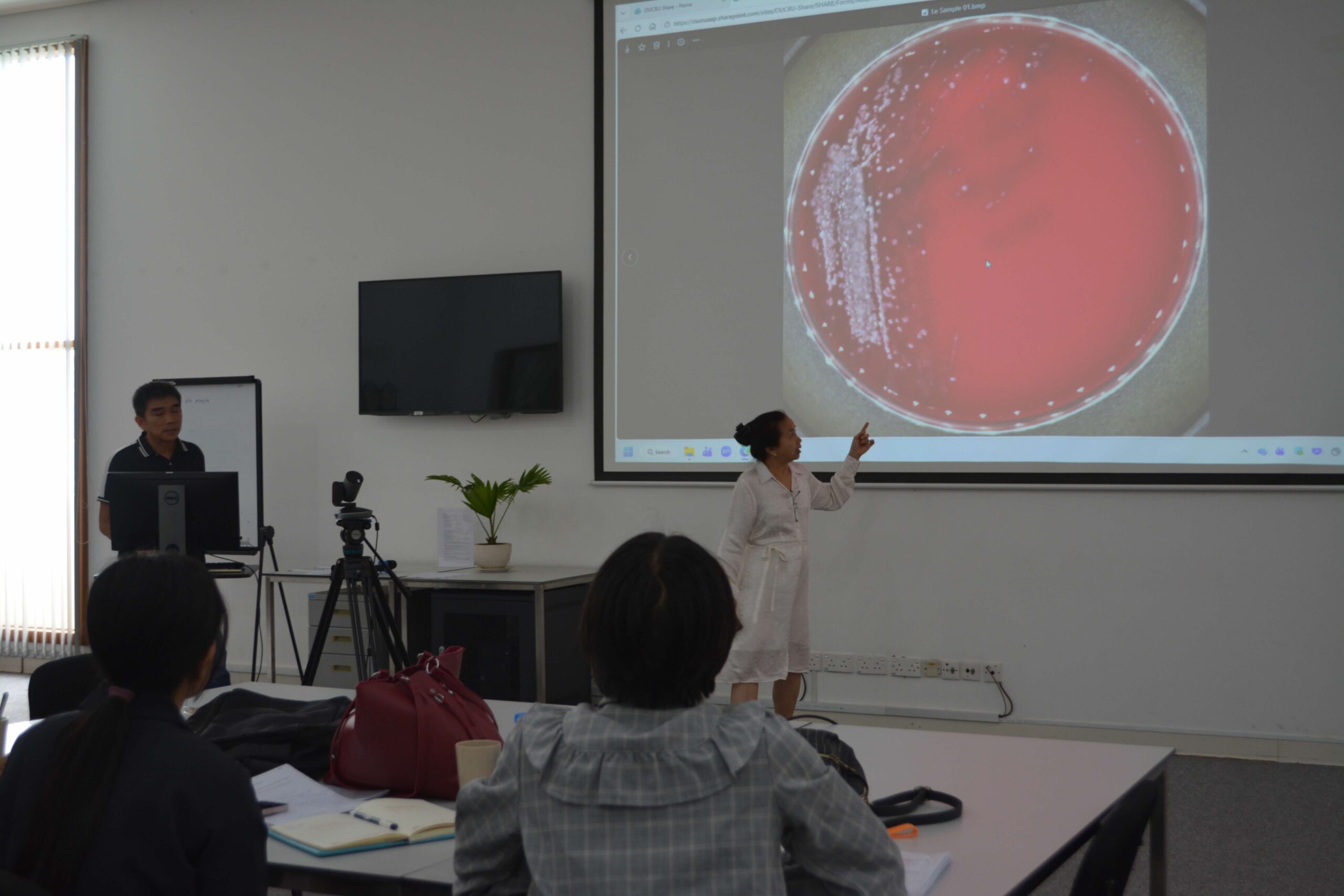
Sessions covered key areas of microbiological and molecular diagnostics, including sample processing, bacterial culture and identification, antimicrobial susceptibility testing, DNA extraction and PCR-based detection of S. suis. Participants also received training on MALDI-TOF MS, strengthening their understanding of both conventional and molecular approaches to bacterial identification.
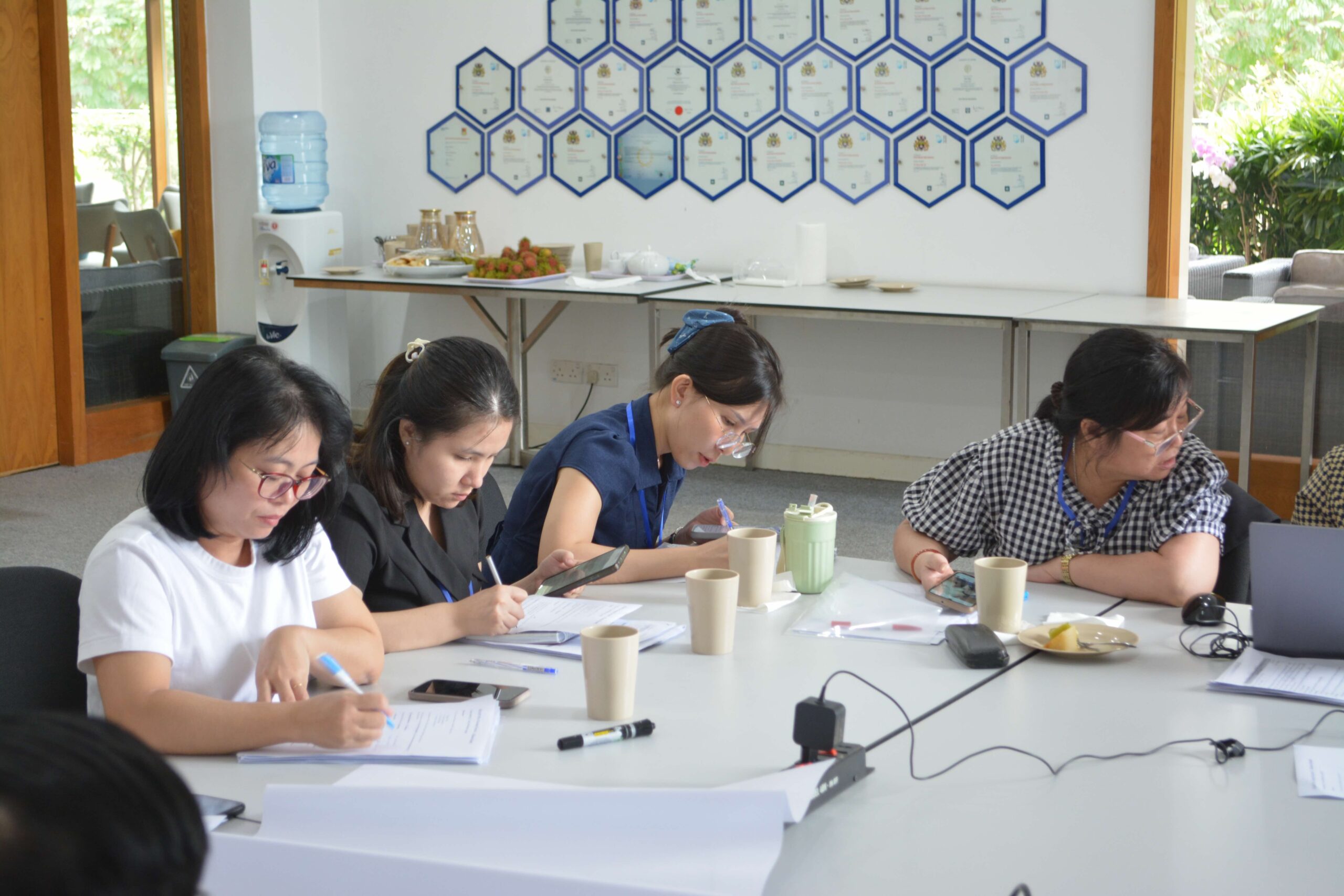
The hands-on sessions provided an opportunity for participants to practise laboratory procedures under the guidance of experienced trainers from OUCRU’s Zoonoses Group. Working through the different steps of sample processing and pathogen detection, participants could discuss technical challenges, compare approaches and learn from one another.
This peer-to-peer element is central to SOAP-PEx. Rather than simply transferring knowledge, the programme creates opportunities for laboratory professionals from different countries and disciplines to learn together and build connections that can support future collaboration.
Strengthening regional capacity for AMR surveillance
Reliable laboratory testing is essential for understanding how S. suis circulates and how antimicrobial resistance is changing across the region. Yet differences in laboratory resources, protocols and technical capacity can make it difficult to generate comparable data.
SOAP-PEx addresses these challenges by promoting harmonised diagnostic methods and strengthening practical laboratory skills across participating countries. These efforts will contribute to better surveillance of S. suis and AMR, while supporting stronger evidence for disease prevention, antimicrobial stewardship and public health policy.
The workshop also reflects the broader One Health vision of SOAP-PEx: bringing together people working across human health, animal health and research to address health threats that cannot be solved by one sector alone.
Taking the learning forward
The workshop concluded with participants receiving certificates recognising their completion of the training. More importantly, the knowledge and practical skills gained during the five days provide a foundation for continued laboratory capacity building and collaboration across the region.
As SOAP-PEx continues with further training, webinars and peer-exchange activities, the programme will build on these connections to strengthen regional expertise in S. suis, AMR and One Health.
Ultimately, the goal is not only to improve what happens in individual laboratories, but to build a stronger regional network capable of detecting, monitoring and responding to emerging zoonotic threats together.