Introduction by Professor Guy Thwaites
This introduction was written in June 2021
Severe Acute Respiratory Syndrome Coronavirus-2 (SARS-CoV-2) and its disease, COVID-19, have caused unprecedented disruption globally since they were first described in China in December 2019.
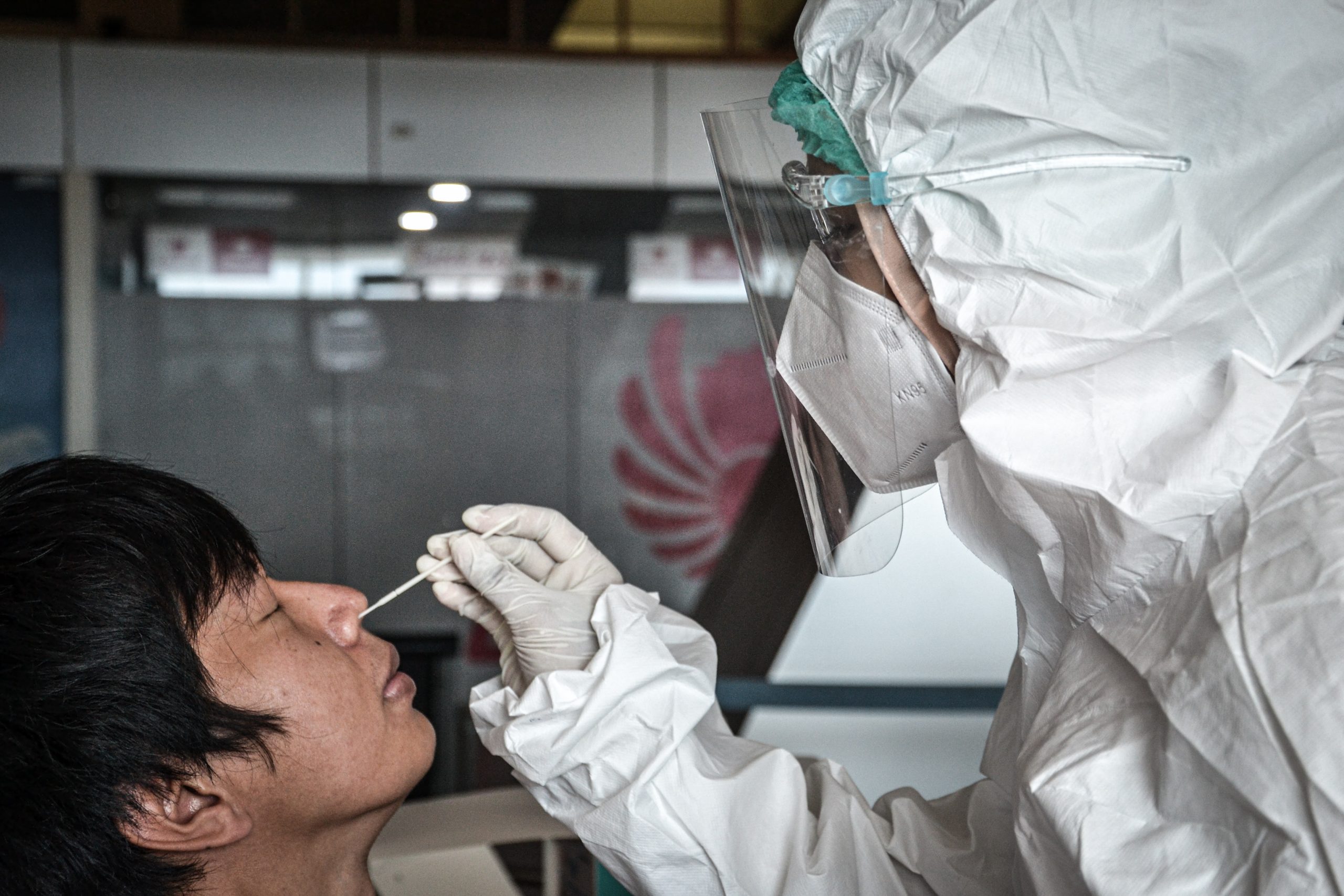
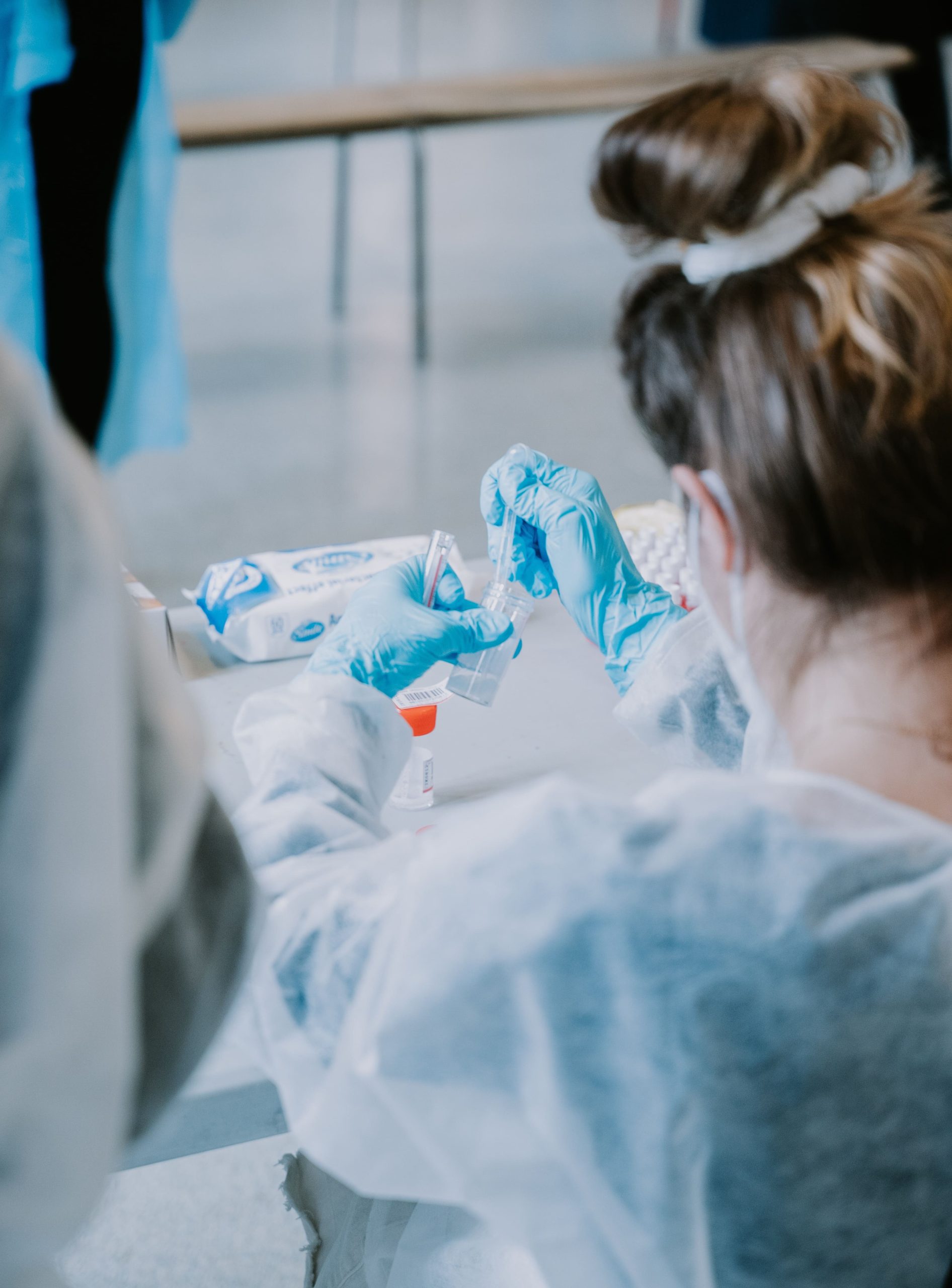
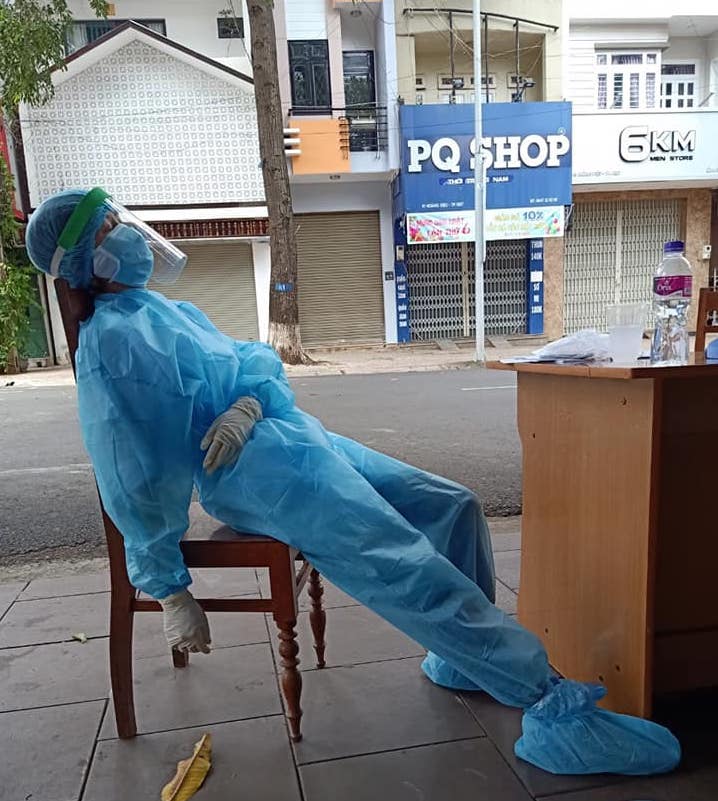
The OUCRU programme has felt the full force of that disruption, with severe lockdowns and waves of infection experienced repeatedly over the last 24 months in Viet Nam, Indonesia and Nepal. However, alongside the disruption has come opportunity, particularly the opportunity to conduct research that helps us understand the medical and social impact of the pandemic and improve the ways we control and treat the virus.
The virus has brought the entire OUCRU Programme together. We have supported one another through many difficult periods when the virus seemed to threaten every aspect of our life and work, and we have found new ways to communicate and collaborate. The consequent research has been remarkable, not least because its conception and conduct has been in some of the most difficult circumstances any of us have ever experienced. We have addressed almost every important aspect of the pandemic, from its societal impact to viral genomic surveillance and COVID-19 therapy. Our work has fostered new collaborations with respective governments and their institutions that have ensured our research is relevant and impactful. These collaborations will have a lasting effect on OUCRU’s standing and future work within the region.
As we update OUCRU’s COVID-19 response in early 2022, much has changed in the last 6 months. The large and devastating waves of the Delta variant have passed, but the Omicron variant is now on the ascendency in Asia. The problems this new variant will cause will be dependent upon the levels of population immunity that it confronts. There are grounds for cautious optimism: Indonesia is well-vaccinated, and Viet Nam has gone from low to very high vaccine coverage in 6 months of extraordinary effort (with >1 million vaccines given a day at times). Nepal seems to have gone through a recent omicron wave with low numbers in hospitals and relatively few deaths.