Covid-19

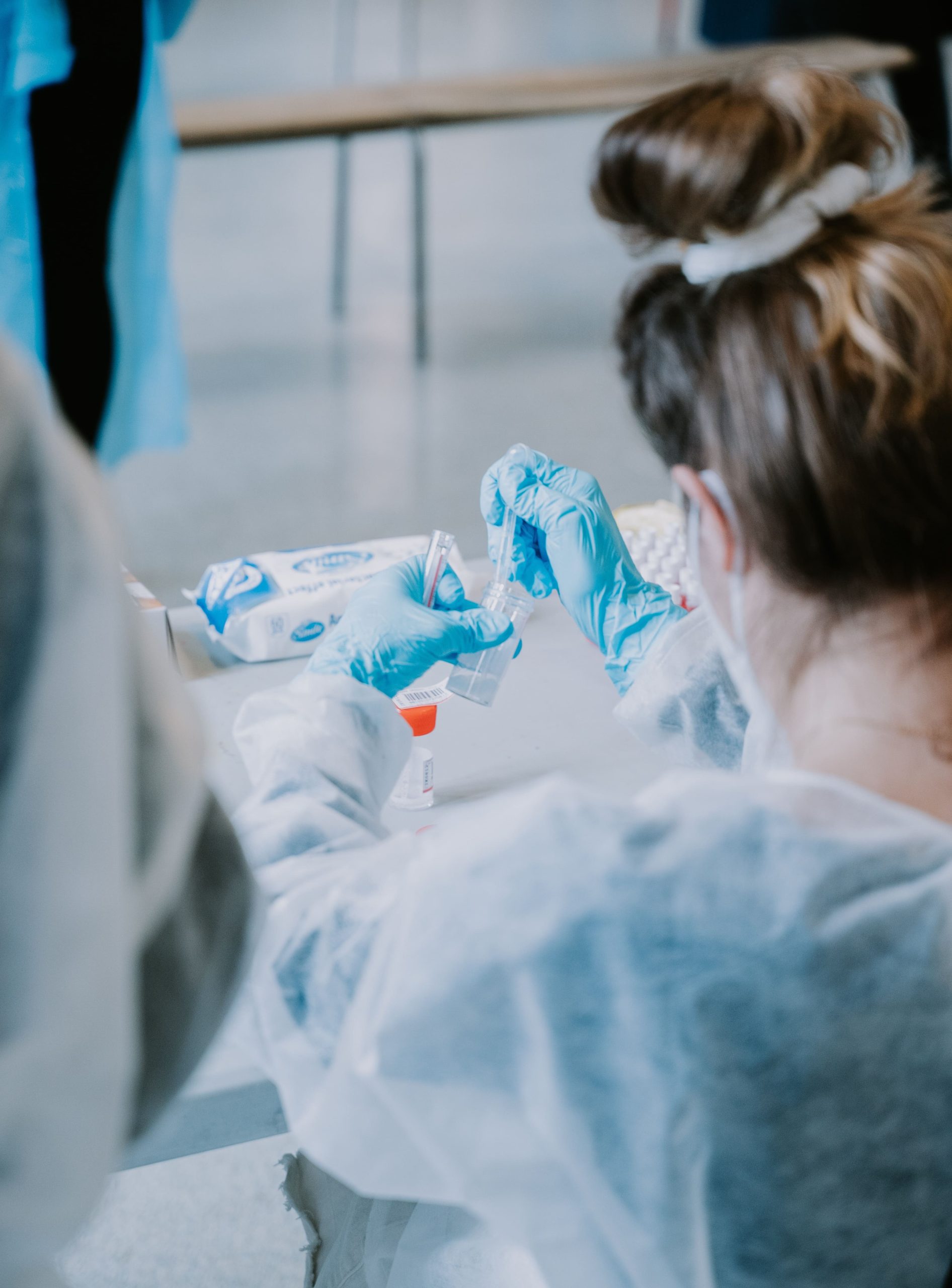
Our Covid-19 research programme is constantly evolving. Below is a snapshot of our research projects.

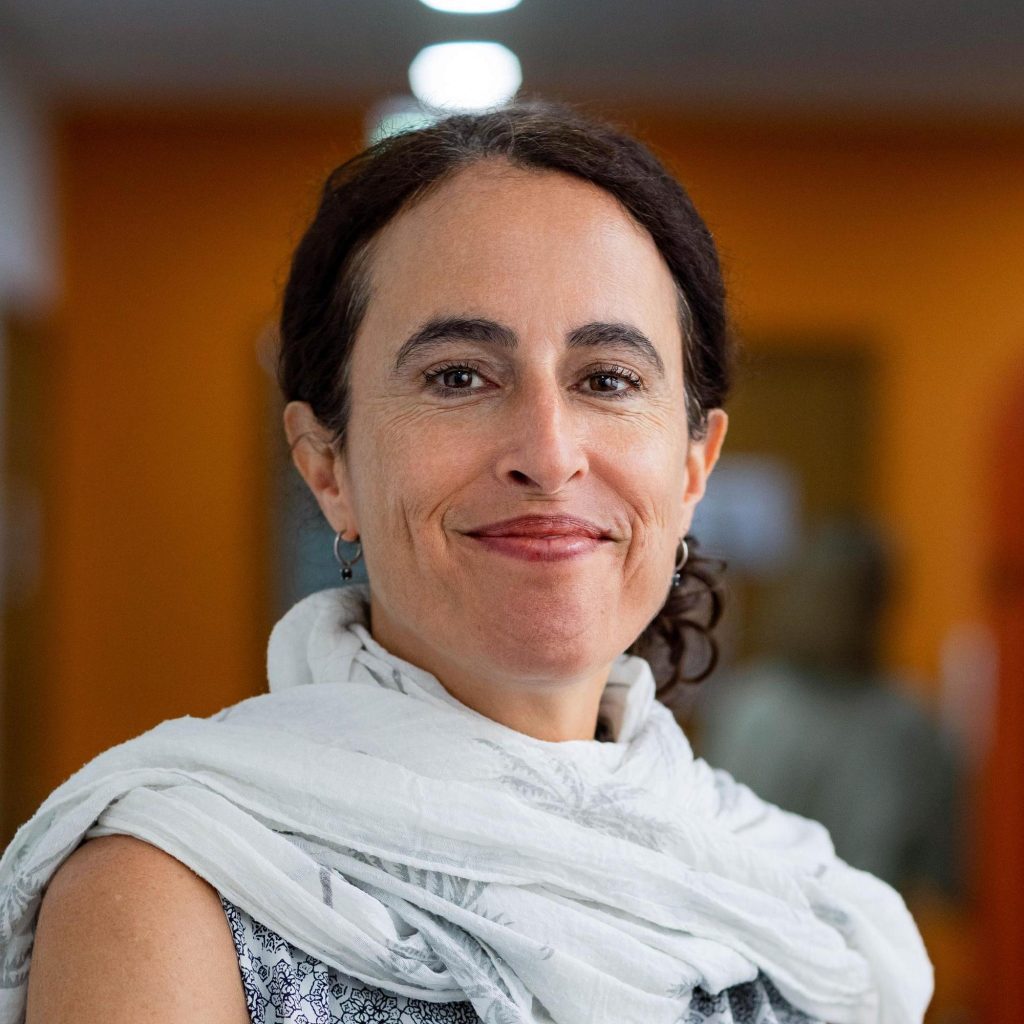
Introduction by Professor Guy Thwaites

This introduction was written in June 2021 

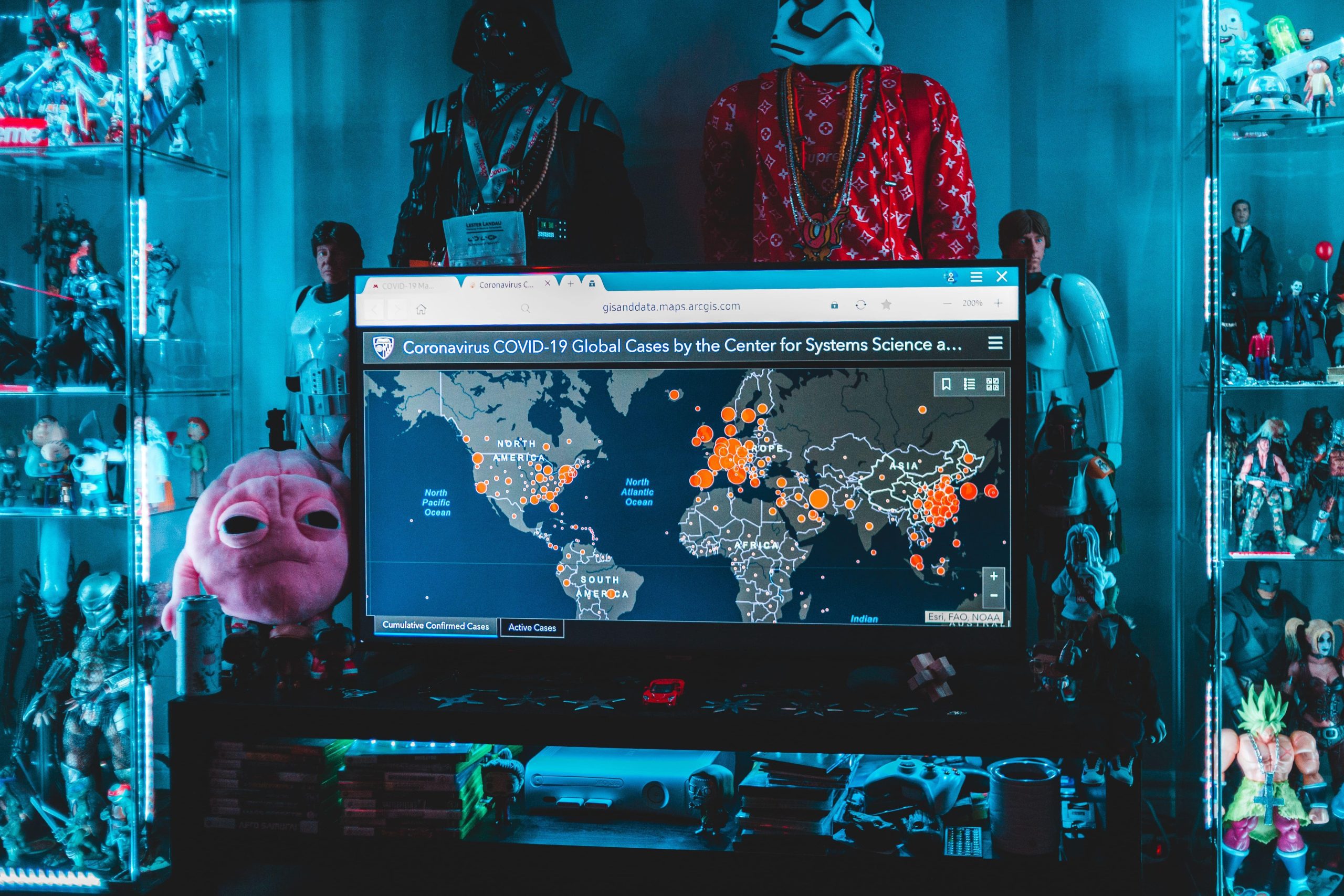
Severe Acute Respiratory Syndrome Coronavirus-2 (SARS-CoV-2) and its disease, COVID-19, have caused unprecedented disruption globally since they were first described in China in December 2019.

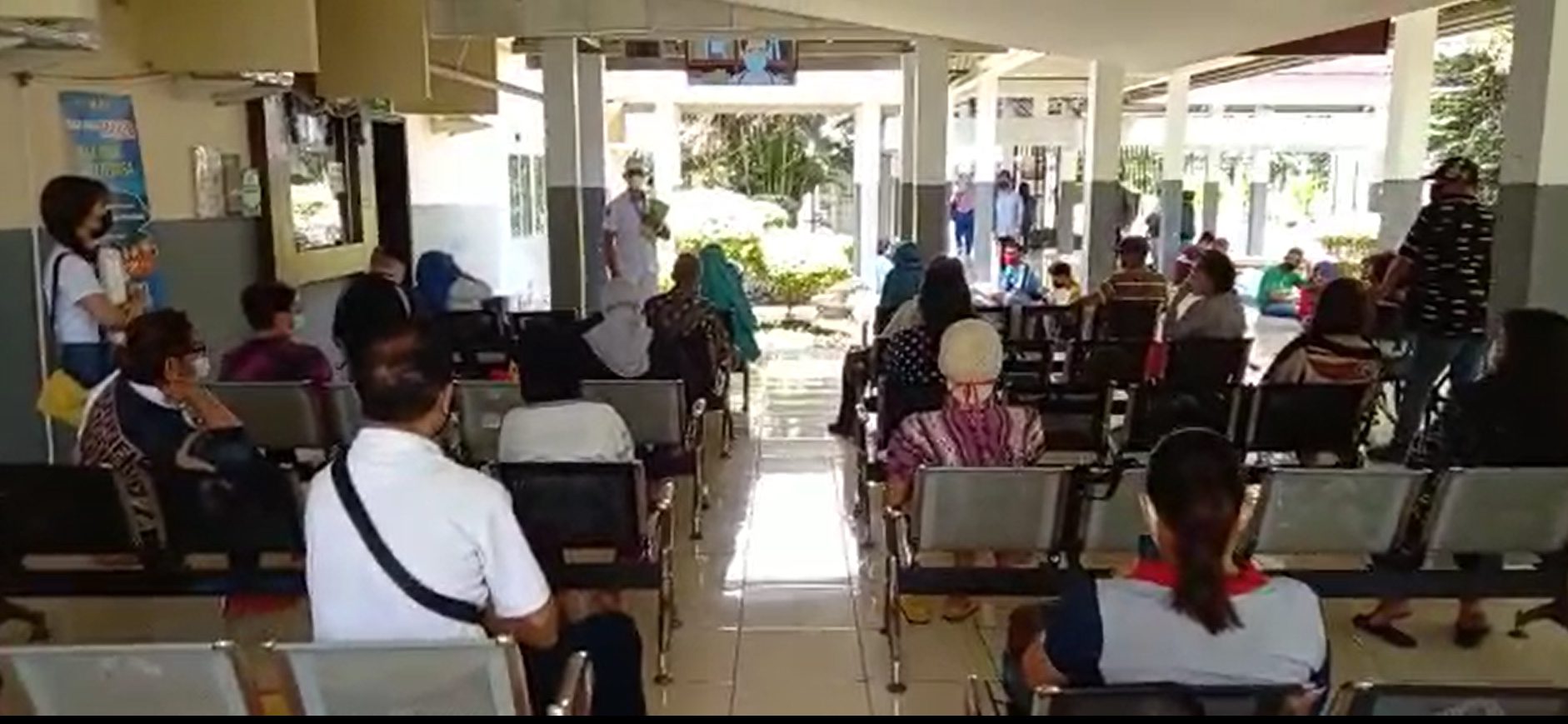
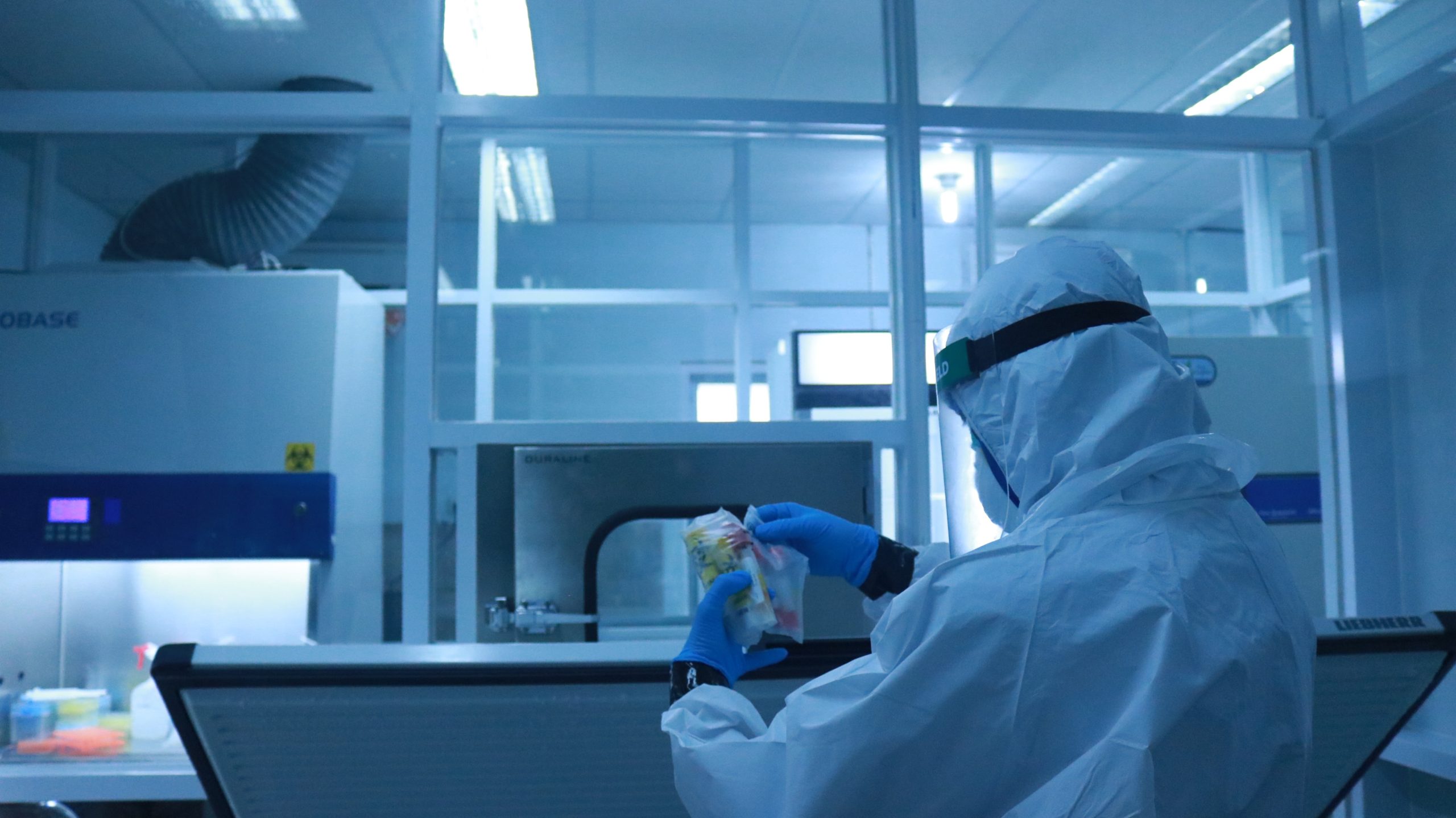
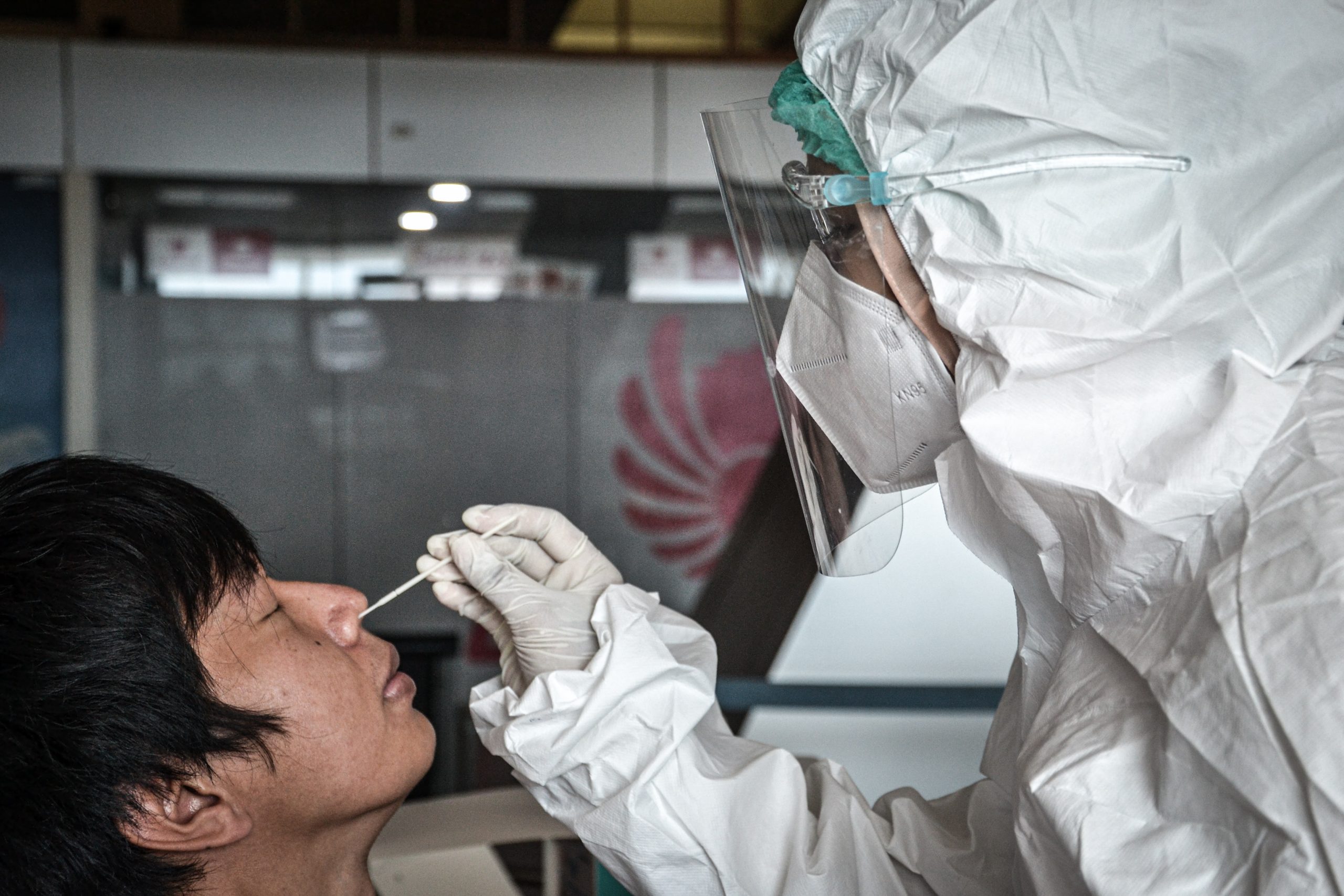
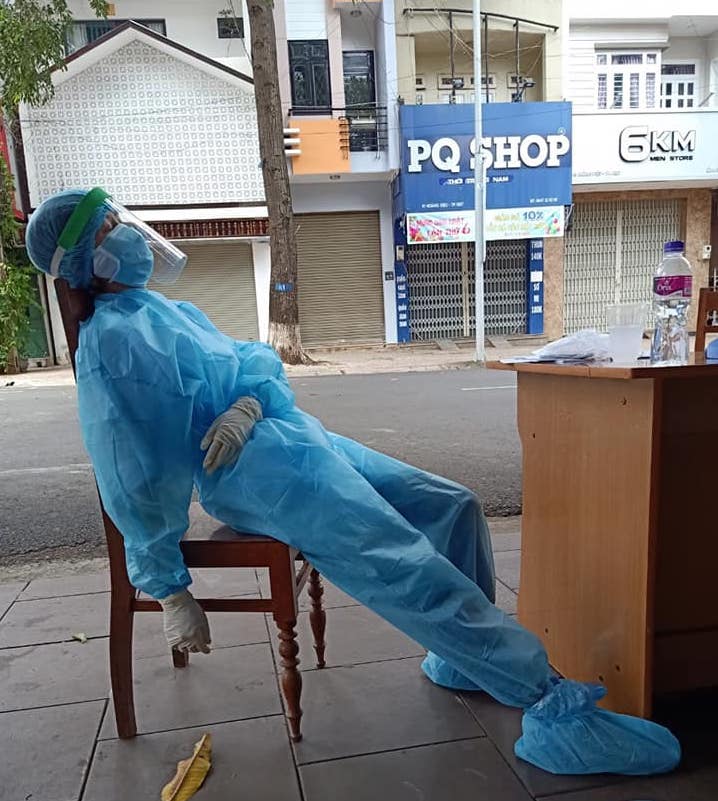
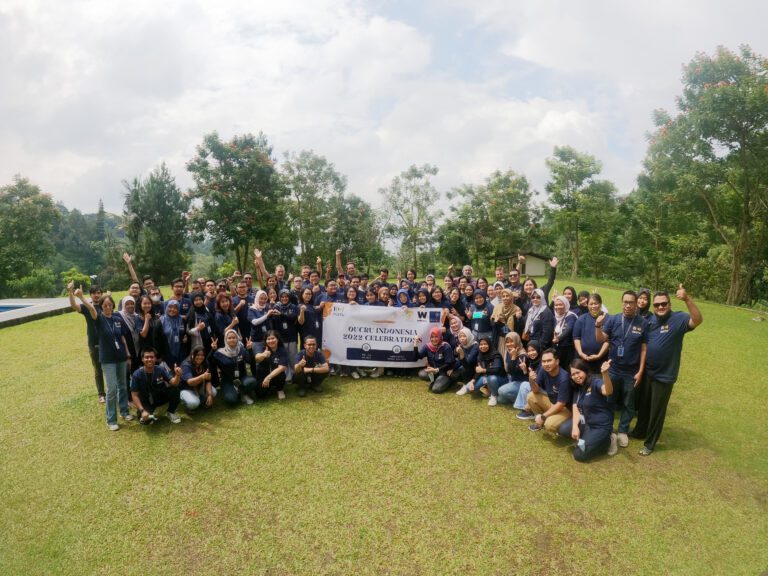
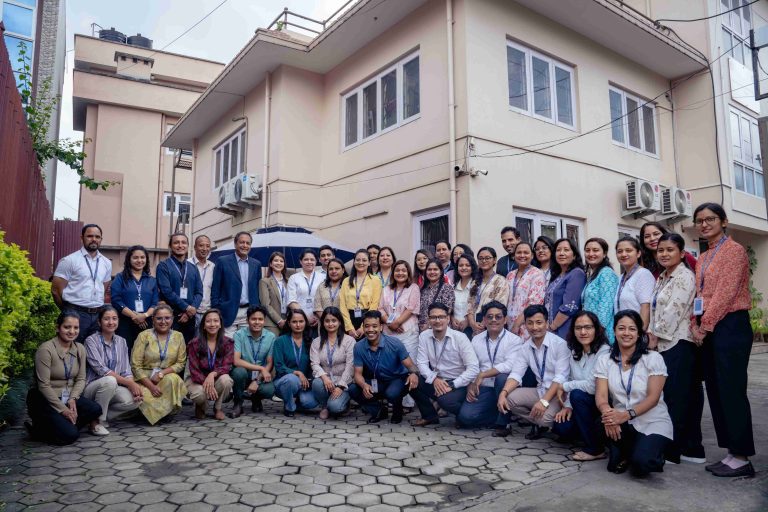
The OUCRU programme has felt the full force of that disruption, with severe lockdowns and waves of infection experienced repeatedly over the last 24 months in Viet Nam, Indonesia and Nepal. However, alongside the disruption has come opportunity, particularly the opportunity to conduct research that helps us understand the medical and social impact of the pandemic and improve the ways we control and treat the virus.

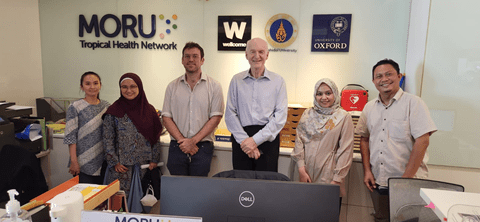
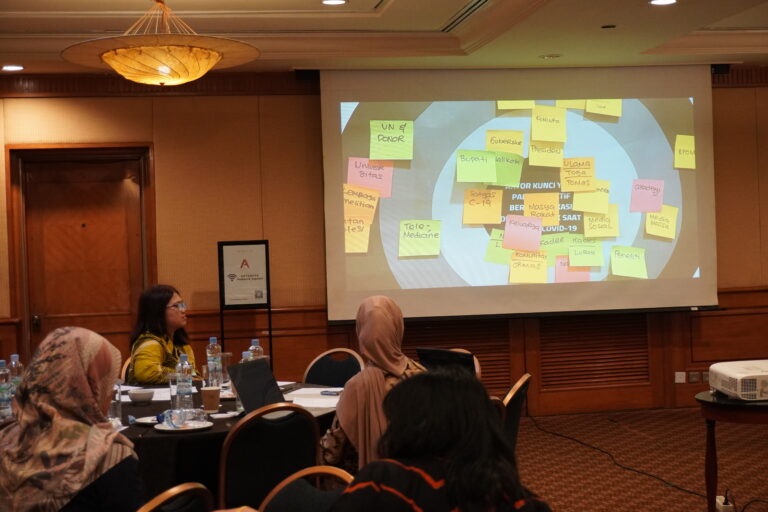
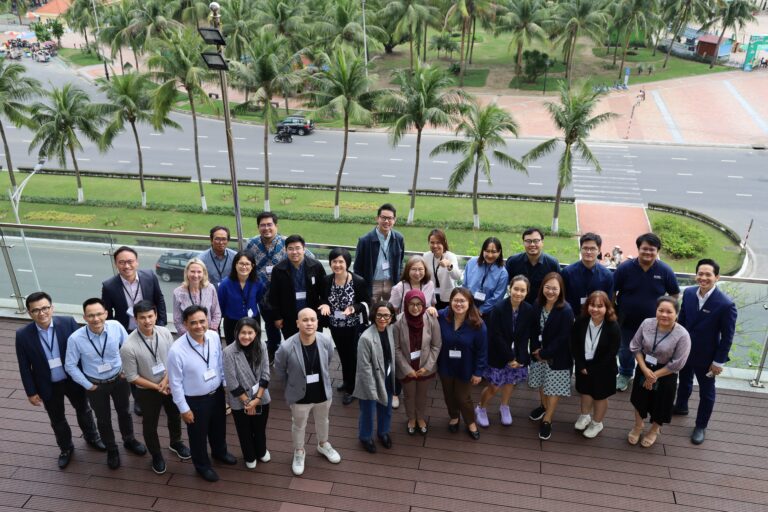
The virus has brought the entire OUCRU Programme together. We have supported one another through many difficult periods when the virus seemed to threaten every aspect of our life and work, and we have found new ways to communicate and collaborate. The consequent research has been remarkable, not least because its conception and conduct has been in some of the most difficult circumstances any of us have ever experienced. We have addressed almost every important aspect of the pandemic, from its societal impact to viral genomic surveillance and COVID-19 therapy. Our work has fostered new collaborations with respective governments and their institutions that have ensured our research is relevant and impactful. These collaborations will have a lasting effect on OUCRU’s standing and future work within the region.

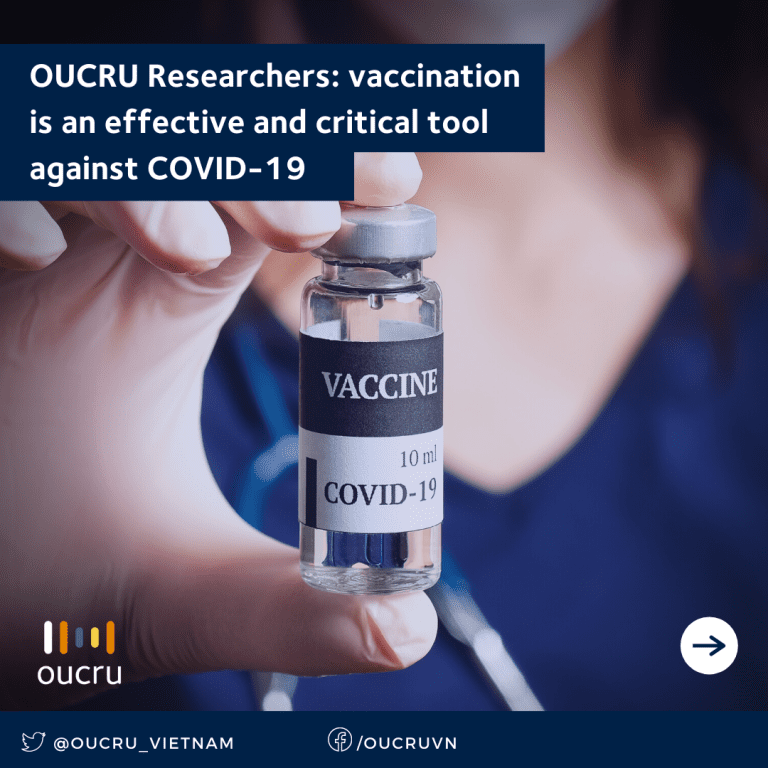
As we update OUCRU’s COVID-19 response in early 2022, much has changed in the last 6 months. The large and devastating waves of the Delta variant have passed, but the Omicron variant is now on the ascendency in Asia. The problems this new variant will cause will be dependent upon the levels of population immunity that it confronts. There are grounds for cautious optimism: Indonesia is well-vaccinated, and Viet Nam has gone from low to very high vaccine coverage in 6 months of extraordinary effort (with >1 million vaccines given a day at times). Nepal seems to have gone through a recent omicron wave with low numbers in hospitals and relatively few deaths.


PENELITI

Peneliti di balik layar

Loading...
1 2 6
Loading...
Pelajari selengkapnya

Terkait

Loading...
1 2 4

Forum Theatre Simulation

Analyse Tam’s choices. Step inside the story as an interactive spectator to break the chain of medical mishaps before it’s too late.

STORY TIMELINE PROGRESSION

5

The Ultimate Prevention: Vaccine Status

What if the volunteer leader had checked everyone’s Tetanus vaccination status before leaving for the field trip?

Vaccination Changes Everything

  • 100% Preventable: As you can see from our play, Tetanus cannot be cured easily once symptoms start and can be costly. But it is almost completely preventable with regular vaccination.
  • 10-Year Rule: Adults need a Tetanus booster shot every 10 years to maintain immunity.
  • Early booster shot: If you receive a deep or dirty cut (such as in the play, one from a rusty tool), you may need a booster if your last shot was more than 5 years ago.

When was your last Tetanus shot? Check your records today — a simple booster is the ultimate protection against unexpected accidents.

Forum Theatre Simulation

Analyse Tam’s choices. Step inside the story as an interactive spectator to break the chain of medical mishaps before it’s too late.

STORY TIMELINE PROGRESSION

4

Scenario Solved at Step 5!

Life-saving intervention! Jaw stiffness (lockjaw) is a classic symptom of active Tetanus toxin. Immediate hospital admission is required to secure the airway and control muscle spasms.

What if Tam had an ultimate shield against tetanus—protecting him from rusty tools before the trip even started?

Forum Theatre Simulation

Analyse Tam’s choices. Step inside the story as an interactive spectator to break the chain of medical mishaps before it’s too late.

STORY TIMELINE PROGRESSION

3

Scenario Solved at Step 4!

Good call! Healthcare providers depend on the full context. Clearly stating that an injury involved rusted metal alerts the nurse to assess Tetanus exposure immediately.

What if Tam had an ultimate shield against tetanus—protecting him from rusty tools before the trip even started?

Forum Theatre Simulation

Analyse Tam’s choices. Step inside the story as an interactive spectator to break the chain of medical mishaps before it’s too late.

STORY TIMELINE PROGRESSION

2

Scenario Solved at Step 3!

Spot on! Social media content often promotes unverified advice that delays crucial medical intervention. Deep, dirty cuts always require professional evaluation within hours.

What if Tam had an ultimate shield against tetanus—protecting him from rusty tools before the trip even started?

Forum Theatre Simulation

Analyse Tam’s choices. Step inside the story as an interactive spectator to break the chain of medical mishaps before it’s too late.

STORY TIMELINE PROGRESSION

1

Scenario Solved at Step 2!

Smart choice! Clostridium tetani bacteria thrive in organic material like dirt and leaves. Keeping raw plants out of deep cuts prevents pushing bacterial spores deeper into tissue.

What if Tam had an ultimate shield against tetanus—protecting him from rusty tools before the trip even started?

Forum Theatre Simulation

Analyse Tam’s choices. Step inside the story as an interactive spectator to break the chain of medical mishaps before it’s too late.

STORY TIMELINE PROGRESSION

1

Scenario Solved at Step 1!

Great call! By stopping work with high-risk, corroded tools, you removed the physical source of Tetanus exposure entirely before an injury could even happen.

What if Tam had an ultimate shield against tetanus—protecting him from rusty tools before the trip even started?

Skip to content