

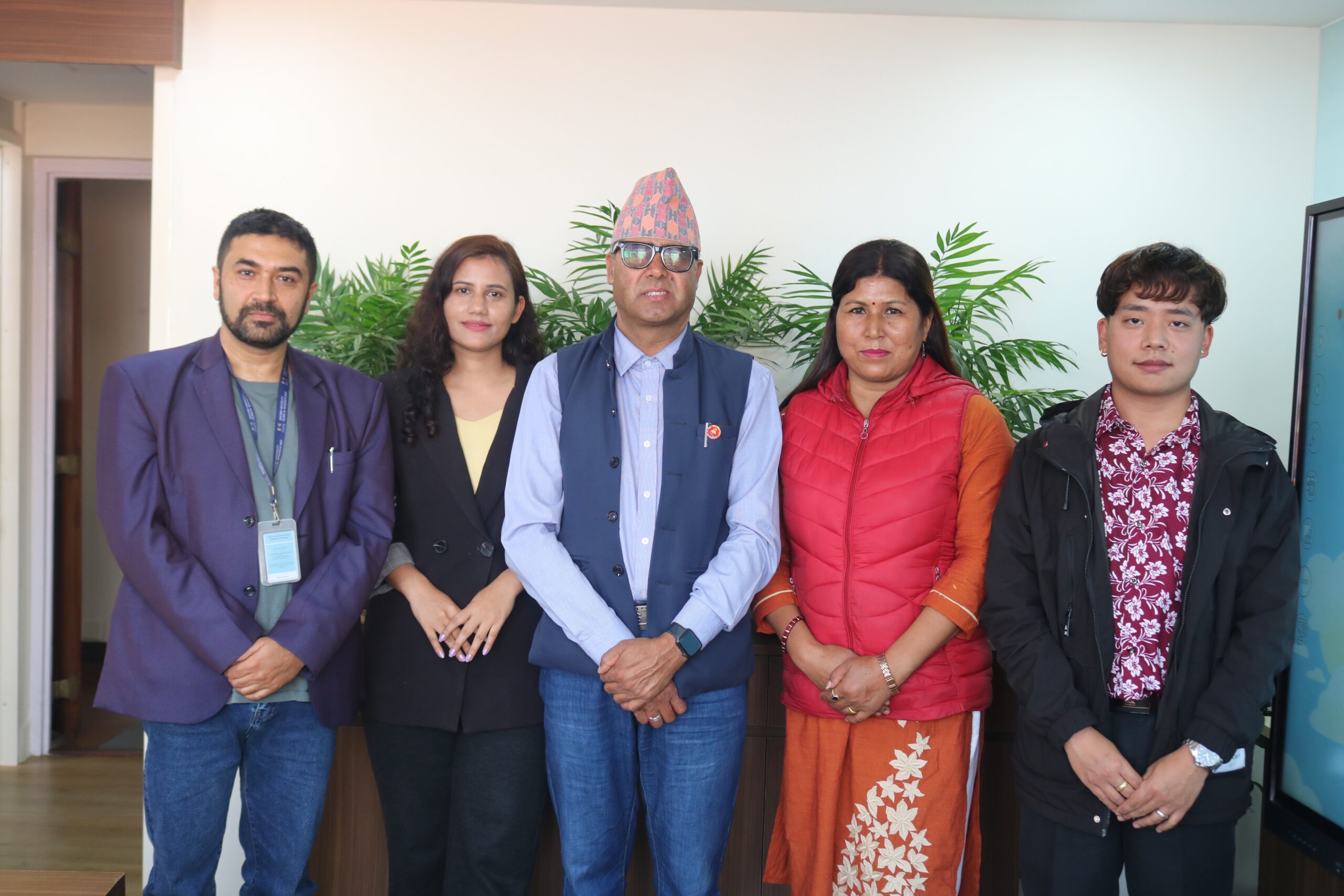
The CAB is composed of five members from diverse professional and community backgrounds. These include humanitarian professional Bhakta Chandan Barahi, community leader Pramod Kumar Poudel, clinical pharmacist and academic Usha Giri, experienced educator Surendra Kumar Ghimire, and Female Community Health Volunteer Shruti Udas Maharjan. Together, they bring expertise from public health, education, social development, and grassroots community work, offering valuable perspectives to inform research activities.
A key role of the CAB is to review research-related materials such as participant information sheets, consent forms, and recruitment tools. Their feedback helps ensure that these documents are clear, culturally sensitive, and accessible before they proceed for ethical review.
In addition to document review, the CAB also advises on community engagement strategies. By providing insights into local contexts and community expectations, the board supports researchers in building trust, promoting transparency, and encouraging meaningful participation in research studies.
By acting as a bridge between researchers and the community, the CAB contributes to enhancing the relevance, integrity, and impact of research conducted at OUCRU Nepal. This initiative reflects OUCRU Nepal’s ongoing commitment to embedding community voices at the heart of its research and ensuring that scientific work is both ethically robust and socially meaningful.