

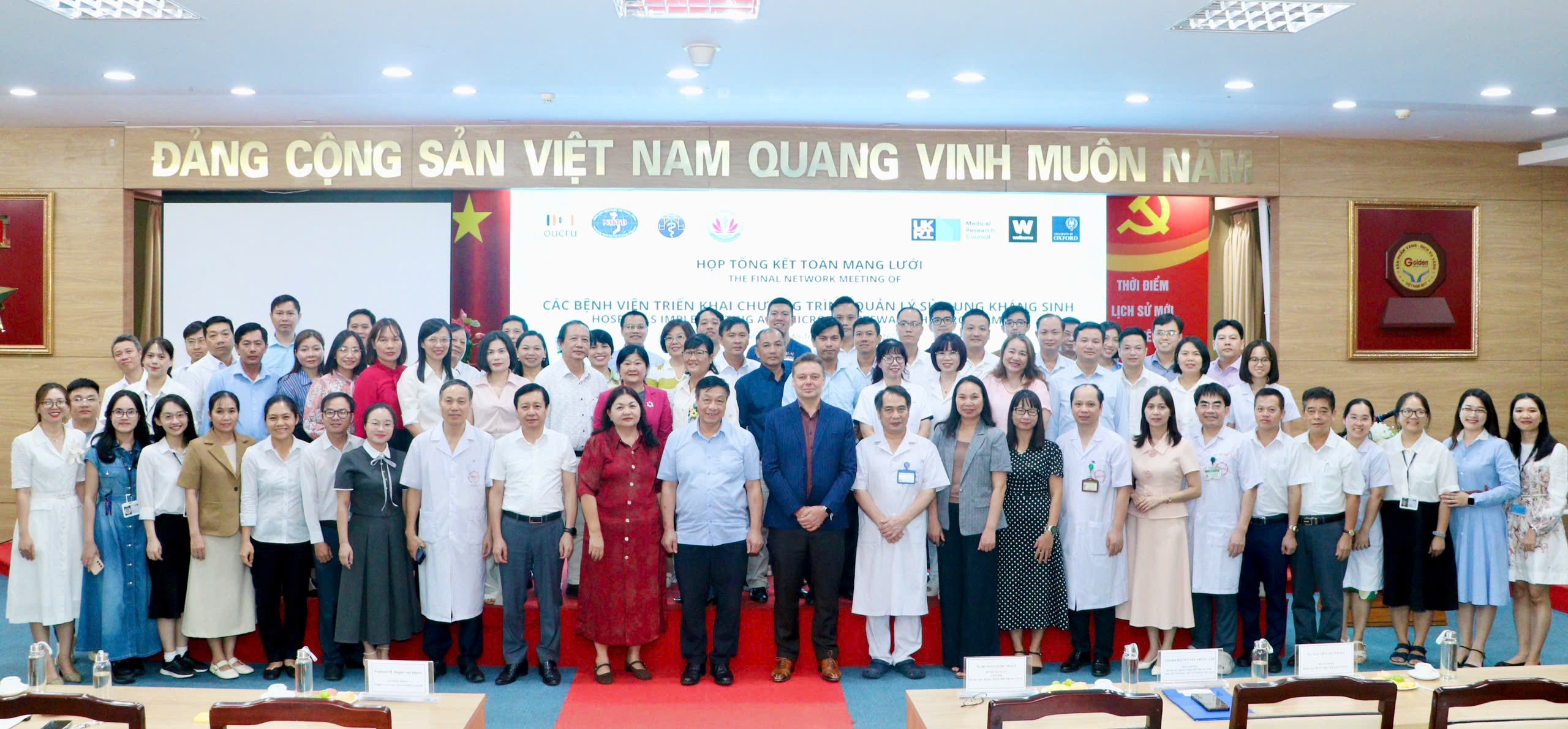
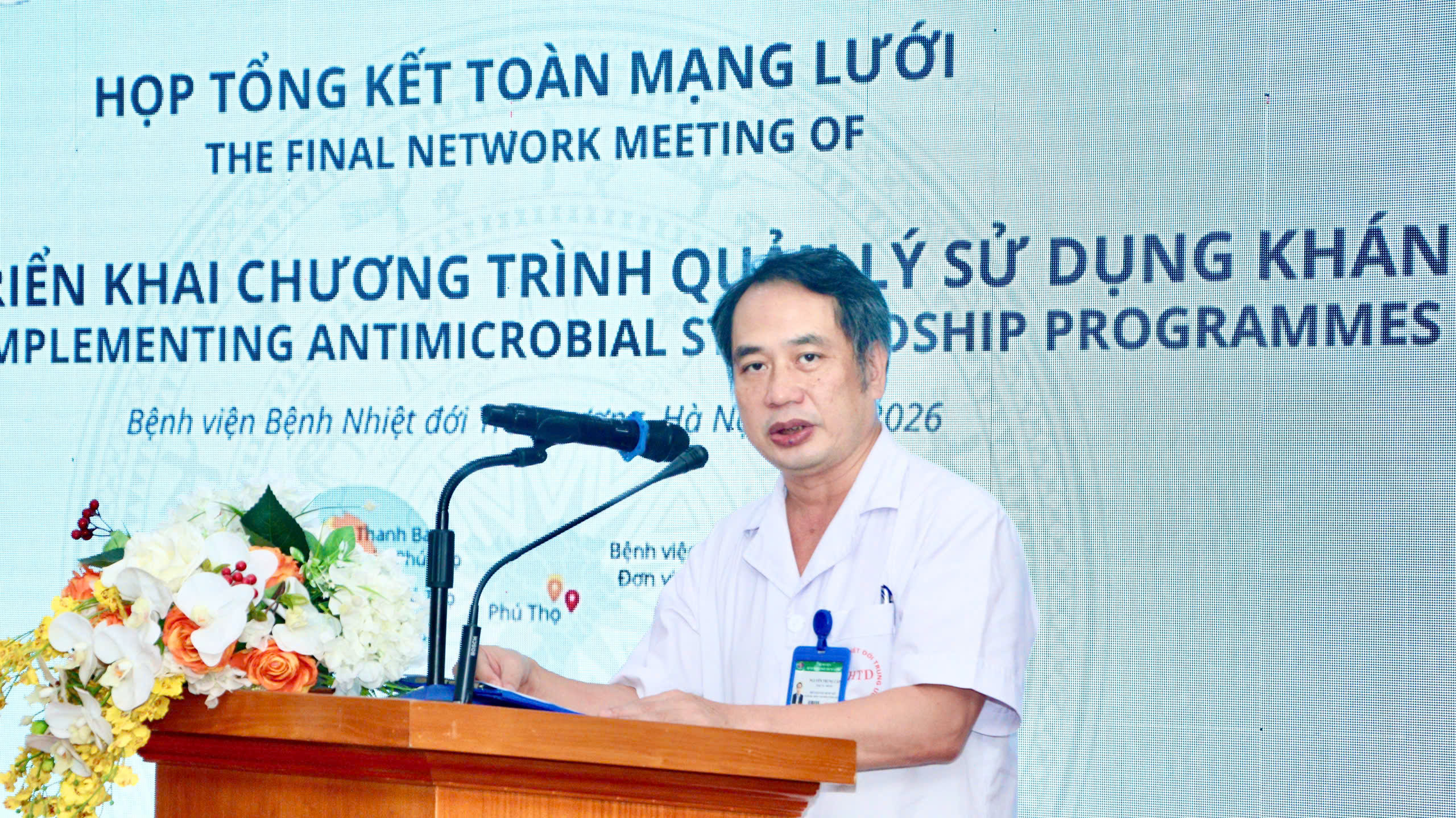
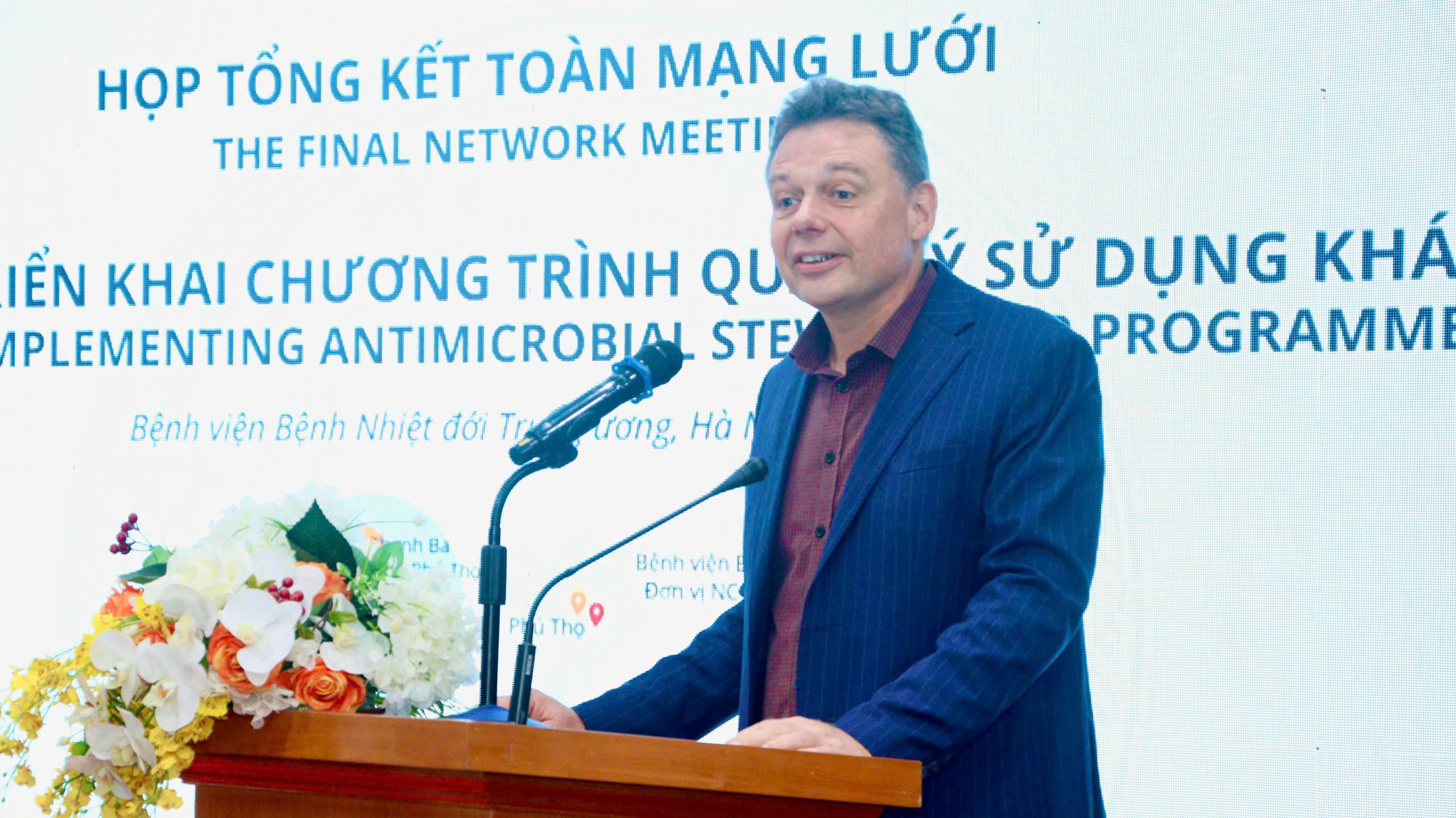
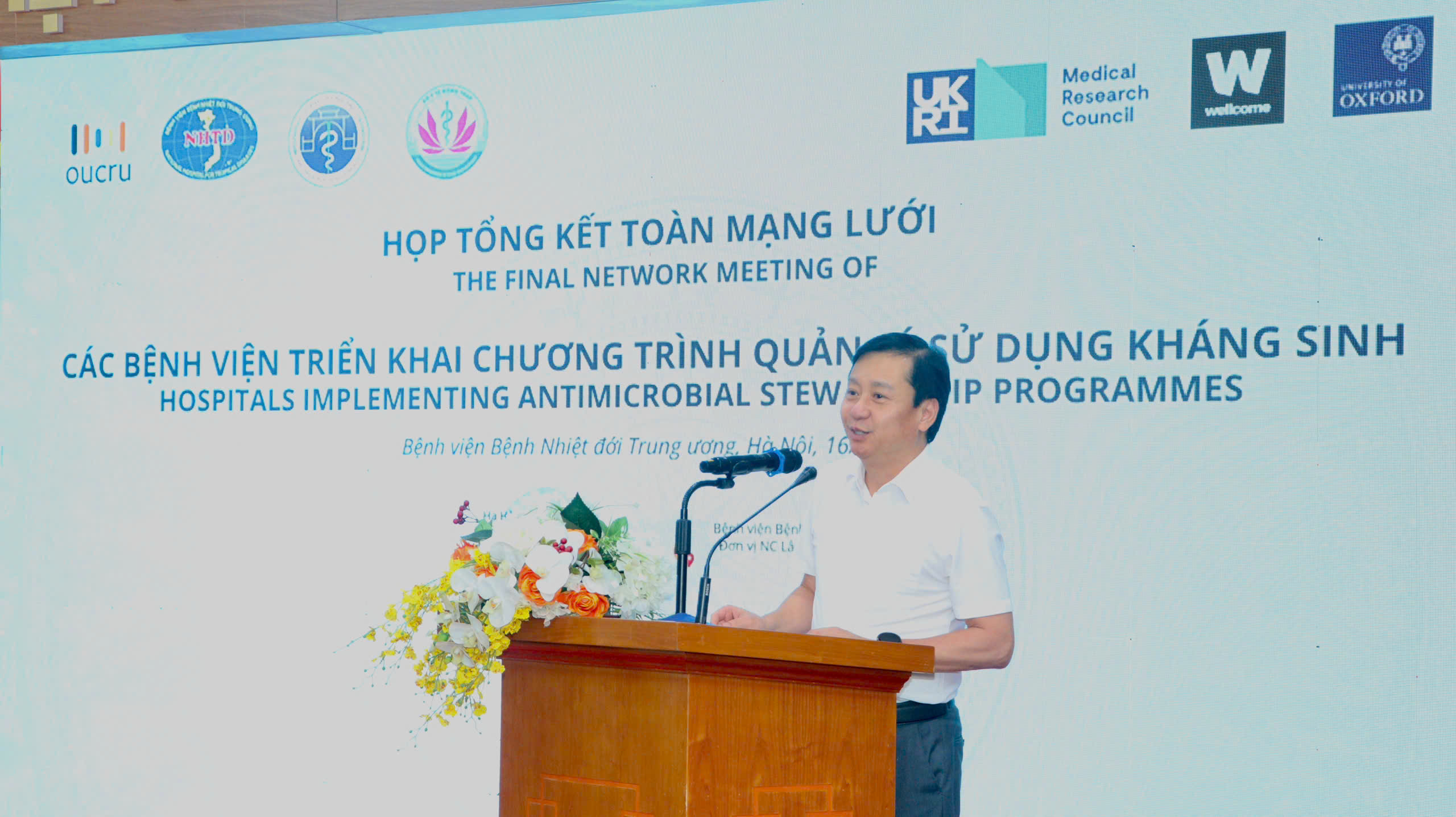
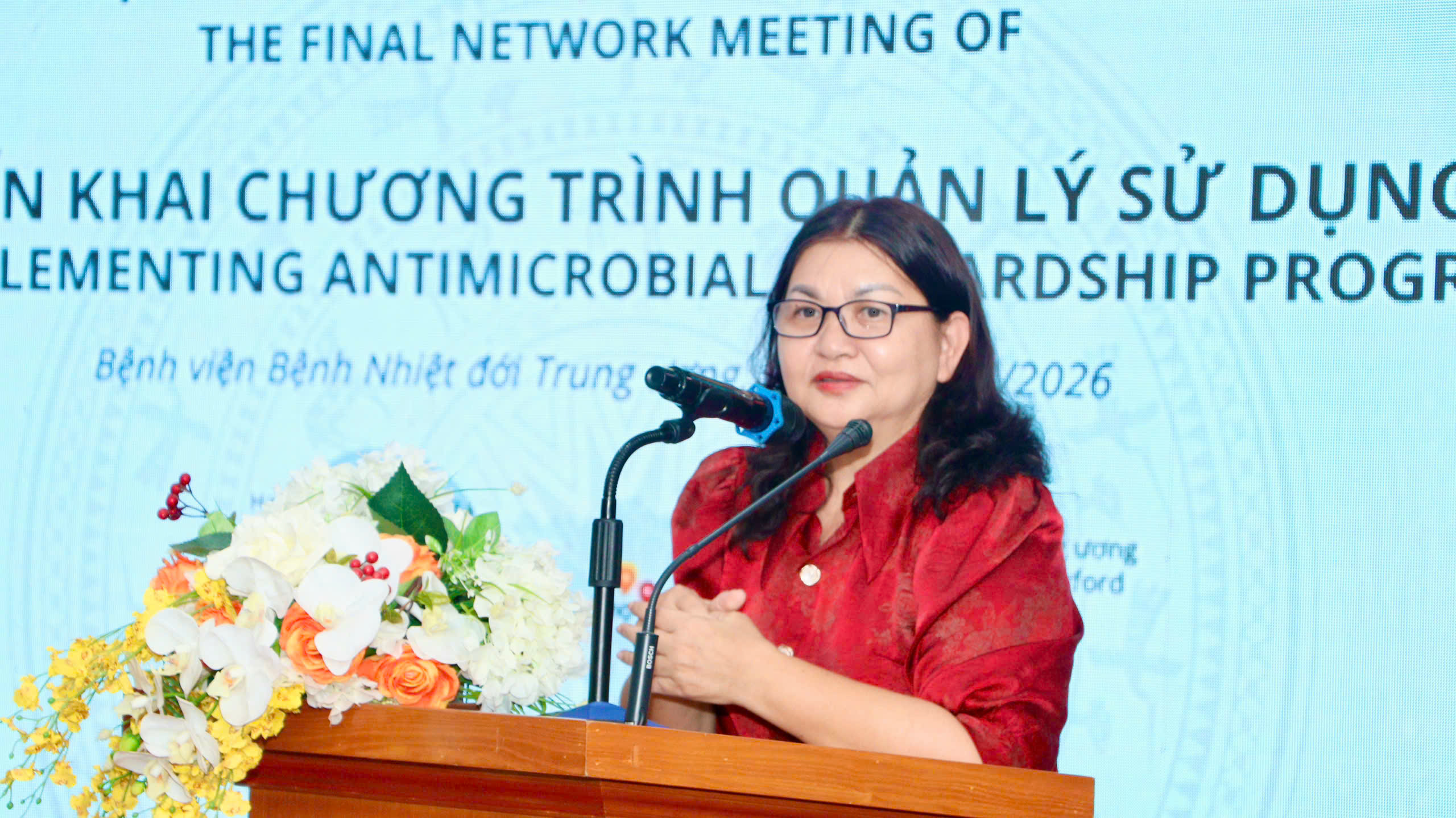
In their opening remarks, Dr. Nguyen Trung Cap, Deputy Director of the National Hospital for Tropical Diseases, and Professor H. Rogier van Doorn, Director of OUCRU Hanoi, emphasized that ASPARNet had evolved beyond a conventional research project into a genuine professional learning and collaboration network. Participating institutions did not merely enabled the network to exchange implementation experiences, learn from one another, and strengthen multidisciplinary collaboration; they actively exchanged experiences, and co-developed solutions while generating evidence directly from clinical practice. ASPARNet not only supported antimicrobial stewardship activities at individual hospitals but also fostered a collaborative platform for continuous learning and shared improvement across the network. The project also exemplified the participatory action research in implementation science, where the actual contexts and needs of the hospitals and patients formed the foundation for research, training, and quality improvement initiatives.
(Source: NHTD)
In Phu Tho Province, the project focused on capacity building and standardization of technical foundations for antimicrobial stewardship and infection prevention and control (IPC). During the implementation period, a series of in-person and online training activities on infectious disease management, clinical pharmacy, clinical microbiology, and infection prevention and control were delivered by leading experts from national referral hospitals. These activities extended beyond the six network hospitals, reaching additional 29 healthcare facilities across the province.
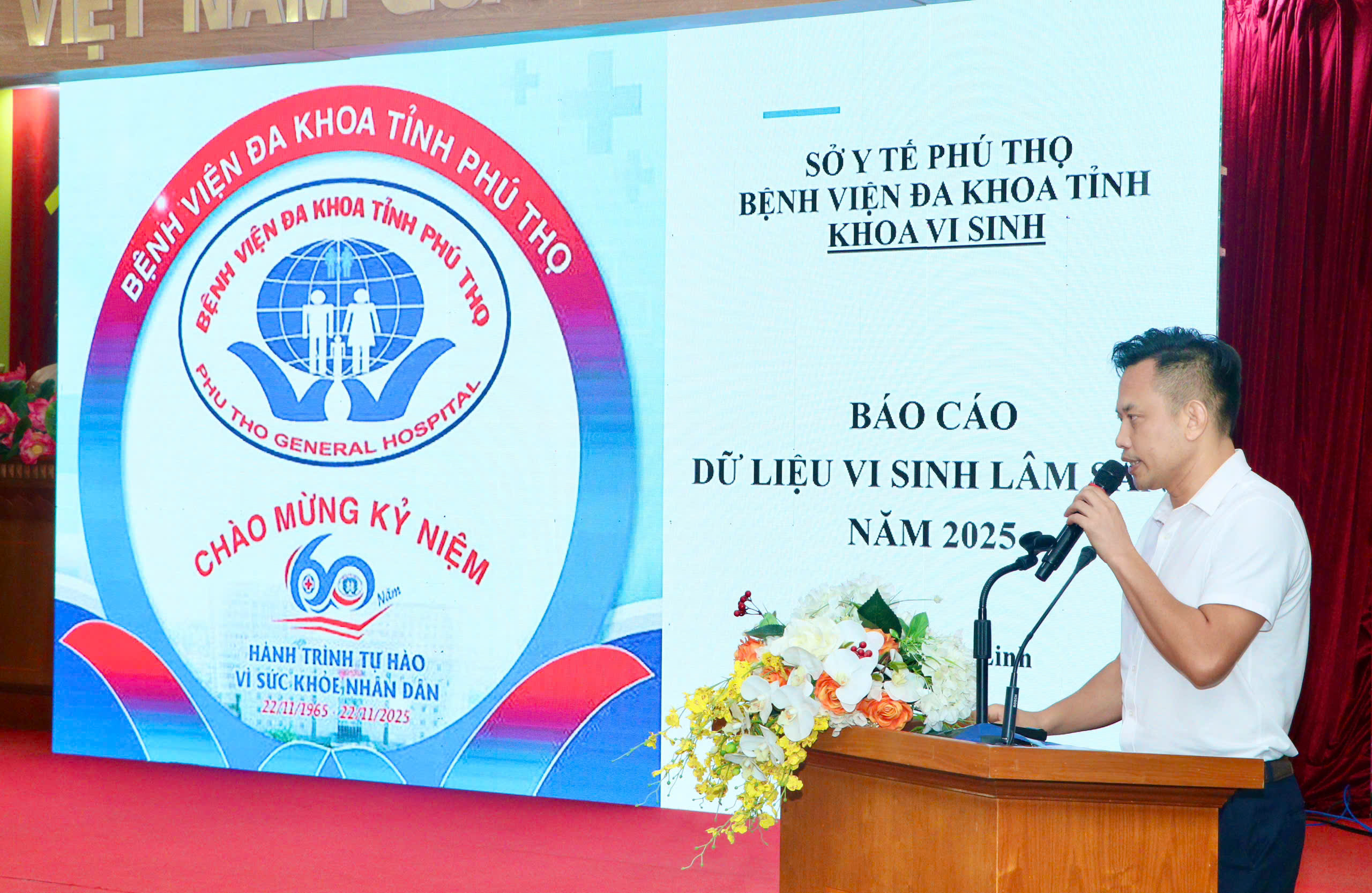
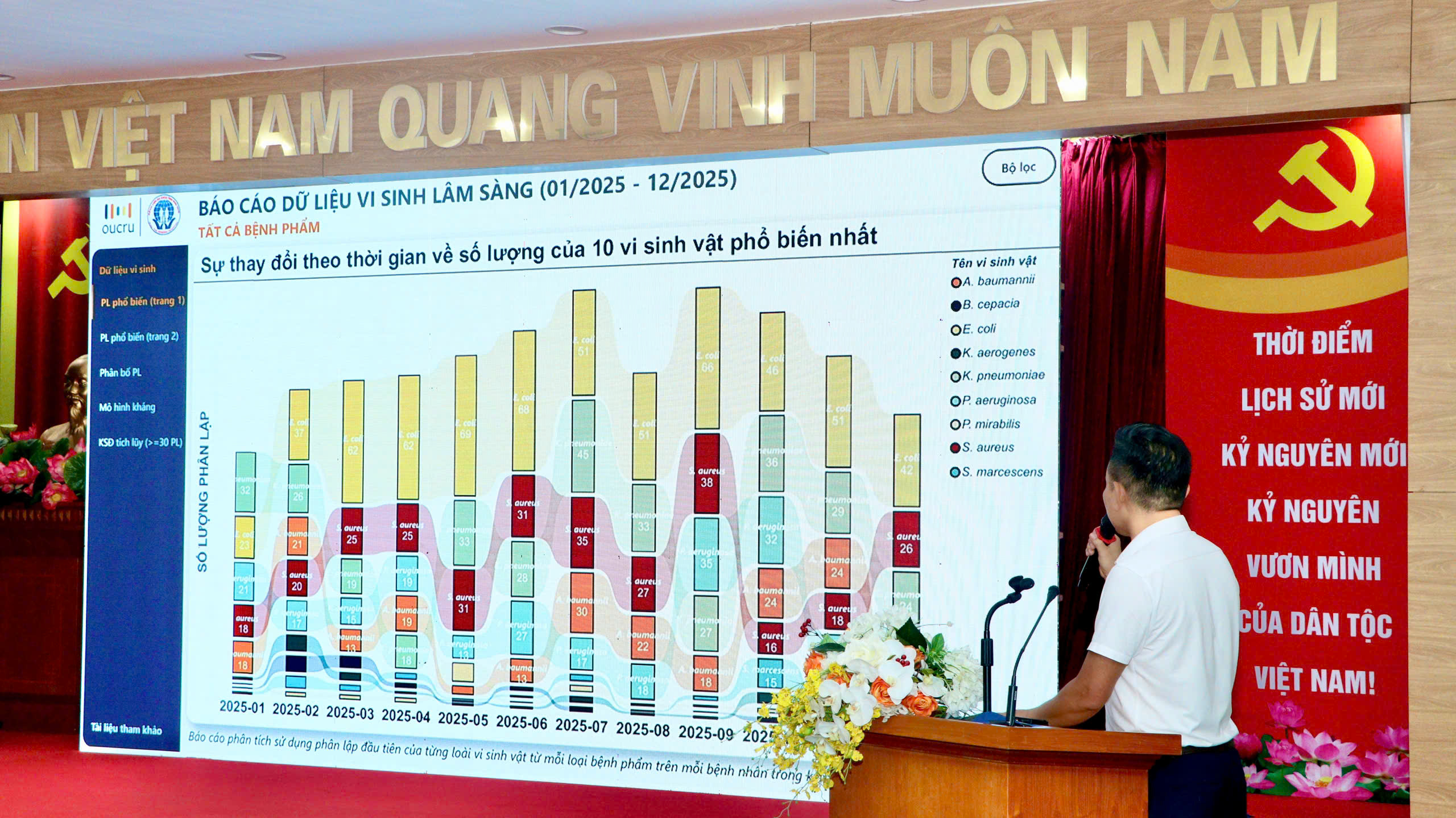
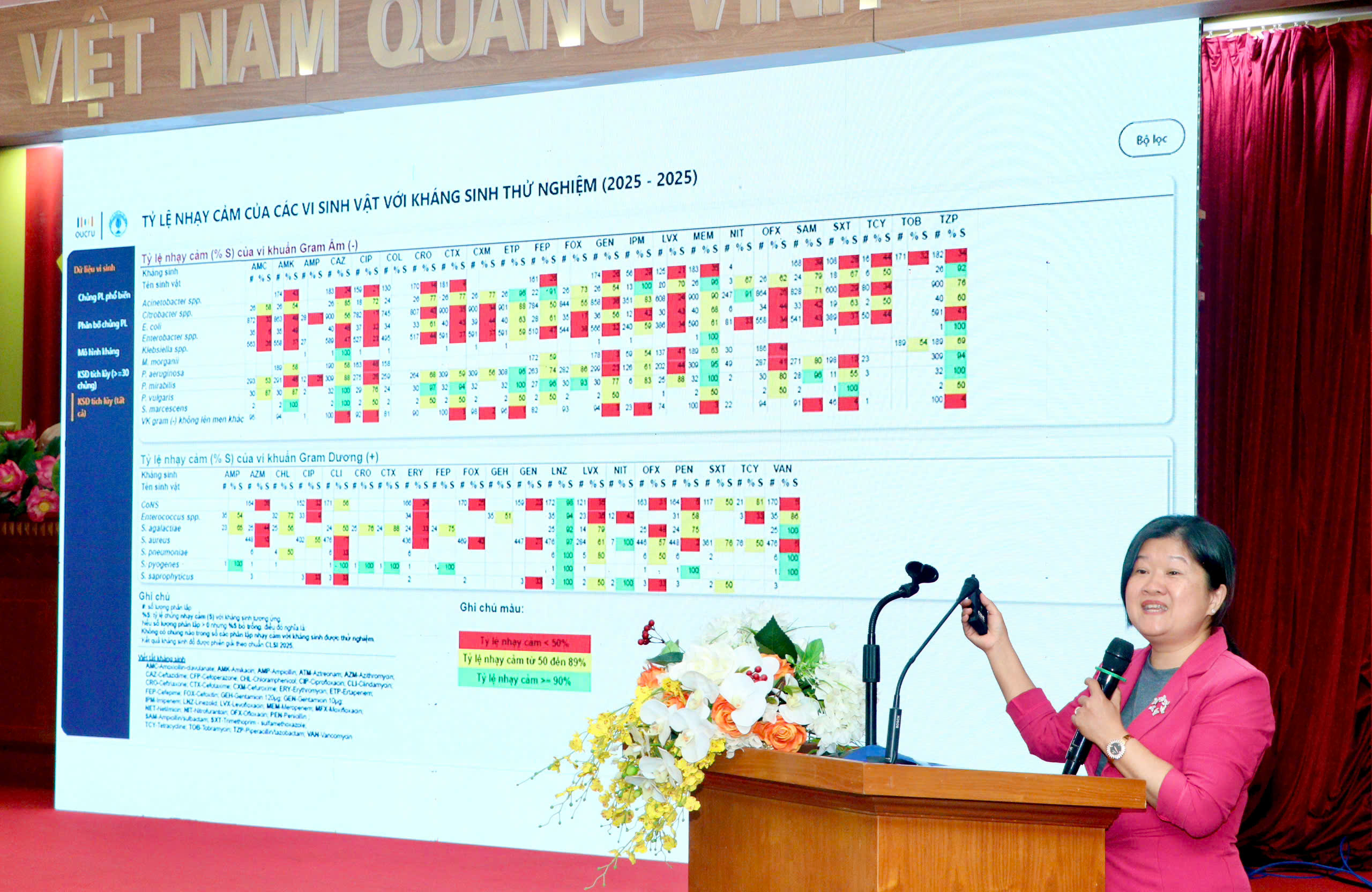
One of the most notable achievements in Phu Tho was the integration of data into clinical decision-making processes. With support from the project, network hospitals developed antibiotic consumption reports, and monitoring systems for antimicrobial stewardship activities. Notably, Phu Tho Provincial General Hospital, with the technical support from 60HN data team, established a clinical microbiology reporting system and cumulative antibiograms based on routinely collected local hospital data, providing clinicians with evidence-based information to guide antibiotic selection according to local antimicrobial resistance patterns.

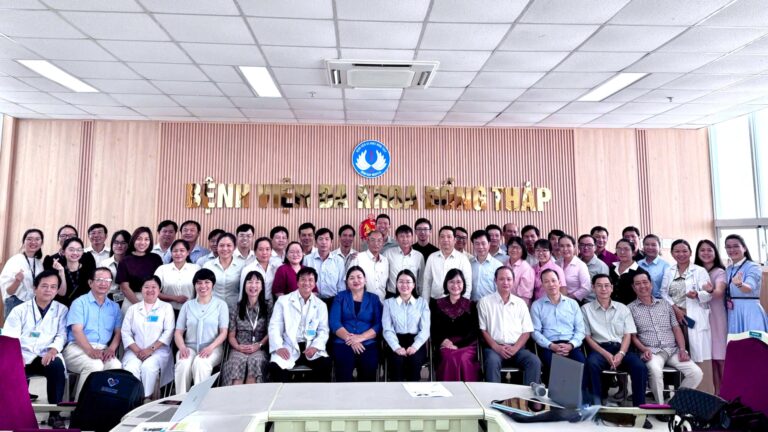
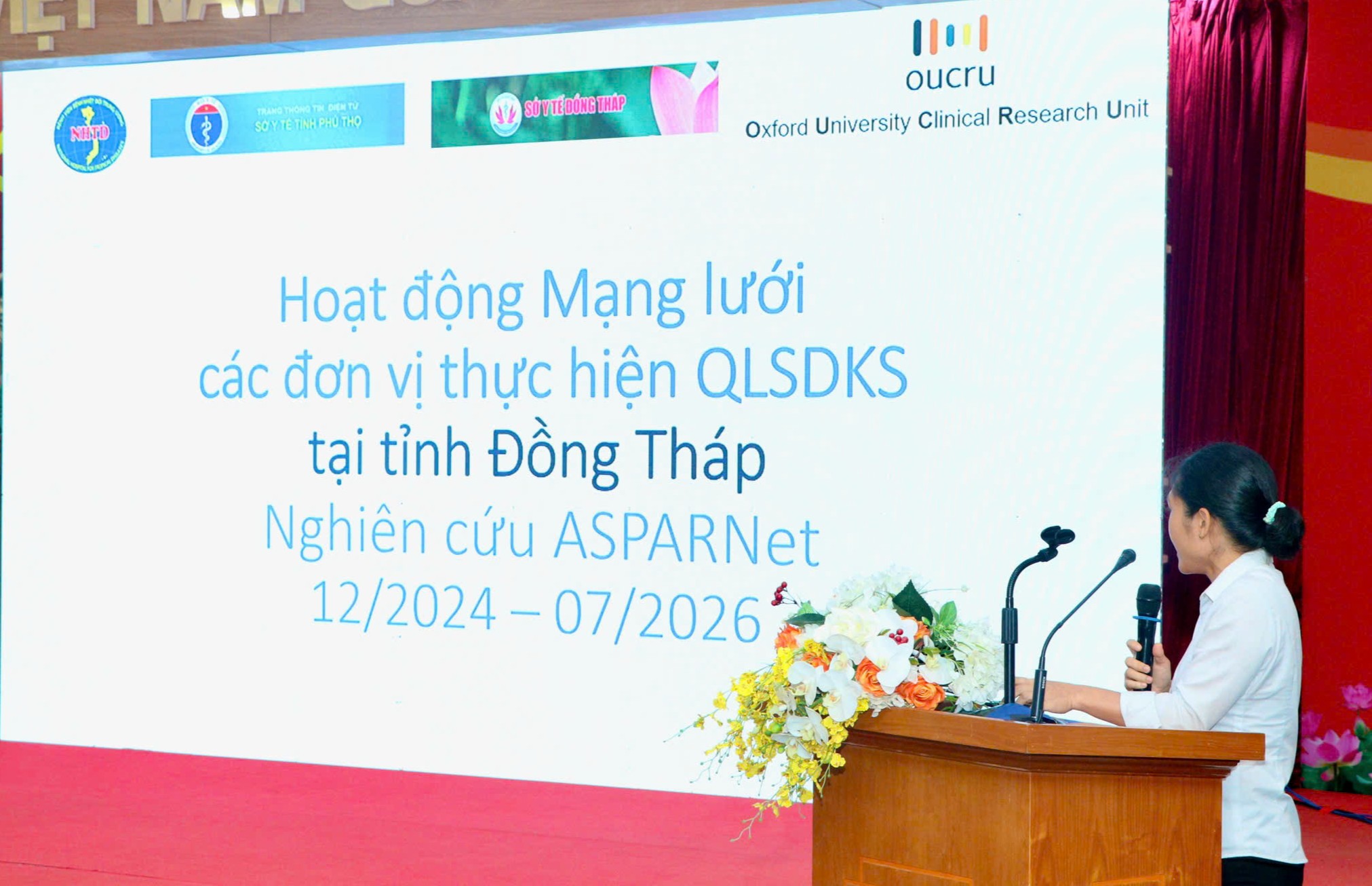
Dong Thap, meanwhile, demonstrated a different approach, with a strong emphasis on strengthening AMS practices through the integration of infection prevention and control (IPC) and digital transformation. According to the Dong Thap Department of Health, the network participated full series of training courses involving a total of 1,849 healthcare staff, as well as hands-on training sessions on audit and feedback, clinical microbiology, antibiotic consumption reporting, and infection prevention and control. All six network hospitals in the province reported significant improvements in antimicrobial stewardship capacity, as measured using the Global Antimicrobial Stewardship Evaluation Tool (G-ASET).
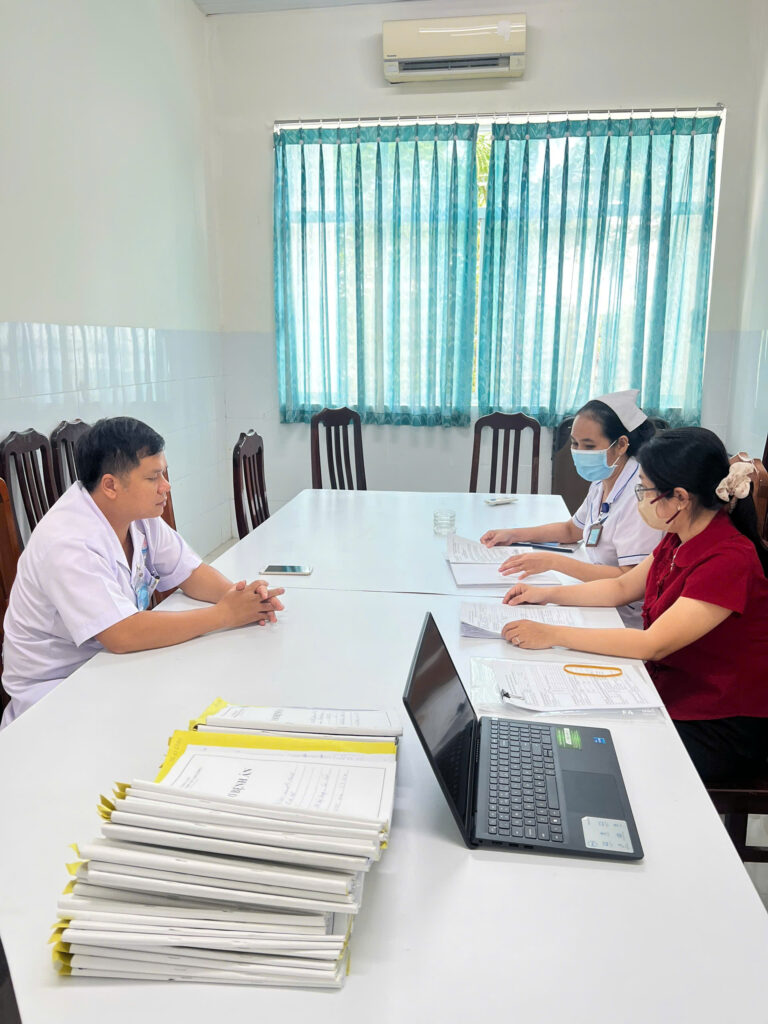
Another noteworthy outcome in Dong Thap was the implementation of audit and feedback activities in clinical practice across all network hospitals. Particularly at Lap Vo Health Center, the AMS team reviewed 509 patient records over a ten-month period to assess the appropriateness of antibiotic prescriptions. This process not only strengthened the hospital’s capacity to implement antimicrobial stewardship but also supported clinicians in optimizing antibiotic prescribing. More importantly, it established a direct communication mechanism between clinical pharmacists and clinicians, thereby fostering a culture of continuous learning and quality improvement within the institution.
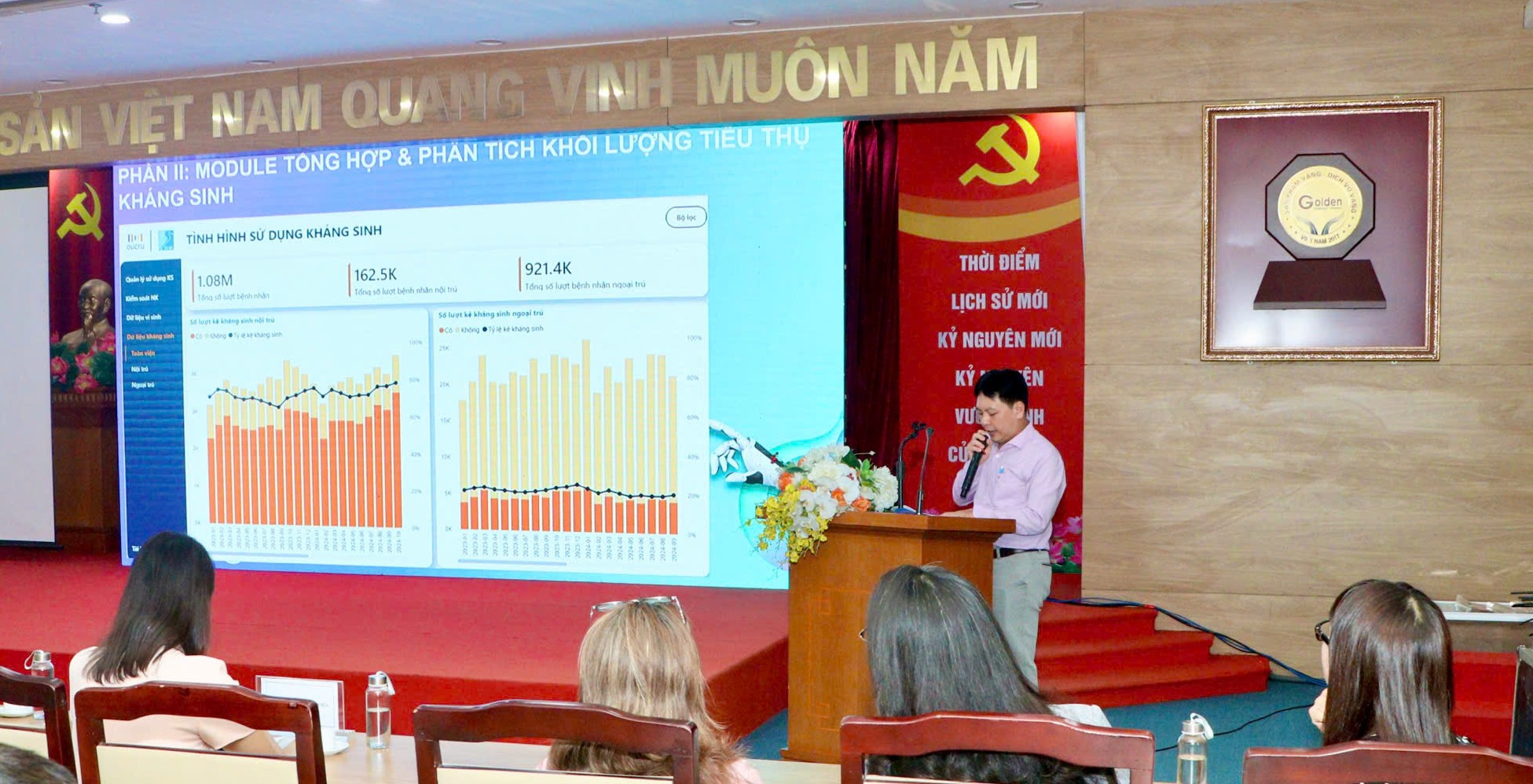
Dong Thap also recorded major advances in digital innovation for support the control of antimicrobial resistance. At Sa Dec General Hospital, the iSHARP platform was developed as an integrated data ecosystem supporting antimicrobial stewardship, infection prevention and control. iSHARP is widely regarded as one of the project’s most outstanding digital innovations for supporting healthcare decision-making of antimicrobial stewardship.
The meeting also highlighted the leadership role of Dong Thap General Hospital within the network. With technical support from the expert team and OUCRU, the hospital’s clinical pharmacy programme evolved from a largely administrative function to a model involving direct clinical intervention. Beginning with audit – feedback activities in a single clinical department, the programme expanded to several priority departments, then this model also provided opportunities for lower-level healthcare facilities to learn from the hospital’s experience. Network hospitals were able to document practical experience in implementing clinical pharmacy services, antimicrobial stewardship, and cumulative antibiogram reporting. These achievements provide a strong foundation for further development of advanced medication management activities in the future reinforcing Dong Thap General Hospital’s pioneering role within the provincial network.
Following presentations from network hospitals, Dr. Vu Thi Lan Huong, Principal Investigator of 60HN, presented an overview of ASPARNet’s overall impact following of implementation. The findings showed that the project had not only strengthened professional capacity and management systems through training, mentoring, and technical support activities across network hospitals but had also led to encouraging improvements in antibiotic-prescribing practices and potential impact on major antibiotic resistant pathogens. Several hospitals reported reductions in antibiotic consumption measured by Days of Therapy (DOT) per 1,000 patient-days, while others increased their use of WHO AWaRe Access antibiotics. The research team will continue to monitor and evaluate these indicators using routinely collected data to assess the programme’s long-term impact.
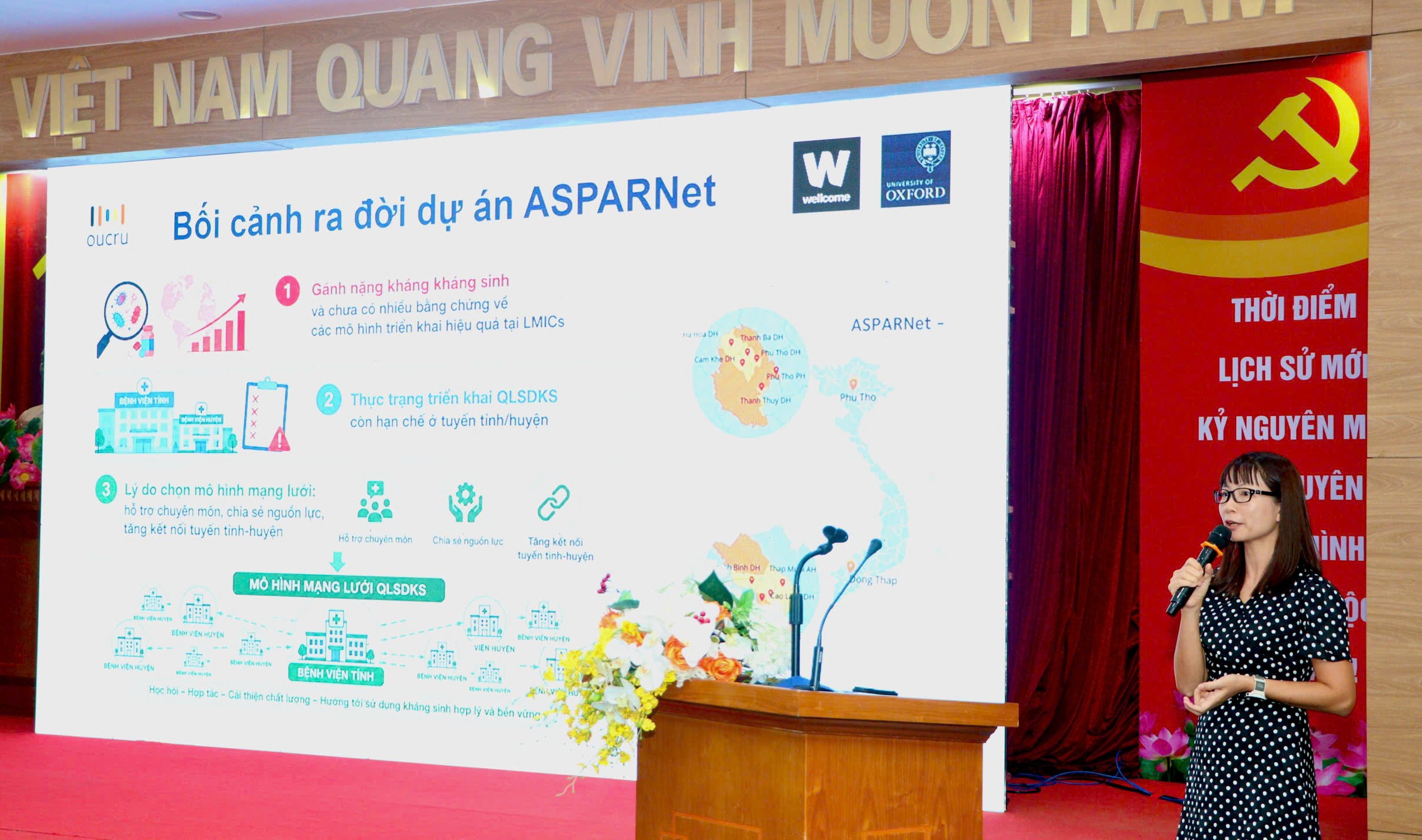
During the thematic discussion session, participants not only reflected on achievements of ASPARNet but also helped shape a shared vision for its next phase of development. A strong consensus emerged that addressing antimicrobial resistance requires coordinated action across antimicrobial stewardship, infection prevention and control, clinical microbiology, clinical pharmacy, and hospital management. Participants also highlighted the growing importance of data-driven decision-making, including microbiology reports, cumulative antibiograms, and audit-and-feedback systems, in fostering a culture of evidence-based antibiotic use across healthcare facilities.
Beyond technical achievements, discussions focused heavily on sustainability after the project’s completion. Participants emphasized that leadership commitment, multidisciplinary collaboration, investment on a dedicated workforce, and expansion of digital platforms would be critical to maintaining and scaling antimicrobial stewardship activities. A clear consensus message emerged from the discussions: ASPARNet’s most important legacy is not merely its guidelines and standard operating procedures, reports from big datasets, but the community of practice it has helped create—one in which hospitals learn from one another, share experience, and work collectively toward improving patient care and combating antimicrobial resistance in Vietnam.


In his closing remarks, Assoc. Prof Tran Van Giang, Director of the Institute for Training and Research in Tropical Diseases at the National Hospital for Tropical Diseases, emphasized that the greatest value of ASPARNet lies not only in the technical achievements and tools developed through the project, but also in the establishment of a genuine collaborative network among participating institutions. According to him, the project has strengthened coordination among hospital leadership, pharmacists, microbiologists, infection prevention and control, and clinical departments, creating a solid foundation for the sustainable development of antimicrobial stewardship programmes and efforts to combat antimicrobial resistance. He further highlighted that the achievements generated through audit and feedback activities, microbiology reporting systems, the iSHARP digital platform, and locally driven implementation models have produced valuable real-world evidence to support future training, research, and scale-up initiatives across Vietnam. Looking ahead, he encouraged participating hospitals to continue sustaining, strengthening, and expanding the good practices established through ASPARNet, while leveraging the network as a platform for knowledge exchange, professional support, and implementation research.
At the conclusion of the meeting, participants agreed that the achievements of 60HN–ASPARNet project, but also by the shift in mindset and approach toward antimicrobial stewardship within healthcare institutions. From provincial hospitals to regional health centers, leaders, clinicians, pharmacists, microbiologists, and infection prevention and control practitioners have begun to embrace multidisciplinary collaboration, data-informed decision-making, and a shared commitment to improving patient outcomes.
The ASPARNet network is expected to continue to serve as a platform for professional exchange, implementation research, and collaborative action supporting hospitals in responding more effectively to antimicrobial resistance. The experiences gained in Phu Tho and Dong Thap provide a valuable foundation for scaling up successful models, strengthening connections between healthcare institutions, and contributing to Vietnam’s broader efforts to promote rational, safe, and sustainable antibiotic use in the years ahead.