
February 11, 2026

EQUIPSEA: Recognising the people behind-the-science

Behind every research breakthrough are people managing the grants, budgets, and partnerships that make the work possible. In February 2026, EQUIPSEA brought together 75 research management professionals from across Southeast Asia for one of the region’s first professional training programmes designed specifically for them.

In research, attention is often focused on scientists and scientific impact. But behind every grant and every partnership is work that is less visible and just as critical: people managing funding, budgets, contracts and keeping everything on track from the first grant application to the final report.  

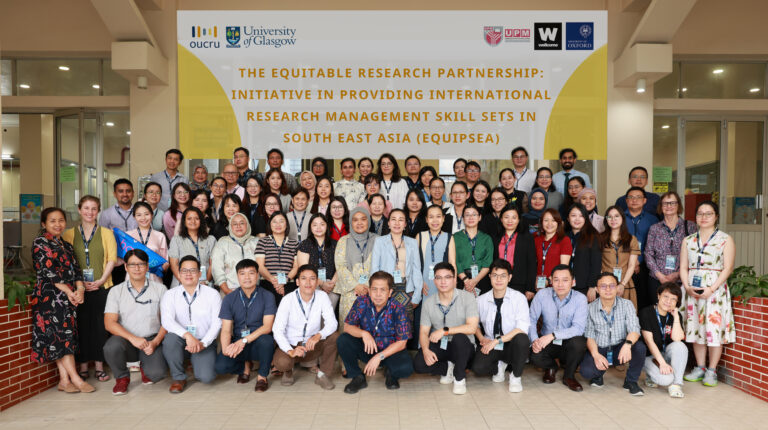
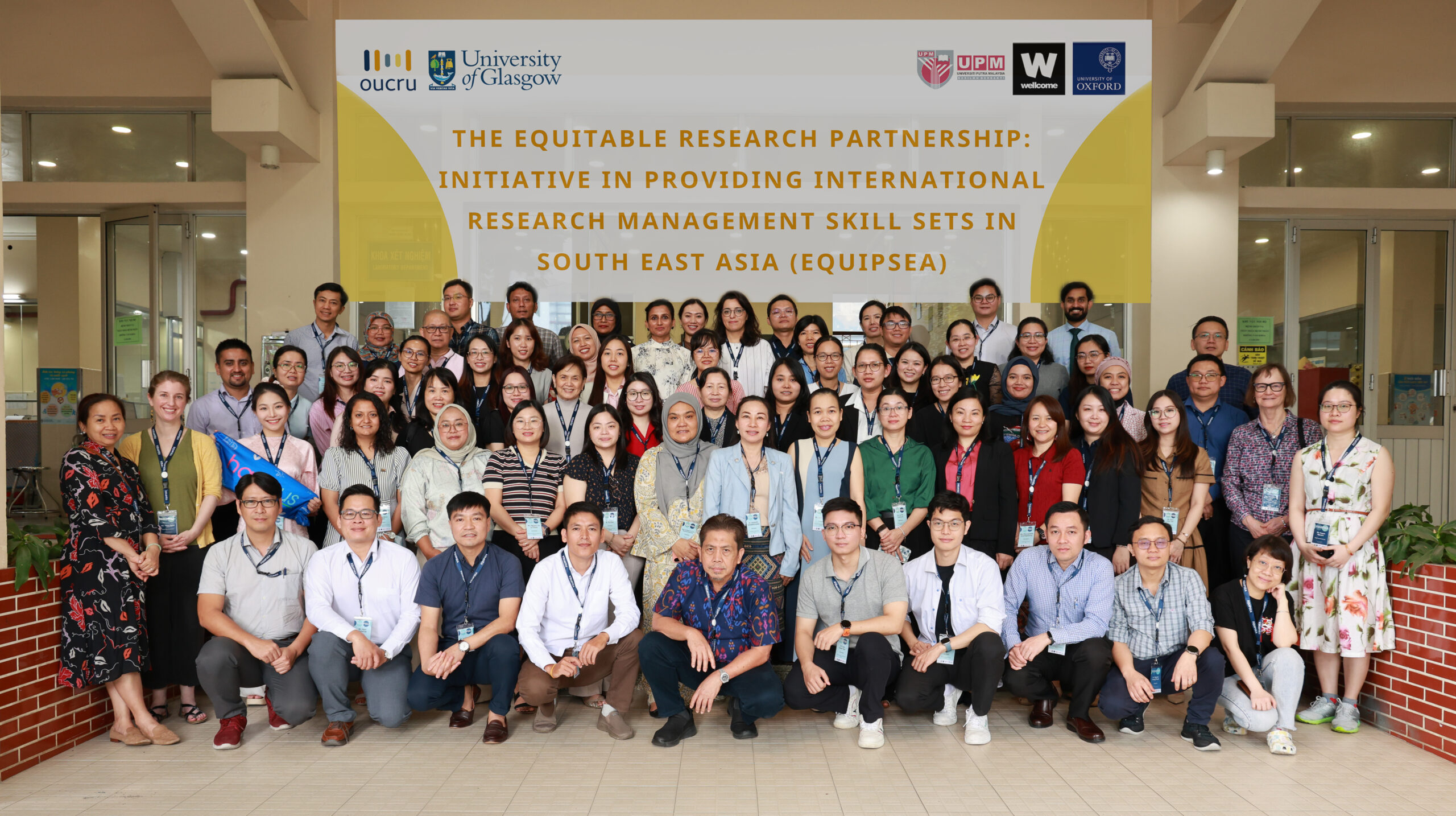
In February 2026, 75 of these professionals, including 67 trainees and 8 trainers, gathered in Ho Chi Minh City for something rare: a workshop designed specifically for them.  

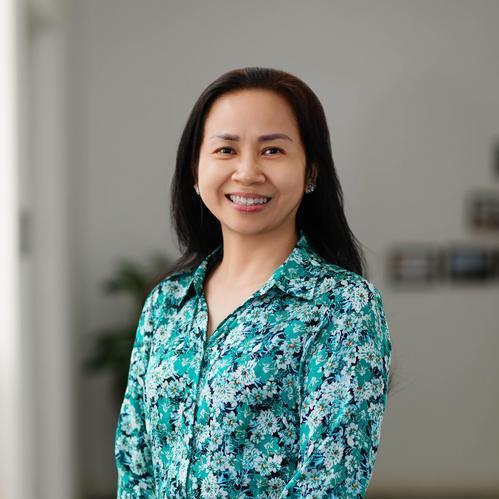
“I’ve been doing this work for years,” shared Ms Lê Duyên Ân, Head of Procurement and Logistics at OUCRU, “but I learned a lot on the job. There has been quite little training on how procurement fits into the research cycle, or how people across disciplines can work together more effectively throughout that cycle.”

That’s the reality across much of Southeast Asia. Research and grant management are emerging professions here. Many people juggle these responsibilities alongside other official roles, without formal training or clear career pathways. This is not a lack of capability, but a lack of investment in a profession that is essential to modern research. 

Meanwhile, international funders increasingly expect stronger systems: due diligence, financial management, governance, reporting, and compliance. When local institutions fail to demonstrate these capacities, they struggle to attract funding and lead research projects, even when scientific expertise is clearly there.

Over time, this influences who holds responsibility, who makes decisions and who is seen as ready to lead. 
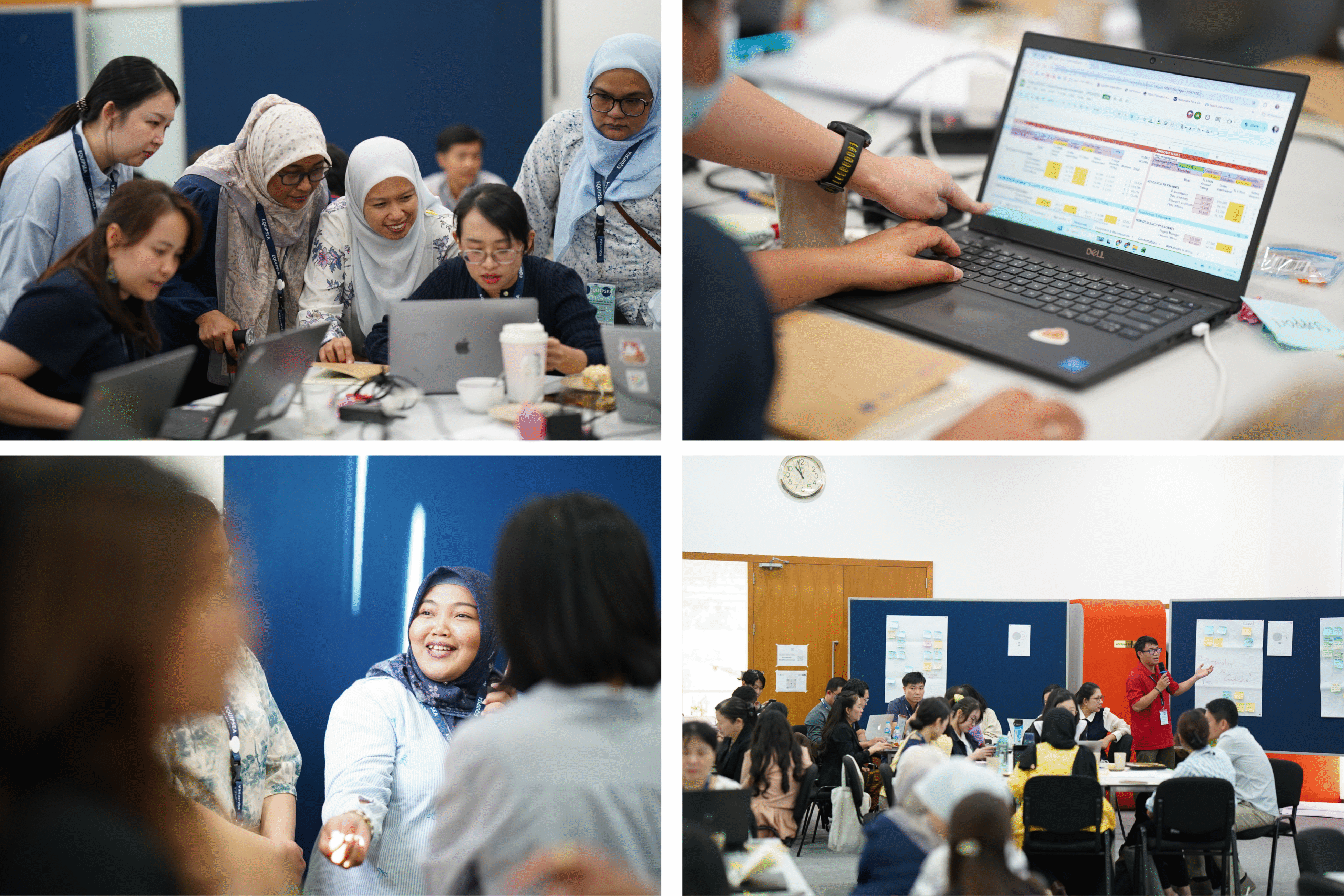
The Equitable Research Partnership: Initiative in Providing International Research Management Skill Sets in South East Asia programme, or EQUIPSEA, was designed to respond to this reality. It aims to underline research and grant management not just as support staff, but as a core part of research leadership. 

Over 12 months, the organisers consulted with international experts and then ran a regional needs assessment to understand what people actually need. The result was a three-and-a-half-day workshop focused on practical realities of research management: grant and finance management, budgeting, institutional styles and policies, effective communication, contracts, intellectual property, and Good Financial Grant Practice standard (GFGP).

Every session was designed around real challenges participants face daily, with the principle that “Everyone is a teacher – Everyone is a learner.”
"An important and distinctive feature of the workshop is that the agenda and the content is created in response to the needs of the participants, based on the information they provide during registration.

This approach puts the focus on what is most useful for the attendees, to support them in more confidently tackling the challenges they face in their day-to-day professional roles."

Perhaps the most valuable part wasn’t the formal sessions. It was discovering that others were navigating the same obstacles, that the workarounds you invented weren’t unique, that the expertise in the room was deeper than anyone realised. Participants left with more skills, confidence, and a community of peers they can call on long after the workshop ends.

"Having a history of more than 35 years and thanks to our affiliation with the University of Oxford, OUCRU has a dedicated grant management system and an excellent team. However, such support is missing in most research institutions and universities in Vietnam. This situation is common across Southeast Asia and negatively impacts equitable research partnerships.

Our workshop was an initiative to improve this situation, and it was successful beyond my expectations. I believe a series of workshops providing international research management skills is essential and urgently required to significantly improve the research culture in Southeast Asian countries.”

By investing in research and grant management capacity, EQUIPSEA contributes to more equitable research partnerships across low- and middle-income countries. When local institutions can manage funding confidently, they are better positioned to lead collaborations, shape research agendas and share ownership more fairly.

Over time, this strengthens not only individual projects, but the wider research ecosystem across Southeast Asia.

About EQUIPSEA

The EQUIPSEA programme was funded by the British Academy and codeveloped by partners affiliated with the University of Oxford (Assoc Prof Ngô Thị Hoa, Ms Genevieve Kiff, Ms Duyen Nguyen, Mr Paul Miki Carvalho, Ms Laura Scifo) and the University of Glasgow (Ms Mary Ryan) in the United Kingdom, Universiti Putra Malaysia (Assoc Prof Mohamad Faizal Bin Ibrahim), and the Oxford University Clinical Research Unit (OUCRU) (Assoc Prof Ngô Thị HoaDr Nguyễn Trung ThànhMr Nguyễn Xuân Trường) in Ho Chi Minh City, Vietnam. 

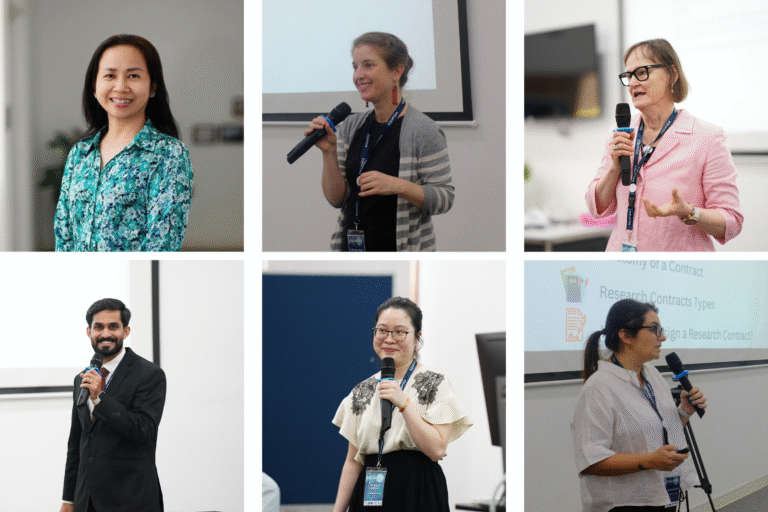
The EQUIPSEA trainers leading the sessions: (top row, left to right) Assoc Prof Ngô Thị Hoa, Ms Mary Ryan, Ms Genevieve Kiff; (Bottom row, left to right) Mr Paul Miki Carvalho, Ms Duyen Nguyen and Ms Laura Scifo.

The EQUIPSEA workshop generated significant regional interest, attracting 165 applicants from across South and Southeast Asia, including research scientists, support staff, and grant managers. From this competitive pool, 67 participants were selected based on the excellence and relevance of their professional profiles. 

Our selection strategy was intentionally multidimensional to ensure a truly inclusive impact. We balanced geographic representation across the region with a diverse range of host institutions and sectors within grant and finance management. To foster the next generation of leaders, we prioritised a mix of seniority, welcoming junior members alongside seasoned professionals.  

Furthermore, the scope was expanded beyond biomedical research to encompass various scientific disciplines, with gender balance serving as a core consideration throughout. To support this diverse cohort, 30 participants (including 11 from Vietnam and 19 international) were fully funded by the British Academy, with the remainder receiving partial funding. 

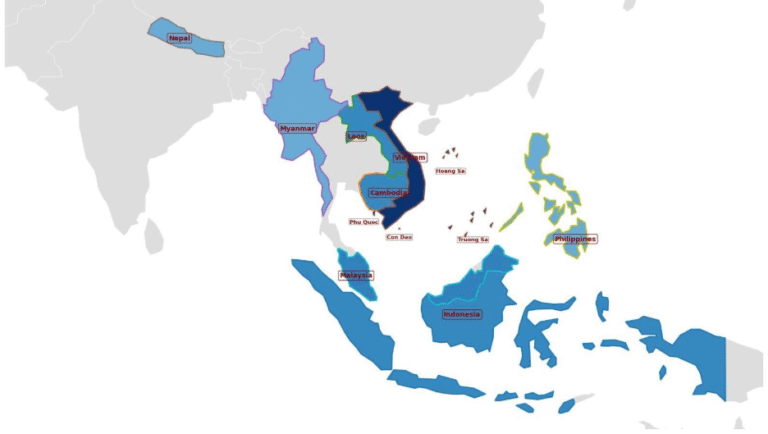
EQUIPSEA trainee distribution by country

The cohort comprises a diverse, multidisciplinary network spanning research institutes, Ministries of Agriculture, universities, and tertiary hospitals. The workshop achieved significant regional reach: nearly half of the participants (43%; 29/67) represented the Southeast Asian and South Asian nations of Indonesia, Malaysia, Thailand, the Philippines, Myanmar, Cambodia, Laos, and Nepal. The remaining 57% were drawn from diverse geographical areas across Vietnam, ensuring a comprehensive national and international exchange of research management best practices. 

Closing the event, Assoc Prof Ngô Thị Hoa emphasised the collaborative nature of the initiative: “The success of the EQUIPSEA workshop is due to the generous support of the British Academy and OUCRU… together, we are building a stronger research culture in Southeast Asia.”

Her remarks highlighted a key theme of the week: that regional scientific excellence depends as much on administrative stewardship as it does on laboratory skills. 

Testimonials

“The workshop has brought me new knowledge and skills; it was worth every penny I spent.” 

Dr Tống Thị Lan Chi, Tay Nguyen University, Vietnam.

“Duplicate this kind of action to continue knowledge sharing, develop networking and collaboration to address common challenges, and online meetings could work. Many thanks for this valuable initiative.” 

A participant from Cambodia.

“Please make another workshop like this for more research support. This encourages us and values insight and knowledge, and also increases our confidence despite feeling ‘we are just supporting’. Thank you very much for the great workshop! Congratulations.” 

A participant from Indonesia.

Skip to content