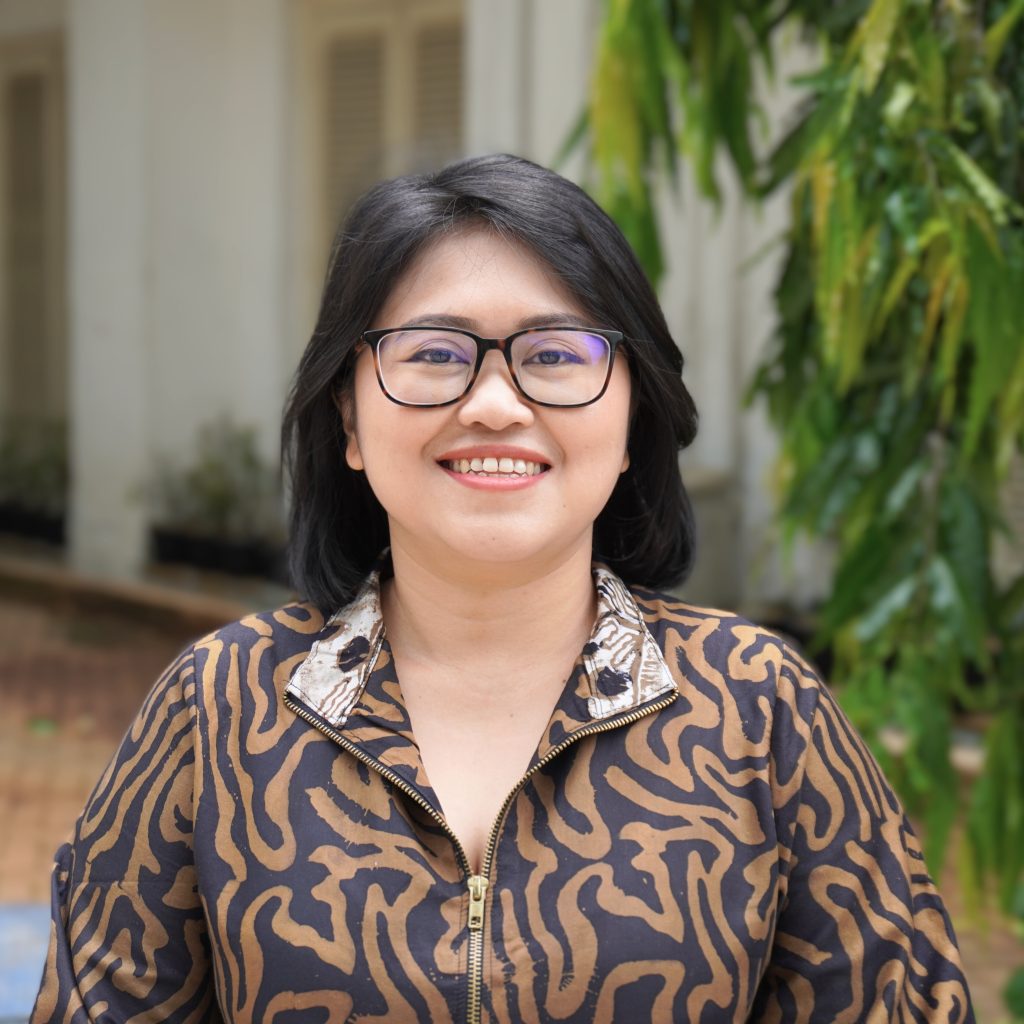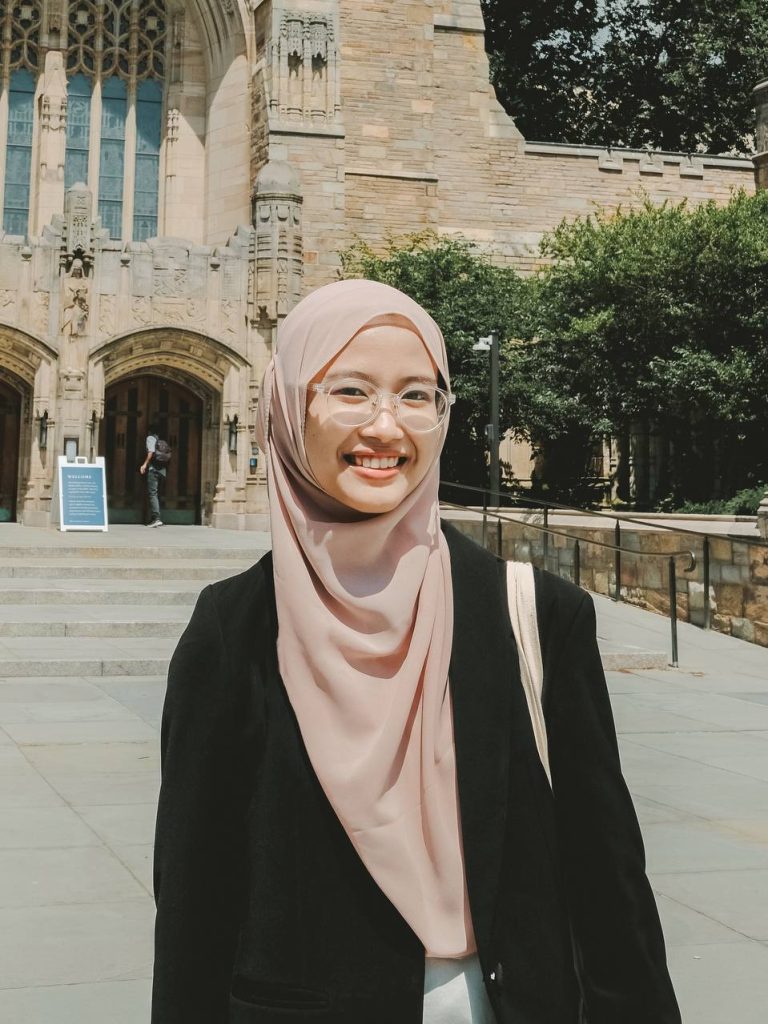

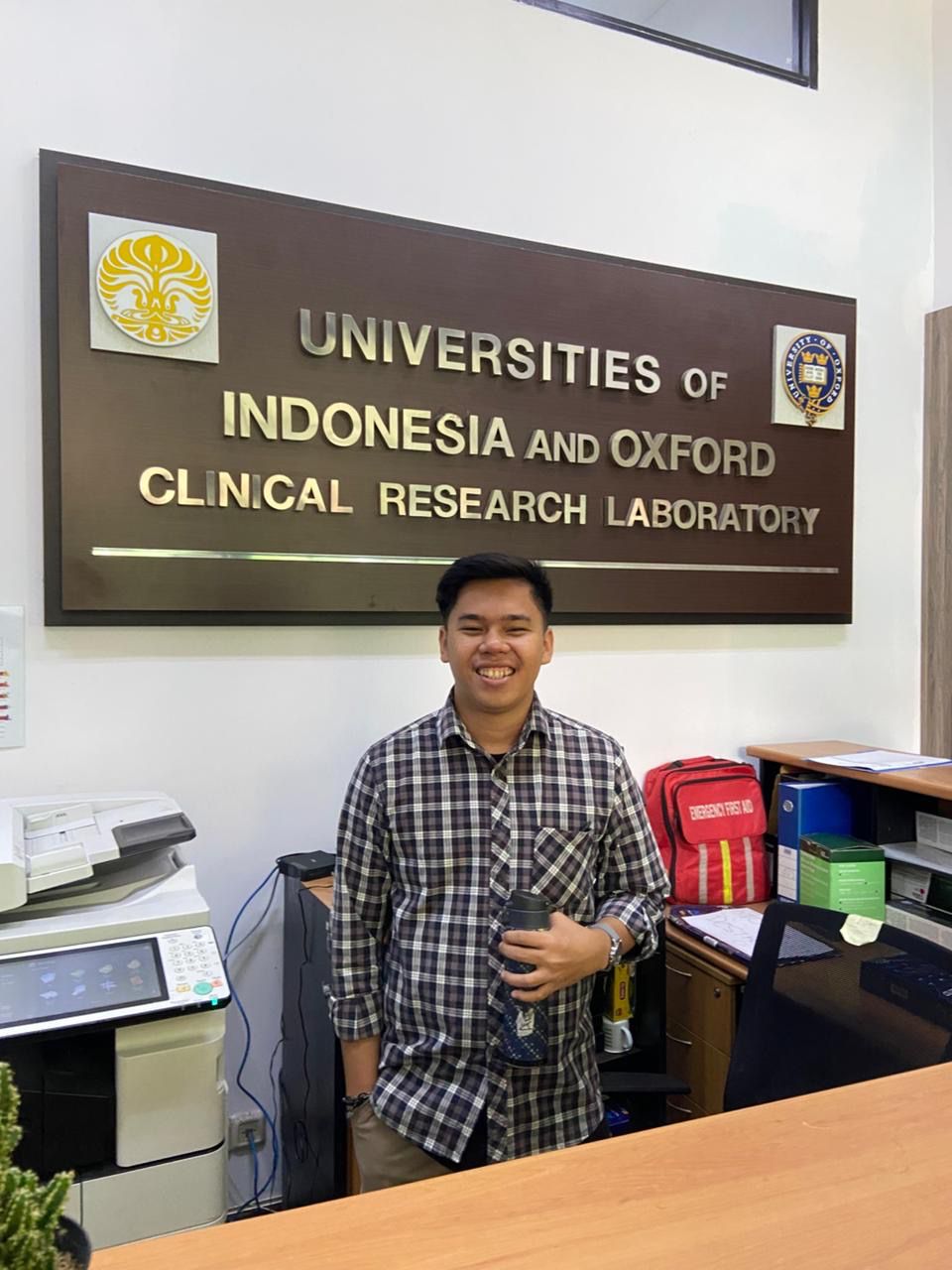
My name is Andre Doloksaribu, and I graduated from Political Science at the University of North Sumatra, Indonesia. During my university years, I actively participated in community services, community empowerment, community organizing, learned about stakeholder mapping and social analysis, and also worked directly with communities through backbone of academic and community services known as Tri Dharma Perguruan Tinggi.
Social issues and community engagement always sparked my interest, and I enjoy activities that encourage public participation and strengthen civil society. In my view, community involvement is important in every sector because people are an inseparable part of society itself. I have always believed that meaningful change happens when people are involved in conversations and decisions that affect their lives. They should have opportunities to contribute their perspectives and experiences.
The Gap Between Research and Communities
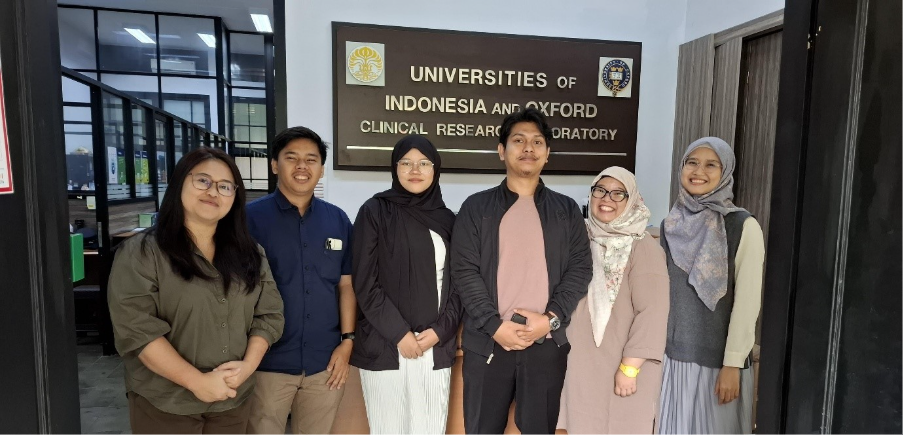
Working as a Public and Community Engagement Intern at OUCRU introduced me to a new perspective. One of the biggest surprises during my internship was discovering how important community participation is throughout the research process. Entering the world of health research made me realise that community participation is not only important in social and political settings, but also plays a major role in the health sector.
The more I learned about community engagement at OUCRU, the more I understood how important community voices are in shaping the research process. This is important because many people still see health research as something distant from their everyday lives. There is often a gap that makes research feel like a world that belongs only to doctors, scientists, and medical professionals. As a result, people may simply accept medical terms and research concepts without fully understanding them.
In many cases, this happens because the language used in medicine and health research feels unfamiliar. Scientific terminology can feel intimidating, and research processes are often difficult for non-specialists to understand. Because of this, there can sometimes be a gap between researchers and the communities, making it difficult for many people to connect with the world of health research.
Before joining OUCRU, I also viewed this gap as one of the major challenges in health research communication. OUCRU was committed to bridging that gap. My experience in Public and Community Engagement at OUCRU showed me that this gap is not inevitable. Through meaningful engagement and dialogue, researchers and communities can develop a better understanding of one another, making health research more accessible, relevant, and inclusive.
Moving Beyond the Traditional Path
My experience in Public and Community Engagement at OUCRU challenged my previous assumptions and helped me appreciate how meaningful community engagement can be within the research process. What impressed me most was seeing that community engagement is not treated as a formality or simply a box to tick. Instead, it is recognized as an important part of conducting research that genuinely involves the public.
As an intern, I had the opportunity to help organize FORUM meetings (Forum Masyarakat untuk Riset Kesehatan), where community members were invited to provide feedback on informed consent documents and ongoing or proposed health research. Listening to community members discuss research documents made me realise that people often have questions and concerns that researchers may not immediately see. Their feedback offered perspectives that could only come from lived experience. OUCRU also introduced participants to the concept of clinical trials and explained how research works in practice.
These sessions brought together researchers and community members in a space designed for dialogue and mutual learning. Community representatives were invited to review informed consent materials, provide feedback on proposed research activities, and share their perspectives on ongoing studies. Some participants shared personal stories about how research had positively impacted their lives and recovery journeys.
Another memorable experience was supporting Student Visit activities, where students were introduced to the realities of working in a research institution and future career paths. It was inspiring to see their curiosity and enthusiasm as they learned about health research for the first time.
Strong emphasis is placed on ethics and community involvement. I learned that successful research is not only measured by the quality of its data but also by how well communities understand the purpose of the research and feel respected throughout the process. This experience helped me understand the importance of clear communication, transparency, and building trust with different groups within society.
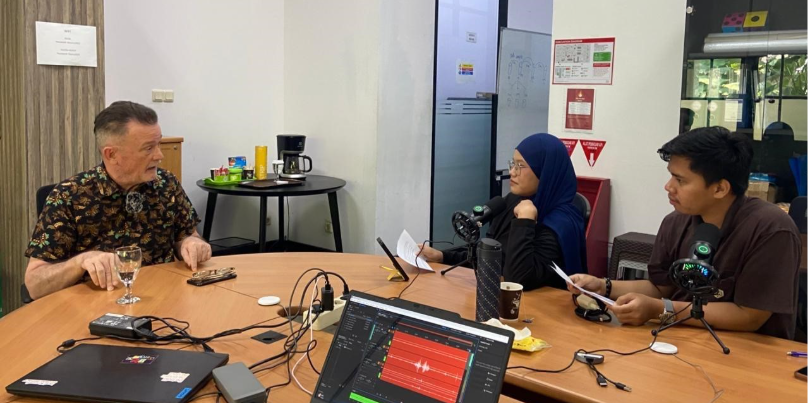
I also had an unforgettable moment during my internship, which was the opportunity to interview J. Kevin Baird, OUCRU’s Regional Interim Director, Vietnam–Indonesia–Nepal. It was a rare and valuable chance to hear directly from someone who has dedicated much of his career to health research: how he began his professional journey, what motivated him to stay in the field, and his thoughts on pursuing meaningful work. What made the conversation even more memorable was his friendly personality and the way he shared advice for young people with wisdom and humour.
Tenacity and hard work are essential for achieving long-term success, as careers are often shaped by persistence rather than immediate accomplishments.
– Prof. Kevin Baird
This advice resonated with me because it reminded me that personal and professional growth takes time, and that challenges should be viewed as opportunities to learn rather than reasons to give up. It was an experience that I will always remember to continue learning and growing throughout my own career journey.
More Than Just Any Internship
Over four months internship, I gained many new skills while continuing to develop the ones I already had. Working with different groups of people taught me that communication is not one-size-fits-all. Explaining research activities to community members requires a different approach from speaking with researchers or students visiting the institution. I also learned a great deal about event coordination, project management, teamwork, documentation, and public communication. Most importantly, I learned how to present information in ways that are accessible and easy to understand for different audiences.
On a personal level, this internship has been an incredibly meaningful experience. It changed the way I see health research. I no longer see it as something distant from society. Instead, I began to understand that research connected to our daily life also plays an important role in addressing the challenges faced by communities.
Health research helps answer important questions about diseases, treatments, and innovations that people need. When communities are actively involved in the process, the impact of research becomes even more meaningful and relevant.
Professionally, my internship at OUCRU has become an important part of my career journey. It has strengthened my commitment to continue working in fields that serve and empower communities. OUCRU has taught me valuable lessons about professionalism, collaboration, responsibility, and working with integrity and care.
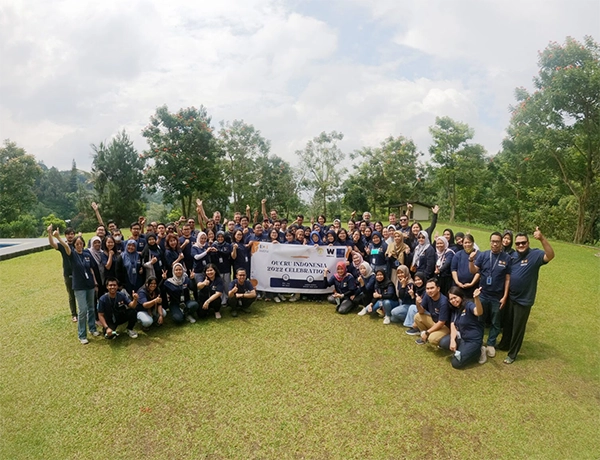
The experience also gave me a realistic picture of a workplace that is collaborative, supportive, positive, and committed to doing things thoughtfully and responsibly. As I conclude this reflection, I feel grateful to have been part of OUCRU Indonesia’s journey over the past few months. This experience has significantly influenced the way I think about professional work and has broadened my understanding of health research and community engagement.
This internship was far more than just a professional experience. It challenged many of my assumptions about health research and showed me how important community voices are in shaping meaningful research. I grew in ways that went beyond my day-to-day responsibilities. I learned many lessons in my career, and I am deeply grateful to the Public and Community Engagement (PCE) team for making this internship experience possible.
I was given opportunities to learn, contribute, and grow both personally and professionally. I would like to thank Kak Eva and Kak Hanifah for their mentorship, encouragement, and dedication throughout this journey. Their guidance not only helped me navigate my internship experience but also inspired me to think more critically about the role of community engagement in health research.
OUCRU has helped me grow, learn, and make meaningful contributions. Thank you, PCE Indonesia Team and OUCRU Indonesia!