

Participatory Visual Method Workshop for Climate Change and Health

July 1, 2025

Using photos to express community perspectives: how photovoice reflects the daily health risk of climate change

Climate change is the greatest health threat facing humanity today. Its impact on livelihoods, equity, healthcare access, and community resilience falls hardest on vulnerable groups—women, children, ethnic minorities, older adults, and those with pre-existing conditions. How can a creative engagement method, photovoice explore the perception and communicate climate and health risks in Indonesia, Vietnam and Nepal? 

Collaborators:

  • Medical Science Division, University of Oxford (Study Sponsor) 
  • Wellcome through Dalberg (Presentation Sponsor) 
  • Faculty of Art and Design, Bandung Institute of Technology (Local Collaborator) 

Interested in collaborating on public and community engagement in health research?

Reach us at PCE_Indonesia@oucru.org to explore partnership and other opportunities.

Indonesia, located on the Pacific Ring of Fire, is highly vulnerable to natural disasters such as earthquakes, tsunamis, and others. Many Indonesians see these events as unavoidable natural facts, which shape how they understand climate change: outside of human control. This misconception can prevent communities from being aware and acknowledging how human actions—like pollution and deforestation—contribute to environmental changes and how those changes can impact human health.

In 2024, a project across Indonesia, Vietnam, and Nepal aims to explore how communities perceive and experience the links between climate change and health. The project team quickly learned that such complex topics can be challenging for the community to communicate through words, regardless of their experience and struggle.
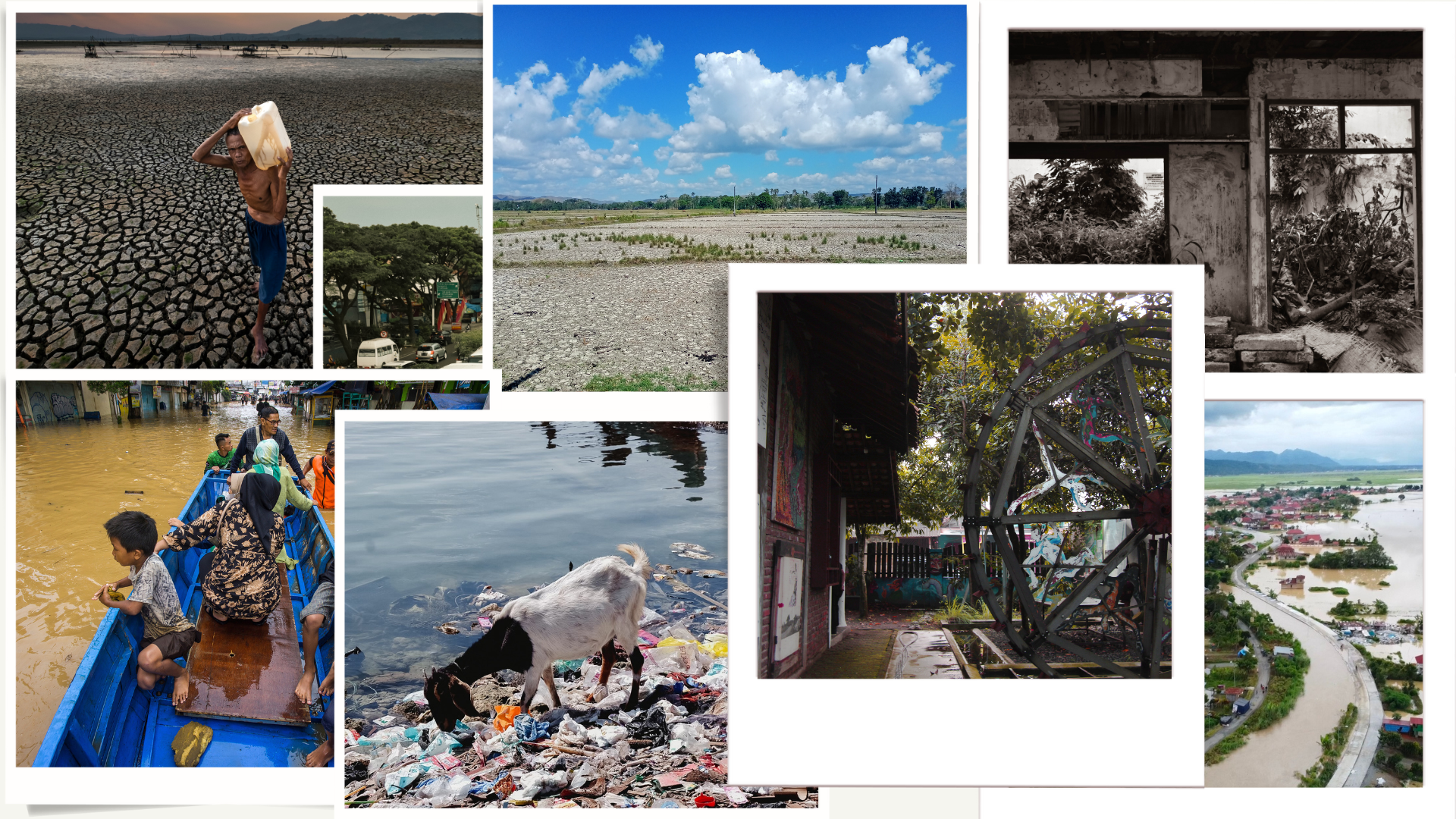
 

Photovoice project visualising climate and health impacts in Indonesia

Photovoice as a creative tool to explore the experience of climate change and its effects on health

In 2024, a project across Indonesia, Vietnam, and Nepal aims to explore how communities perceive and experience the links between climate change and health. The project team quickly learned that such complex topics can be challenging for the community to communicate through words, regardless of their experience and struggle.

Participatory Visual Method Workshop for Climate Change and Health

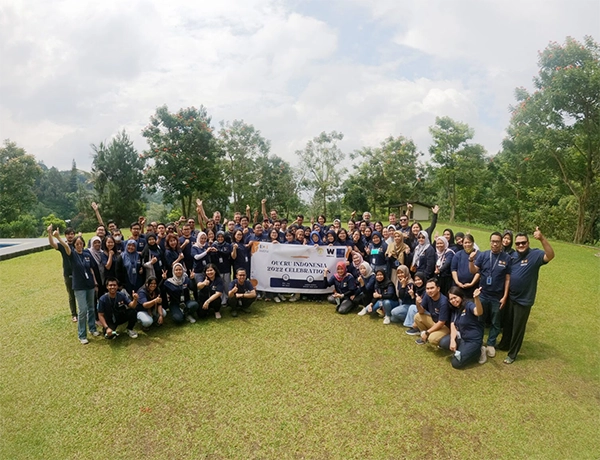
Participatory Visual Methods (PVM) workshop for art students at Bandung Institute of Technology

Over six months, we worked with 45 students and community members across Indonesia and gathered more than 70 visual stories—hundreds of photographs—that reveal their real-life experiences, showing how they see their world changes. Through those everyday photos, issues often invisible in official reports—like worsening air and water quality, rising food insecurity, and the spread of disease, were exposed. Heat stress, difficulties in finding safe food and clean water, and illness spreading are among the aspects that community members reveal about how climate change impacts their health. It makes the issue real and relatable—it’s not just a distant problem, it’s happening to real people in their daily lives.

Those visual stories are more than just everyday images – they are expressions of concern, confusion, and fear, but also resilience and hope.

The photovoice method has proven to be a powerful tool in raising awareness and helping both communities and scientists understand climate change in a deeper, more personal way. By giving people a voice through images, we can better understand their experiences and find new ways to support them in facing climate change.

The project’s poster, presented at the Public and Communication Science Technology Conference (PCST) 2025
Access the photobook compilation, capturing the Indonesian lived reality facing climate change here.

Loading...

In This Article

Learn More

Related

Forum Theatre Simulation

Analyse Tam’s choices. Step inside the story as an interactive spectator to break the chain of medical mishaps before it’s too late.

STORY TIMELINE PROGRESSION

progress step 6

The Ultimate Prevention: Vaccine Status

What if the volunteer leader had checked everyone’s Tetanus vaccination status before leaving for the field trip?

Vaccination Changes Everything

  • 100% Preventable: As you can see from our play, Tetanus cannot be cured easily once symptoms start and can be costly. But it is almost completely preventable with regular vaccination.
  • 10-Year Rule: Adults need a Tetanus booster shot every 10 years to maintain immunity.
  • Early booster shot: If you receive a deep or dirty cut (such as in the play, one from a rusty tool), you may need a booster if your last shot was more than 5 years ago.

When was your last Tetanus shot? Check your records today — a simple booster is the ultimate protection against unexpected accidents.

Forum Theatre Simulation

Analyse Tam’s choices. Step inside the story as an interactive spectator to break the chain of medical mishaps before it’s too late.

STORY TIMELINE PROGRESSION

progress step 5

Scenario Solved at Step 5!

Life-saving intervention! Jaw stiffness (lockjaw) is a classic symptom of active Tetanus toxin. Immediate hospital admission is required to secure the airway and control muscle spasms.

What if Tam had an ultimate shield against tetanus—protecting him from rusty tools before the trip even started?

Forum Theatre Simulation

Analyse Tam’s choices. Step inside the story as an interactive spectator to break the chain of medical mishaps before it’s too late.

STORY TIMELINE PROGRESSION

progress step 4

Scenario Solved at Step 4!

Good call! Healthcare providers depend on the full context. Clearly stating that an injury involved rusted metal alerts the nurse to assess Tetanus exposure immediately.

What if Tam had an ultimate shield against tetanus—protecting him from rusty tools before the trip even started?

Forum Theatre Simulation

Analyse Tam’s choices. Step inside the story as an interactive spectator to break the chain of medical mishaps before it’s too late.

STORY TIMELINE PROGRESSION

progress step 3

Scenario Solved at Step 3!

Spot on! Social media content often promotes unverified advice that delays crucial medical intervention. Deep, dirty cuts always require professional evaluation within hours.

What if Tam had an ultimate shield against tetanus—protecting him from rusty tools before the trip even started?

Forum Theatre Simulation

Analyse Tam’s choices. Step inside the story as an interactive spectator to break the chain of medical mishaps before it’s too late.

STORY TIMELINE PROGRESSION

progress step 2

Scenario Solved at Step 2!

Smart choice! Clostridium tetani bacteria thrive in organic material like dirt and leaves. Keeping raw plants out of deep cuts prevents pushing bacterial spores deeper into tissue.

What if Tam had an ultimate shield against tetanus—protecting him from rusty tools before the trip even started?

Forum Theatre Simulation

Analyse Tam’s choices. Step inside the story as an interactive spectator to break the chain of medical mishaps before it’s too late.

STORY TIMELINE PROGRESSION

progress 1 of 6

Scenario Solved at Step 1!

Great call! By stopping work with high-risk, corroded tools, you removed the physical source of Tetanus exposure entirely before an injury could even happen.

What if Tam had an ultimate shield against tetanus—protecting him from rusty tools before the trip even started?

Skip to content