

A new Comment published in The Lancet by OUCRU Nepal researchers Dr Abhilasha Karkey, Dr Sudeep Adhikari, and Dr Buddha Basnyat highlights an important lesson from Nepal’s 2026 flood: responding to a major disaster requires more than immediate rescue and emergency care.
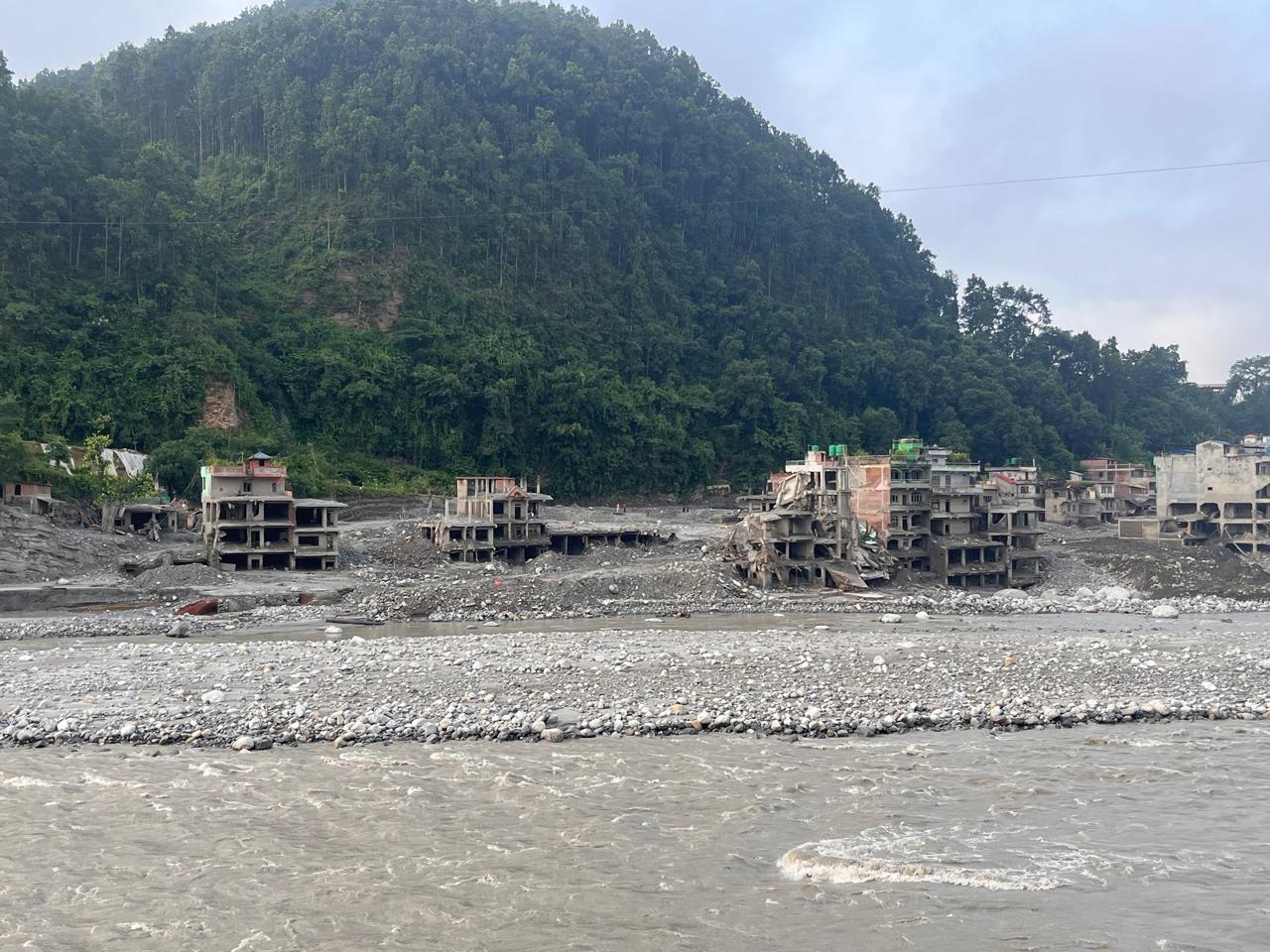
Photo courtesy: Pratistha Joshi, OUCRU Nepal
Titled “Beyond rescue: building a resilient health system after Nepal’s 2026 flood,” the Comment examines the wider health consequences of the disaster and the pressures it has placed on Nepal’s health system.
The authors highlight the importance of maintaining essential health services during emergencies, including disease surveillance and laboratory diagnosis, vaccination, maternal and child health services, mental health support, and continued treatment for people living with chronic diseases.
They also emphasise the need for stronger preparedness at the local level. Health systems need to be able to continue functioning even when roads, bridges, electricity, communication networks, and supply chains are disrupted.
The Comment also explores the role of universities and research institutions in disaster preparedness and response. Research organisations can contribute through epidemiological analysis, clinical characterisation, laboratory testing, diagnostic evaluation, and rapid assessment of disrupted health services.
While the Comment focuses on Nepal, its message has wider relevance for other countries facing increasing climate-related hazards. Building resilient health systems means preparing not only to save lives during an emergency, but also to continue protecting the health and wellbeing of communities throughout recovery.
Read the full Comment in The Lancet::Beyond rescue: building a resilient health system after Nepal’s 2026 flood