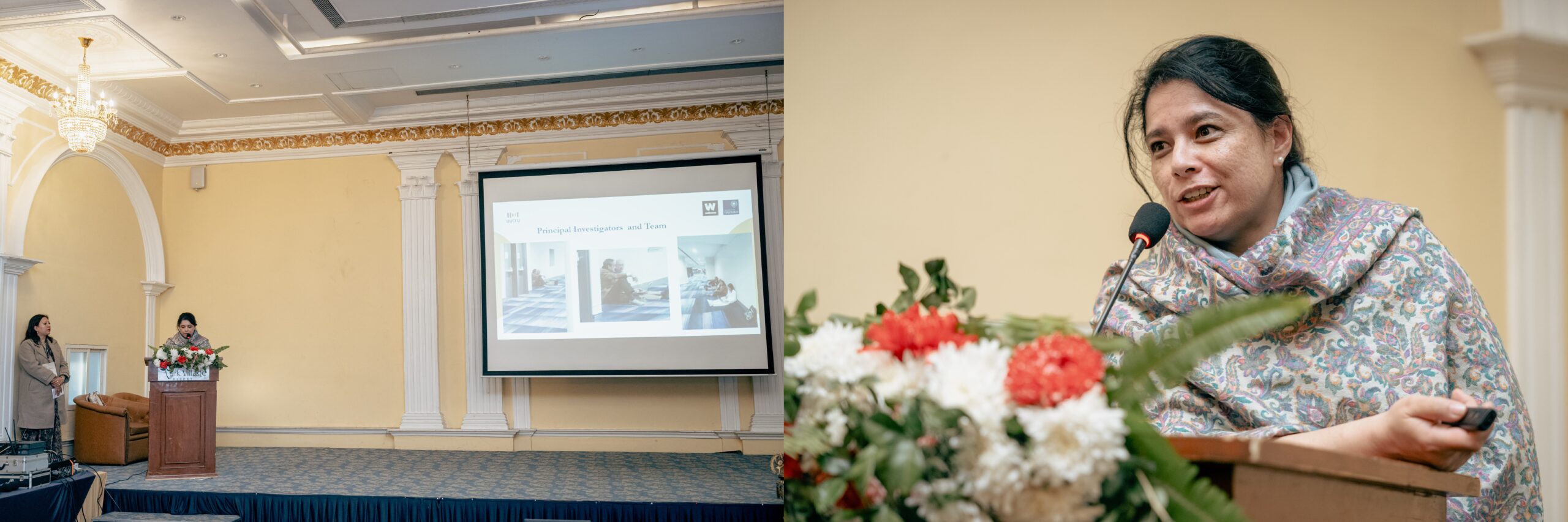


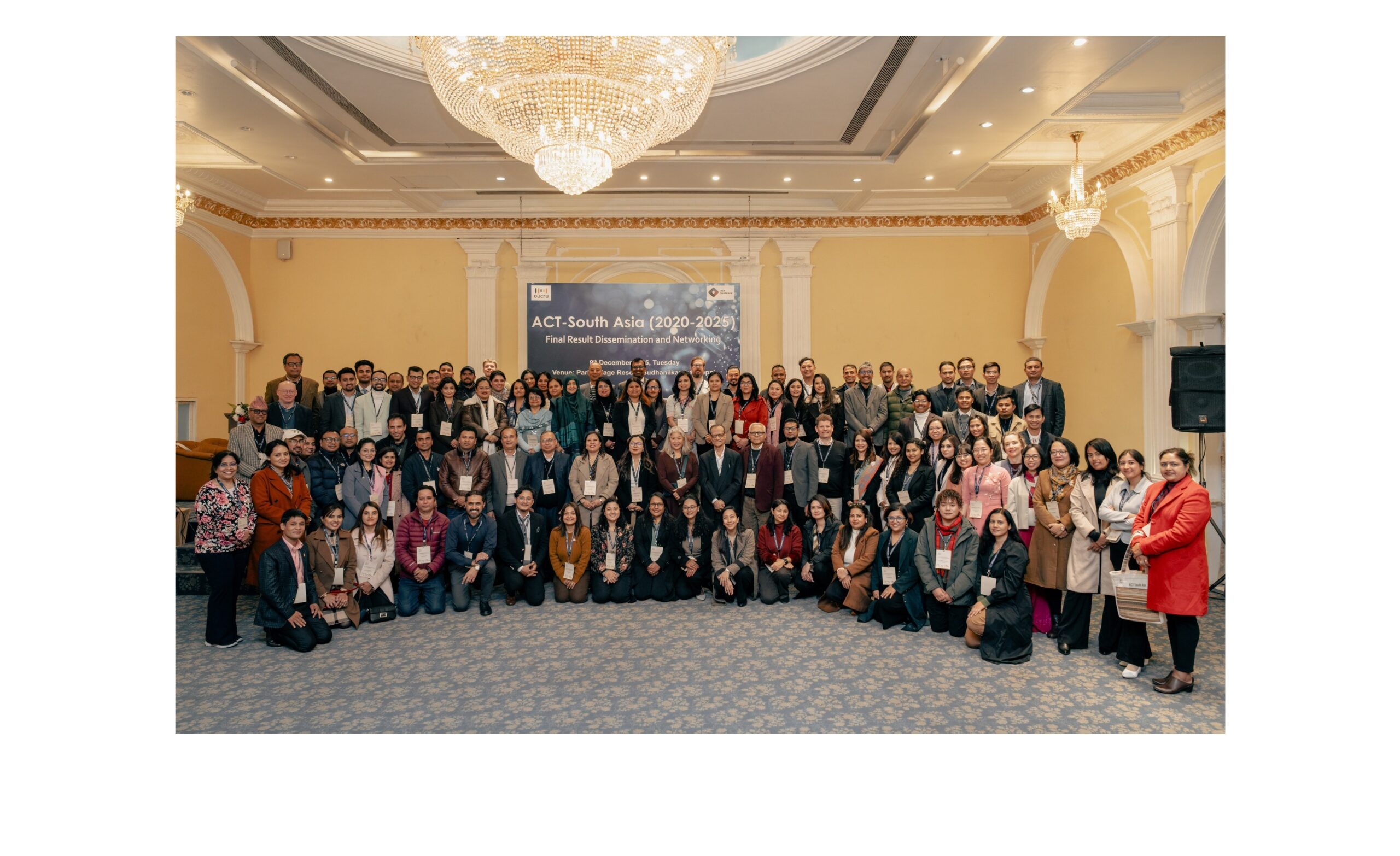
The Oxford University Clinical Research Unit Nepal (OUCRU Nepal) hosted the ACT South Asia Final Results Dissemination and Regional Networking Meeting at Park Village Resort, Budhanilkantha. (ACT stands for Azithromycin vs combination of cefixime and azithromycin in uncomplicated typhoid fever treatment). ACT South Asia was a randomized controlled trial (RCT). The event marked the conclusion of the five-year ACT South Asia Study (2020-2025), the world’s largest clinical trial on typhoid fever treatment, assessing oral combination therapy versus monotherapy.
The ACT South Asia study was a major collaborative effort supported by the UK Research and Innovation (UKRI/MRC). We are very grateful to our funders, who are the Global Challenges Research Fund, UK aid, National Institute for Health Research, Medical Research Council and Wellcome trust.
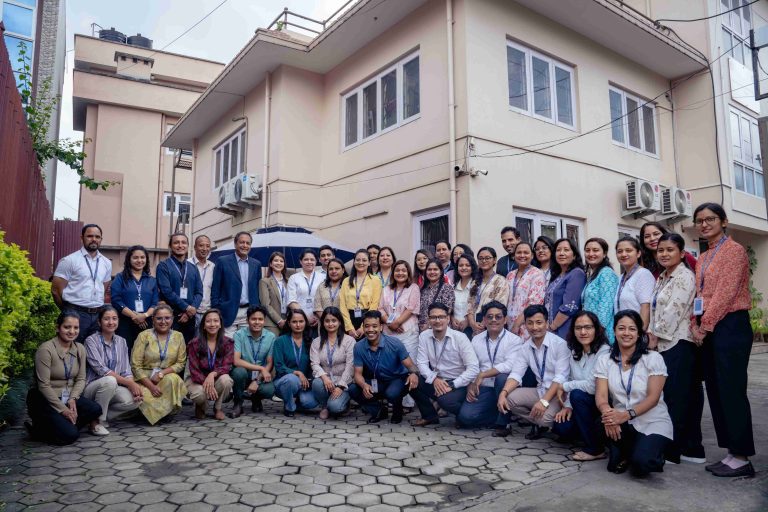
The dissemination meeting brought together clinicians, researchers, laboratory scientists, field teams, data specialists, community partners, government health authorities, and collaborators from across South Asia, as well as international partners from further afield, to reflect on the findings of the RCT and the five years of scientific progress and strong regional collaboration.
The meeting was honored by the presence and support of His Excellency, the British Ambassador to Nepal, Mr. Rob Fenn, underscoring the United Kingdom’s commitment to strengthening research partnerships and health innovation in the region.
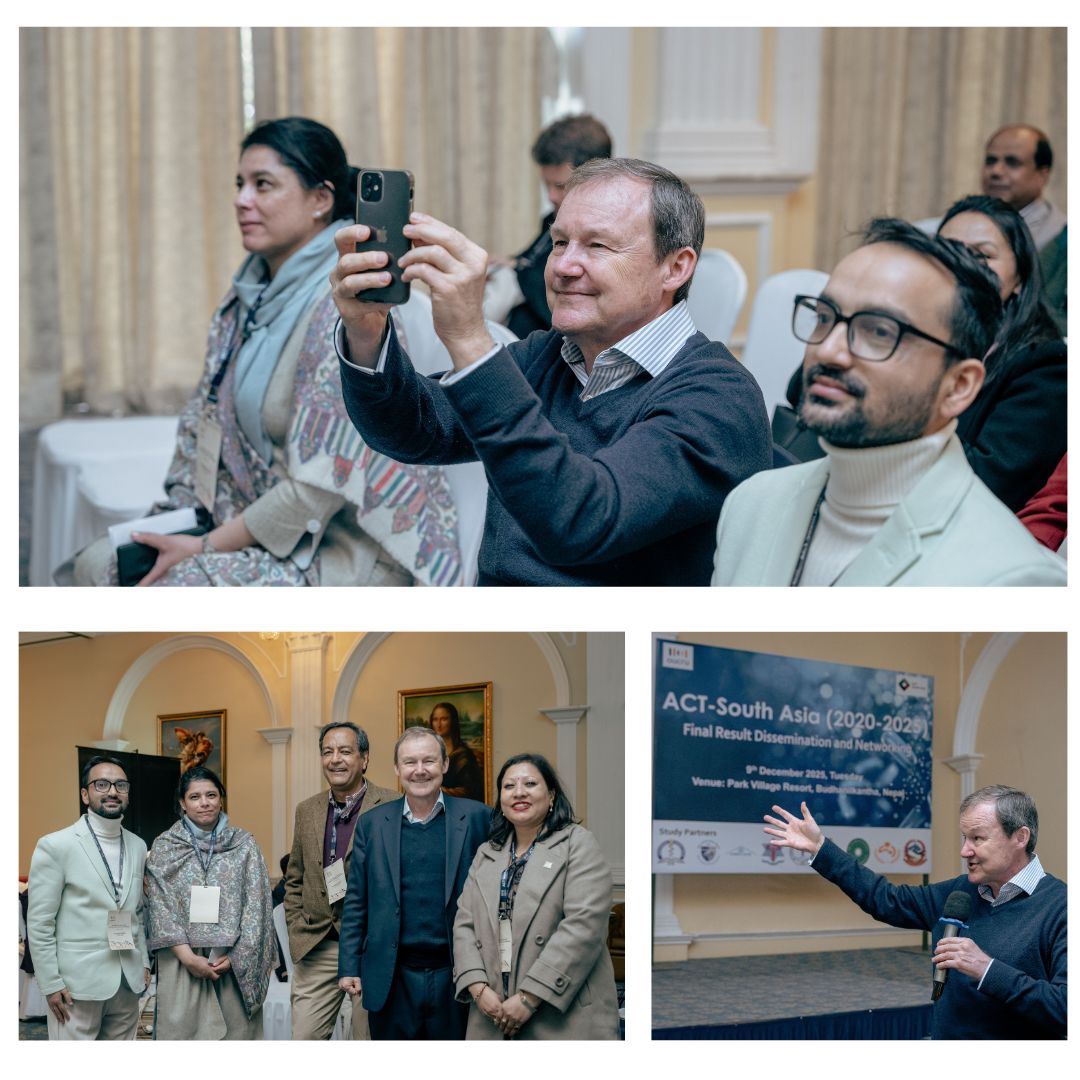
Celebrating Five Years of Collaboration and Scientific Rigor
Despite unprecedented challenges, including the COVID-19 pandemic, dengue outbreaks, political instability, logistical bottlenecks, and resource constraints, the study completed enrolment and follow-up across all participating countries. Speakers highlighted how perseverance, adaptability, and cross-border teamwork were central to the trial’s success.
The opening session, “ACT South Asia, the Story So Far,” traced the study’s journey from concept development and grant application through regional expansion, implementation, and key operational milestones. Presentations offered insights into the ethical, logistical, scientific, and community-level coordination required to conduct a large, multi-country randomized controlled trial during a period of global disruption.
Site-specific sessions enabled investigators from Nepal, Pakistan, and Bangladesh to share experiences, challenges, and lessons learned. Discussions underscored the importance of public engagement, the complexities of fever diagnosis in low-resource settings, and the value of strengthening regional laboratory and disease surveillance capacity.
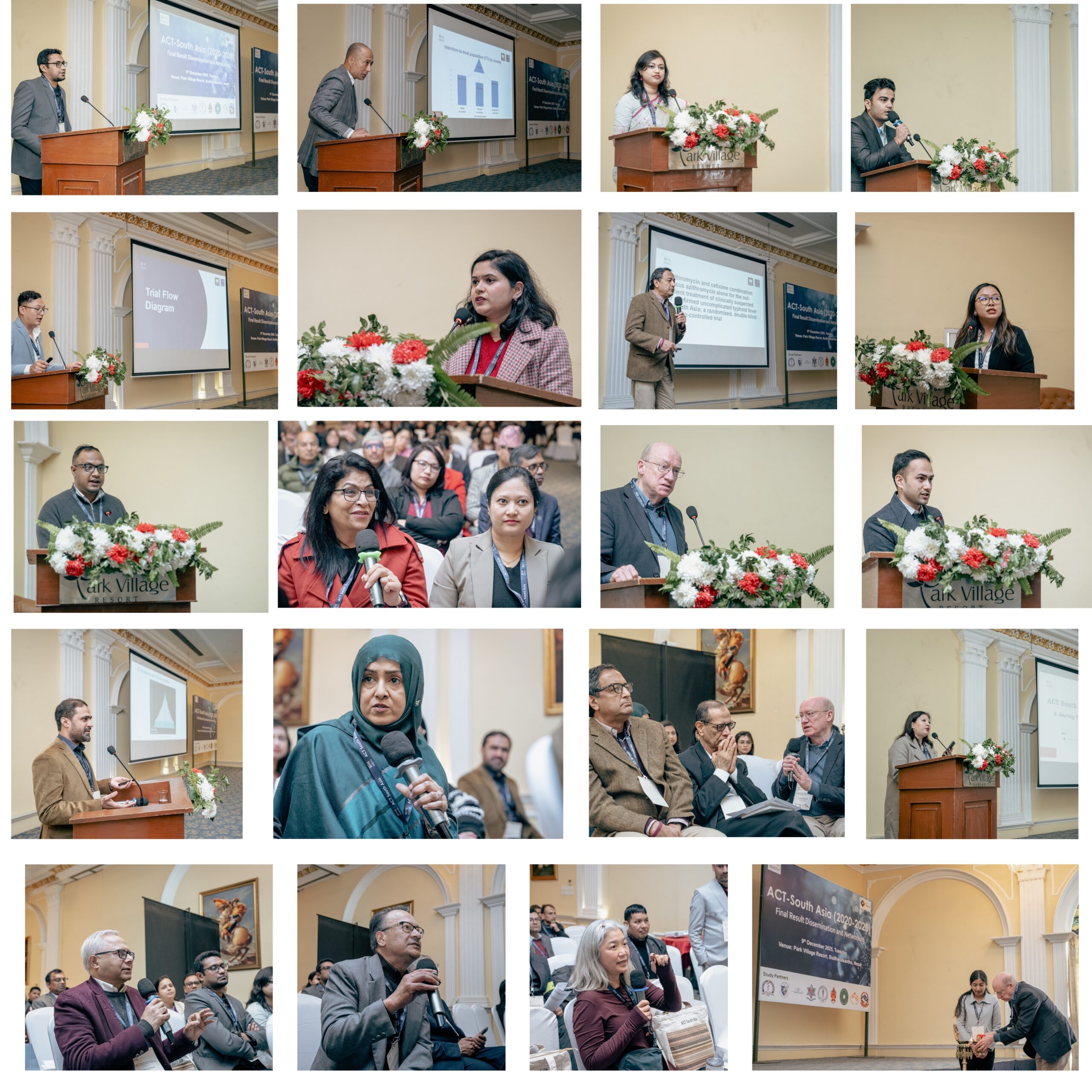
Highlight included overall findings of the RCT, diagnostics, economic insights, and health economics.
The meeting also featured a series of thematic presentations showcasing the broader scientific contributions of the ACT South Asia initiative:
Study findings were presented at the meeting; however, detailed results will be shared publicly following paper publication
Diagnostics: Comparative evaluations of blood culture, serology, and RT-PCR for typhoid diagnosis, including discussions on sensitivity limitations and the future potential of antigen-based diagnostics.
Gut Microbiome and Metagenomics: Insights into antibiotic-associated changes in gut microbiota, the emergence and resolution of antibiotic-resistant genes during recovery, and the role of metagenomics in understanding infection dynamics.
Health Economics: Analyses exploring the economic dimensions of typhoid treatment and implications for healthcare systems in the region.
Together, these sessions highlighted how ACT South Asia contributed not only clinical evidence but also methodological and analytical approaches that can inform future infectious disease research in South Asia.
Acknowledgements and Closing Reflections
The closing session featured reflections and expressions of appreciation from principal investigators across Nepal, Bangladesh, and Pakistan. Speakers acknowledged the exceptional commitment of study staff, clinicians, community partners, and logistical teams who sustained the project through multiple challenges.
OUCRU Nepal Country Director Dr. Abhilasha Karkey delivered the closing remarks, emphasizing the importance of translating strong evidence/ research findings into policy and practice, and the continued need for collaborative research to address drug-resistant infections in the region.