

May 23, 2024

OUCRU Successfully Hosts Viral Genomics and Bioinformatics Course 

OUCRU recently hosted an intensive week-long training event, the Viral Genomics and Bioinformatics course. This event was organised in collaboration with Wellcome Connecting Science, highlighting the ongoing commitment of both institutions to enhance global health research capacity, particularly in the field of infectious diseases.
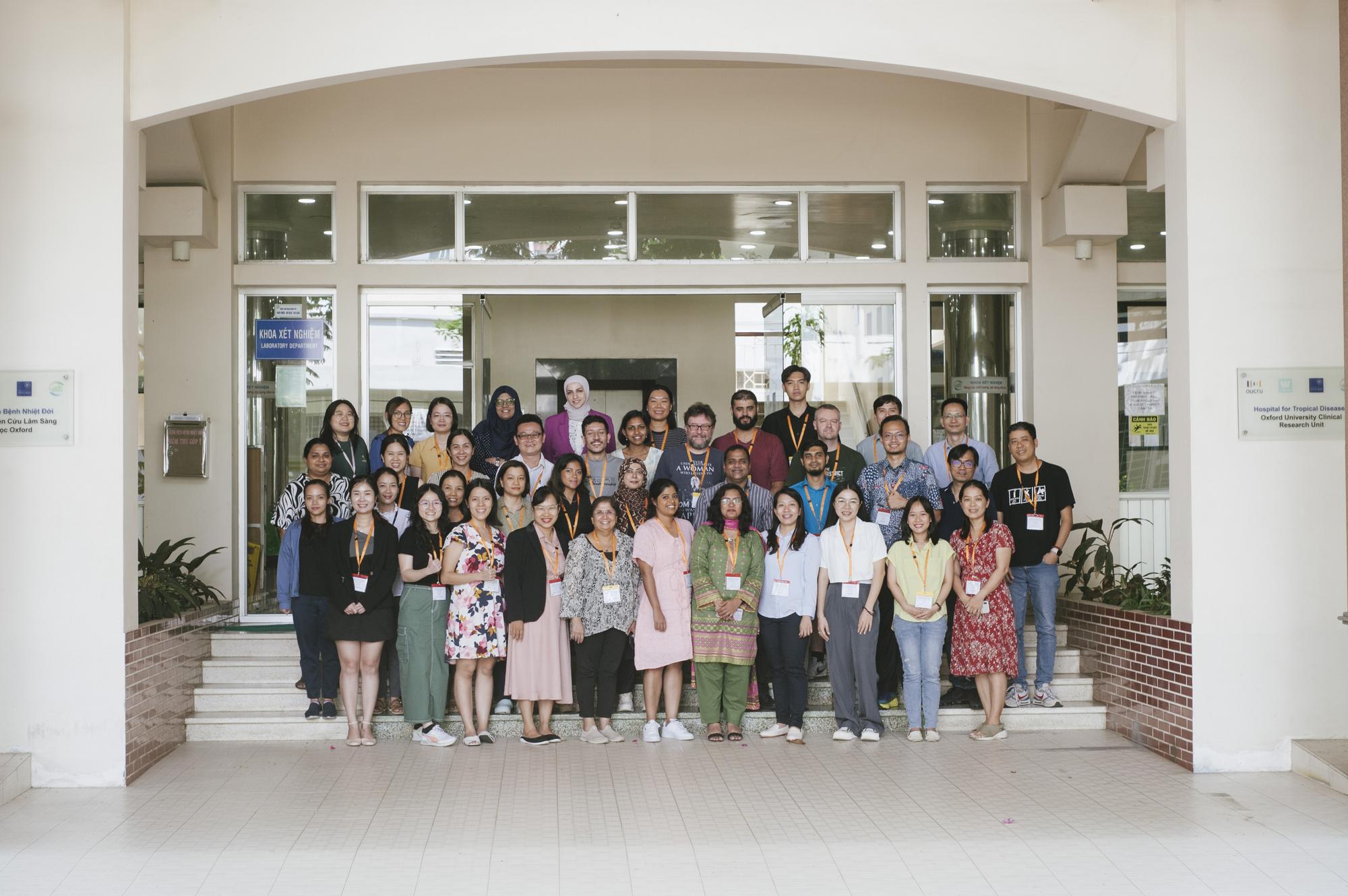
Organisers and participants of the course at OUCRU office in Ho Chi Minh City

Viruses represent a significant public health burden worldwide. In Asia, they are responsible for numerous deaths annually due to diseases such as influenza, dengue fever, hand, foot and mouth disease, chikungunya, and viral hepatitis. There is a critical need for rapid detection, surveillance, and management of viral diseases, which have been made possible by advancements in technological and scientific research. Recently, next-generation sequencing (NGS) technologies have become essential tools in the identification and classification of viruses, detection of drug-resistance mutations, and overall treatment and surveillance of viral diseases. 

The Viral Genomics and Bioinformatics course provided training in how to handle and interpret the vast data generated by NGS, including the use of command line tools for viral genome analysis, quality control of sequences, reference mapping, de novo assembly, and creating phylogenetic trees to track virus evolution. 

The course took place at OUCRU’s facilities in Ho Chi Minh City and was led by a team of experts including OUCRU’s Associate Professor Le Van Tan and several members of Emerging Infections group. The faculty included Dr Sreenu Vattipally, Dr Richard Orton and Dr Srikeerthana Kuchi from the MRC-University of Glasgow Centre for Virus Research, UK, and Dr Urmila Kulkarni Kale from the Savitribai Phule Pune University, India along with assistants from the University of Malaysia and OUCRU.

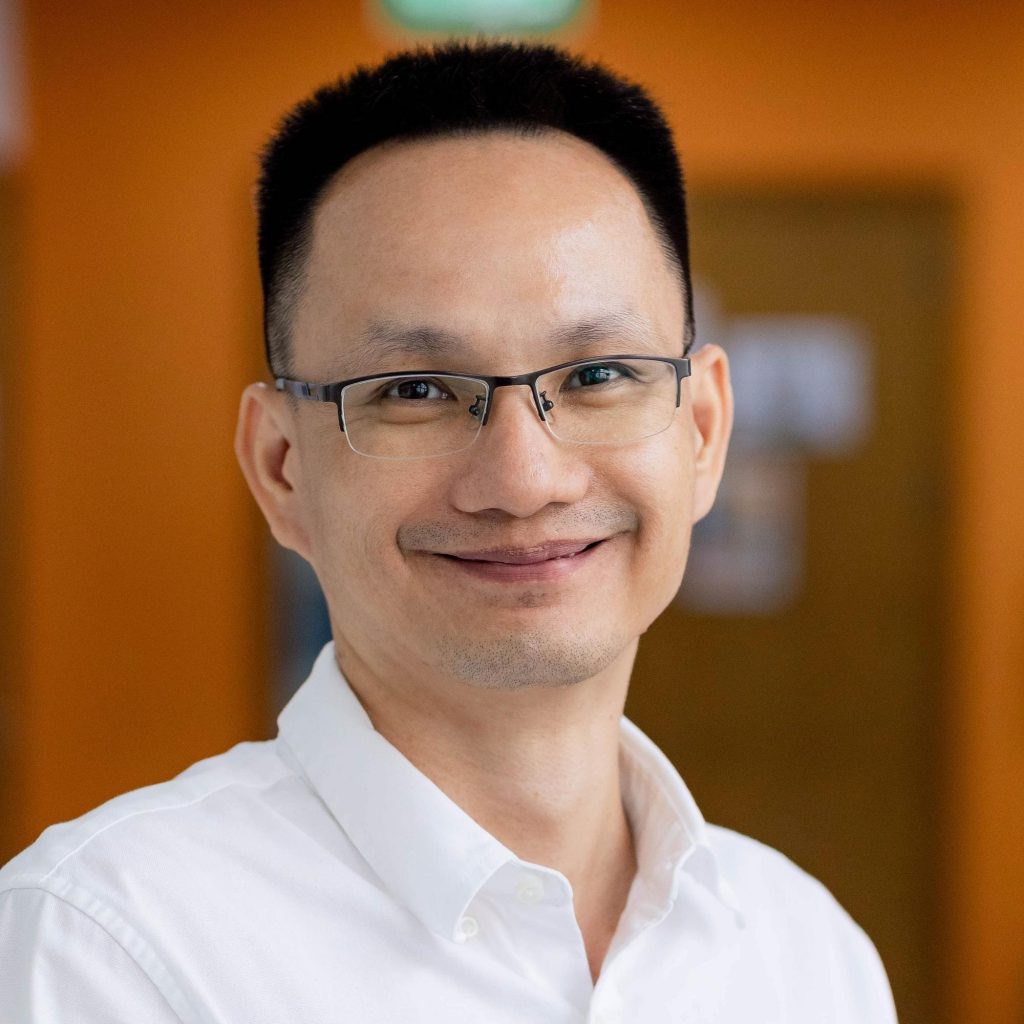
“This course is a crucial step towards empowering researchers and clinicians in Asia with the advanced skills needed to tackle viral diseases, which continue to pose significant public health challenges in the region.”

Associate Professor Le Van Tan

Designed primarily for scientists and healthcare professionals based in Asia, the course aimed to build expertise in the analysis and interpretation of viral genome sequences obtained through NGS technologies. The curriculum covered a broad spectrum of topics including metagenomics, viral pathogen detection, and the construction of phylogenetic trees. 
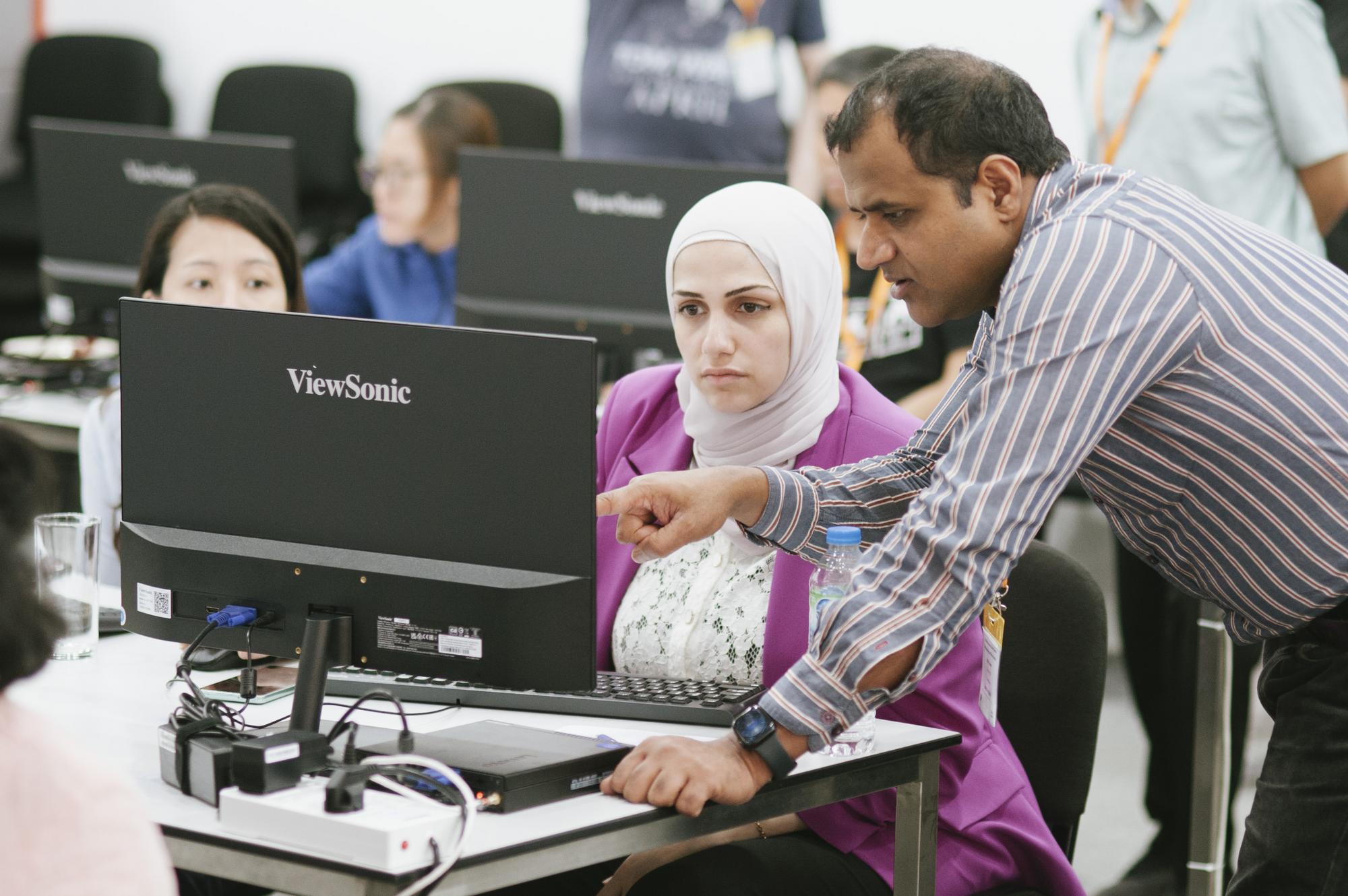
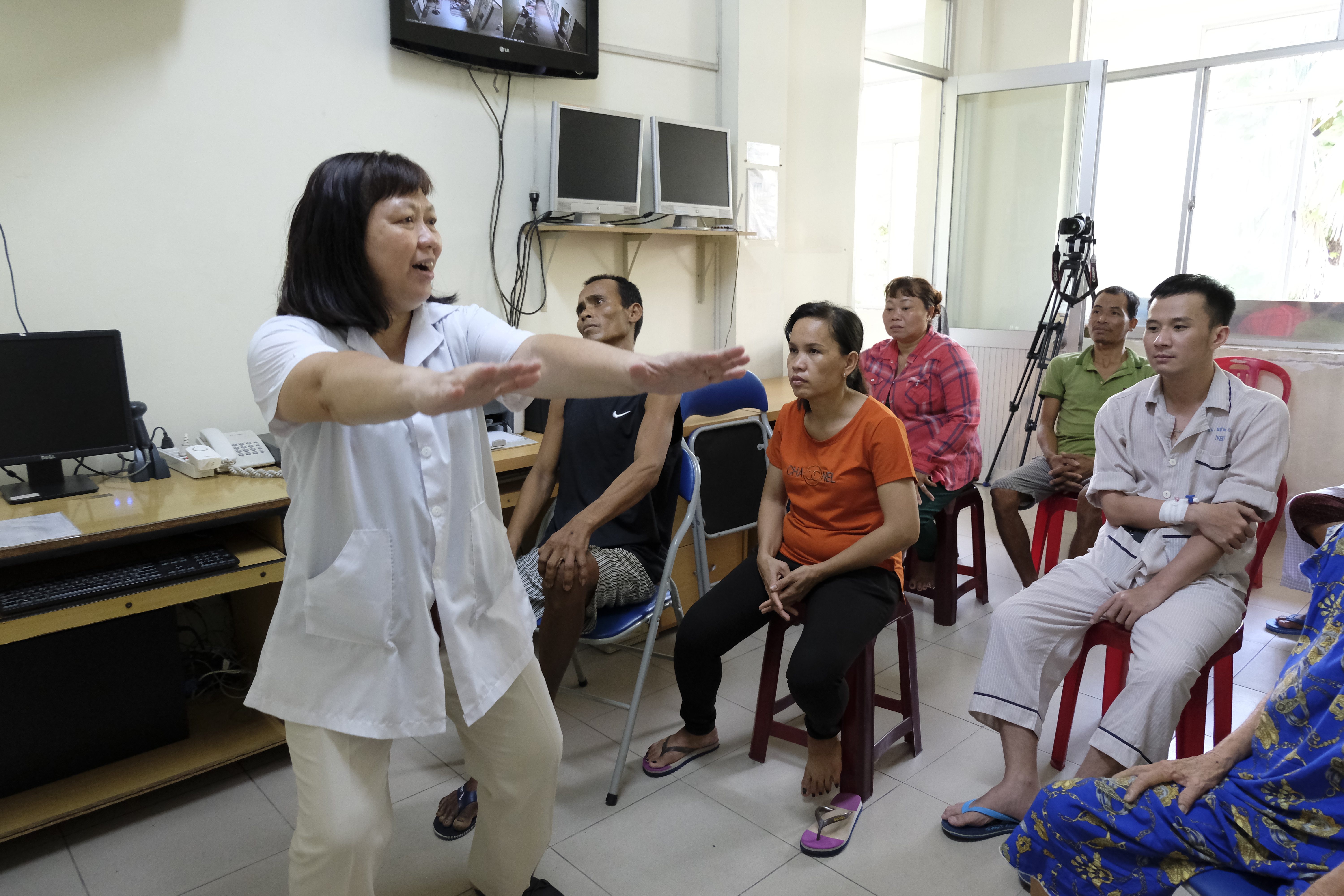
Dr Sreenu Vattipally provides hands-on training for the course

One of the course organisers, Dr Sreenu Vattipally said: “Apart from knowledge exchange, this course brought virologists from various countries together, fostering collaborations, networking opportunities, and generating innovative ideas to tackle viral infectious diseases, which are a major health burden in Asian countries.” 

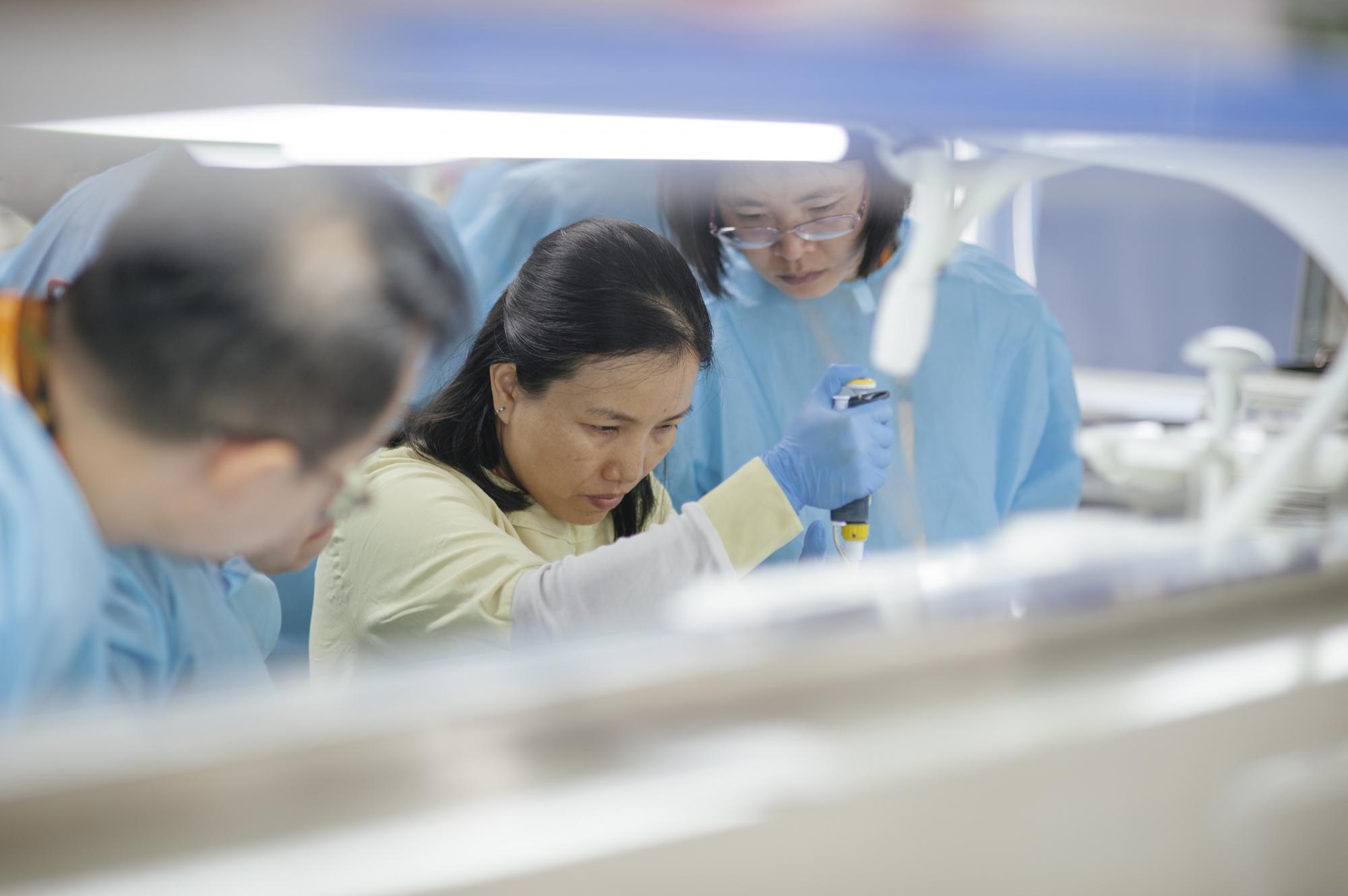
Throughout the week, participants engaged in hands-on training sessions, which included practical computational exercises, case studies, and seminars. These activities were designed to provide the attendees with real-world applications of bioinformatics tools and techniques for viral genomics research. 
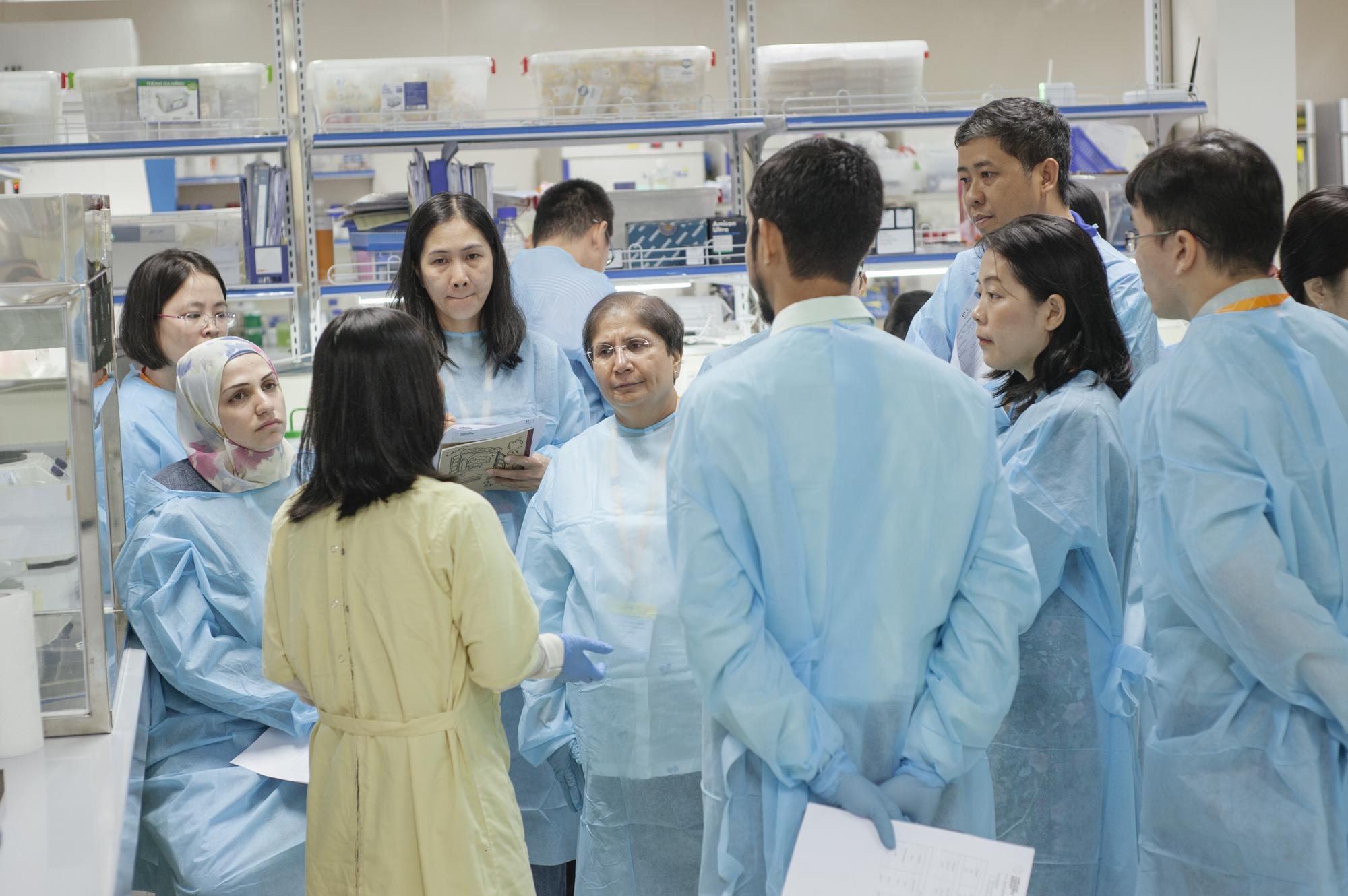
The participants joined hands-on training in the lab

“The course helped me understand and use each step, each command, each method and tools to assemble reading fragments into a complete genome sequence of the virus. I was also able to use new tools to build and visualise phylogenetic trees. I think my biggest achievement after this course is that I have learned to analyse sequencing data myself.” 

Vu Thi Ngoc from Pasteur Institute in Nha Trang

“The facilities provided to us for the course by OUCRU were excellent and the local organisers and trainers were extremely helpful, enabling us to run a successful course,” Martin Aslett, Wellcome Connecting Science Learning and Training Informatics Manager commented.  

The event not only served as a platform for learning and exchange of cutting-edge scientific knowledge but also fostered networking among participants from various Asian countries, enhancing regional collaborations in viral research and contributing to global efforts in understanding and combating infectious diseases through scientific research and capacity building. 

Loading...

In This Article

Learn More

Related

Forum Theatre Simulation

Analyse Tam’s choices. Step inside the story as an interactive spectator to break the chain of medical mishaps before it’s too late.

STORY TIMELINE PROGRESSION

progress step 6

The Ultimate Prevention: Vaccine Status

What if the volunteer leader had checked everyone’s Tetanus vaccination status before leaving for the field trip?

Vaccination Changes Everything

  • 100% Preventable: As you can see from our play, Tetanus cannot be cured easily once symptoms start and can be costly. But it is almost completely preventable with regular vaccination.
  • 10-Year Rule: Adults need a Tetanus booster shot every 10 years to maintain immunity.
  • Early booster shot: If you receive a deep or dirty cut (such as in the play, one from a rusty tool), you may need a booster if your last shot was more than 5 years ago.

When was your last Tetanus shot? Check your records today — a simple booster is the ultimate protection against unexpected accidents.

Forum Theatre Simulation

Analyse Tam’s choices. Step inside the story as an interactive spectator to break the chain of medical mishaps before it’s too late.

STORY TIMELINE PROGRESSION

progress step 5

Scenario Solved at Step 5!

Life-saving intervention! Jaw stiffness (lockjaw) is a classic symptom of active Tetanus toxin. Immediate hospital admission is required to secure the airway and control muscle spasms.

What if Tam had an ultimate shield against tetanus—protecting him from rusty tools before the trip even started?

Forum Theatre Simulation

Analyse Tam’s choices. Step inside the story as an interactive spectator to break the chain of medical mishaps before it’s too late.

STORY TIMELINE PROGRESSION

progress step 4

Scenario Solved at Step 4!

Good call! Healthcare providers depend on the full context. Clearly stating that an injury involved rusted metal alerts the nurse to assess Tetanus exposure immediately.

What if Tam had an ultimate shield against tetanus—protecting him from rusty tools before the trip even started?

Forum Theatre Simulation

Analyse Tam’s choices. Step inside the story as an interactive spectator to break the chain of medical mishaps before it’s too late.

STORY TIMELINE PROGRESSION

progress step 3

Scenario Solved at Step 3!

Spot on! Social media content often promotes unverified advice that delays crucial medical intervention. Deep, dirty cuts always require professional evaluation within hours.

What if Tam had an ultimate shield against tetanus—protecting him from rusty tools before the trip even started?

Forum Theatre Simulation

Analyse Tam’s choices. Step inside the story as an interactive spectator to break the chain of medical mishaps before it’s too late.

STORY TIMELINE PROGRESSION

progress step 2

Scenario Solved at Step 2!

Smart choice! Clostridium tetani bacteria thrive in organic material like dirt and leaves. Keeping raw plants out of deep cuts prevents pushing bacterial spores deeper into tissue.

What if Tam had an ultimate shield against tetanus—protecting him from rusty tools before the trip even started?

Forum Theatre Simulation

Analyse Tam’s choices. Step inside the story as an interactive spectator to break the chain of medical mishaps before it’s too late.

STORY TIMELINE PROGRESSION

progress 1 of 6

Scenario Solved at Step 1!

Great call! By stopping work with high-risk, corroded tools, you removed the physical source of Tetanus exposure entirely before an injury could even happen.

What if Tam had an ultimate shield against tetanus—protecting him from rusty tools before the trip even started?

Skip to content