


The Regional Engagement Journal Club, a monthly online forum for engagement practitioners across OUCRU, MORU, and SEACO. The journal club provides a space to explore new ideas, share practices, and strengthen engagement mindsets through discussion of selected papers on programme evaluation, engagement methods, and health-related engagement topics.
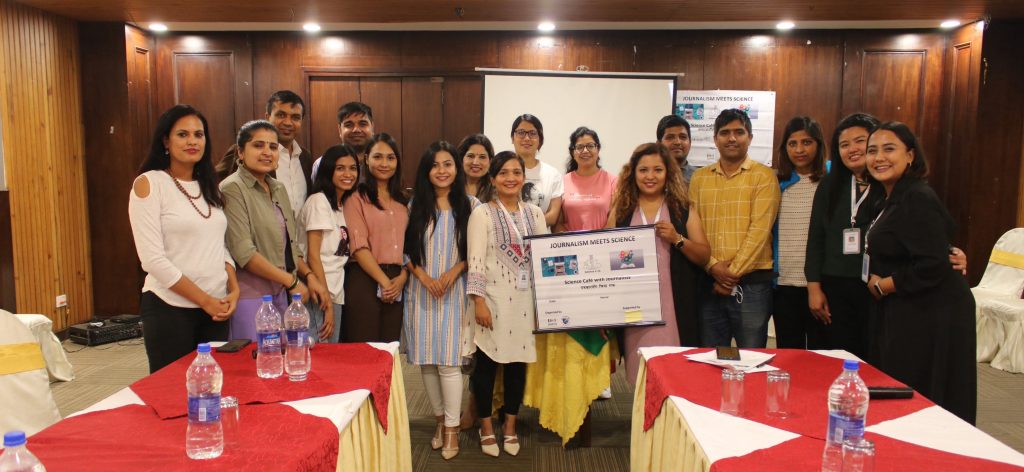
Engaging youth as partners in academic research projects offers many benefits for the youth and the research team. However, it is not always clear to researchers how to engage youth effectively to optimize the experience and maximize the impact.
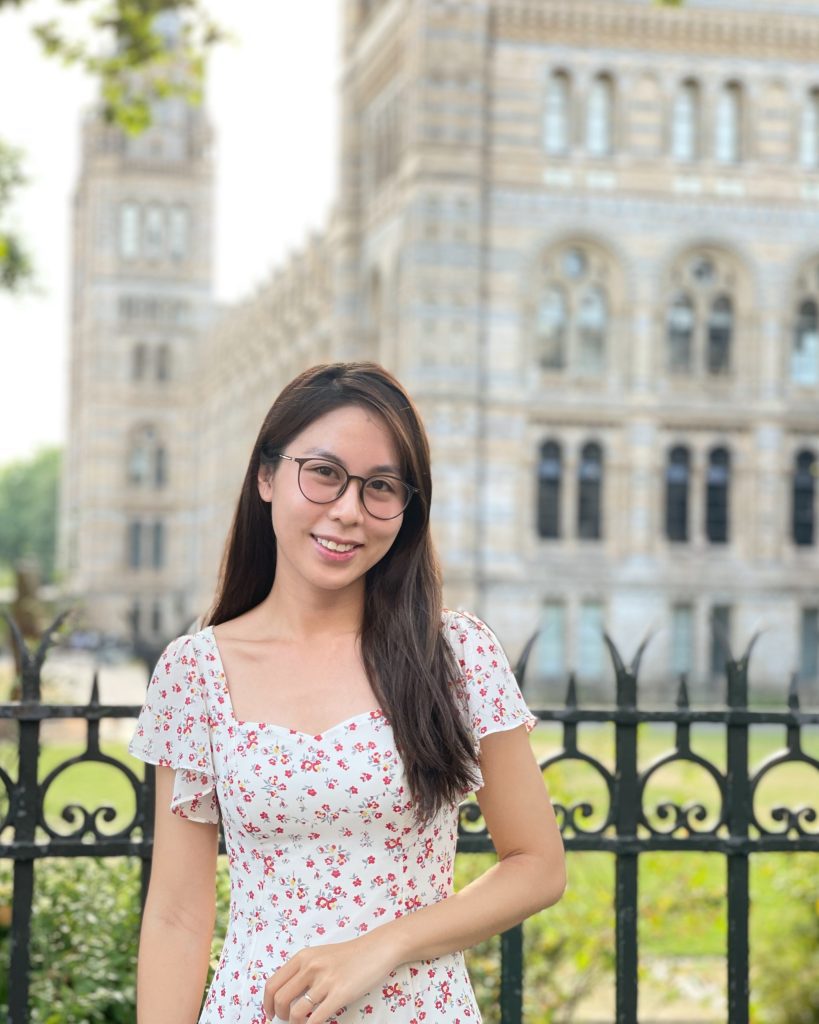
Speaker: Vũ Thanh Phương
Public perceptions of microbes remain predominantly negative, often emphasising contamination and disease rather than their roles in food, ecosystems, and health. Hands-on microbial art has emerged as a promising way to make microbial life visible and approachable. Still, most implementations occur in classrooms or small workshops where access to laboratory infrastructure and biosafety oversight is available. As a result, their reach is limited.
Here, we describe a practical framework for implementing microbial art in an open public venue based on an outreach activity at the Osaka Expo in which approximately 500 visitors created “microbial paintings” using Saccharomyces cerevisiae. To enable safe, bench-free deployment at scale, we prepared YPD agar plates in advance, vacuum-sealed them for room-temperature storage and transport, and activated them on site by adding a suspension of dried commercial baker’s yeast. This design eliminated the need for refrigeration, minimised biosafety risks by using a familiar GRAS organism, and kept contamination and spills manageable under crowded conditions. After the event, plates were incubated, photographed, and shared through a password-like online gallery, where participants could also complete an anonymous questionnaire. We analysed paired before/after attitude items together with free-text comments using a BERT-based sentiment classifier. Among respondents who provided comments (n = 27), we observed small but measurable positive shifts in impressions of microbes, particularly among those who had initially reported a neutral view.
While our data primarily capture affective change, this case study illustrates that large-scale, hands-on microbial art can be conducted safely outside the laboratory and may serve as a useful model for educators seeking to engage broader publics with microbiology.
I am a public and community engagement practitioner, specialising in connecting research with communities, especially young people from the age of 18 to 25. My work focuses on participatory approaches that bridge the gap between scientific knowledge and lived experience. Collaborating with researchers, youth, and community partners, I foster inclusive, dialogue-driven practices that promote trust, shared understanding, and meaningful public involvement in health research.
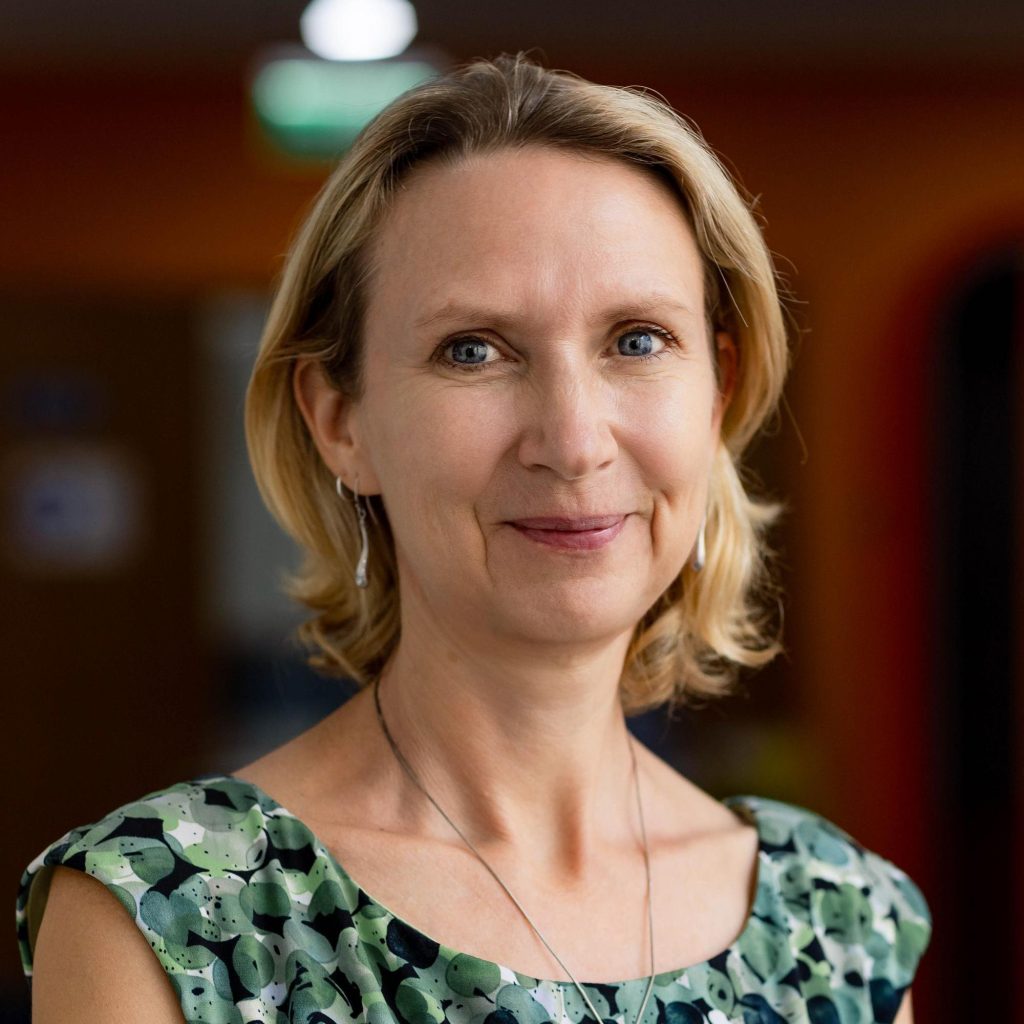
Speaker: Dr Mary Chambers
Individual informed consent is a key ethical obligation for clinical studies, but empirical studies show that key requirements are often not met. Common recommendations to strengthen consent in low income settings include seeking permission from community members through existing structures before approaching individuals, considering informed consent as a process rather than a single event, and assessing participant understanding using questionnaires. In this paper, we report on a qualitative study exploring community understanding and perceptions of a malaria vaccine trial (MVT) conducted in a rural setting on the Kenyan Coast. The MVT incorporated all of the above recommendations into its information-giving processes. The findings support the importance of community-level information-giving and of giving information on several different occasions before seeking final individual consent. However, an emerging issue was that inter-personal interactions and relationships between researchers and community members, and within the community, play a critical role in participants’ perceptions of a study, their decisions to consent or withdraw, and their advice to researchers on study practicalities and information to feedback at the end of the trial. These relationships are based on, and continually tested by, information-giving processes and context-specific concerns and interests that are difficult to predict and well beyond the timescale and reach of single research activities. Based on these findings, we suggest that the current move towards increasingly ambitious and stringent formal standards for information-giving to individuals be counter-balanced with greater attention to the diverse social relationships that are essential to the successful application of these procedures.
This may be assisted by emphasising respecting communities as well as persons, and by recognising that current guidelines and regulations may be an inadequate response to the complex, often unpredictable and ever-shifting ethical dilemmas facing research teams working ‘in the field’
Dr Mary Chambers has a PhD in mosquito transmission dynamics from University of Cambridge. Mary is now Head of Public and Community Engagement (PCE) at OUCRU, with the aims of creating dialogue about science in local communities and integrating community perspectives into OUCRU research studies. She manages a team of PCE staff in HCMC, Hanoi, Kathmandu and Jakarta.