

November 29, 2024

OUCRU workshop bridges research and clinical practice on Pneumococcal infections 

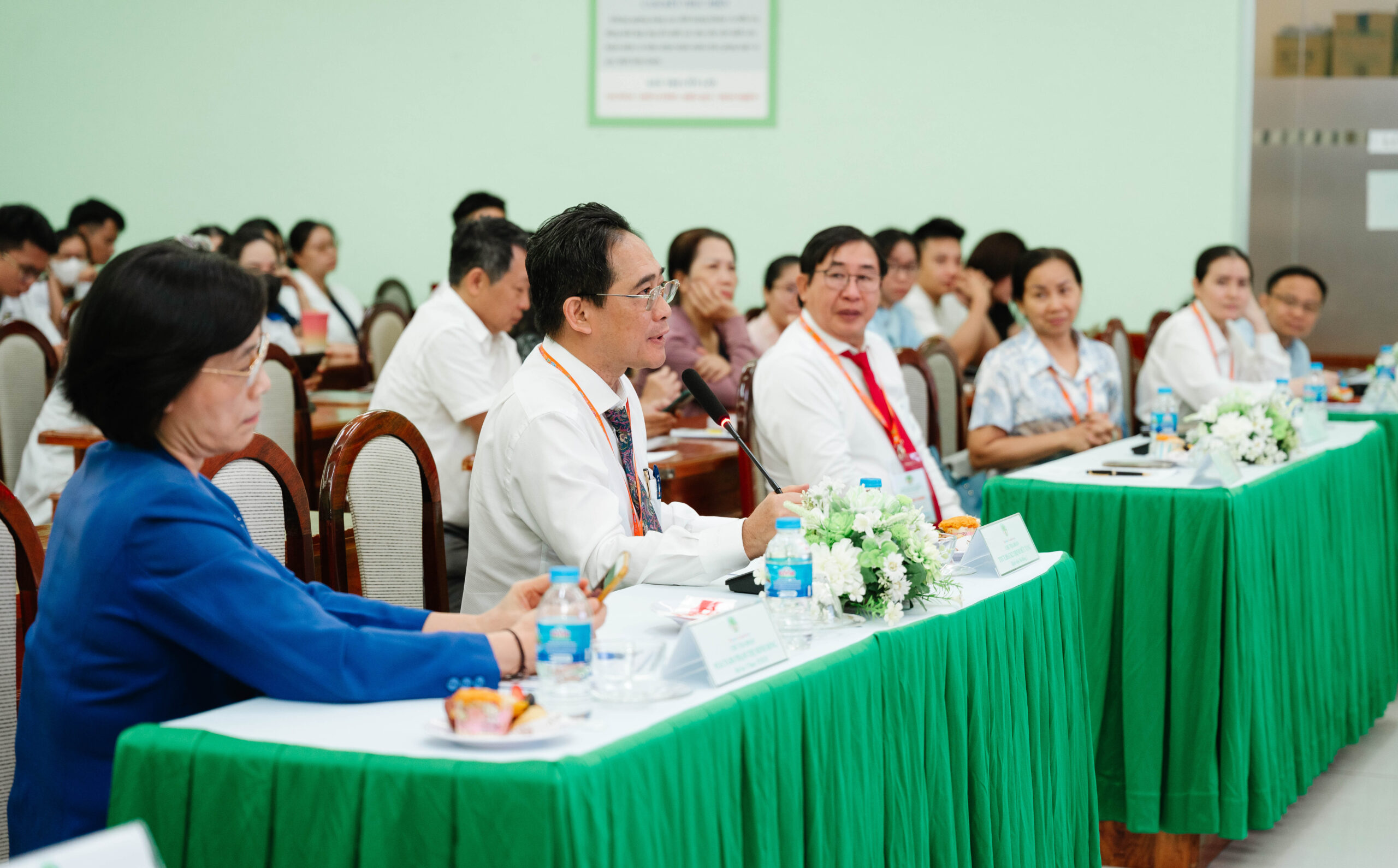
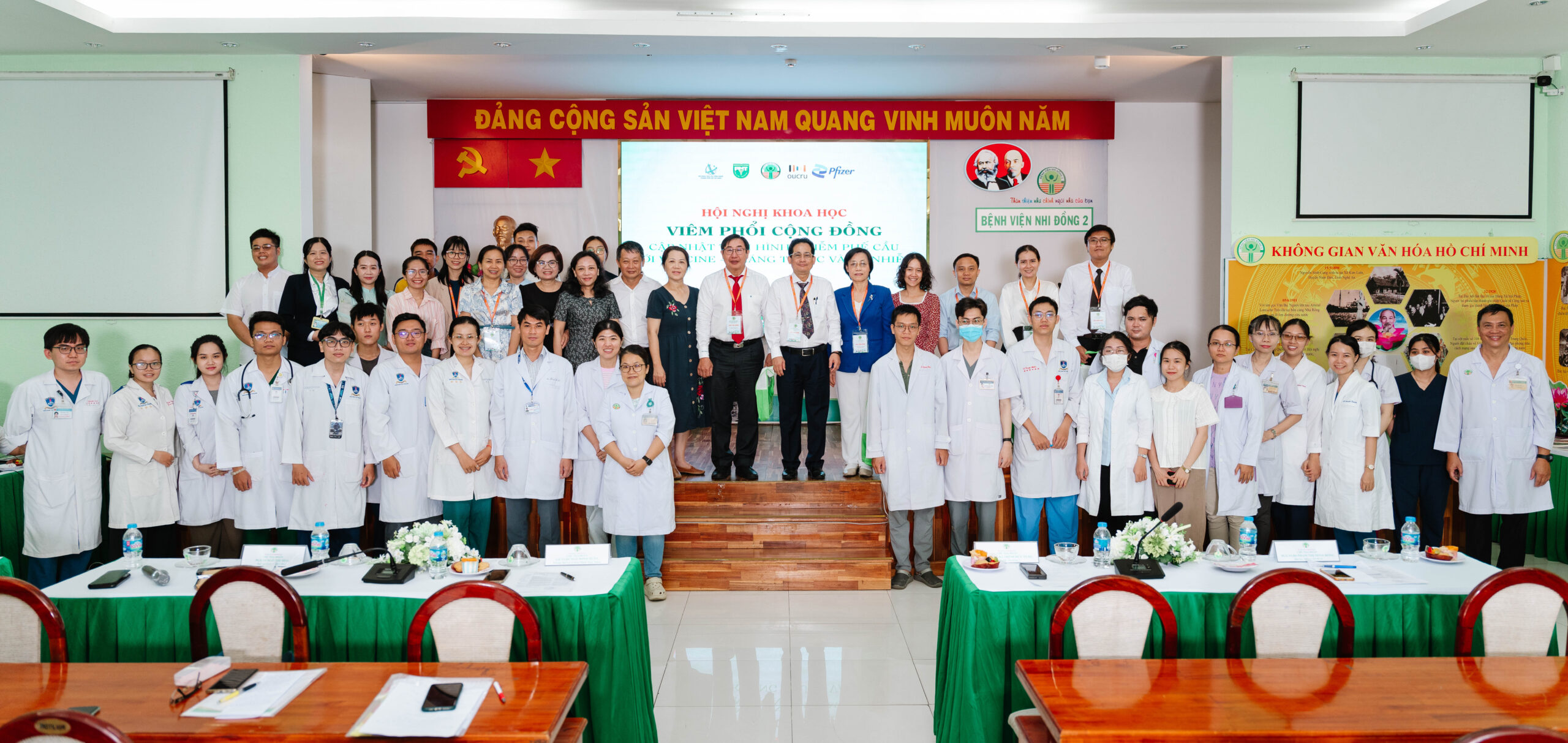
On November 22, 2024, the Zoonoses research group at OUCRU, in collaboration with Children's Hospital 2, Ho Chi Minh City, successfully organised a scientific workshop: "Community-acquired pneumonia: Update on pneumococcal infection with vaccines, drug resistance and multiple infections". The workshop attracted nearly 70 experts, including doctors, nurses, medical students, and technicians.

Pneumococcal infections are a major public health issue in Vietnam, causing a high number of community-acquired pneumonia cases and deaths, especially among young children. The rise in antibiotic resistance has made treatment even more challenging. 

The Zoonoses research group at OUCRU, in collaboration with Children’s Hospital 2 and Pham Ngoc Thach University of Medicine, hosted a workshop on the latest research and practical solutions for pneumococcal infections. 
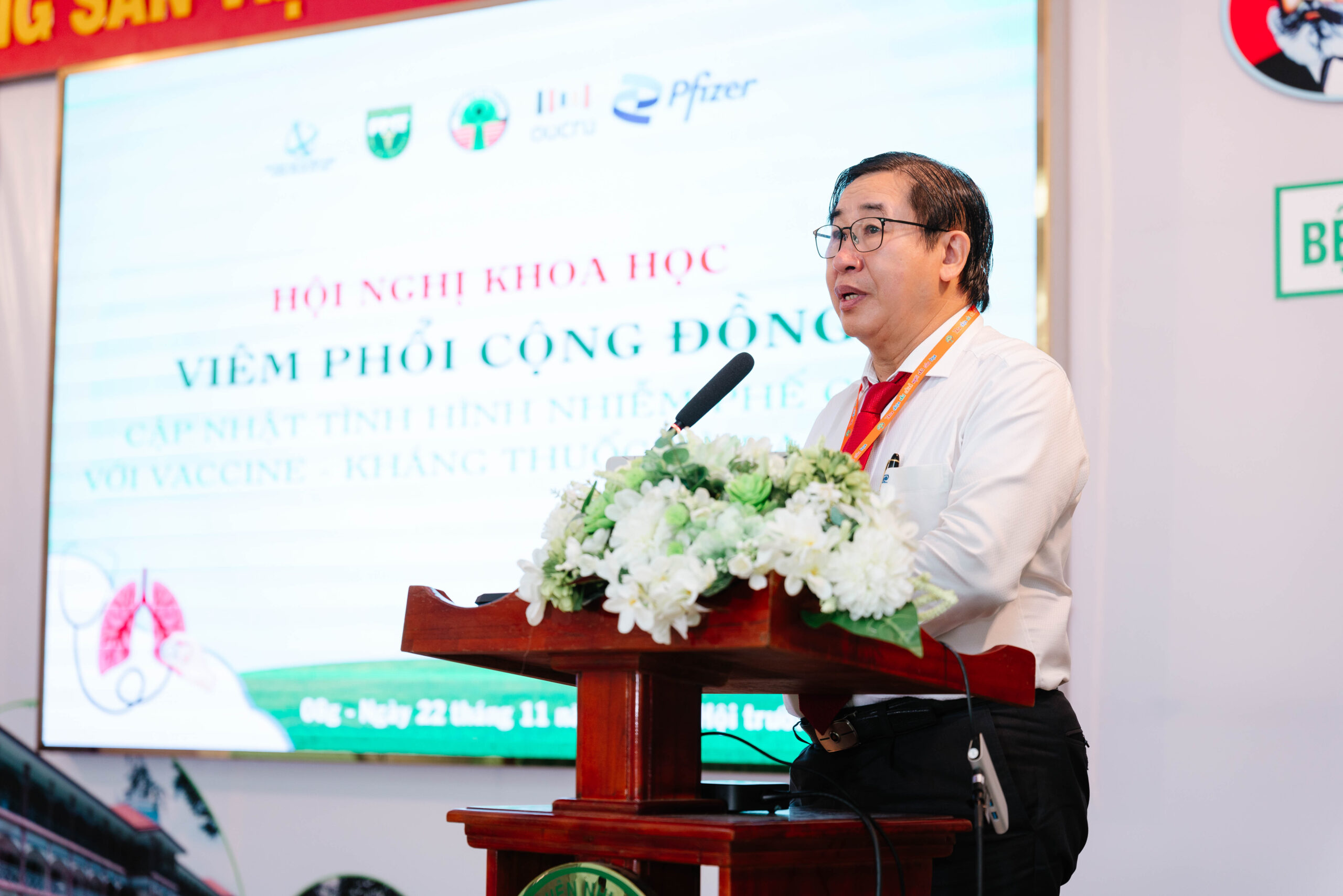
Prof Ngo Minh Xuan, MD, PhD, Chair of the Scientific and Education Council, Former Chairman of the University Council, and Former Rector of Pham Ngoc Thach University of Medicine, delivered the opening speech.
Dr Trinh Huu Tung, MD, Specialist level II, Director of Children’s Hospital 2, spoke at the workshop.

The workshop featured presentations by the study team at OUCRU and doctors from Pham Ngoc Thach University of Medicine, who have completed their Master training at OUCRU, highlighting four key aspects of pneumococcal disease :  

  • “The distribution of serotypes in healthy children” presented by Ms Huynh Xuan Yen, Pharm, OUCRU.
  • “The association between antibiotic resistance and pneumococcal serotypes with invasive pneumococcal infections including meningitis and blood-stream infections in children” presented by Ms Dang Nguyen Huong Trinh, MD, MSc, PNTU.
  • “The distribution of pneumococcal serotypes and their antibiotic resistance in children with community-acquired pneumonia” presented by Dr Nguyen Trung Thanh, PhD, OUCRU.
  • “The prevalence of co-infection with multiple pathogens in children with community-acquired pneumonia” presented by Mr Tran Si Nguyen, MD, MSc, PNTU and Ms Phung Le Kim Yen, MSc, OUCRU.

These presentations provided valuable insights, combining clinical data with practical applications. 
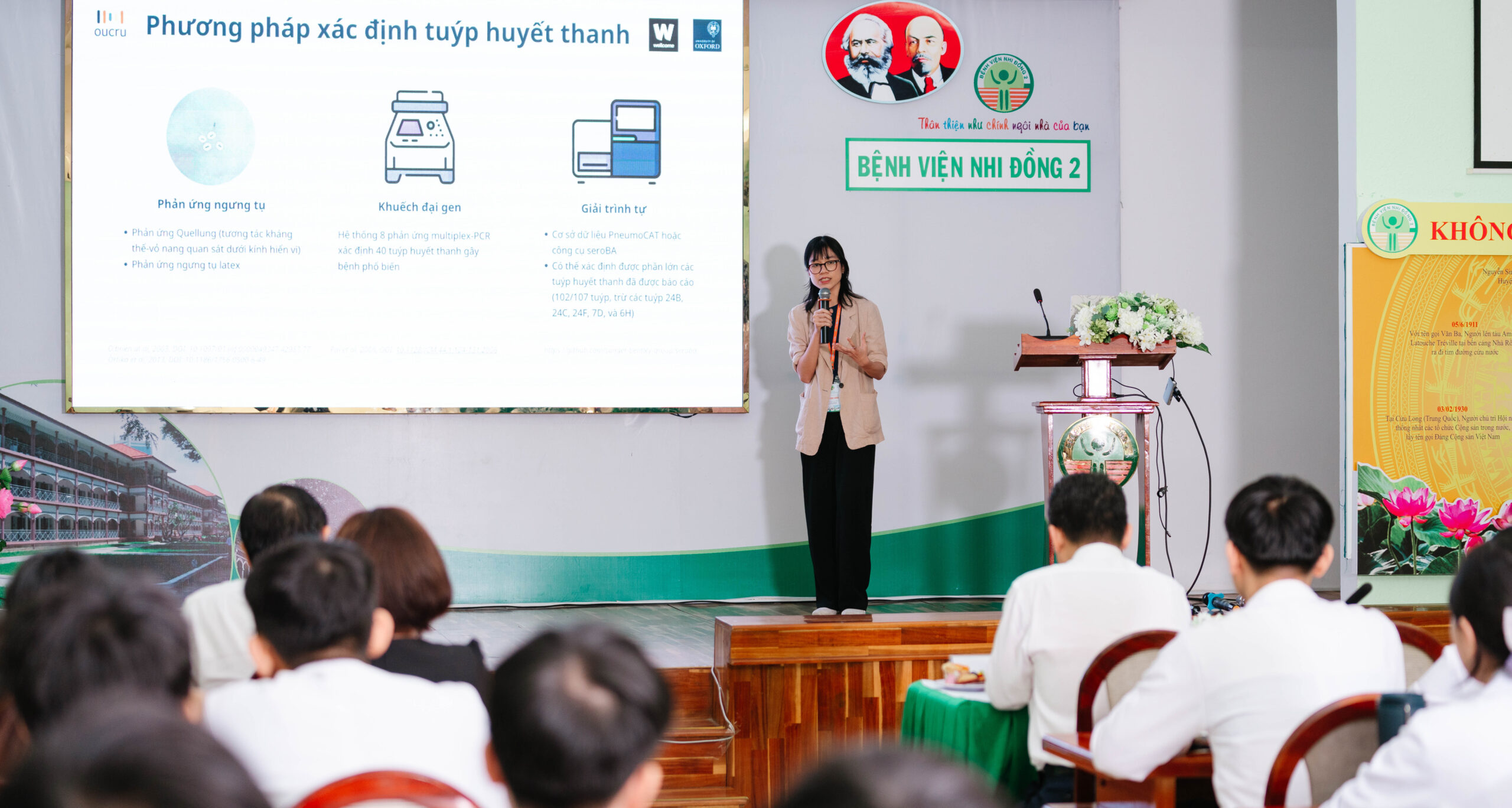
Ms Huynh Xuan Yen, Project Coordinator, Research Assistant at OUCRU, presents current methods for the identification of pneumococcal serotypes 

A highlight of the event was the lively debate and discussion on serotype distribution, antibiotic resistance, co-infection and pneumococcal vaccine coverage, where experts shared experiences, shared the need for more information which suggested further investigation. 

The participants took part in the pre- and post-seminar information collection. With a high satisfaction score of 9/10, the workshop also demonstrated strong and productive research collaborations and provided an excellent platform for the dissemination of project findings.

Via project implementation, OUCRU provided the opportunities for training of medical professionals, including one medical resident, one specialist level II for Children Hospital No. 2 and three Master’s graduates, who are lecturers at the Microbiology Department of Pham Ngoc Thach University of Medicine; and one MSc student for Zoonoses group at OUCRU. The project is seeking a PhD candidate to join the research team and help advance these critical studies. 

These trainings were successful thanks to the collaborative efforts between OUCRU scientists and professional educators, Prof Ngo Minh Xuan, Assoc Prof Pham Thi Minh Hong, Specialist level II Dr Trinh Huu Tung, Specialist level II Dr Nguyen Minh Ngoc, Dr Huynh Minh Tuan, and Dr Tran Thi Hue Van.
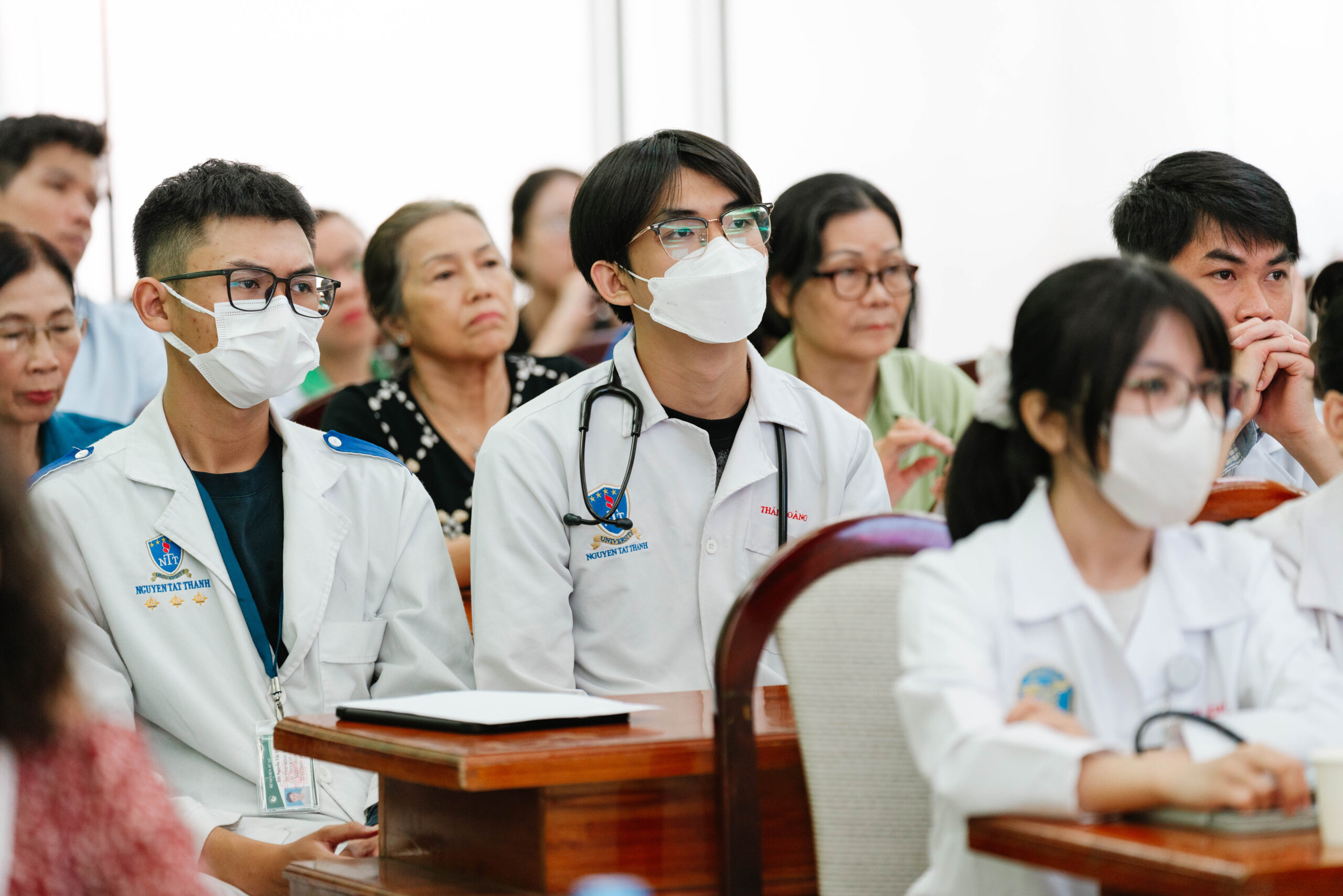
The workshop aims to update healthcare workers and students on the latest developments in pneumococcal infections 

The workshop not only provided professional information but also research into clinical practice, ultimately advancing patient care and public health. Organised under the CHANCES project, this workshop is part of a larger study investigating Streptococcus pneumoniae carriage in Vietnamese children. The project’s findings are anticipated to be published in 2025. 

****

About the Project: The CHANCES project, officially titled “Streptococcus Pneumoniae Carriage in Healthy and Community-Acquired Pneumonia Children in the Community: The Prevalence and Antimicrobial Susceptibility Profiles in Vietnam”, was conducted from August 2020 to December 2024.  

The project was funded by Pfizer and led by Principal Investigator Assoc Prof Ngo Thi Hoa 

We are looking for a PhD candidate to work with Assoc Prof Ngo Thi Hoa and the Zoonoses group on this project. Find more information. 

Loading...

In This Article

Learn More

Related

Forum Theatre Simulation

Analyse Tam’s choices. Step inside the story as an interactive spectator to break the chain of medical mishaps before it’s too late.

STORY TIMELINE PROGRESSION

progress step 6

The Ultimate Prevention: Vaccine Status

What if the volunteer leader had checked everyone’s Tetanus vaccination status before leaving for the field trip?

Vaccination Changes Everything

  • 100% Preventable: As you can see from our play, Tetanus cannot be cured easily once symptoms start and can be costly. But it is almost completely preventable with regular vaccination.
  • 10-Year Rule: Adults need a Tetanus booster shot every 10 years to maintain immunity.
  • Early booster shot: If you receive a deep or dirty cut (such as in the play, one from a rusty tool), you may need a booster if your last shot was more than 5 years ago.

When was your last Tetanus shot? Check your records today — a simple booster is the ultimate protection against unexpected accidents.

Forum Theatre Simulation

Analyse Tam’s choices. Step inside the story as an interactive spectator to break the chain of medical mishaps before it’s too late.

STORY TIMELINE PROGRESSION

progress step 5

Scenario Solved at Step 5!

Life-saving intervention! Jaw stiffness (lockjaw) is a classic symptom of active Tetanus toxin. Immediate hospital admission is required to secure the airway and control muscle spasms.

What if Tam had an ultimate shield against tetanus—protecting him from rusty tools before the trip even started?

Forum Theatre Simulation

Analyse Tam’s choices. Step inside the story as an interactive spectator to break the chain of medical mishaps before it’s too late.

STORY TIMELINE PROGRESSION

progress step 4

Scenario Solved at Step 4!

Good call! Healthcare providers depend on the full context. Clearly stating that an injury involved rusted metal alerts the nurse to assess Tetanus exposure immediately.

What if Tam had an ultimate shield against tetanus—protecting him from rusty tools before the trip even started?

Forum Theatre Simulation

Analyse Tam’s choices. Step inside the story as an interactive spectator to break the chain of medical mishaps before it’s too late.

STORY TIMELINE PROGRESSION

progress step 3

Scenario Solved at Step 3!

Spot on! Social media content often promotes unverified advice that delays crucial medical intervention. Deep, dirty cuts always require professional evaluation within hours.

What if Tam had an ultimate shield against tetanus—protecting him from rusty tools before the trip even started?

Forum Theatre Simulation

Analyse Tam’s choices. Step inside the story as an interactive spectator to break the chain of medical mishaps before it’s too late.

STORY TIMELINE PROGRESSION

progress step 2

Scenario Solved at Step 2!

Smart choice! Clostridium tetani bacteria thrive in organic material like dirt and leaves. Keeping raw plants out of deep cuts prevents pushing bacterial spores deeper into tissue.

What if Tam had an ultimate shield against tetanus—protecting him from rusty tools before the trip even started?

Forum Theatre Simulation

Analyse Tam’s choices. Step inside the story as an interactive spectator to break the chain of medical mishaps before it’s too late.

STORY TIMELINE PROGRESSION

progress 1 of 6

Scenario Solved at Step 1!

Great call! By stopping work with high-risk, corroded tools, you removed the physical source of Tetanus exposure entirely before an injury could even happen.

What if Tam had an ultimate shield against tetanus—protecting him from rusty tools before the trip even started?

Skip to content