

PURBALINGGA, March 10, 2026 – During a high-profile visit to the SPHERES project site in Purbalingga, Central Java, Indonesia’s Minister of Health, Budi Gunadi Sadikin, lauded the project’s progress and set an ambitious target for its national expansion.
“I see that the project is excellent. I hope it can serve as a model to be implemented in all 514 districts and cities across Indonesia,” the Minister stated. He further requested that the initiative be rolled out across the country’s network of community health centres (Puskesmas) over the next three years.“
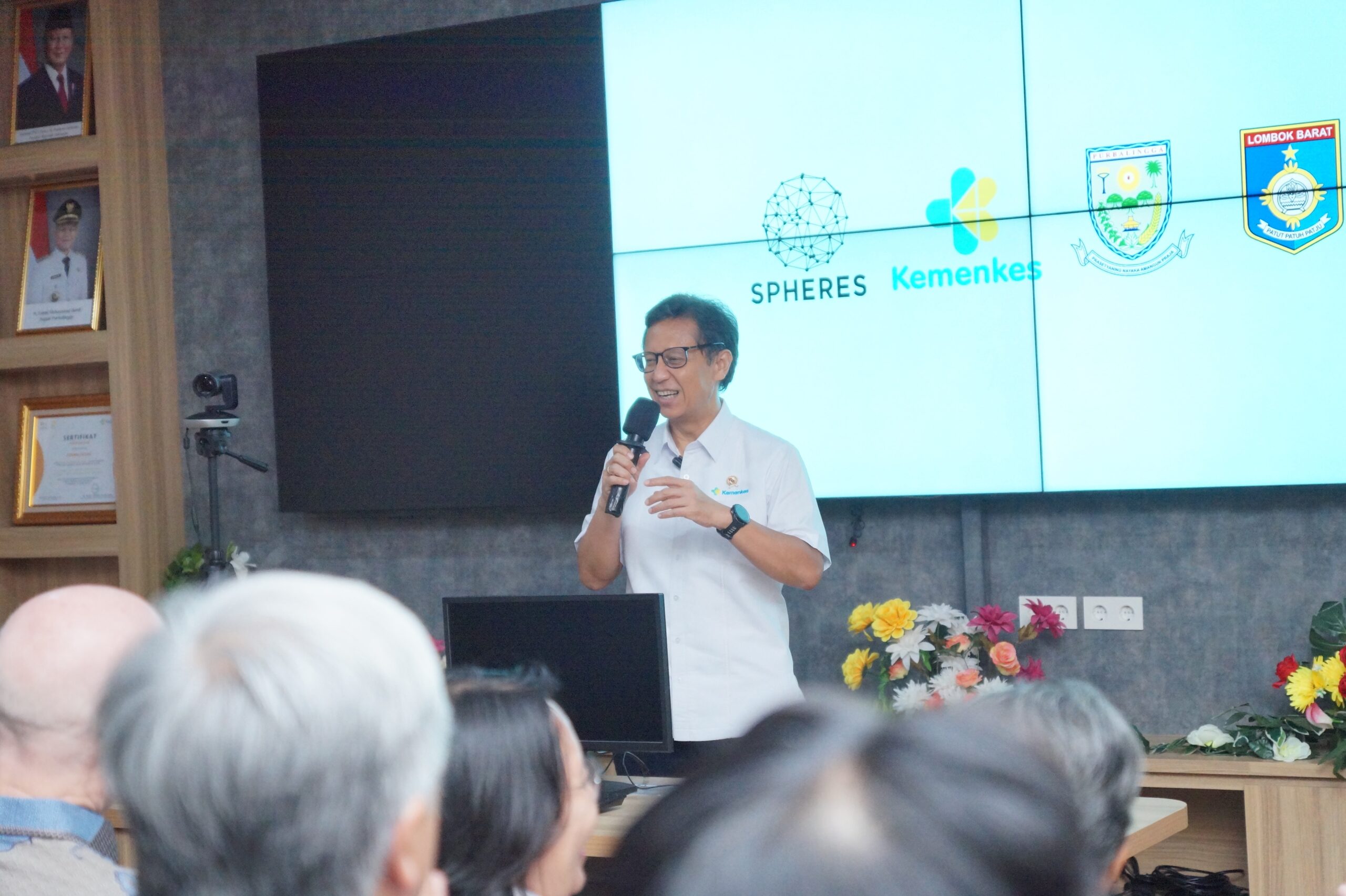
The Scalable Public Health Empowerment, Research, and Education Sites (SPHERES) project is led by the Ministry of Health and OUCRU Indonesia, in partnership with the district governments of Purbalingga and West Lombok, and funded by the Gates Foundation. The project aims to revolutionise public health by bridging the gap between digital technology and frontline healthcare delivery.
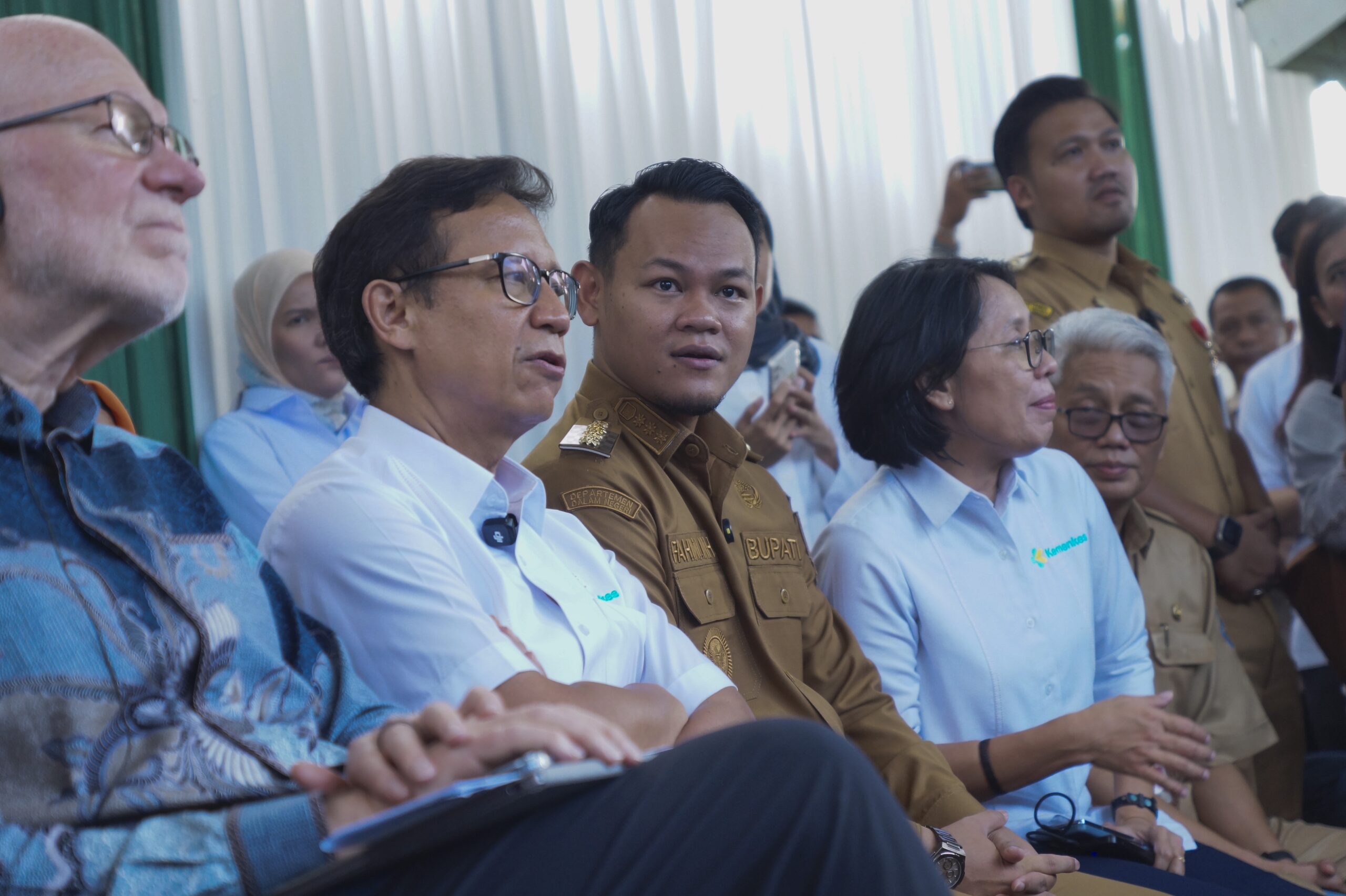
Accompanying the Minister was Dr Christopher Elias, President of Global Development at the Gates Foundation. The delegation toured Posyandu Lestari 5 Bancar (a neighbourhood-level health service post), Puskesmas Purbalingga, as well as the Public Health Data Theatre (PHDT) located in Purbalingga Health Office.
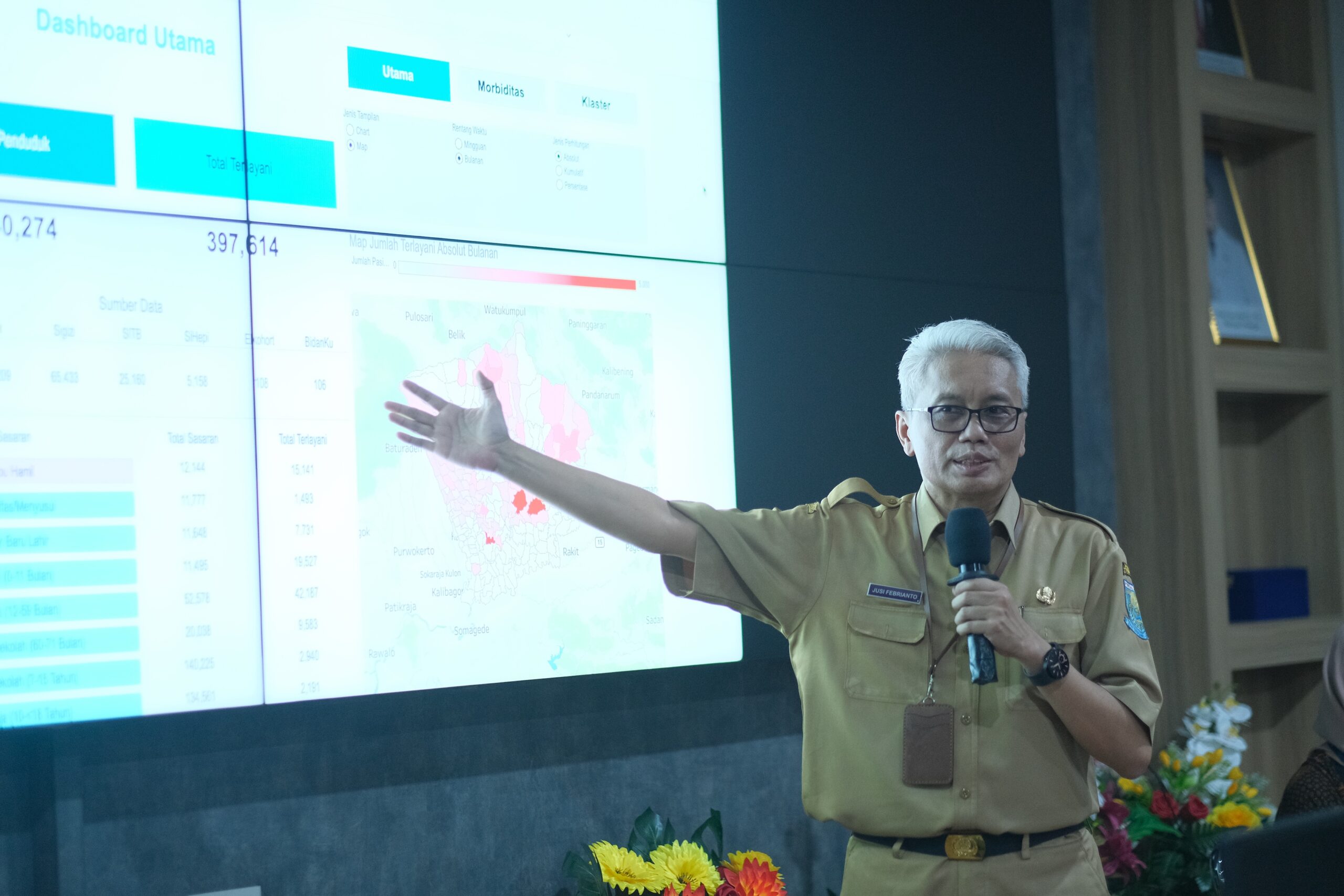
The PHDT represents a novel concept in Indonesian public health, acting as a dedicated physical and digital command centre where health officials can view real-time maps and dashboards of their district’s health. Unlike traditional reporting, which relies on stagnant monthly paperwork, the Theatre allows officials to see immediate trends, such as a localised spike in blood pressure readings, and deploy health workers to those specific neighbourhoods instantly.
Dr. Elias emphasized the significance of this shift toward data-driven action. “The big question is how we use real-time data to enable real-time action. It’s very encouraging to see what you’re doing; it’s worth continuing and worth replicating,” he said.
Beyond data analysis, a core achievement of SPHERES is the reduction of administrative burdens for frontline staff. By utilizing FHIR (Fast Healthcare Interoperability Resources) standards and Optical Character Recognition (OCR) technology, the project allows health workers to simply photograph a patient’s physical health book to automatically sync data with national systems. Minister Sadikin noted that this is vital for the success of Indonesia’s SatuSehat platform, explaining that health workers are often overwhelmed by too many separate applications.
“With this, it is expected that health workers can spend more time serving the community, rather than being busy filling out reports or applications belonging to the ministry or local government,” the Minister said.”
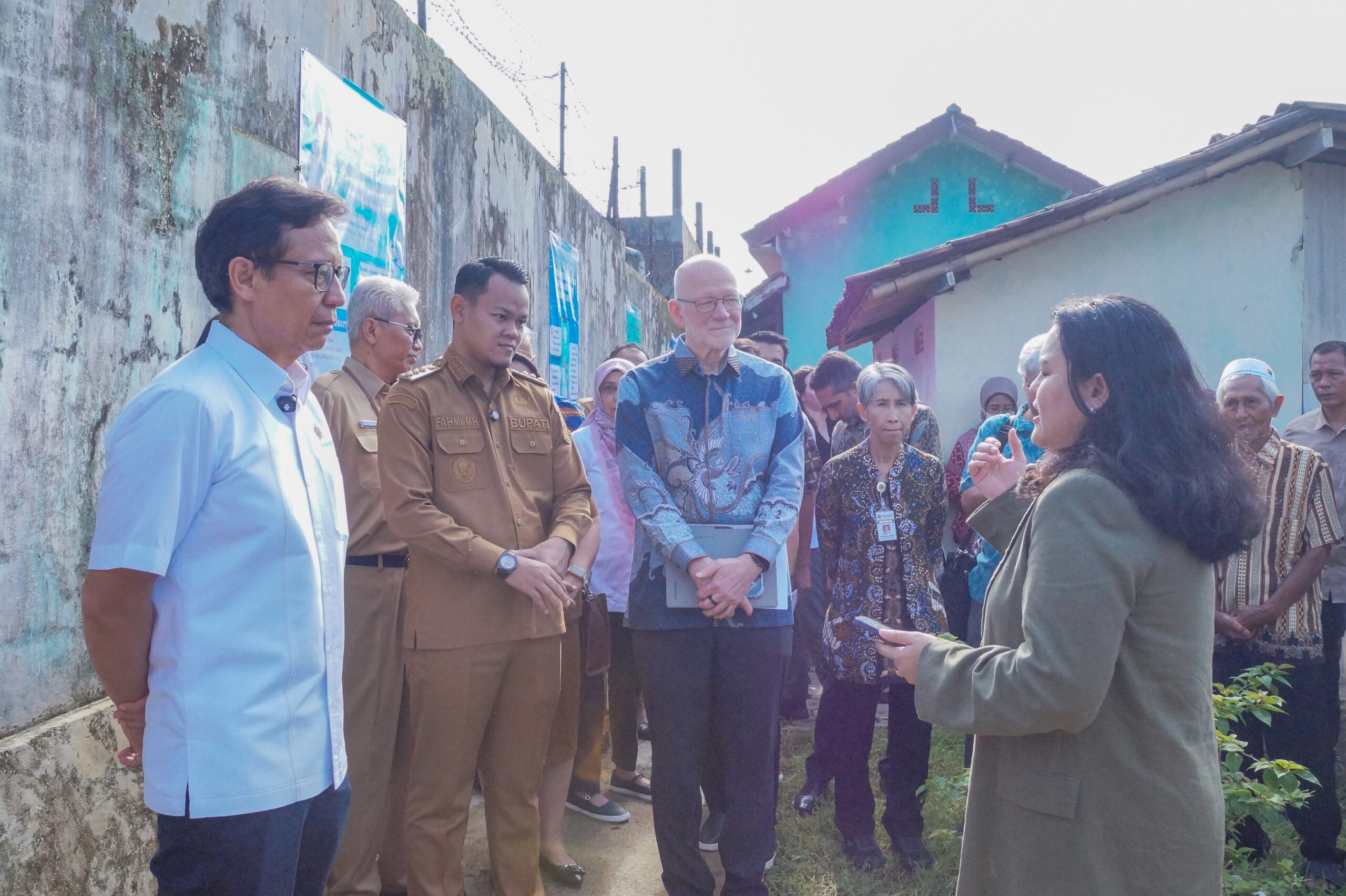
The success of SPHERES in Purbalingga and West Lombok is built on strong local leadership. Bupati Fahmi Muhammad Hanif of Purbalingga noted the project was awarded through a competitive process to identify the districts with the highest committment to digital change. His counterpart, Bupati Lalu Ahmad Zaini of West Lombok — who was also present during the visit — added that the project fulfills his vision of integrated cradle-to-grave digital health records for every citizen.
Reflecting on the milestone, Dr Anuraj Shankar, the Principal Investigator of this project from OUCRU Indonesia, stated: “By implementing this project as a large-scale randomised trial, we are generating the robust scientific evidence needed to evaluate the impact of these interventions. This data will be essential for making the necessary adjustments and informing the feasibility of potential nationwide expansion in the future.”
The SPHERES project continues to gain momentum across its pilot sites. To date, the initiative has successfully integrated 23 Puskesmas across the two districts. The project team aims to expand these interventions to a total of 42 Puskesmas in the coming months, further refining the model for nationwide implementation.