

Background
Infection Prevention and Control (IPC) and Antimicrobial Stewardship (AMS) are two key pillars in efforts to enhance patient safety and tackle antimicrobial resistance in healthcare facilities. IPC activities have been progressively integrated into the AMS programme, helping not only to reduce the risk of healthcare-associated infections but also to promote the rational use of antibiotics, thereby limiting the emergence and spread of antimicrobial-resistant organisms within healthcare setting.
Key Activities
With technical support from IPC experts from the National Hospital for Tropical Diseases, multiple activities were implemented to integrate IPC into the AMS programme across hospitals implementing the Antimicrobial Stewardship network.
IPC programmes at twelve healthcare facilities were assessed using the WHO Infection Prevention and Control Assessment Framework (IPCAF). This assessment enables facility to review the implementation of their IPC programmes across the eight core components, including the IPC programme, IPC guidelines, education and training, healthcare-associated infection surveillance, multimodal strategies, monitoring and feedback systems, human resources and equipment, and the built environment and infrastructure.
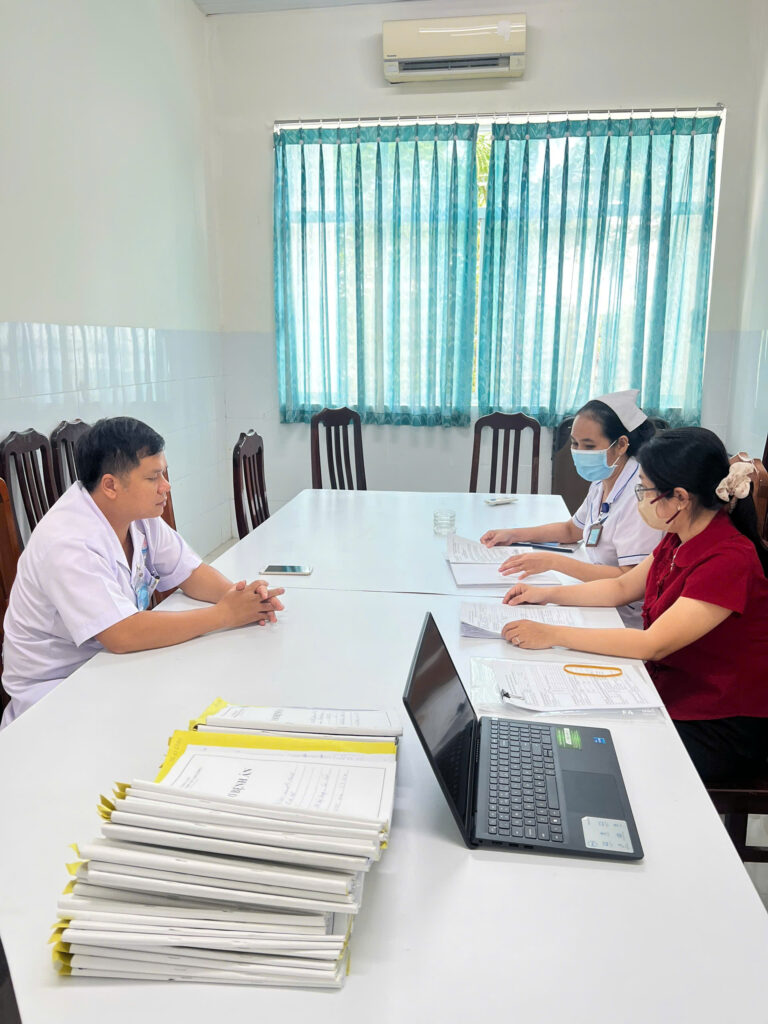
Based on the assessment results, technical discussions were conducted with each facility to review their IPC programme according to the IPCAF framework. These discussions provided an opportunity for hospital’s IPC teams to identify strengths, gaps, and priority areas for improvement in their IPC implementation.
A strong emphasis was placed on healthcare-associated infection (HAI) surveillance and monitoring compliance with IPC practices, which are critical components of an effective IPC programme. Hospitals were encouraged to strengthen their surveillance systems and regularly monitor adherence to key infection prevention measures among healthcare workers.
To support standardized monitoring across facilities, standard operating procedures (SOPs) for monitoring compliance with IPC practices were developed with technical support from IPC experts from National Hospital for Tropical Diseases. These SOPs provide clear guidance on how hospitals can systematically conduct observation and assessment of infection prevention practices.
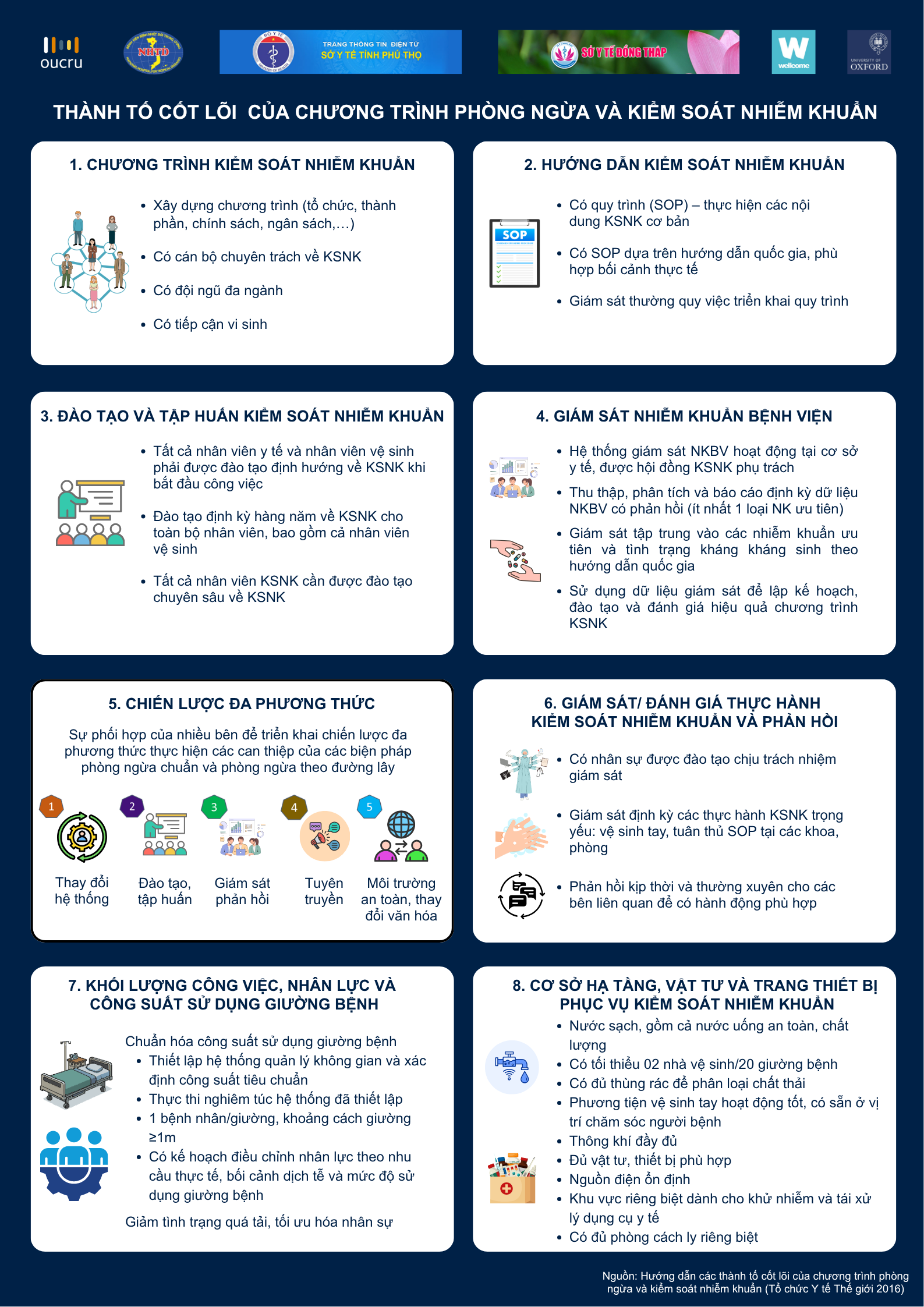
In addition, educational posters on IPC were developed, highlighting key preventive measures before and during surgical procedures. These materials are intended to support healthcare workers in implementing evidence-based practices and raising awareness about SSI prevention in surgical settings.
Results and Impact
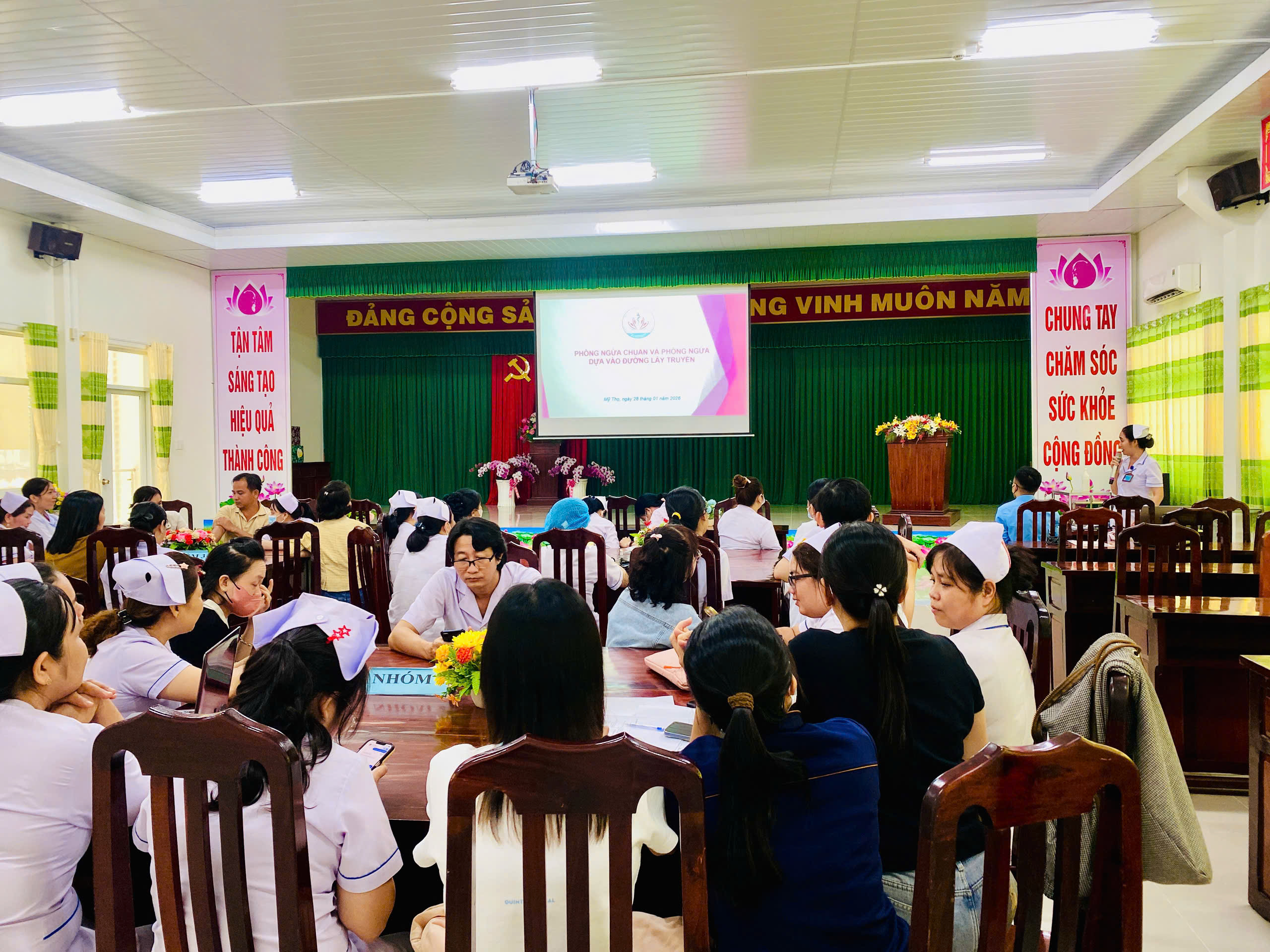
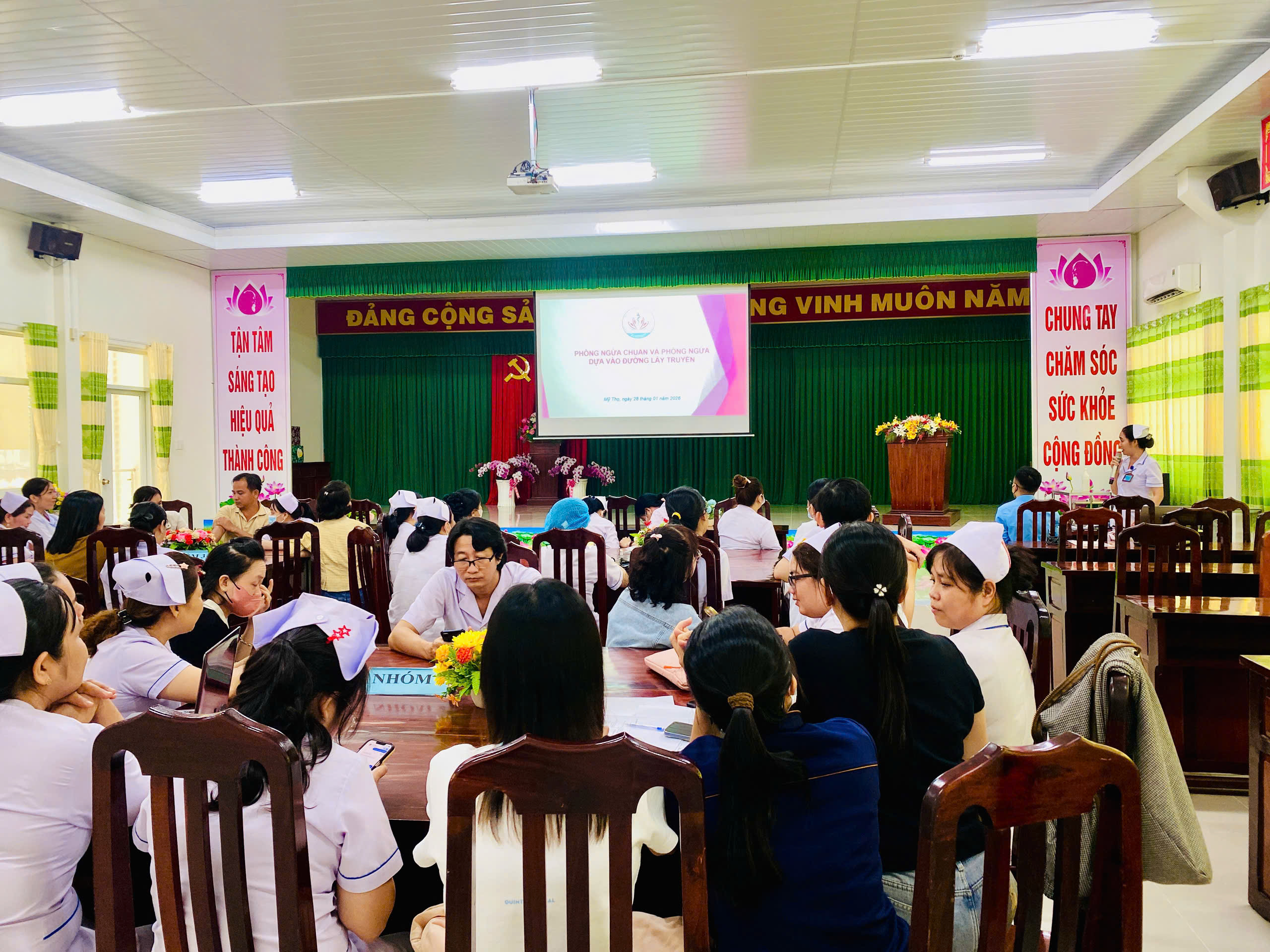
Through these activities, participating facilities enhanced their understanding of the requirements of IPC programmes based on the IPCAF framework and were able to identify specific areas requiring improvement. Notably, healthcare facilities actively implemented training and capacity-building activities on IPC for healthcare workers, including both foundational training and advanced updates on infection prevention practices, healthcare-associated infection surveillance, and rational antimicrobial use. These training initiatives contributed to strengthening professional competencies, improving awareness, and promoting behavioral change in adherence to IPC practices across hospitals.
In addition, the development of standardized surveillance procedures, assessment tools, and communication materials facilitated more consistent and systematic implementation of IPC practices across healthcare facilities in Dong Thap. These efforts not only improved the quality of monitoring and feedback mechanisms but also established a foundation for more effective integration between IPC and antimicrobial stewardship programmes, ultimately contributing to improved quality of care and patient safety.
Next steps
In the coming period, hospitals will continue to strengthen IPC implementation by improving HAI surveillance systems, enhancing monitoring of compliance with infection prevention practices, and regularly reviewing IPC programme activities based on IPCAF assessment results.
The 60HN research team will continue to provide technical support for the development and implementation of electronic surveillance tools, including automated reporting forms for HAI surveillance, monitoring compliance with IPC practices, and generating reports to assess facility IPC activities based on IPCAF.These tools aim to support healthcare facilities in standardizing reporting processes, improving data quality, and providing timely feedback to inform quality improvement and infection prevention efforts.