

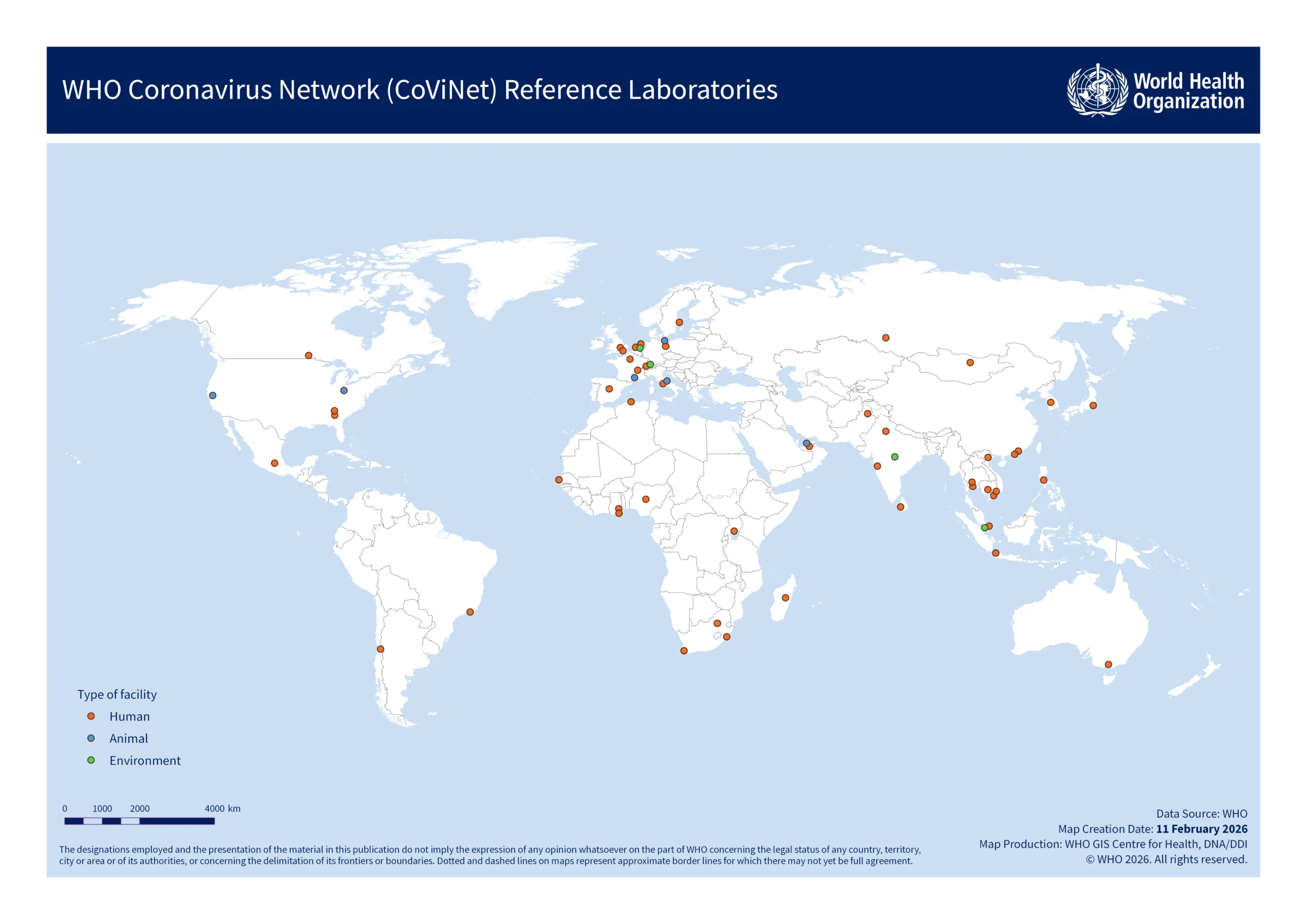
Launched in 2023, CoViNet brings together surveillance programmes and reference laboratories from around the world to support the early detection, monitoring, and risk assessment of SARS-CoV-2, MERS-CoV, and emerging coronaviruses with epidemic and pandemic potential.
The network builds on WHO COVID-19 reference laboratory network established at the start of the pandemic, expanding its scope to include a broader range of coronaviruses through a One Health approach that integrates human, animal and environmental health. It currently includes 58 reference laboratories across 35 countries.
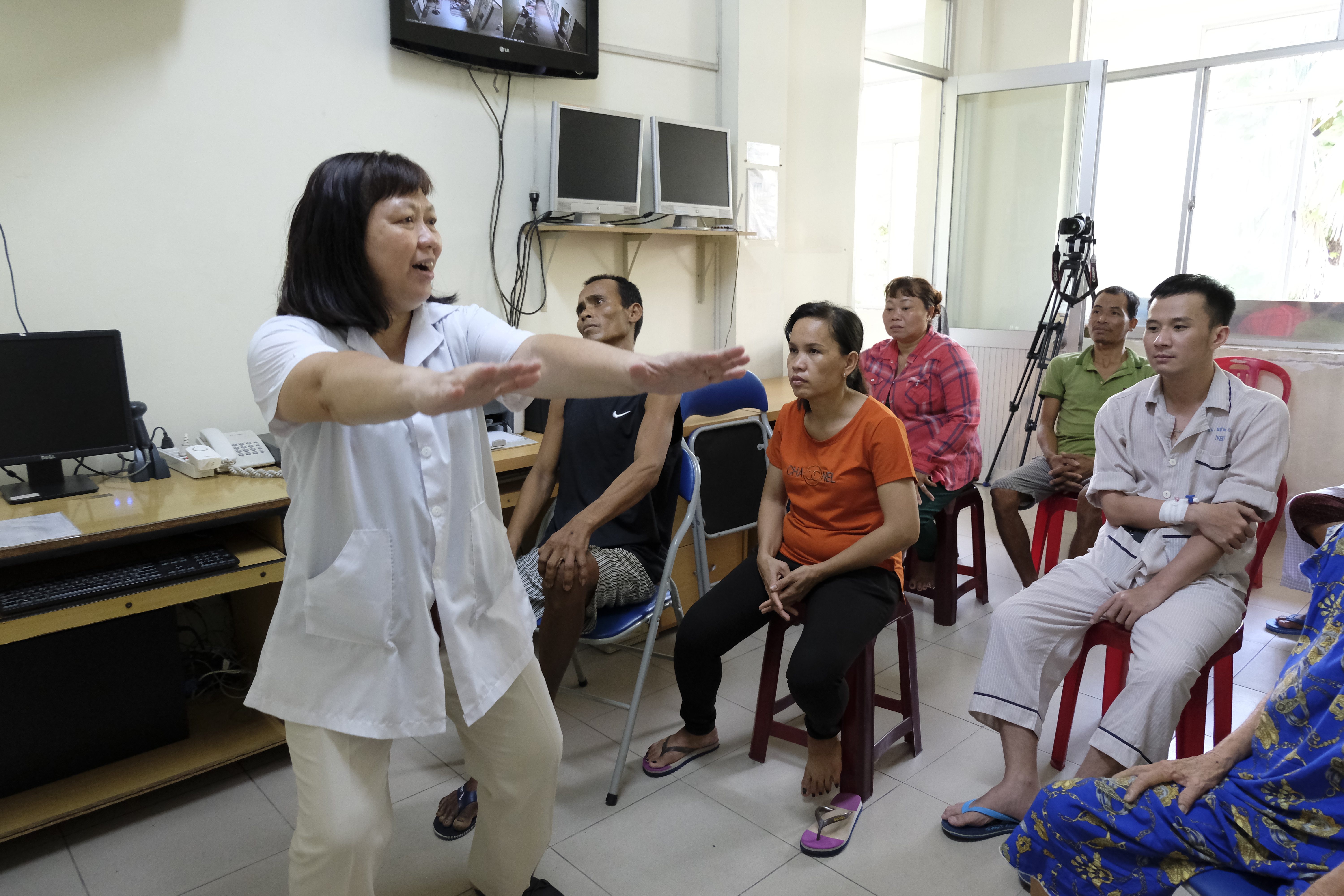
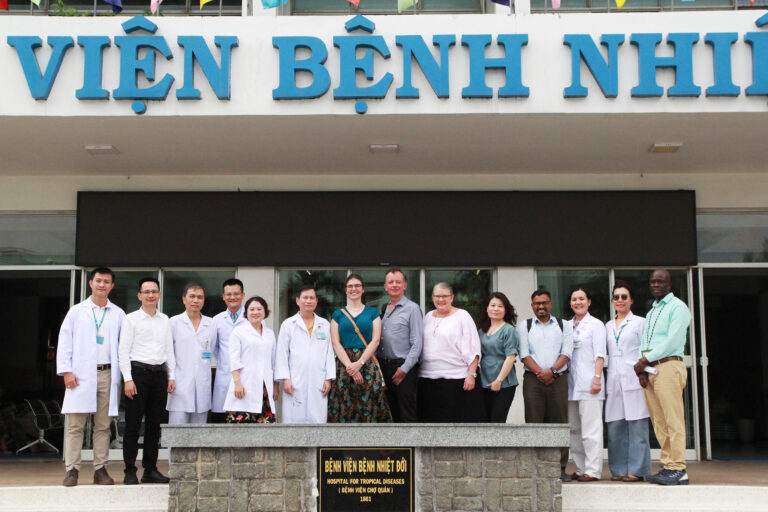
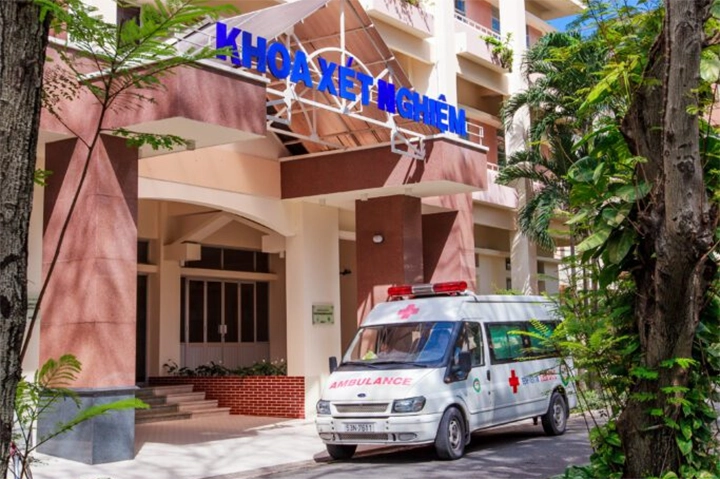
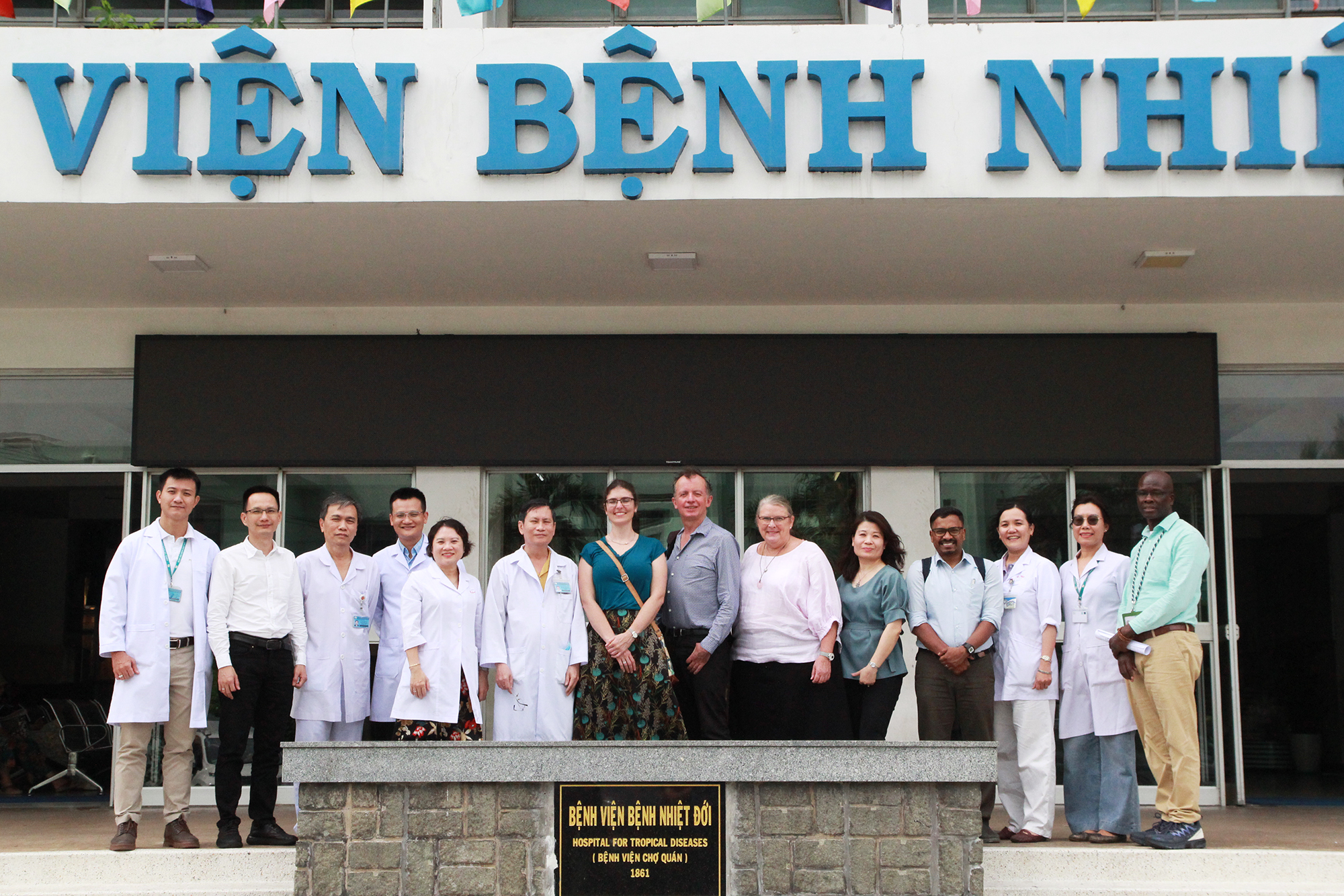
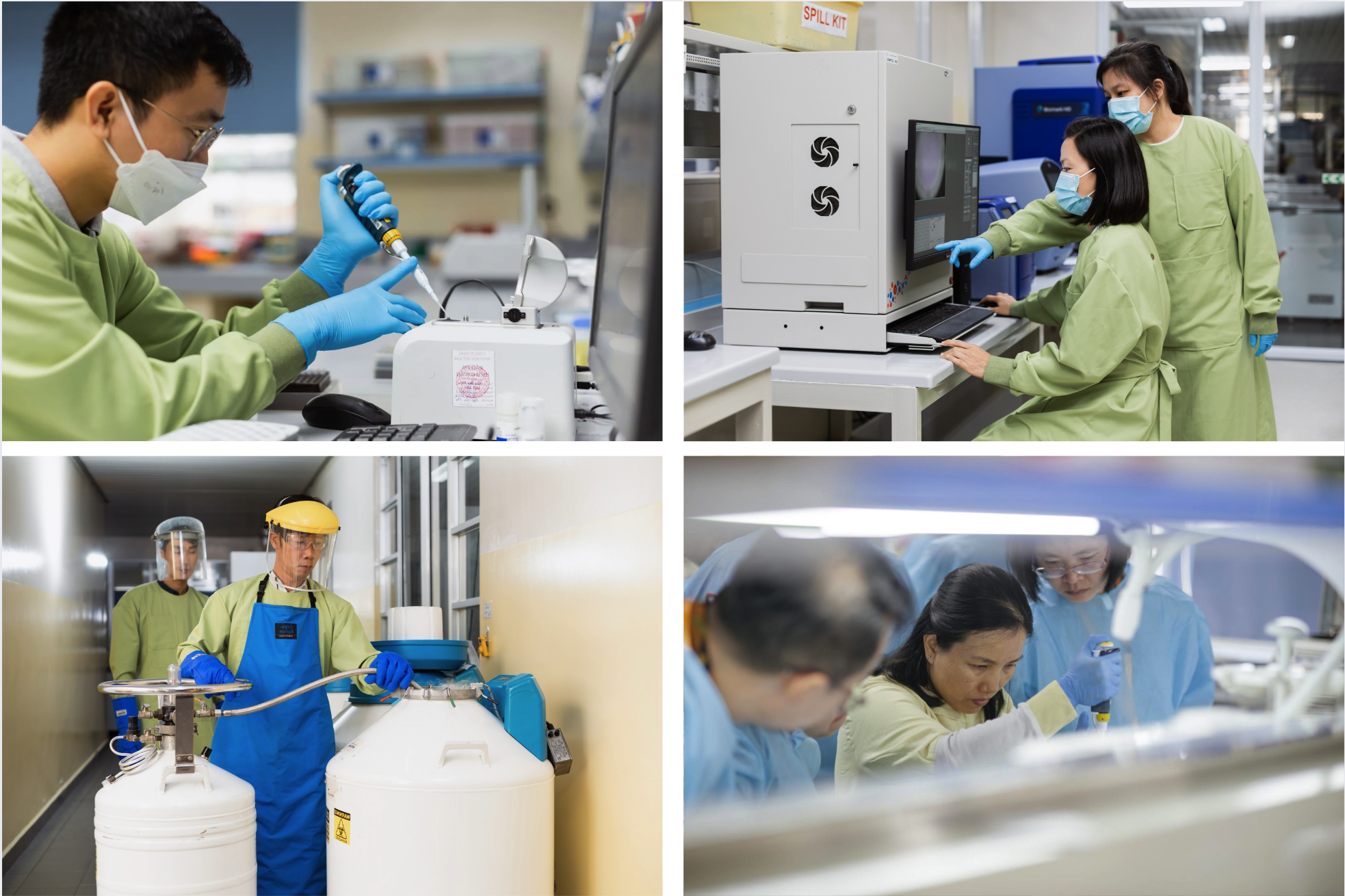
In March 2026, the research laboratory of OUCRU and HTD was appointed by WHO as a reference laboratory for coronaviruses. As a member of the network, the team will continue to work closely with WHO and global partners to strengthen surveillance, laboratory capacity and coordinated responses to coronavirus threats. This appointment recognises OUCRU and HTD’s established expertise in infectious diseases and their strong research capacity.
Dr Nguyễn Thành Dũng, director of HTD, said: ‘The long-term partnership between HTD and OUCRU, together with our experience in responding to emerging infectious diseases, places us in a strong position to contribute to CoViNet. Through this network, we will further strengthen our laboratory capacity to detect and respond to future coronavirus threats.’
Professor Kevin Baird, interim director of OUCRU, commented: ‘We appreciate and acknowledge the global leadership of the WHO in critical infections surveillance operations, of which CoViNet is a fine example. Together with our colleagues at HTD, we look forward to working with WHO and its many partners in the very important and global task of surveilling natural coronaviruses. The relationship not only serves human global health, it also serves to sustain the very high bar of technical excellence for the useful science emanating from it.’
Professor Lê Văn Tấn, head of the Emerging Infections Research Group at OUCRU and principal investigator of SEACOVARIANTS, added: ‘Through the Wellcome-funded SEACOVARIANTS platform, we have established a regional platform for genomic surveillance and assessment of immune response to a wide range of emerging pathogens, including SARS-CoV-2, avian influenza A viruses, mpox and enterovirus A71. Joining CoViNet allows us to build on this work and contribute to strengthened epidemic preparedness and response.’
Dr Sangjun Moon, team coordinator, Health Security and Emergencies, WHO Vietnam asserted: ‘The appointment of OUCRU and HTD as a CoViNet reference laboratory enhances Vietnam’s contribution to global coronavirus surveillance.
‘Together with NIHE and PIHCMC, the three reference laboratories can support national preparedness and regional response, building on OUCRU’s recent contributions to genomic surveillance and variant characterisation. CoViNet enables faster information-sharing and more coordinated public health action.’
Membership of CoViNet will strengthen collaboration across Vietnam and South-East Asia, as well as deepen partnerships with WHO and global research networks. It reflects a shared commitment to coordinated, cross-border public health action.
OUCRU and HTD look forward to contributing to collective efforts to monitor, understand and respond to future public health threats.