

Southeast Asia Initiative to Combat SARS-CoV-2 Variants (SEACOVARIANTS)

Funder:
Wellcome

Duration:
1st November 2022 – 31st October 2025

Location of activity:
Indonesia, Singapore, Thailand, UK and Viet Nam

Principal Investigator:
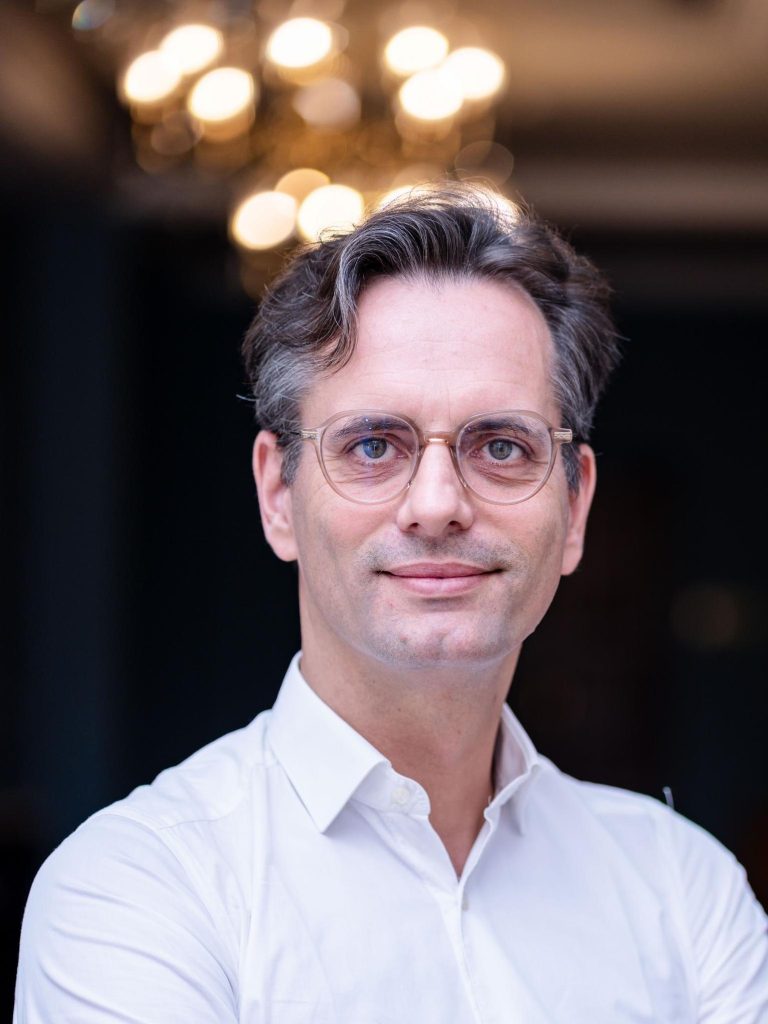
Assoc. Prof. Le Van Tan

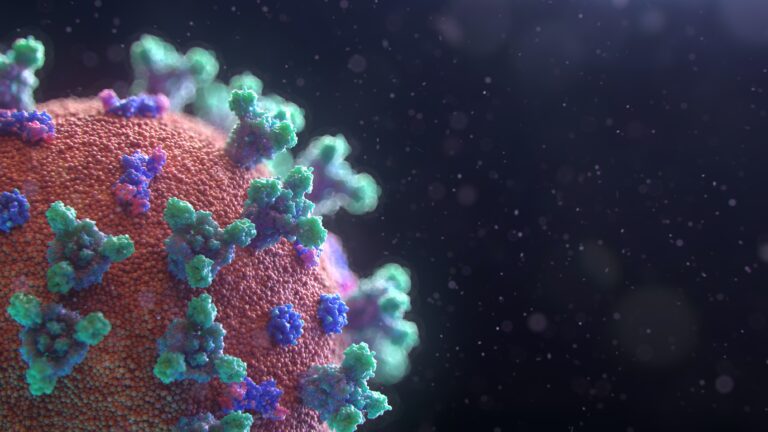
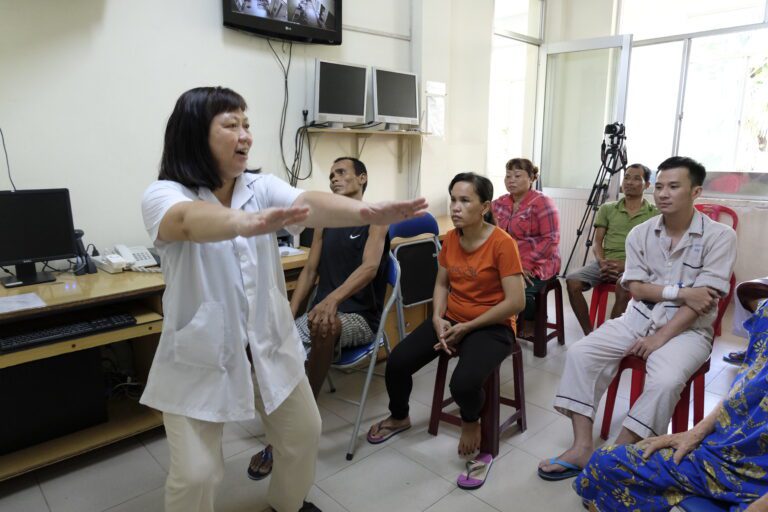
This project aims to develop and apply a multidisciplinary research platform for rapid assessment of the biological significance of SARS-CoV-2 variants, thereby supporting local policymakers with evidence-based decision-making.

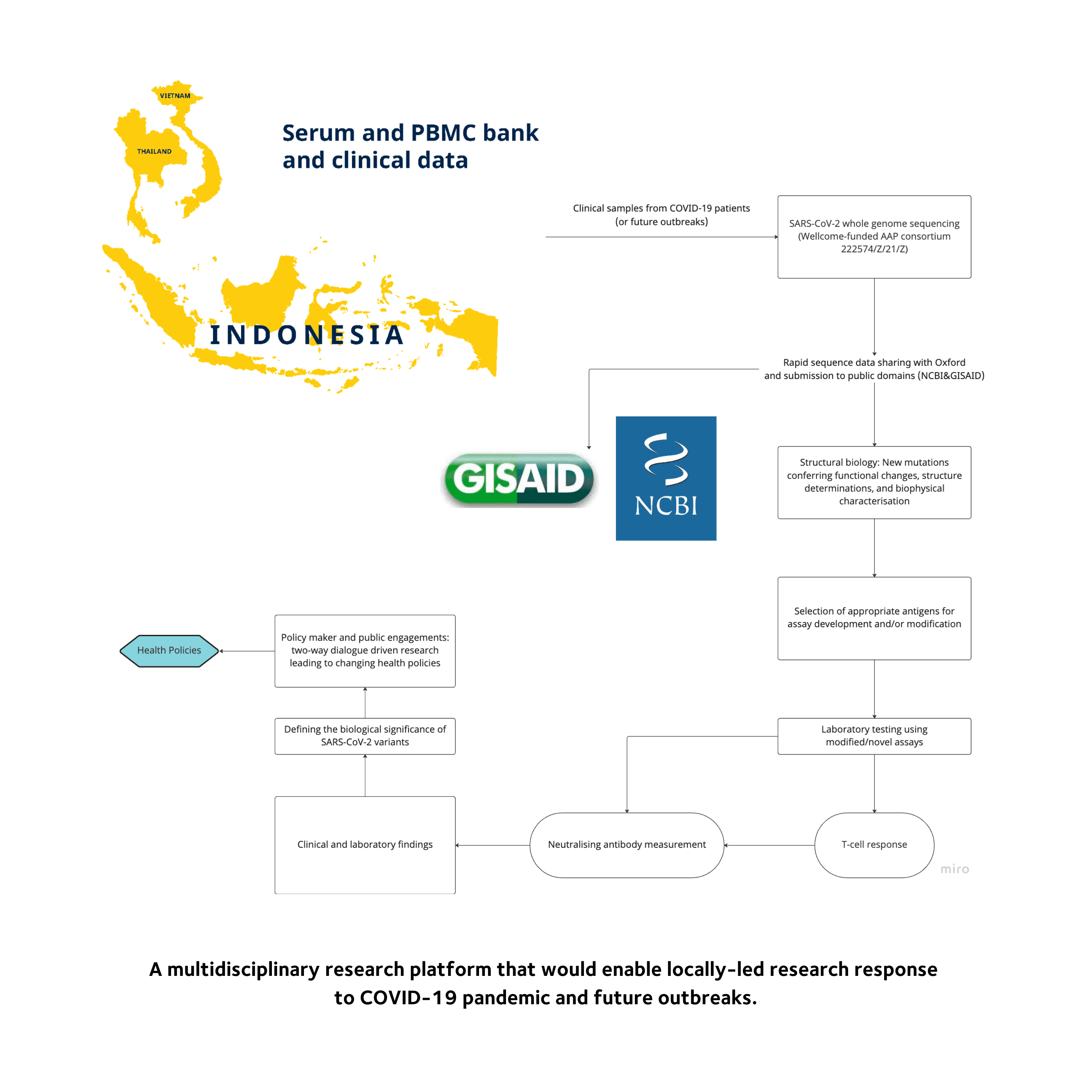
A multidisciplinary research platform that would enable locally-led research response to COVID-19 pandemic and future outbreaks.

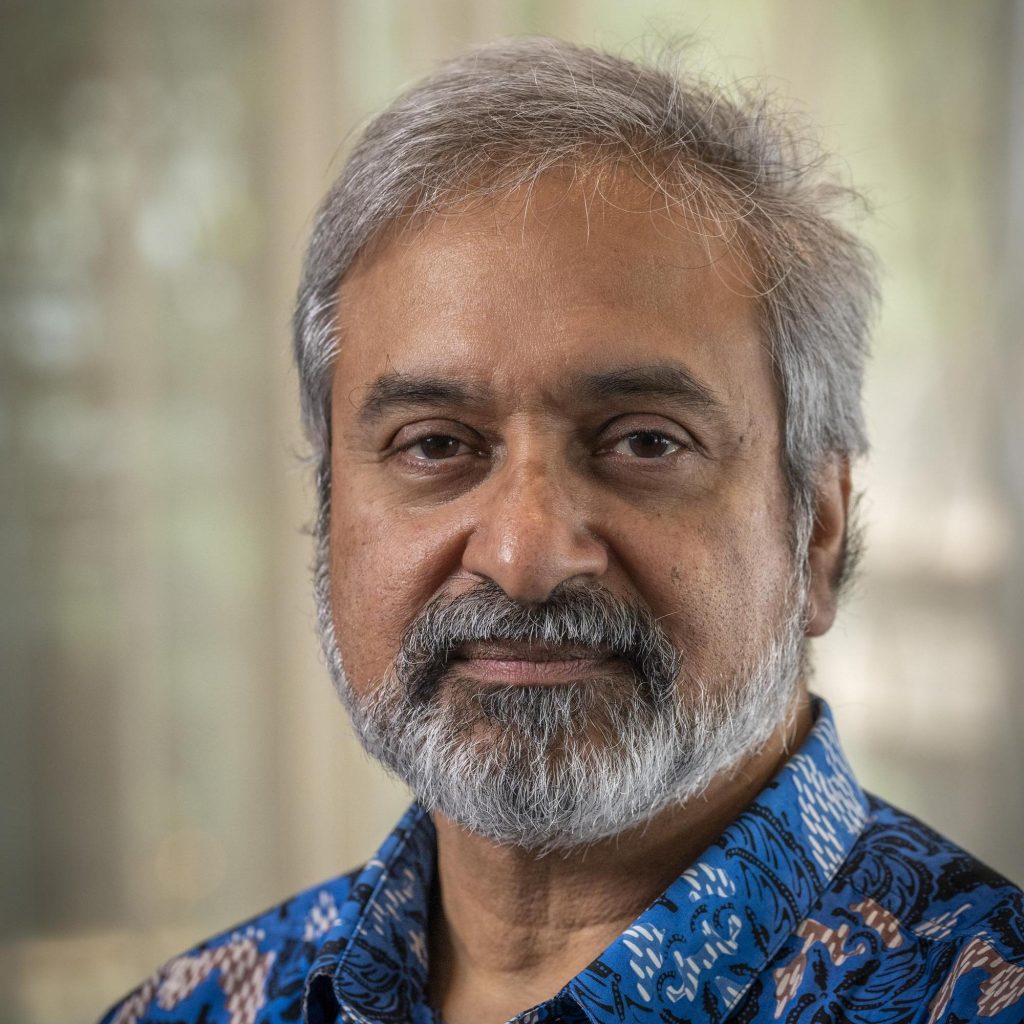
Co-Investigators


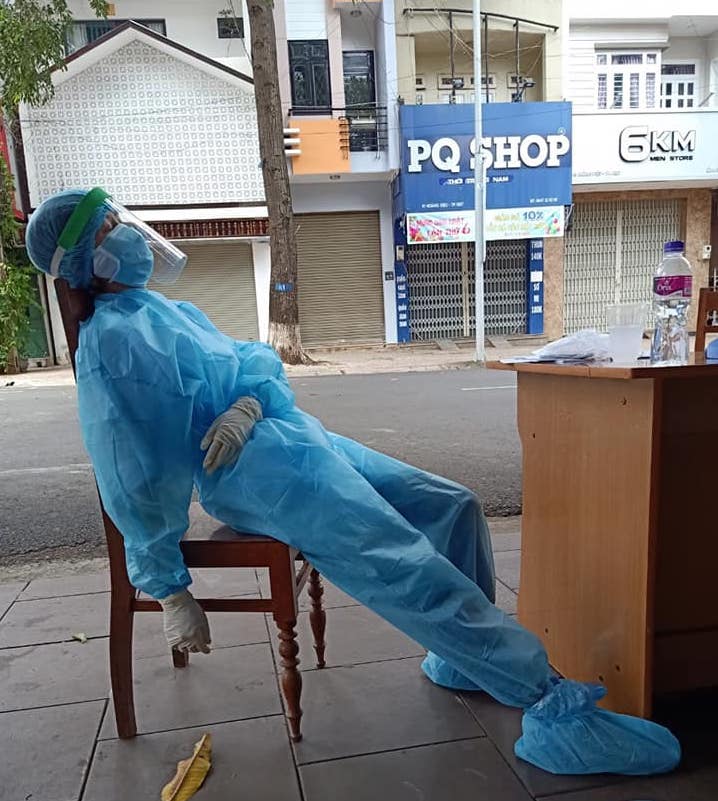
Southeast Asia (SEA) represents a weakness in the global COVID-19 pandemic response because many countries do not have the required capacity to conduct advanced analysis to determine the potential threat of SARS-CoV-2 variants.

A multidisciplinary research platform that would enable locally-led research response to COVID-19 pandemic and future outbreaks. This project is delivered by the Viet Nam and Thailand Wellcome Africa Asia Programmes (AAP), bringing together a multidisciplinary team in Indonesia, Thailand and Viet Nam with partners in Singapore, the UK and the US. It will strengthen regional scientific capacity that can be rapidly deployed for future outbreak responses.
Objectives:

  1. Establish a new SEA research platform that supports locally-led investigations evaluating the biology of emerging SARS-CoV-2 variants.
  2. Employ state-of-the-art structural biology to provide a rapid prediction of the ability of new variants to evade host immunity and drugs.
  3. Evaluate the impact of circulating variants of concern (VOCs) on antibody and T-cell responses in SEA populations and the clinical consequences of infection.
  4. Create a framework for effective communication and engagement with policymakers and the public concerning new virus variants and their potential to threaten public health.


Loading...

OUCRU Investigators

LEARN MORE

Related

Alba Grifoni

Dr Alba Grifoni

OUCRU logo dark

Dr Sopon Iamsirithaworn

OUCRU logo dark

Dr Wanwisa Dejnirattisa

Alessandro Sette

Professor Alessandro Sette

Lin-Fa Wang

Professor Linfa Wang

Paul Klenerman

Professor Paul Klenerman

Forum Theatre Simulation

Analyse Tam’s choices. Step inside the story as an interactive spectator to break the chain of medical mishaps before it’s too late.

STORY TIMELINE PROGRESSION

progress step 6

The Ultimate Prevention: Vaccine Status

What if the volunteer leader had checked everyone’s Tetanus vaccination status before leaving for the field trip?

Vaccination Changes Everything

  • 100% Preventable: As you can see from our play, Tetanus cannot be cured easily once symptoms start and can be costly. But it is almost completely preventable with regular vaccination.
  • 10-Year Rule: Adults need a Tetanus booster shot every 10 years to maintain immunity.
  • Early booster shot: If you receive a deep or dirty cut (such as in the play, one from a rusty tool), you may need a booster if your last shot was more than 5 years ago.

When was your last Tetanus shot? Check your records today — a simple booster is the ultimate protection against unexpected accidents.

Forum Theatre Simulation

Analyse Tam’s choices. Step inside the story as an interactive spectator to break the chain of medical mishaps before it’s too late.

STORY TIMELINE PROGRESSION

progress step 5

Scenario Solved at Step 5!

Life-saving intervention! Jaw stiffness (lockjaw) is a classic symptom of active Tetanus toxin. Immediate hospital admission is required to secure the airway and control muscle spasms.

What if Tam had an ultimate shield against tetanus—protecting him from rusty tools before the trip even started?

Forum Theatre Simulation

Analyse Tam’s choices. Step inside the story as an interactive spectator to break the chain of medical mishaps before it’s too late.

STORY TIMELINE PROGRESSION

progress step 4

Scenario Solved at Step 4!

Good call! Healthcare providers depend on the full context. Clearly stating that an injury involved rusted metal alerts the nurse to assess Tetanus exposure immediately.

What if Tam had an ultimate shield against tetanus—protecting him from rusty tools before the trip even started?

Forum Theatre Simulation

Analyse Tam’s choices. Step inside the story as an interactive spectator to break the chain of medical mishaps before it’s too late.

STORY TIMELINE PROGRESSION

progress step 3

Scenario Solved at Step 3!

Spot on! Social media content often promotes unverified advice that delays crucial medical intervention. Deep, dirty cuts always require professional evaluation within hours.

What if Tam had an ultimate shield against tetanus—protecting him from rusty tools before the trip even started?

Forum Theatre Simulation

Analyse Tam’s choices. Step inside the story as an interactive spectator to break the chain of medical mishaps before it’s too late.

STORY TIMELINE PROGRESSION

progress step 2

Scenario Solved at Step 2!

Smart choice! Clostridium tetani bacteria thrive in organic material like dirt and leaves. Keeping raw plants out of deep cuts prevents pushing bacterial spores deeper into tissue.

What if Tam had an ultimate shield against tetanus—protecting him from rusty tools before the trip even started?

Forum Theatre Simulation

Analyse Tam’s choices. Step inside the story as an interactive spectator to break the chain of medical mishaps before it’s too late.

STORY TIMELINE PROGRESSION

progress 1 of 6

Scenario Solved at Step 1!

Great call! By stopping work with high-risk, corroded tools, you removed the physical source of Tetanus exposure entirely before an injury could even happen.

What if Tam had an ultimate shield against tetanus—protecting him from rusty tools before the trip even started?

Skip to content