The Impact Of Host Restriction Of Escherichia Coli On Transmission Dynamics And Spread Of Antimicrobial Resistance

This project aims to understand if certain E. coli are adapted to certain host species (human or animal) and how this adaptation is encoded by the DNA.

Bacteria are increasingly resistant to antibiotics, threatening the treatment of bacterial infections. Antibiotic resistance (ABR) is encoded in the DNA of the bacteria. ABR is spreading rapidly in human and animal populations because resistant bacteria are transmitted or because bacteria can transfer DNA encoding ABR to other bacteria, which then also become resistant.

Escherichia coli (E. coli), which is resistant to specific antibiotics, is considered a high-priority risk. Transfer of such E. coli between animals, such as livestock and humans, may contribute to the spread of ABR.

The HECTOR project set out to understand if certain E. coli are adapted to certain host species (human or animal) and how this adaptation is encoded by the DNA. Through genome comparison of 1198 E. coli strains, we found which E. coli strains are associated with the human host and which parts of their DNA aid in this adaptation.

We discovered that the DNA encodes metabolic activities allowing E. coli to potentially survive better in the human gut.

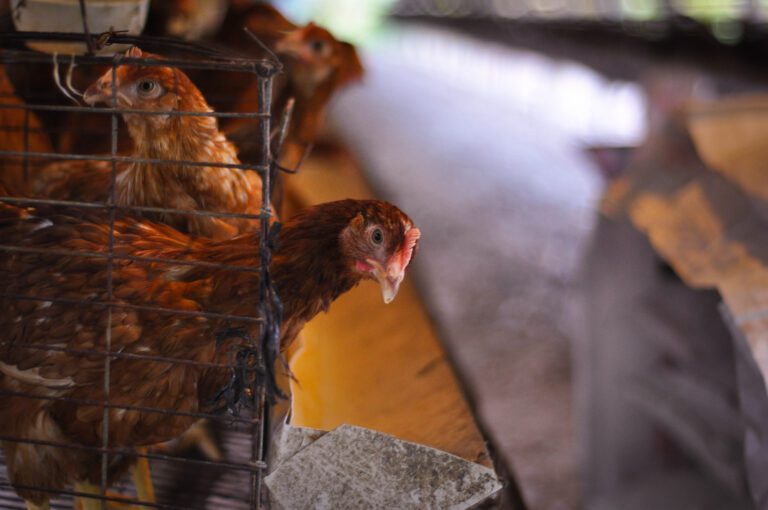
In addition, we studied the survival, and ABR transfer of E. coli adapted to different host species in live pigs and calves and in laboratory experiments imitating the chicken gut. We identified E. coli strains which are better able to survive in these models than other strains. However, our findings highlight the complexity of host adaptation, as we could not identify E. coli types surviving and growing well in either model. Furthermore, we observed that the transfer of DNA encoding ABR is rare in such experimental conditions.

The research of HECTOR has advanced our understanding of why some bacteria are able to spread between animal and human populations, thus contributing to the spread of ABR, and why others cannot. This can be helpful for risk assessment.


Whole-genome sequencing data of 1198 strains, together with metadata: NCBI BioProject

Loading...

OUCRU Investigators

LEARN MORE

Related

OUCRU logo dark

Dr Torsten Semmler

Christian Menge

Professor Christian Menge

OUCRU logo dark

Professor Constance Schultsz

lucas_dominguez_rodriguez

Professor Lucas Domínguez Rodríguez

Roberto La Ragione

Professor Roberto La Ragione

DVG-Vet-Congress 2018, DVG, DGK,

Professor Stefan Schwarz

Forum Theatre Simulation

Analyse Tam’s choices. Step inside the story as an interactive spectator to break the chain of medical mishaps before it’s too late.

STORY TIMELINE PROGRESSION

progress step 6

The Ultimate Prevention: Vaccine Status

What if the volunteer leader had checked everyone’s Tetanus vaccination status before leaving for the field trip?

Vaccination Changes Everything

  • 100% Preventable: As you can see from our play, Tetanus cannot be cured easily once symptoms start and can be costly. But it is almost completely preventable with regular vaccination.
  • 10-Year Rule: Adults need a Tetanus booster shot every 10 years to maintain immunity.
  • Early booster shot: If you receive a deep or dirty cut (such as in the play, one from a rusty tool), you may need a booster if your last shot was more than 5 years ago.

When was your last Tetanus shot? Check your records today — a simple booster is the ultimate protection against unexpected accidents.

Forum Theatre Simulation

Analyse Tam’s choices. Step inside the story as an interactive spectator to break the chain of medical mishaps before it’s too late.

STORY TIMELINE PROGRESSION

progress step 5

Scenario Solved at Step 5!

Life-saving intervention! Jaw stiffness (lockjaw) is a classic symptom of active Tetanus toxin. Immediate hospital admission is required to secure the airway and control muscle spasms.

What if Tam had an ultimate shield against tetanus—protecting him from rusty tools before the trip even started?

Forum Theatre Simulation

Analyse Tam’s choices. Step inside the story as an interactive spectator to break the chain of medical mishaps before it’s too late.

STORY TIMELINE PROGRESSION

progress step 4

Scenario Solved at Step 4!

Good call! Healthcare providers depend on the full context. Clearly stating that an injury involved rusted metal alerts the nurse to assess Tetanus exposure immediately.

What if Tam had an ultimate shield against tetanus—protecting him from rusty tools before the trip even started?

Forum Theatre Simulation

Analyse Tam’s choices. Step inside the story as an interactive spectator to break the chain of medical mishaps before it’s too late.

STORY TIMELINE PROGRESSION

progress step 3

Scenario Solved at Step 3!

Spot on! Social media content often promotes unverified advice that delays crucial medical intervention. Deep, dirty cuts always require professional evaluation within hours.

What if Tam had an ultimate shield against tetanus—protecting him from rusty tools before the trip even started?

Forum Theatre Simulation

Analyse Tam’s choices. Step inside the story as an interactive spectator to break the chain of medical mishaps before it’s too late.

STORY TIMELINE PROGRESSION

progress step 2

Scenario Solved at Step 2!

Smart choice! Clostridium tetani bacteria thrive in organic material like dirt and leaves. Keeping raw plants out of deep cuts prevents pushing bacterial spores deeper into tissue.

What if Tam had an ultimate shield against tetanus—protecting him from rusty tools before the trip even started?

Forum Theatre Simulation

Analyse Tam’s choices. Step inside the story as an interactive spectator to break the chain of medical mishaps before it’s too late.

STORY TIMELINE PROGRESSION

progress 1 of 6

Scenario Solved at Step 1!

Great call! By stopping work with high-risk, corroded tools, you removed the physical source of Tetanus exposure entirely before an injury could even happen.

What if Tam had an ultimate shield against tetanus—protecting him from rusty tools before the trip even started?

Skip to content