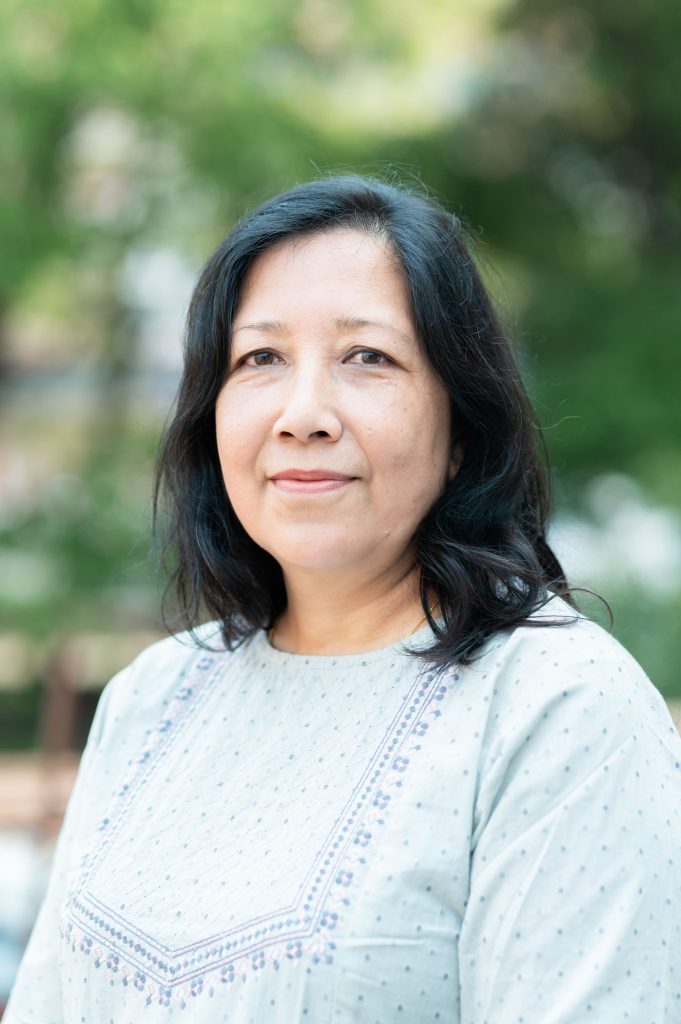

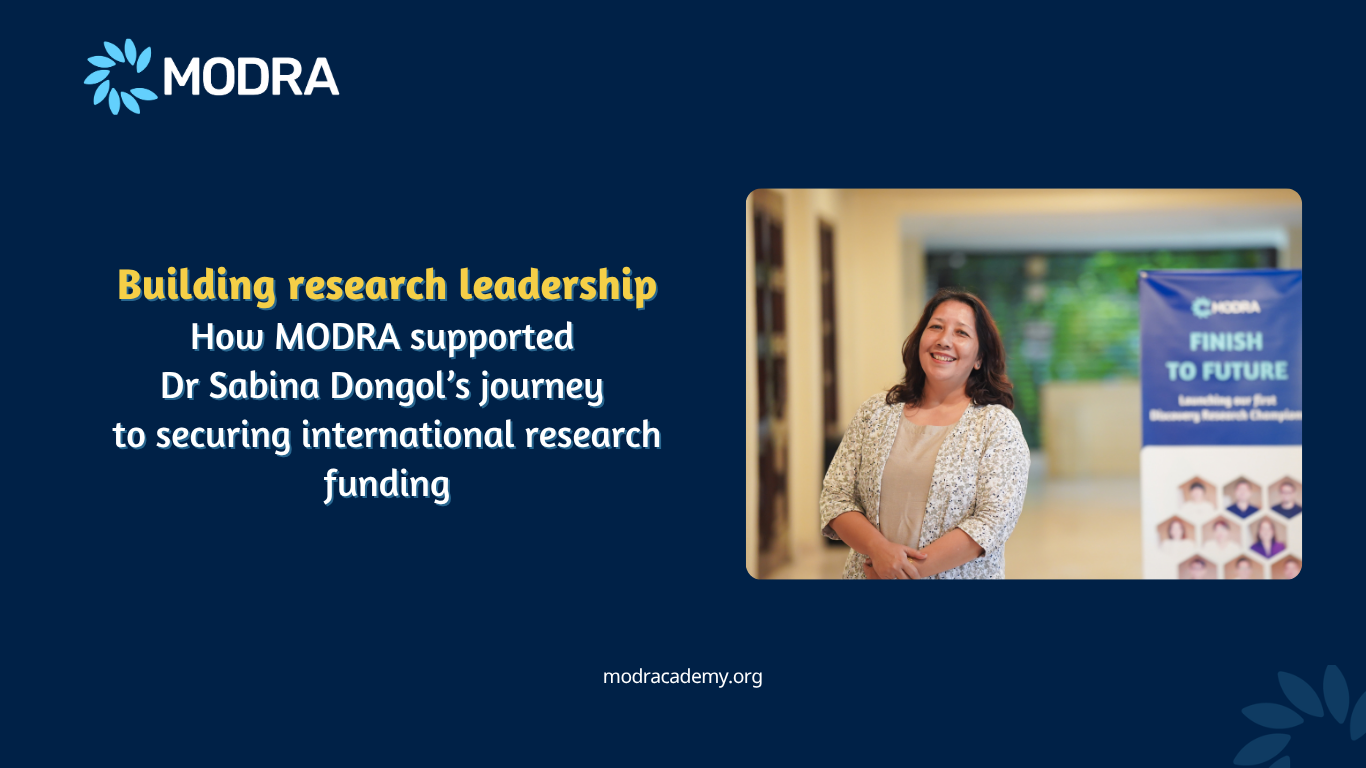
For Sabina, the Wellcome award is an important step towards establishing an independent research programme that addresses pressing healthcare challenges while strengthening clinical research capacity in Nepal.
“As my first successful application as a lead applicant, it represents an important milestone and gives me the confidence to pursue independent clinical research,” she said.
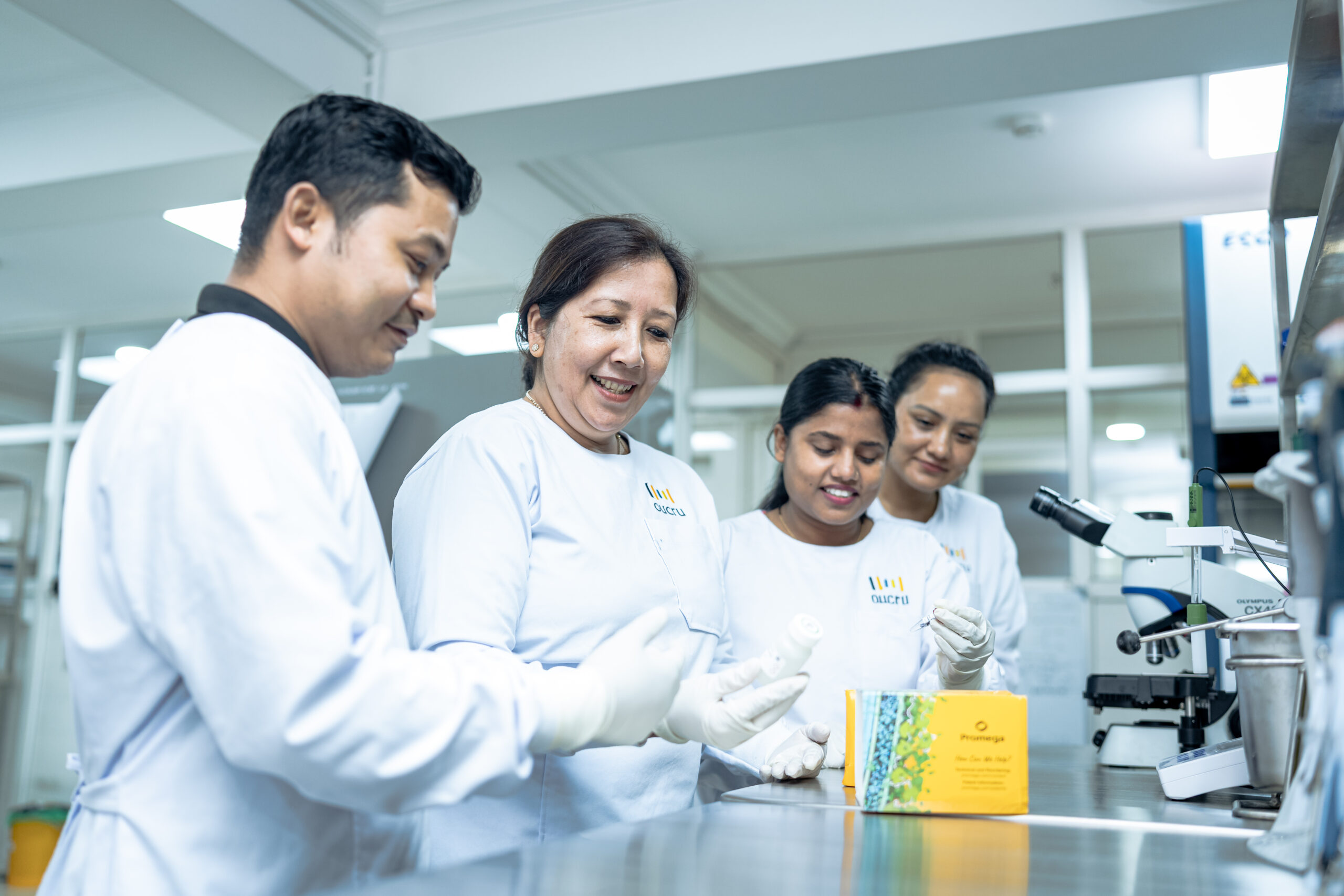
The award will support a multi-centre study across Nepal to understand and improve delays in the microbiology diagnostic pathway, from sample collection to laboratory reporting. By identifying opportunities to improve diagnostic turnaround times in resource-limited settings, the project aims to support better clinical decision-making, more appropriate antimicrobial use and improved patient outcomes.
Alongside this, Sabina is part of a successful CARB-X collaboration with En Carta Diagnostics to evaluate a novel rapid molecular diagnostic test for typhoid fever and antimicrobial resistance. The study will assess the technology in real-world healthcare settings in Nepal, helping determine its potential to enable earlier diagnosis, support more targeted antibiotic use and strengthen AMR surveillance.
Developing the next stage of research leadership
Reflecting on her experience in MODRA‘s first cohort, Sabina says the programme played an important role in preparing her to pursue competitive international funding.
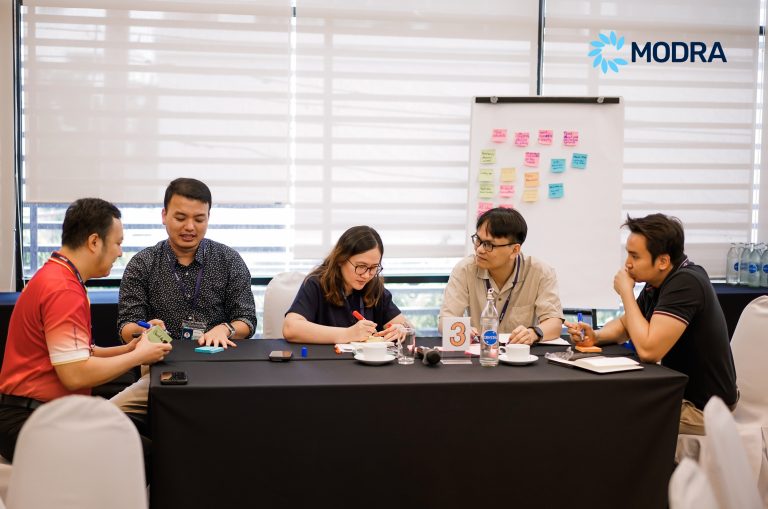
As an established researcher, she found value in the programme’s mentorship, practical grant-writing support, and opportunities to exchange ideas with researchers from across the region.
“What I valued most about MODRA was the mentorship. It wasn’t just about learning how to write grants—it was about having experienced researchers challenge my thinking, encourage me to aim higher, and provide constructive feedback throughout the process.”
She credits the combination of mentorship, training, and practical experience with helping her approach to funding applications more strategically and broadening her perspective on research leadership.
“I can’t point to one single aspect of MODRA that made the difference, but together the mentorship, training, practical experience and encouragement gave me the confidence to pursue opportunities that I might not have considered before. It has changed how I think about my career—not just contributing to research, but leading projects that can have a meaningful impact on patient care in Nepal.”

The value of mentorship and collaboration
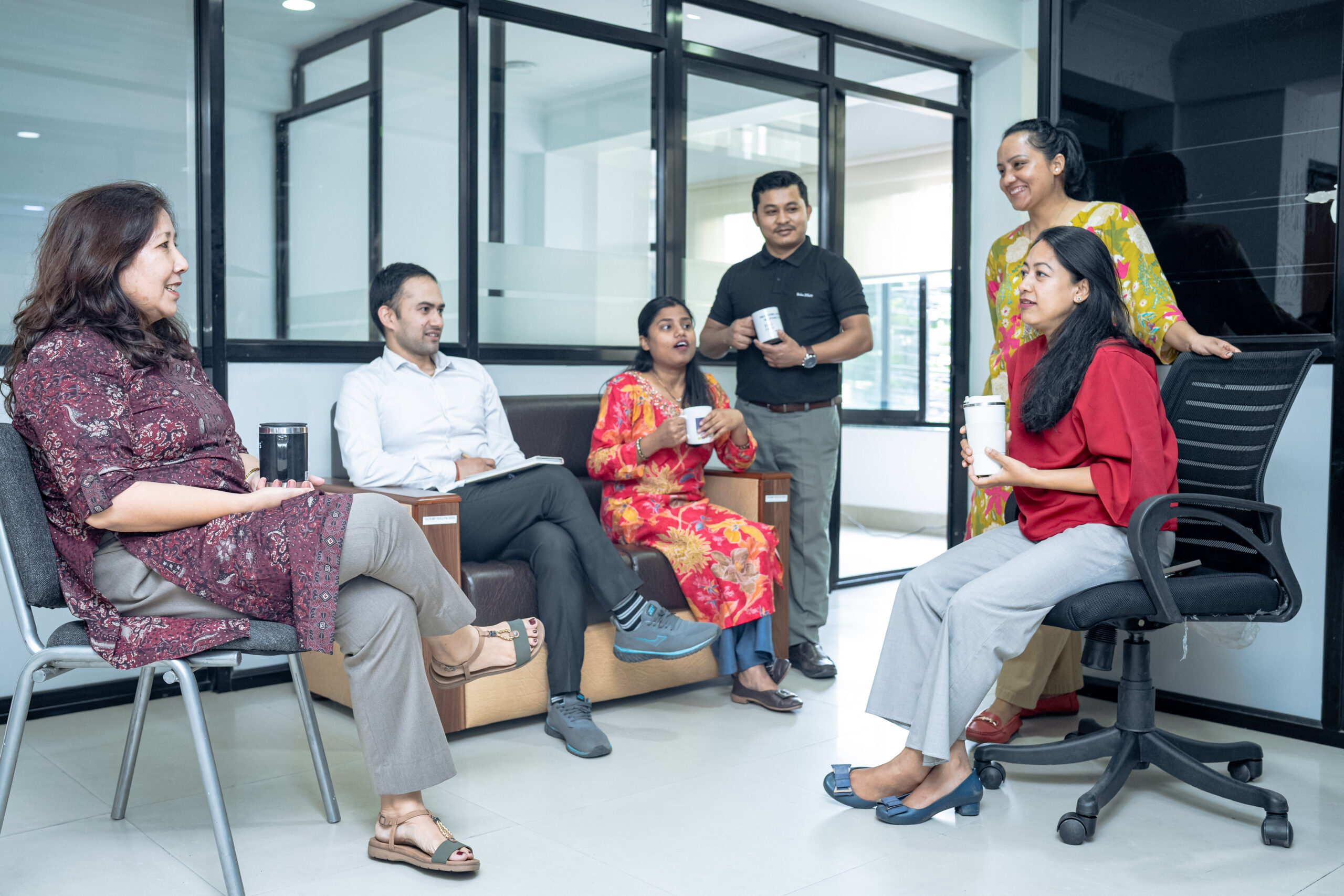
Throughout the programme, Sabina worked closely with mentors including Prof Louise Thwaites and Dr Tamalee Roberts, whose feedback helped refine her research ideas and strengthen her grant applications. She also expressed her gratitude to Assoc Prof Abhilasha Karkey, who encouraged her to apply for both the MODRA programme and the Clinical Trial Development (CTD) funding, and who generously reviewed her proposals and drafts despite her busy schedule. Sabina also acknowledged Dr Leigh Jones for conceptualising MODRA and creating an innovative platform that provides emerging researchers with the mentorship, training and collaborative environment needed to develop as research leaders.
She also valued the opportunity to engage with researchers from different disciplines and countries, reinforcing the importance of collaboration in addressing complex global health challenges.
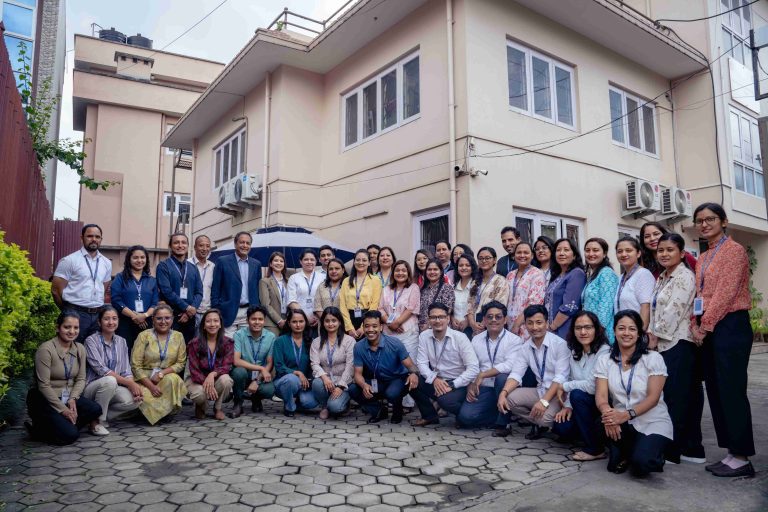
At the same time, Sabina emphasises that these achievements have been made possible through the supportive research environment at OUCRU Nepal.
“I have been fortunate to work in a team where collaboration, mentorship and mutual support are part of everyday practice. While these awards are important personal milestones, they are equally a reflection of the collective support and encouragement I have received from those around me.”
Looking ahead
The Wellcome award and CARB-X project represent the beginning of the next phase of Sabina’s research career. She hopes to build an independent research programme focused on infectious diseases and antimicrobial resistance, generating evidence that improves patient care while strengthening research capacity in Nepal.
Looking back on her MODRA experience, she encourages future applicants to make the most of the opportunities the programme offers.
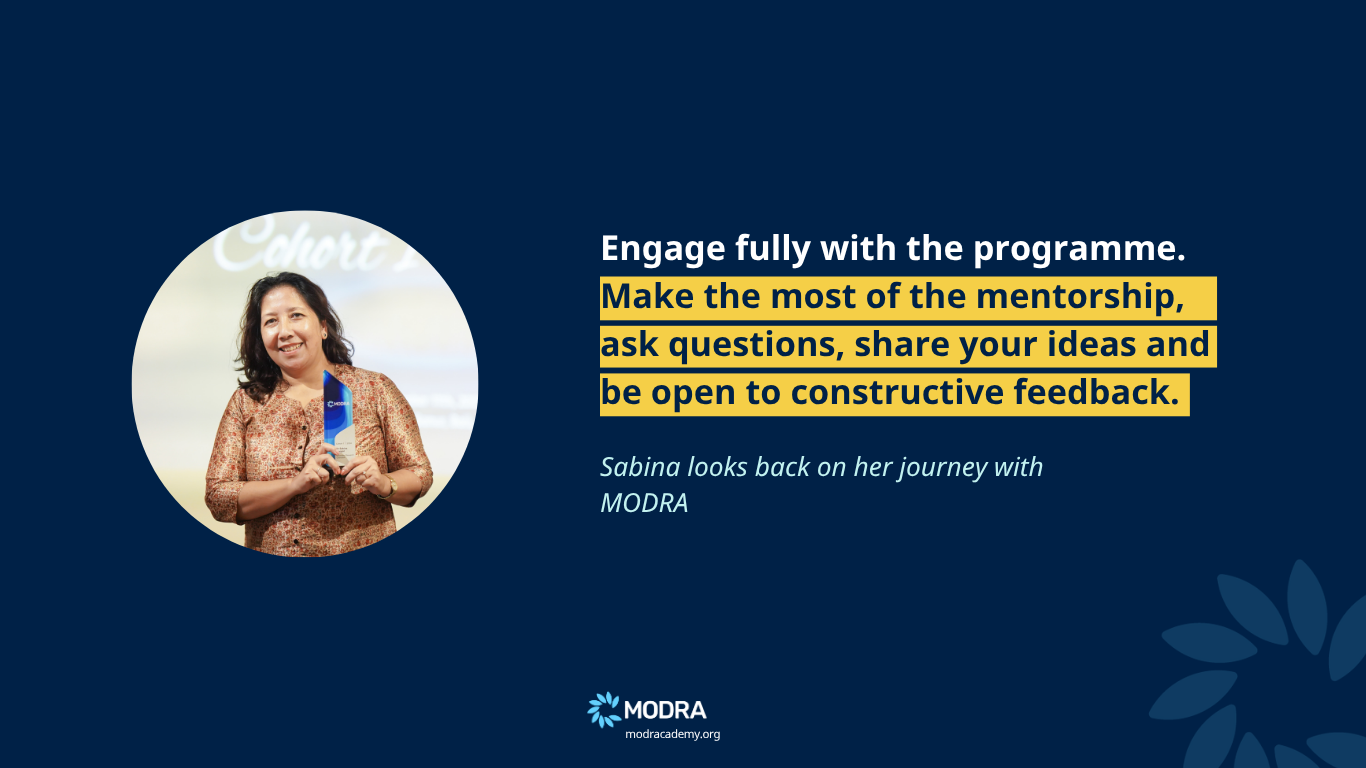
“Engage fully with the programme. Make the most of the mentorship, ask questions, share your ideas and be open to constructive feedback. The relationships you build with both mentors and fellow participants are just as valuable as the technical skills you develop.”
Sabina’s achievements reflect MODRA’s mission to support researchers in developing the skills, networks and confidence needed to become future research leaders, helping translate promising ideas into research that delivers meaningful impact for patients and communities.
The MORU–OUCRU Discovery Research Academy (MODRA) supports emerging research leaders across Southeast Asia through mentorship, tailored training and regional collaboration. By strengthening grant writing, leadership and research skills, MODRA aims to equip researchers to secure competitive funding and lead impactful research that addresses pressing health challenges in low- and middle-income countries.