
In response to the World Antimicrobial Awareness Week initiated by the World Health Organization (WHO) with the message “Act Now: Protect Our Present, Secure Our Future,” the program series AMR – The Untold Story 2025: Youth in Action Against Antimicrobial Resistance has officially returned with many meaningful activities for students and young people.
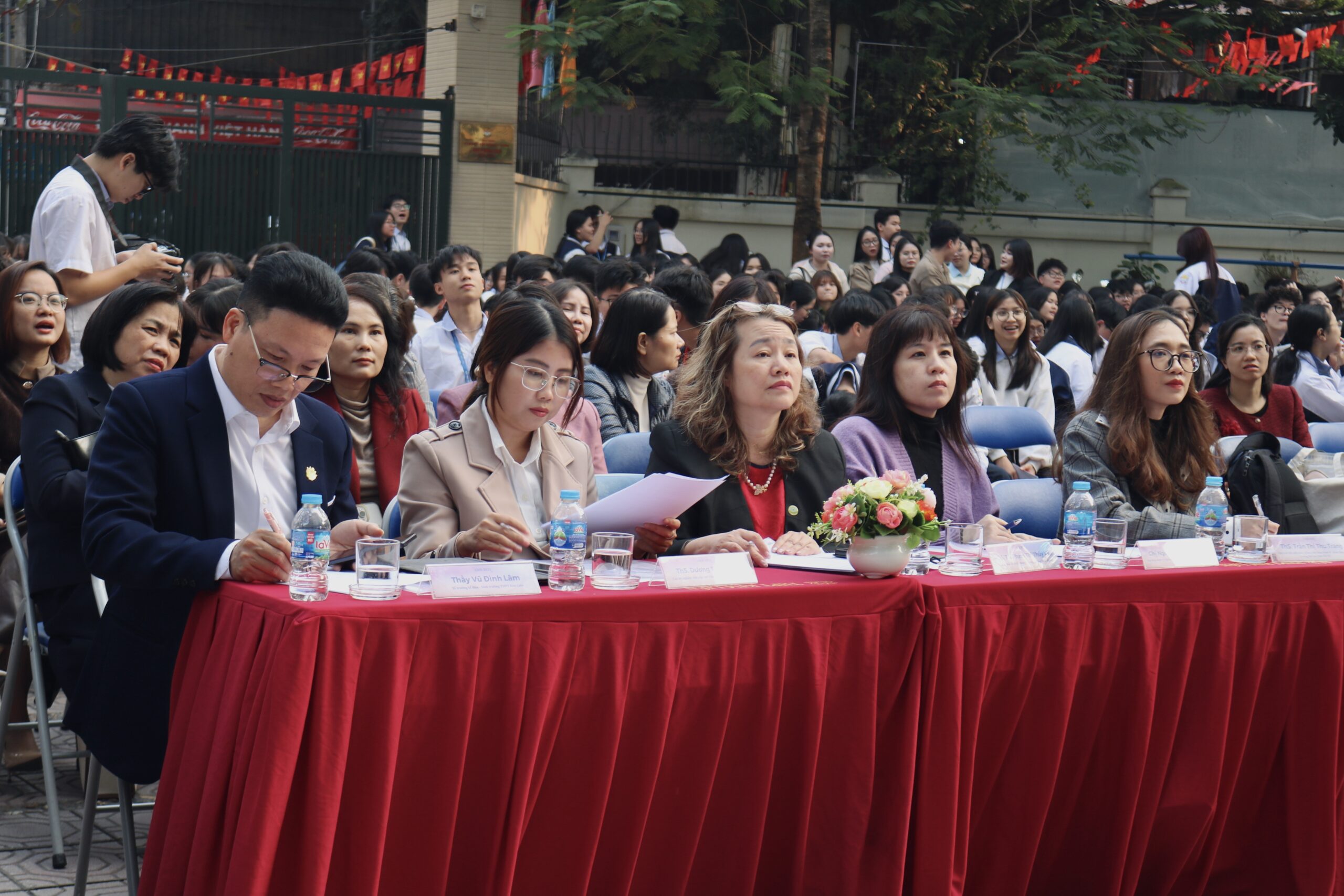
One of the highlights of this year’s program is the “AMR Ambassador” Competition, held at Kim Lien High School (Hanoi). The competition aims to create a creative learning space for Grade 10 students while strongly spreading the message of using antibiotics safely, appropriately, and responsibly. Ms. Nguyen thi Hong Nga – OUCRU Senior PCE Coordinator – was invited to join the competition as a panel member.
From Awareness to Action
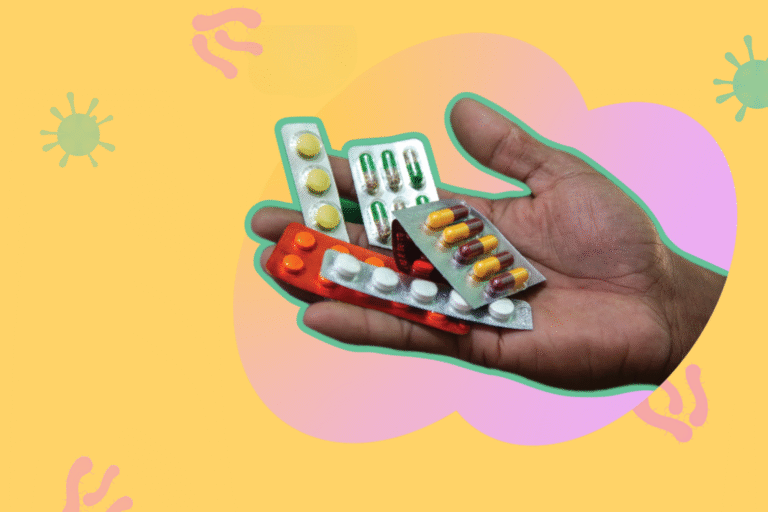
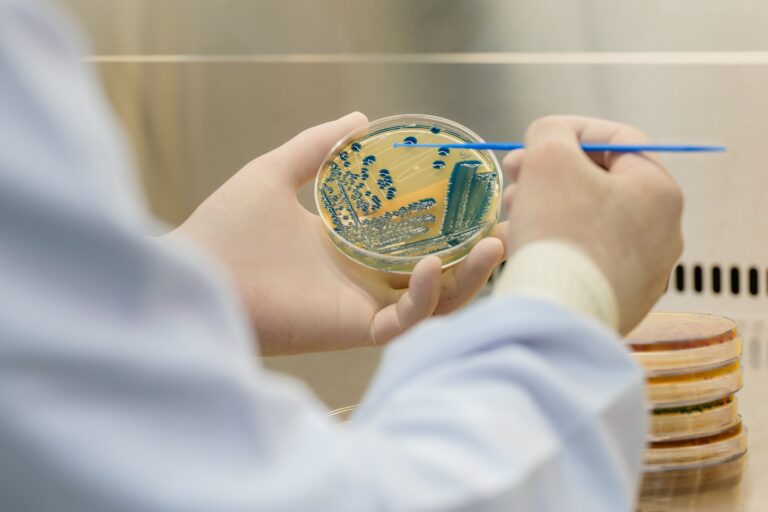
Antimicrobial resistance (AMR) is currently one of the most serious global health challenges. The misuse and overuse of antibiotics allow bacteria to become resistant, making many infections harder to treat, prolonging illness, and increasing healthcare costs.
With that reality in mind, the “AMR Ambassador” Competition was designed to help students correctly understand antibiotics and antimicrobial resistance, encourage students to actively learn, research, and communicate about public health issues and identify outstanding young individuals who can act as “Ambassadors” to spread messages about responsible antibiotic use to their peers, families, and communities.

Strong Collaboration Behind the Scenes
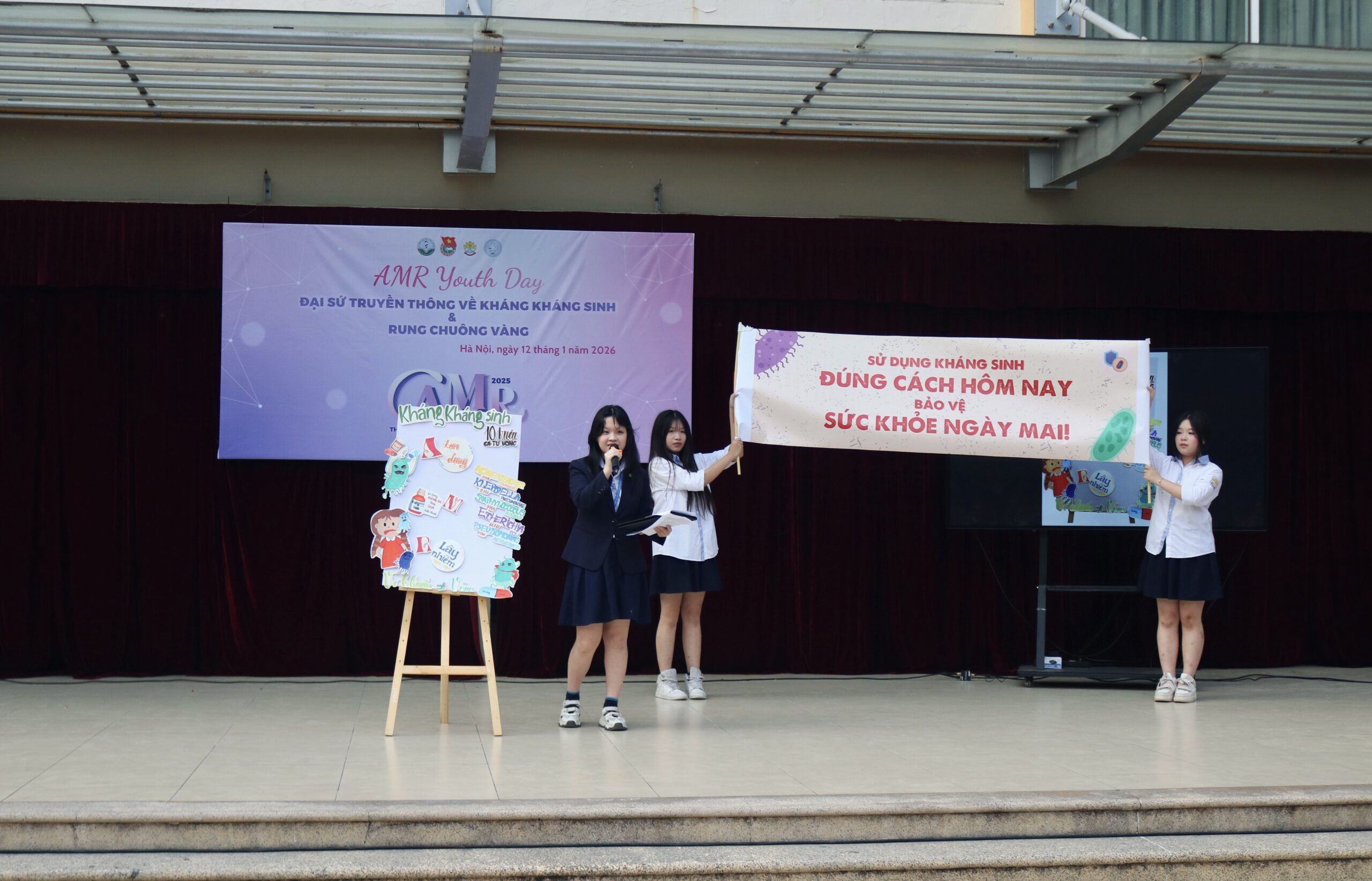
During the competition, participating teams demonstrated impressive creativity in AMR communication. They used a wide range of engagement approaches, including posters, theatre performances, interactive Q&A sessions, and short presentations, making complex health messages accessible and engaging for students.
In the Competition, each team selected one of three topic groups: Causes of antimicrobial resistance; Impacts and consequences of antimicrobial resistance and Solutions to limit antimicrobial resistance. Each team had up to three minutes to deliver their presentation. Beyond scientific knowledge, this round required critical thinking, persuasive communication, and a strong sense of social responsibility. Many presentations left a strong impression by connecting the topic with real-life situations, such as self-medicating when having a cold, stopping antibiotics early when feeling better, or reusing old prescriptions for others.

Young “Ambassadors” for Change
After exciting and competitive rounds, the judging panel selected the top five teams. More importantly than the awards, the students truly became “AMR Ambassadors” – young people who understand the issue, believe in responsible action, and are ready to contribute to the fight against antimicrobial resistance.
Many students shared that after the competition, they changed their own habits: consulting doctors or pharmacists before using antibiotics and reminding family members not to buy antibiotics without prescriptions.
Spreading the Message for a Healthier Future
Through creative and student-friendly formats, the “AMR Ambassador” Competition has increased young people’s awareness of antimicrobial resistance, encouraged students to become active health communicators in their communities and contributed to the collective effort to promote safe, appropriate, and effective antibiotic use.
As antimicrobial resistance continues to rise, every small action—from using antibiotics correctly to sharing knowledge with others—matters. And today’s young “ambassadors” will be a vital force in protecting community health in the future.