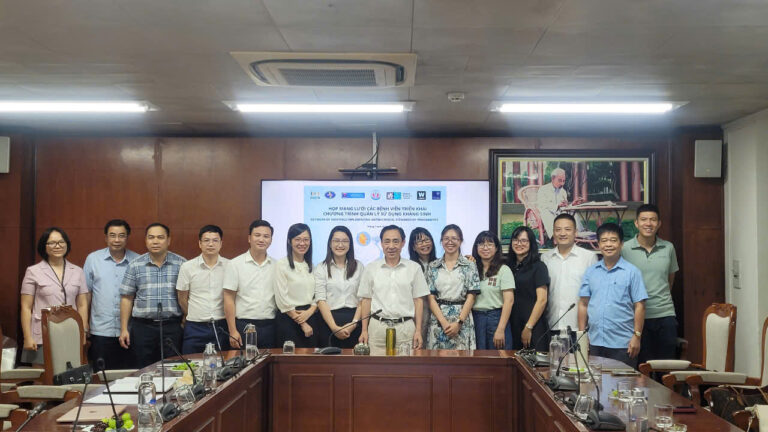


On October 23, 2025, in collaboration with Dong Thap General Hospital, OUCRU organized a series of community engagement sessions to explore knowledge and perceptions about antibiotics, antimicrobial resistance (AMR), and antimicrobial stewardship among patients, caregivers, and healthcare staff. This activity is part of ongoing efforts to promote community participation in tackling antimicrobial resistance – a growing global health challenge.
Participants (patients and caregivers) shared that antibiotic use is familiar to them, and encouragingly, community awareness has improved significantly. They now understand that antibiotics must be used appropriately, in the correct dosage, and only under medical prescription – rather than being purchased and used freely.
Beyond awareness, some participants also demonstrated positive behavioral changes: when uncertain about a medicine or dosage, they are now more willing and proactive in consulting healthcare staff rather than feeling hesitant or afraid of being reprimanded. Some even reported actively discussing the benefits and risks of antibiotic prescription and monitoring their own or family members’ treatment to promptly report unusual symptoms to healthcare staff. These small but meaningful actions show that patients and their families are not only concerned about the quality of treatment outcomes, but also increasingly aware of the medications being prescribed.
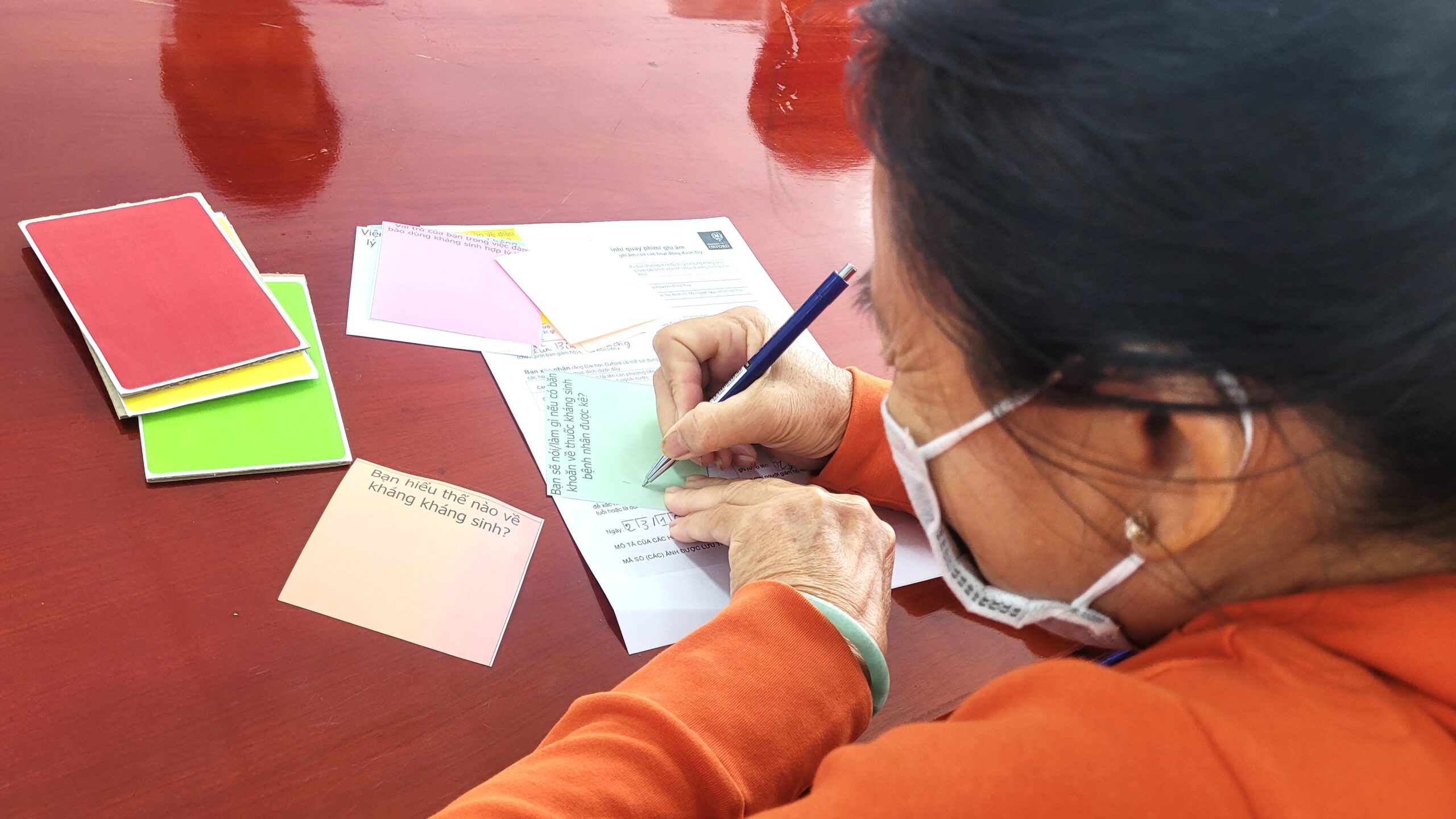

Picture 1, 2: Patients and caregivers sharing their understanding of antibiotic use (Source: OUCRU)
In discussions with healthcare staff, regulations related to AMS programs, as mandated by Ministry of Health, were reviewed, discussed, and updated. Communication procedures, programs, and strategies to enhance awareness among patients, caregivers, and healthcare staff were also reviewed, with several practical solutions proposed for improving implementation quality.
In the participants’ opinions, many people still lack sufficient knowledge about medicines, with common questions centering on “Can I use this drug?” or “Do I have enough medicine?” rather than “What is this drug?”, “How does it work?”, or “Does it cause resistance?”. This highlights the urgent need to improve community awareness and health communication skills.
One key recommendation was to intensify communication and community outreach, integrating AMR topics into Community Advisory Board activities to attract broader engagement and feedback.
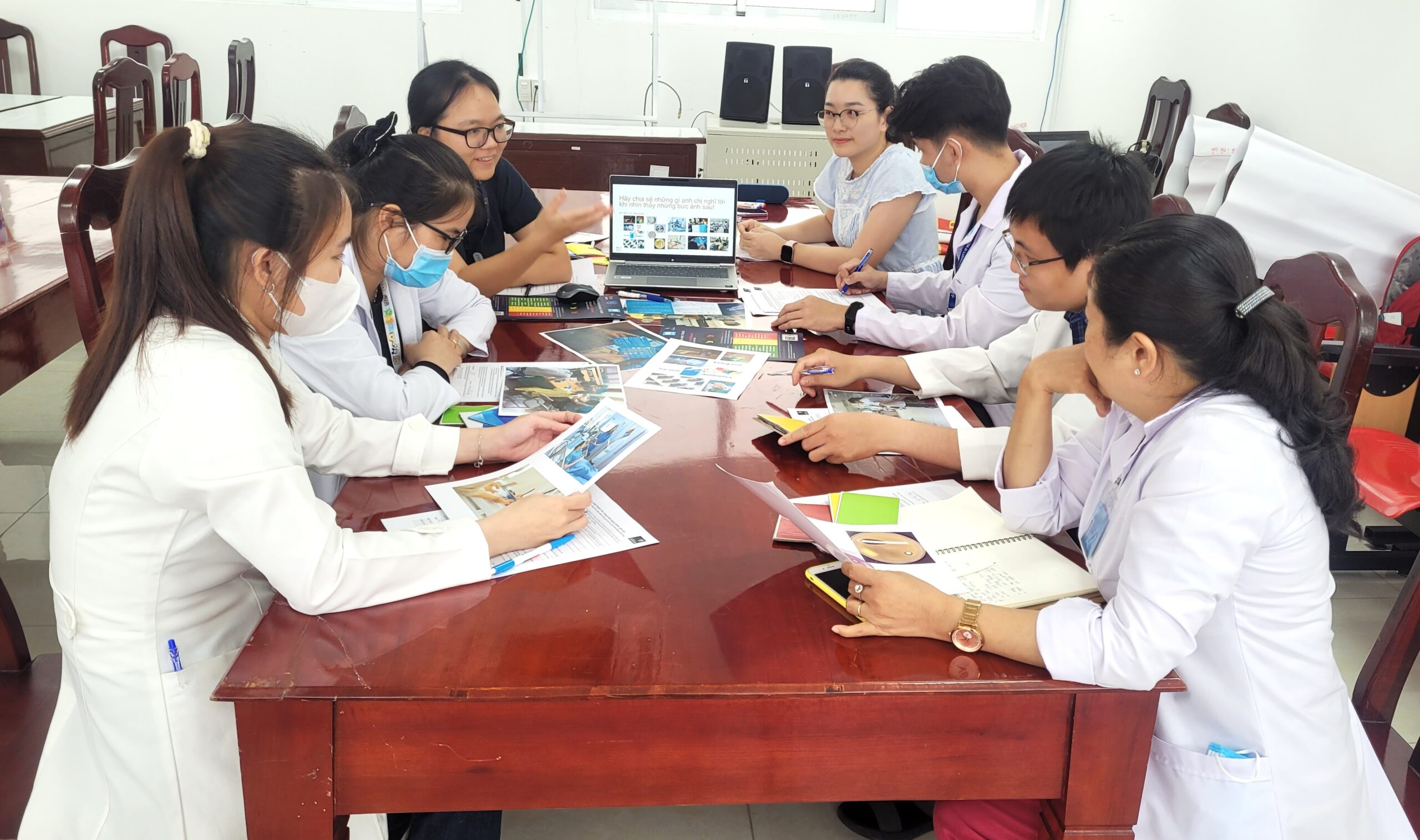
Picture 3: Healthcare staff discussing communication strategies to enhance public awareness about antimicrobial resistance (Source: OUCRU)
What is Community Advisory Board? Community Advisory Board (CAB) is an important initiative to strengthen patient involvement in research activities on the rational use of antibiotics. The CAB may include members such as doctors, nurses, pharmacists, patients, and caregivers. By providing feedback, connecting stakeholders, and reflecting real-world community needs, the CAB supports improved treatment quality, transparency, and shared responsibility in antibiotic use.
Learn more about the Community Advisory Board
Through these open and participatory discussions, OUCRU gained valuable insights into community understanding of antibiotics, appropriate medication practices, and individual roles (patients, caregivers, and healthcare staff) in preventing antimicrobial resistance.
Vietnam has issued the Approval of The National Strategy for Prevention And Control Of Drug Resistance In Vietnam For The Period Of 2023 – 2030 With A Vision Towards 2045.
This strategy aims to effectively control AMR by 2045 through key measures:
- Raising community awareness
- Strengthening AMR surveillance systems
- Ensuring rational, safe, and responsible antibiotic use
- Promoting cross-sectoral collaboration among health, agriculture, and environmental sectors