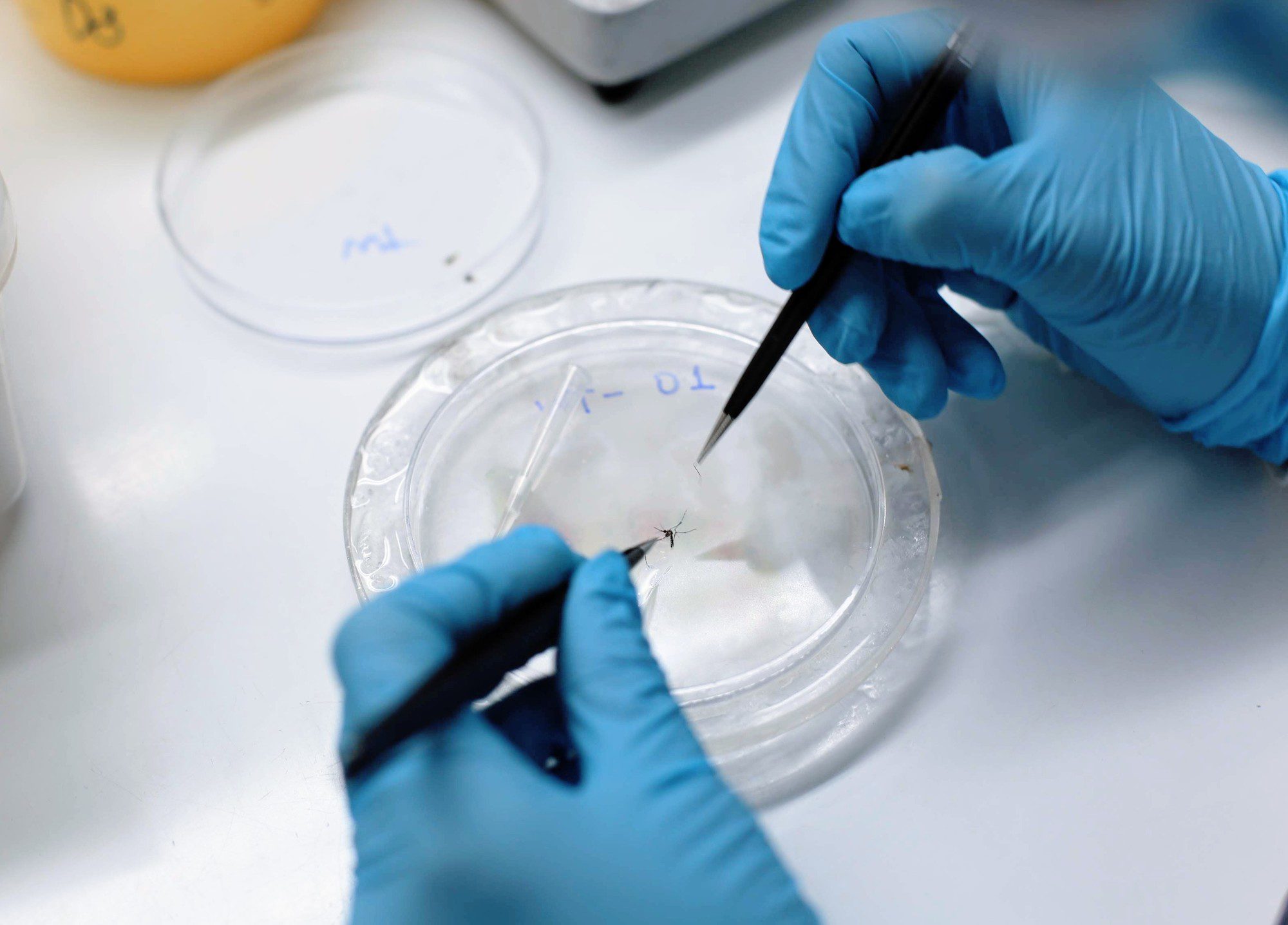


Dengue continues to be a public health concern in Vietnam, typically peaking between September and December.
According to the Department of Disease Prevention under the Ministry of Health, Vietnam recorded nearly 50,000 dengue fever cases during the first months of 2026, approximately 2.5 times higher than the same period last year. The disease has appeared earlier than usual, spread to a growing number of northern localities, and is showing increasingly unpredictable patterns.(*)
Medical experts say one reason the disease remains dangerous is widespread complacency. Many people mistakenly believe that once a fever subsides, recovery has begun. In reality, dengue often progresses in the opposite direction.
“The period between the third and fifth day of illness, when fever decreases or disappears, is often the most dangerous stage,” Associate Professor Dr. Nguyen Thanh Hung, Vice President of the Vietnam Pediatric Association and former Director of Children’s Hospital No. 1 in Ho Chi Minh City, explained. “This is when severe complications such as dengue shock syndrome, major bleeding or multi-organ failure may occur. Many patients arrive at hospitals too late because they assume they are recovering, significantly increasing the risk of death. As there is still no specific treatment for dengue, early detection of warning signs, close monitoring and proper care remain the key factors in reducing complications and fatalities.”
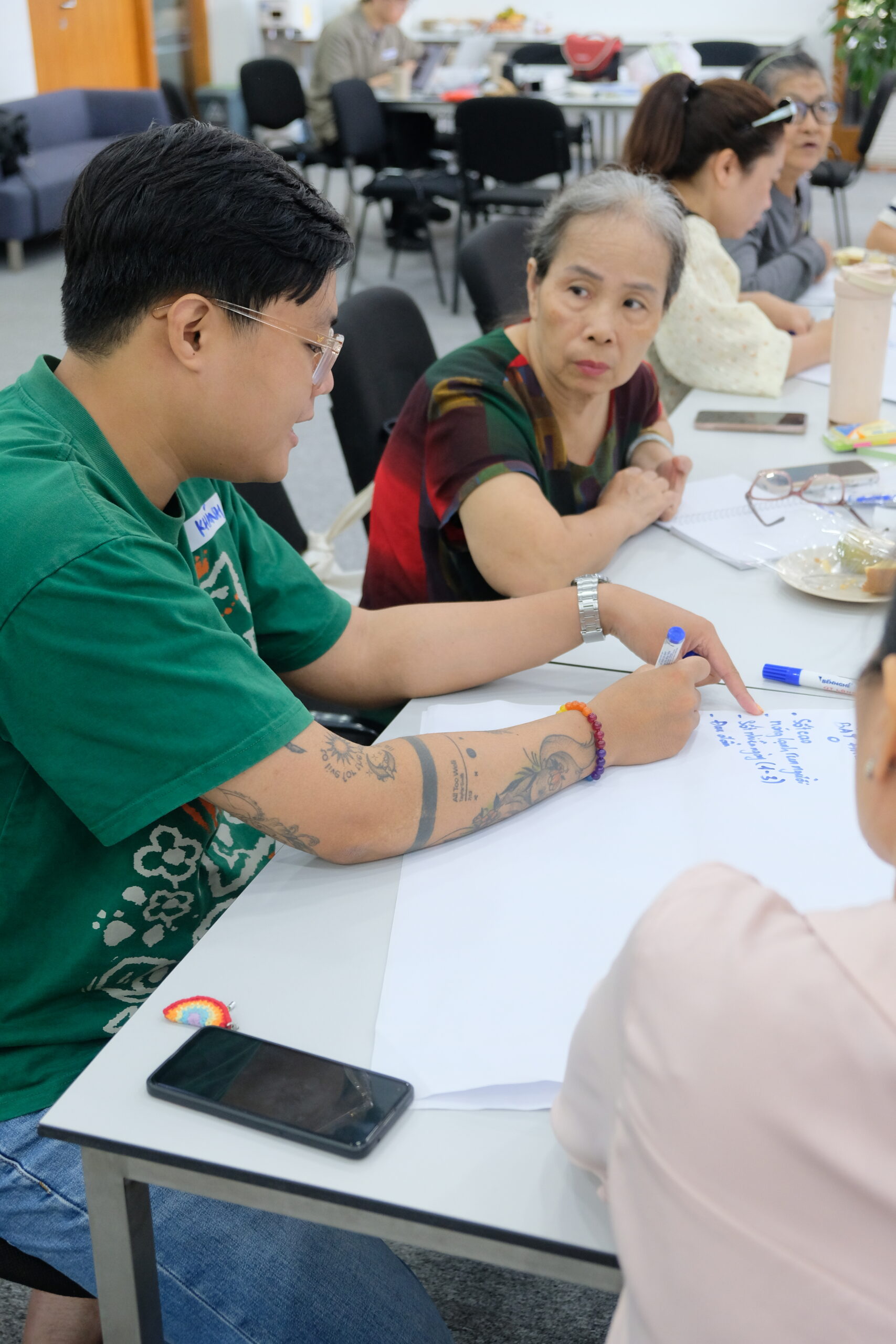
This is consistent with the recent Health Research Advisory Board discussion, organised by the D-SCAPE (Dengue Shock Classification And Prediction Wearable) project team and OUCRU’s Public and Community Engagement group. Consisting of individuals across diverse age groups, backgrounds and educational levels, the advisory board highlighted that delayed care-seeking is a real barrier: many people don’t recognise dengue until symptoms are already advanced and often try home remedies before seeking medical help.
To address this gap, D-SCAPE – a novel, affordable, and non-invasive wearable device- is designed to enable early identification of severe progression, support timely intervention, optimise fluid management, and ultimately improve outcomes for patients in resource-limited settings.
To understand real-world needs, the D-SCAPE team has collaborated with the HRAB for several sessions to cover a variety of topics, including gathering feedback on the practical use of the device, such as its functions, how to use it, and difficulties and concerns encountered while using it, to name a few. Through meetings and discussions with the community, the project team has opportunities to improve the device, directly reflecting people’s voices.
As a cornerstone of community engagement at OUCRU, the Health Research Advisory Board has supported scientists in bridging the gap between the research agenda and community concerns. Several projects including D-SCAPE and VIETNARMS, have proven that community voice plays a central role in reflecting the local context, shaping research, make it more relevant and impactful.
Reference: