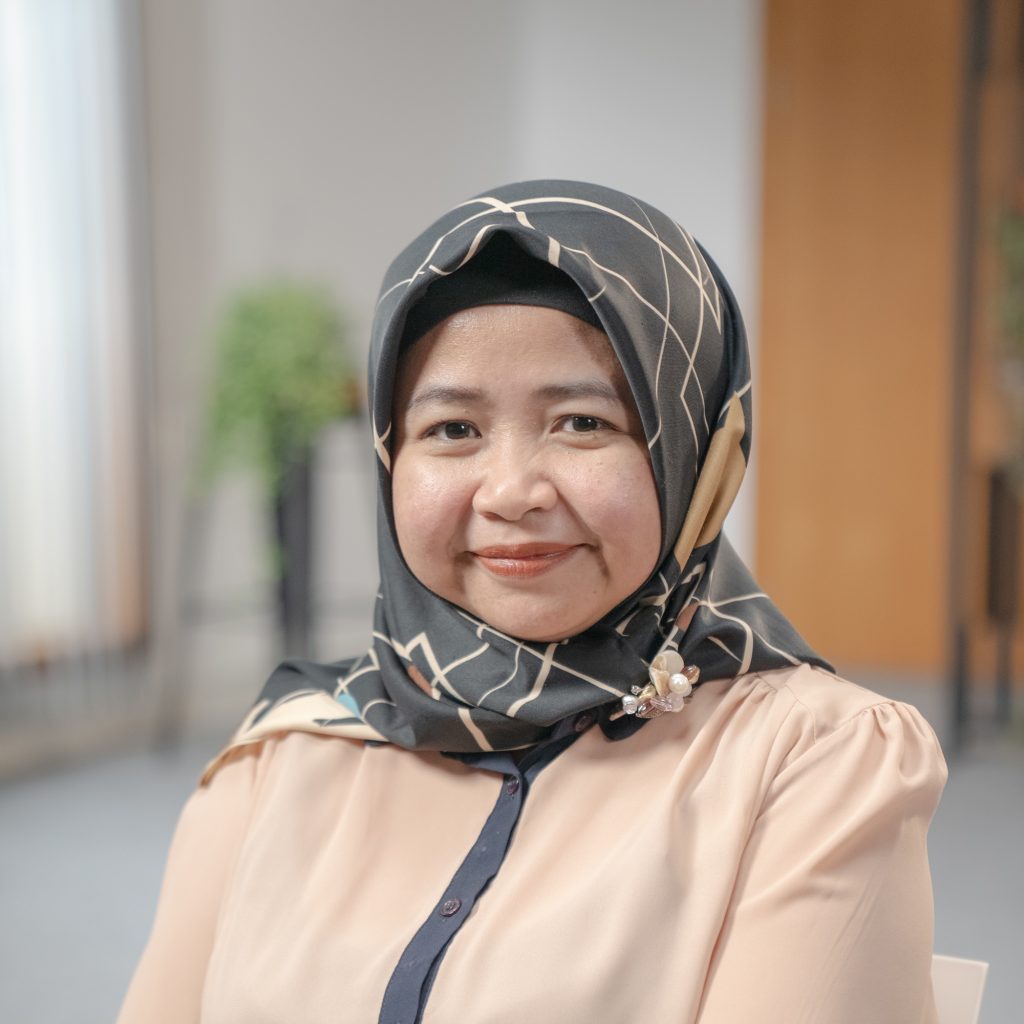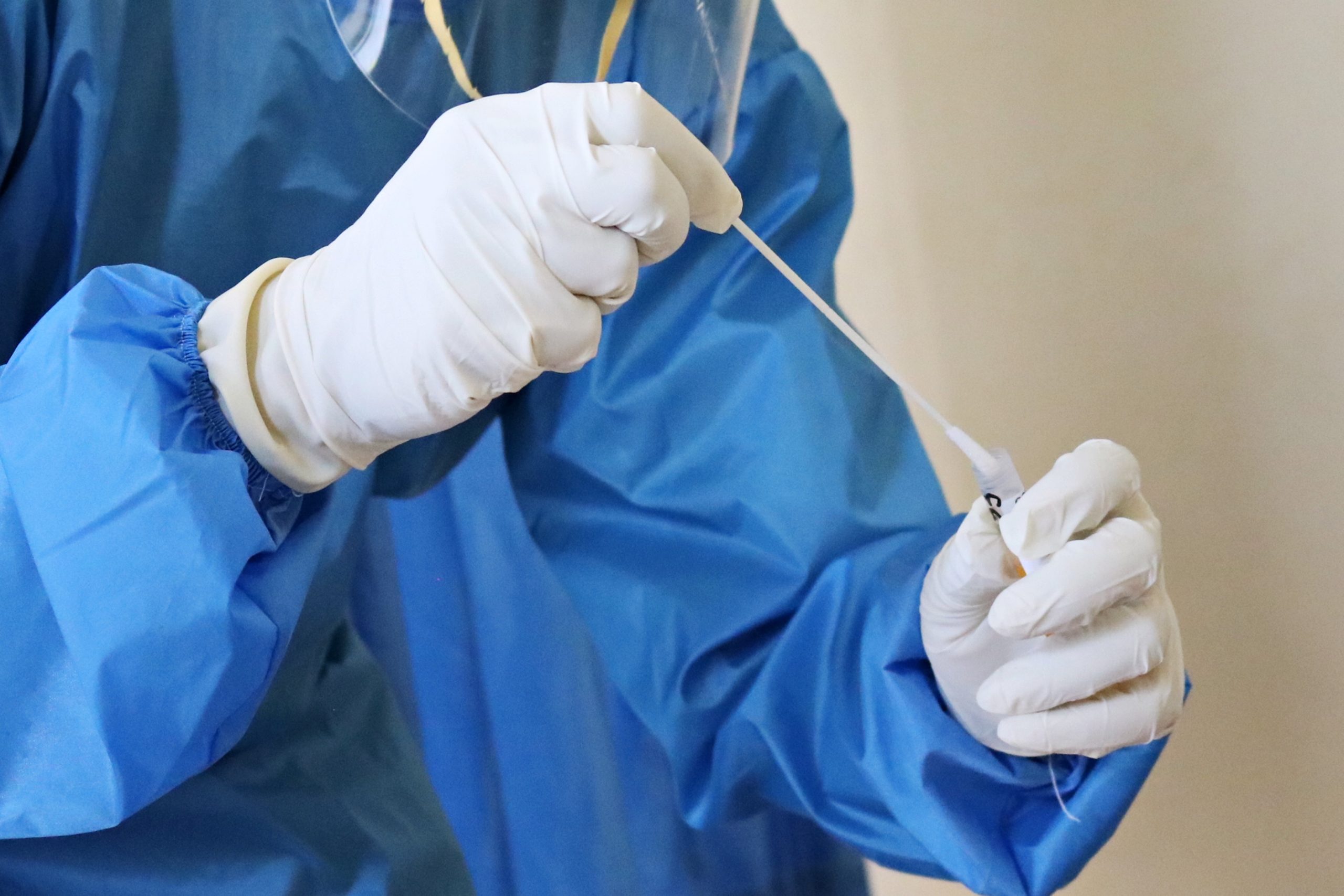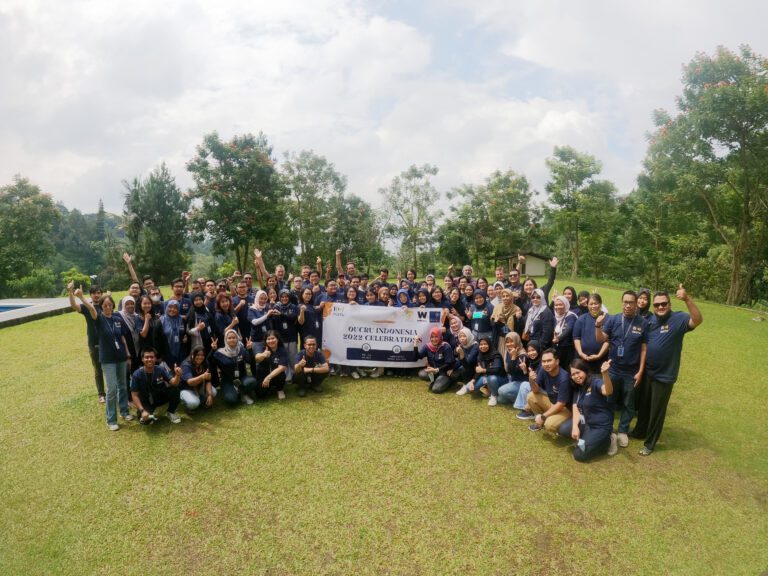


Suwarti is a scientist at OUCRU Indonesia who specialises in clinical laboratory research. Her work involves detecting diseases, tracking how pathogens evolve, and studying how the human body responds to infections.
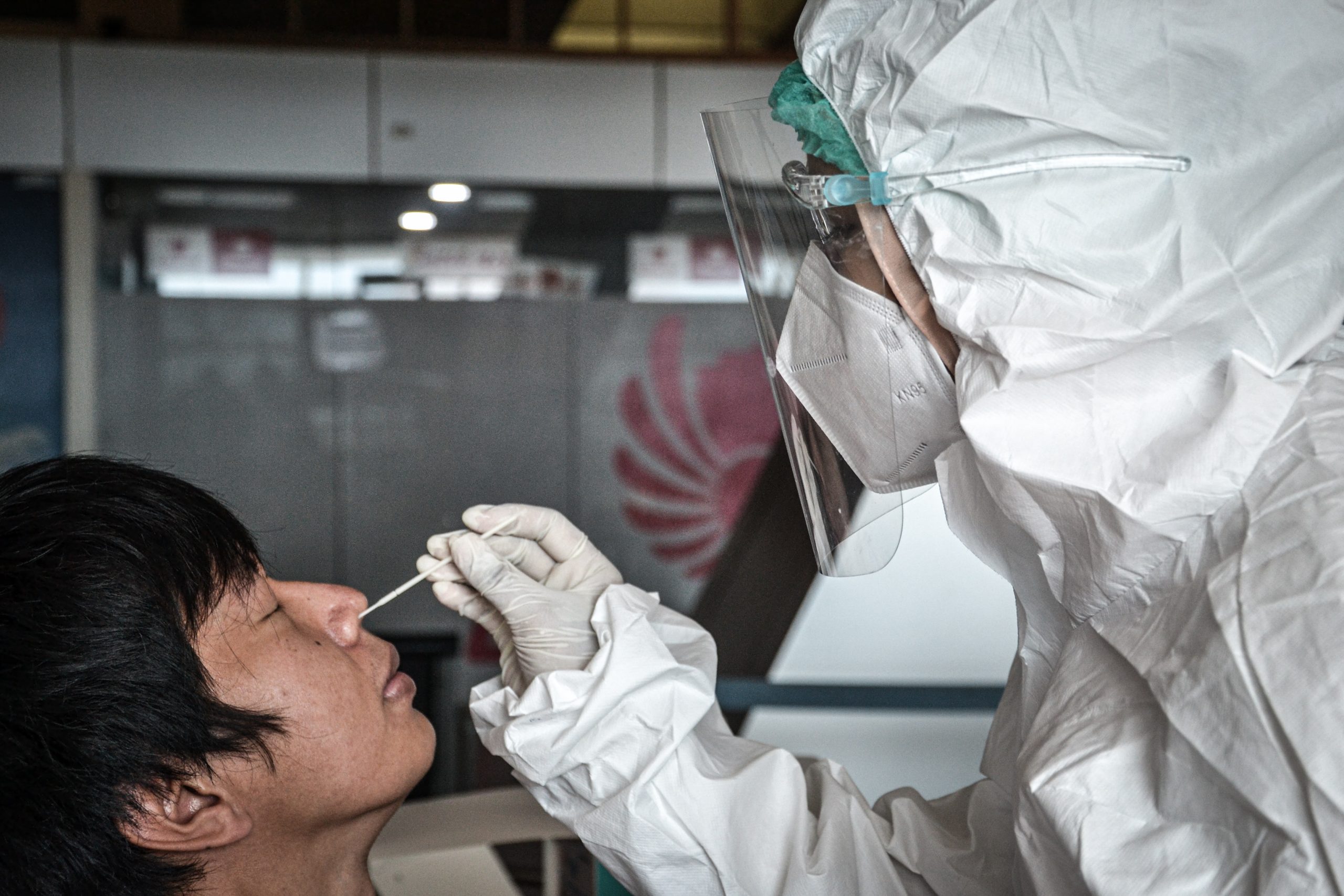
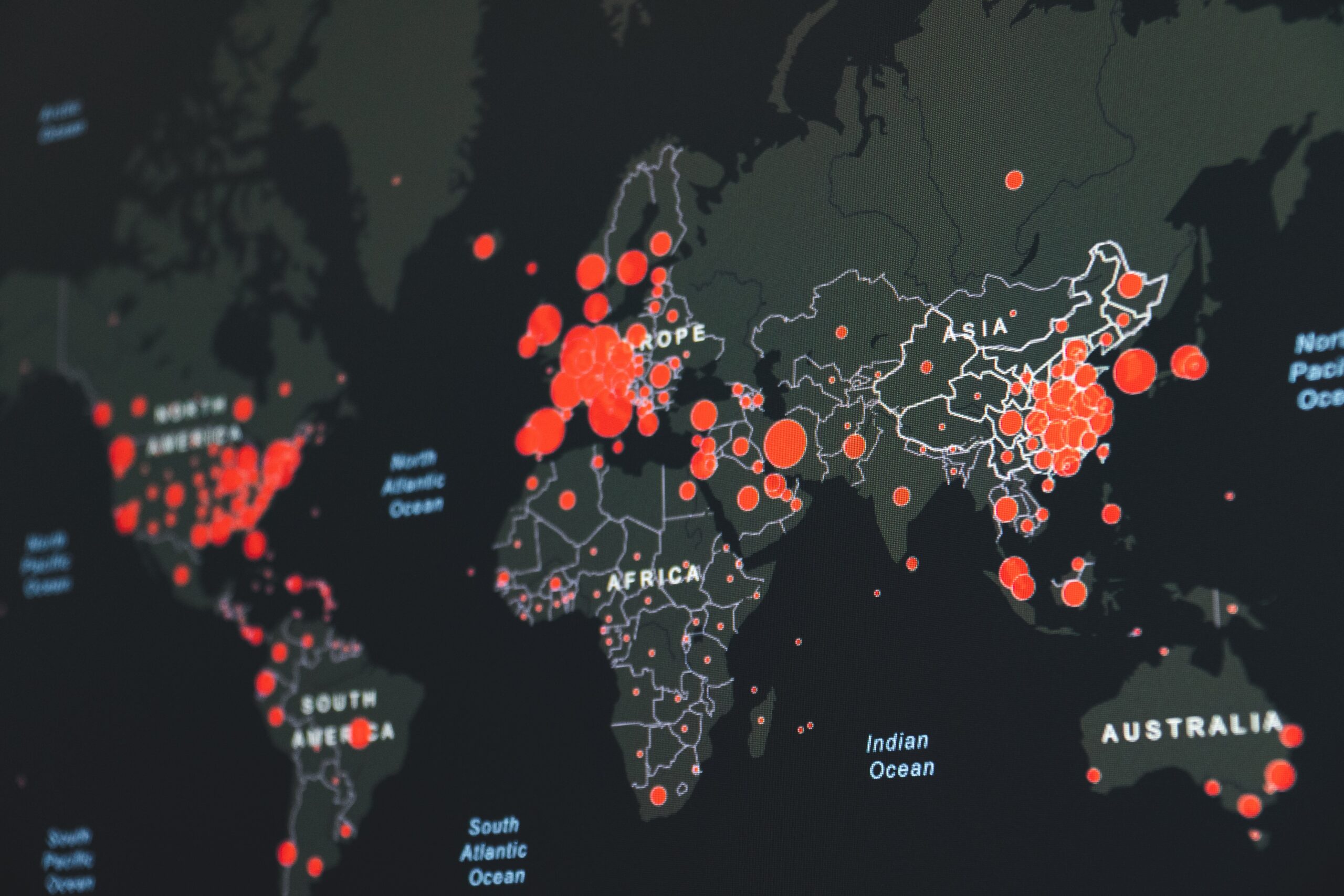
Over the past seven years, Suwarti has been a key contributor to many major research projects, including the unit’s critical work on Covid-19 and broader pandemic preparedness. Her more current research focuses on testing the body’s reactions to Covid-19, Mpox, and bird flu vaccines, as well as identifying patterns of leptospirosis outbreak in Jakarta.
With a PhD and a lead researcher role, many people would be surprised to learn that Suwarti’s career began on the floor of a spice manufacturing factory, not in clinical research.
A humble beginning
One of Suwarti’s first jobs was supervising quality control at a spice manufacturing factory. It was a sensible choice at the time. With a bachelor’s degree in Food Technology, her motivation was strictly pragmatic: to earn as much money as possible.
Born as the youngest of ten children, Mba Ati, as she is affectionately called in the office, came from a modest family. Her father worked as a manual labourer, while her mother was a domestic helper.
She knew early on that she wanted a better life for herself and her family. “I didn’t want to remain poor. I wanted to live comfortably. I realised this when I was still in middle school, after seeing how children from higher-income families lived,” Suwarti recalled.
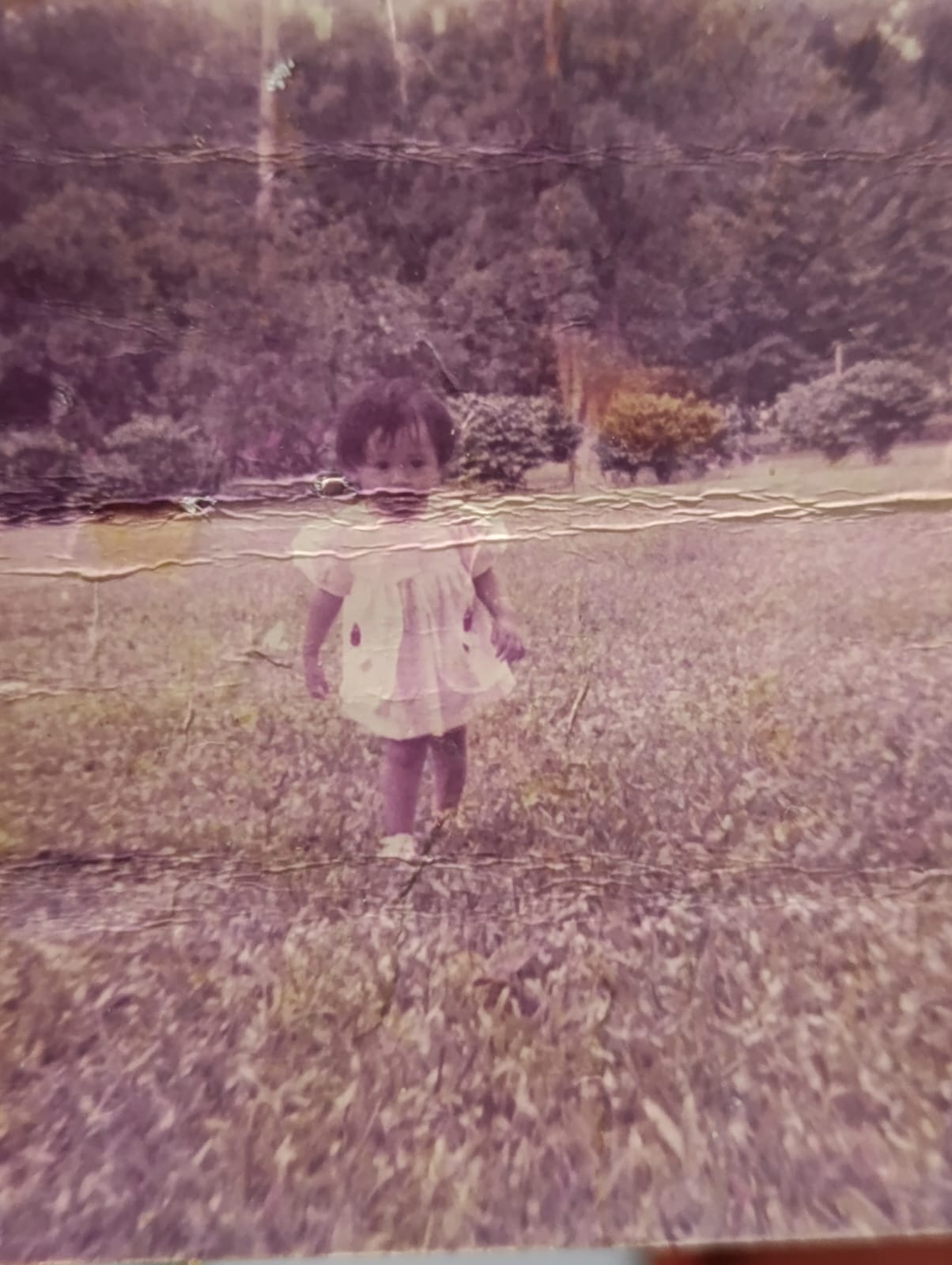
Luckily, her parents placed great importance on formal education and supported her as far as they could. That support carried Suwarti through university, where she obtained her bachelor’s degree from Institut Pertanian Bogor (IPB) in 2004.
But once she had started working and earning, a persistent question started to bug her mind: “What now? What is next for me?”
Turning to a life in academia
During her undergraduate studies at IPB, Suwarti was known for being studious with a gift in biochemistry. It was this reputation that led the supervisor of her undergraduate research to reach out to her with an offer to work at a laboratory at the Indonesian Institute of Sciences (Lembaga Ilmu Pengetahuan Indonesia – LIPI).
The work involved engineering plants to produce essential human proteins and ensuring they function exactly like those found naturally in the human body. These plant-grown proteins could provide treatments for people with a range of medical conditions.
Such a project was new and exciting for Suwarti, but the salary would be half of what she was earning at the factory. However, the offer included a master’s degree scholarship supported by LIPI, and Suwarti found the challenge more appealing than her monotonous factory work – saying yes felt like the sensible choice for her.
So she took the job, and before long found herself working in LIPI’s laboratory while pursuing a master’s degree in Biology at Universitas Indonesia on scholarship.
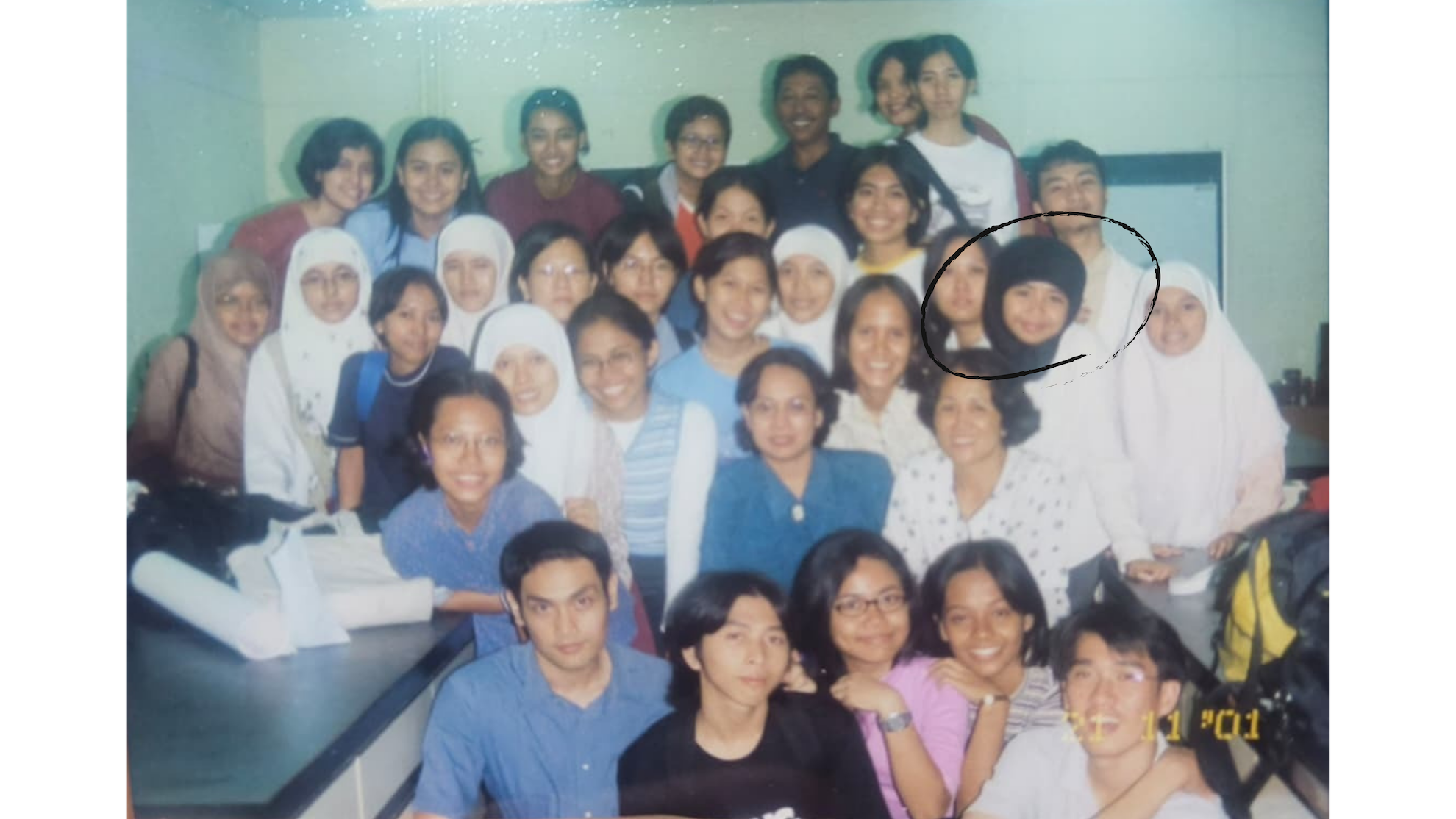
From there, one opportunity opened the door to the next. That master’s degree eventually led to another scholarship, this time to pursue a PhD in Life Sciences at Hokkaido University in Hokaido, Japan, while working at National Institute for Material Science in a different city Tsukuba. Her doctoral project investigated how extremely small materials, known as nanomaterials, could be used to help vaccines work better in strengthening the body’s immune responses.
After graduating, she spent a few more years as a postdoctoral researcher in Japan, helping to develop a new type of TB vaccine by building on her doctoral research on vaccine nanomaterials.
Looking back, Suwarti sees that her decision to leave a stable, better-paying job to pursue higher education and health research was shaped less by calculation and more by long-standing, indirect influence of her mother.
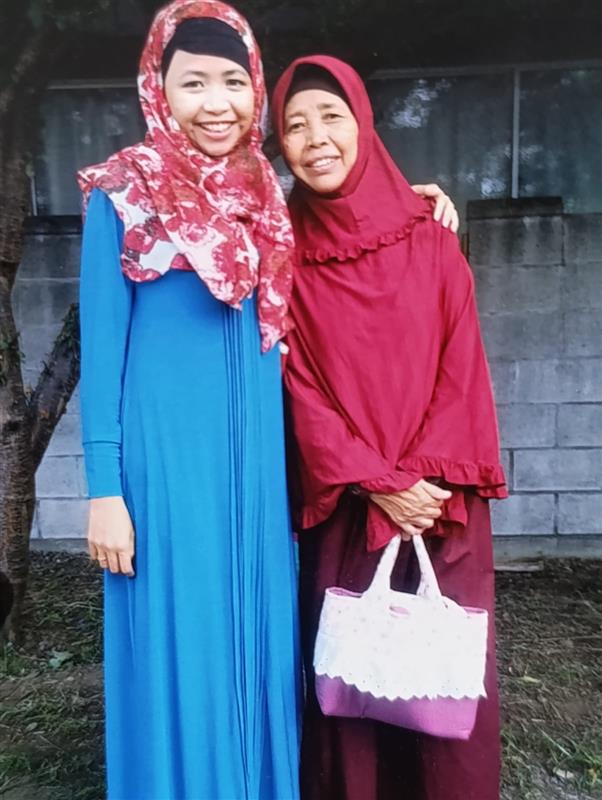
Ibu Iyah, Suwarti’s mother, had completed only elementary school, yet she was deeply curious about the world. In one of the households where she worked as a domestic helper, there was a subscription to Kartini magazine, a long-running Indonesian women’s magazine that covers social issues, public figures, and ideas about education and progress. She read it whenever she could, and sometimes read articles aloud to her daughter.
“My mother would easily recognise public figures, like prime ministers and business people, featured in the magazine, and talk about things she read in the news,” Suwarti recalled. “For someone with her educational background, her knowledge and curiosity were remarkable. If she had been given the right opportunities, she would have had a very different career.”
That curiosity was passed down to Suwarti. From a young age, she liked reading the newspapers and was considered the most studious among her siblings.
“I was never one of the top students in the high-school where the bright students were competing,” she said. “But I have always been curious and confident, and I knew that education is one profound way to change one’s social standing.”
This confidence eventually led Suwarti to take risks, like accepting the offer from LIPI, and set her on a path in science.
Breaking glass ceilings in pursuit of science
Suwarti knew she was not choosing an easy life in academia.
Around the time she joined LIPI, she also got married and then became pregnant not long after. The timing meant that several major responsibilities arrived at once.
“I was working full time at the laboratory in Cibinong while studying at Universitas Indonesia in Depok,” Suwarti said. “I was pregnant at the time, and later caring for a newborn. Going back and forth between home, the workplace, and campus in three different cities was my daily routine. Exhausted doesn’t even capture how I felt.”
Suwarti graduated around the same time her project with LIPI came to an end. She was unemployed for a period before another opportunity came her way, this time to pursue a doctoral research project in Japan. She jumped at it.
The transition was not easy. For the first 1.5 years, she had to leave her husband and her four-year-old son behind in Indonesia because she could not afford to bring them with her. Her only option was to travel back and forth between Japan and Indonesia whenever she could.
Eventually, circumstances shifted. Her husband also received a scholarship to pursue higher education in Japan. He brought their child with him, and for about five years, the family lived together there.
When asked how she managed to endure those years, Suwarti pointed to the ability to multitask. “I believe women are great at multitasking because we have to be,” she said. “We juggle many things at once, domestic responsibilities, child-rearing, even breastfeeding, all on top of work.”
But multitasking alone was not enough, Suwarti admitted. She was also ambitious. “I am the type of person who aims high. I dare to dream big,” she said. “I deeply believe when you intently set your eyes on something, the universe will follow.”
Still, portraying her journey as a purely individual effort would be untrue. Suwarti consistently received support from the people around her. Her husband shared household responsibilities and fully supported her career. Her mother also helped with daily chores and childcare, especially in the period before Suwarti and her family moved to Japan and after she returned to Indonesia.
“Women don’t have it easy in STEM,” she acknowledged. “That is why you must be intentional about the life you build and choose a partner who truly shares your goals. My husband does that, and along with my mother, they support my dreams in tangible ways”
Living a life of impact at OUCRU Indonesia
After Suwarti and her husband completed their respective studies in Japan, the family returned to Indonesia. Not long after settling back home, Suwarti found an opportunity to work with OUCRU Indonesia, where she now dedicates her postdoctoral research career.
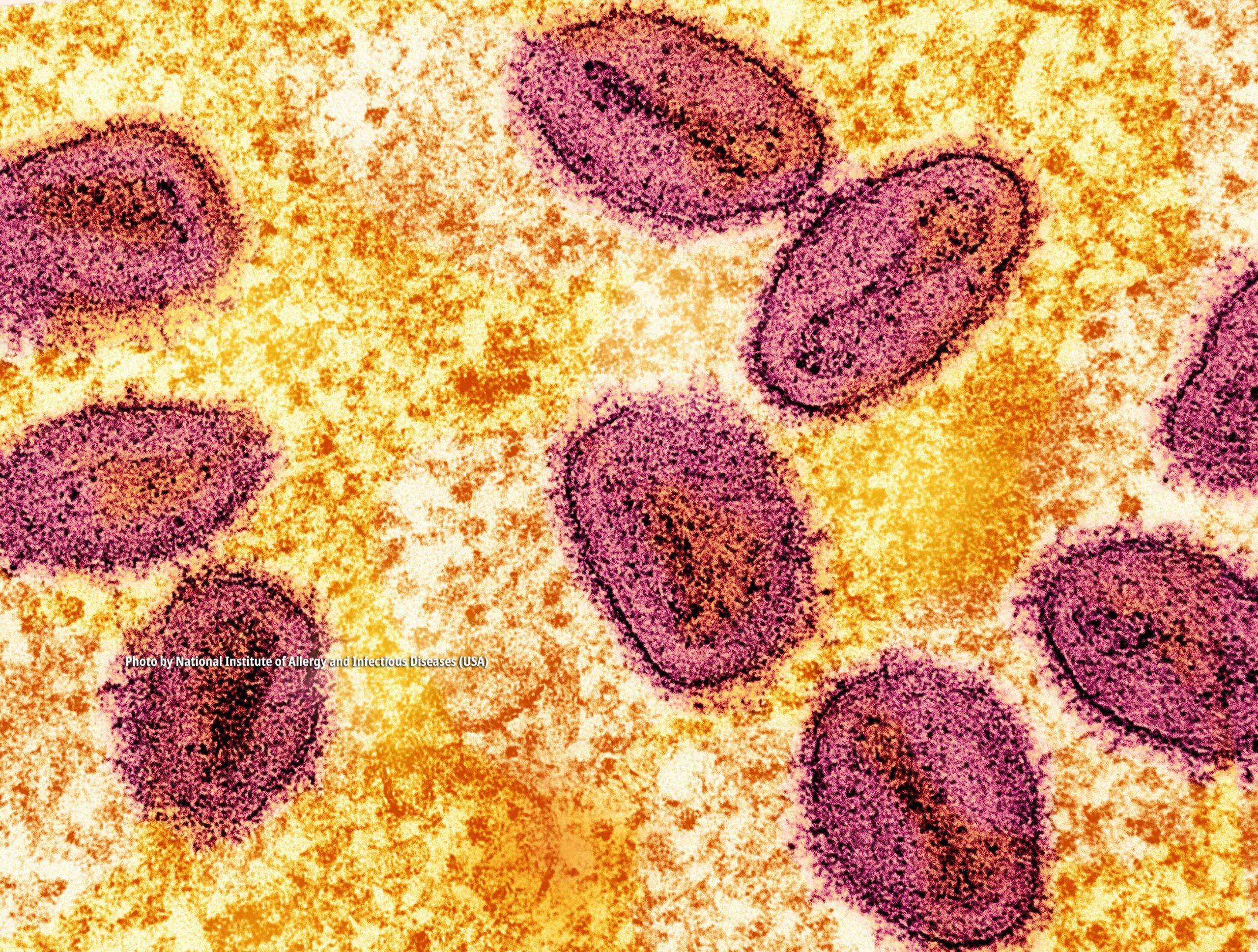
At OUCRU Indonesia, she has contributed to several major research projects, including SEACOVARIANTS, DETECSI, INACO, INTERACT, and IMOVA. These projects study different pathogens including covid-19, leptospirosis, HIV, and Mpox.
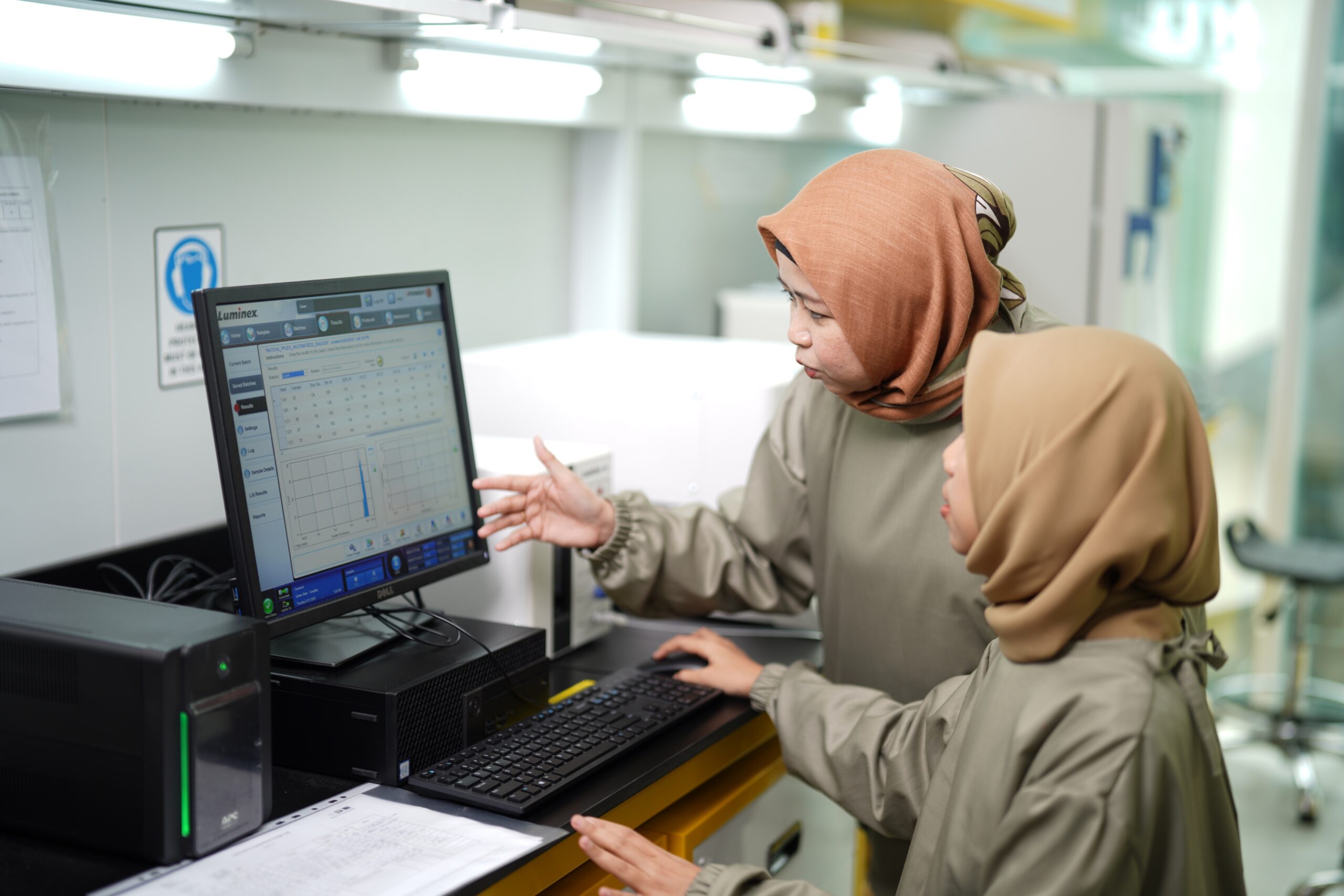
“My greatest passion is conducting research that has practical and immediate impact for society. I believe much of my work with OUCRU Indonesia has been pragmatic,” Suwarti said. Studies like SEACOVARIANTS aim to strengthen pandemic preparedness, while INTERACT focuses on rapid HIV diagnosis for vulnerable populations. “Ultimately, I want my work to make a real difference for others.”
In her work, Suwarti collaborates closely with multiple departments across OUCRU Indonesia and leads a team of six people, most of whom are women. But Suwarti never wants them follow in their footsteps. “I want them to learn from my experience, but not to imitate it. I want young scientists, especially women, to discover their own strengths and build their own paths in science,” she said.
Suwarti’s growth as a researcher and leader was also shaped by training and mentorship supported by OUCRU Indonesia and its partners. She joined the Make A Difference (MAD) programme, which helped her rethink how she leads and works with others. Suwarti is also participating in the ISARIC Leadership Programme, a global initiative that empowers mid-career female researchers from low- and middle-income countries to become independent research leaders.
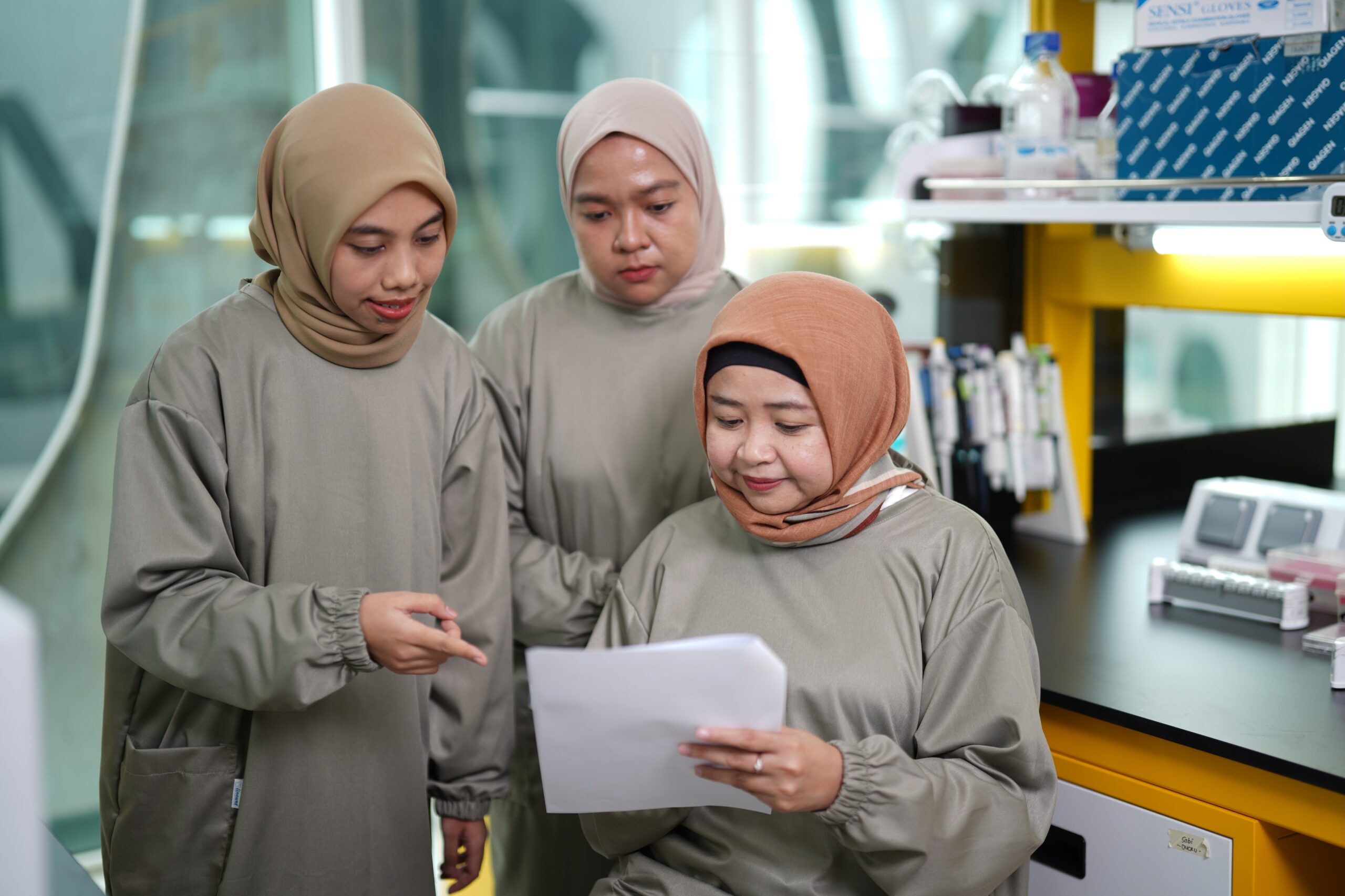
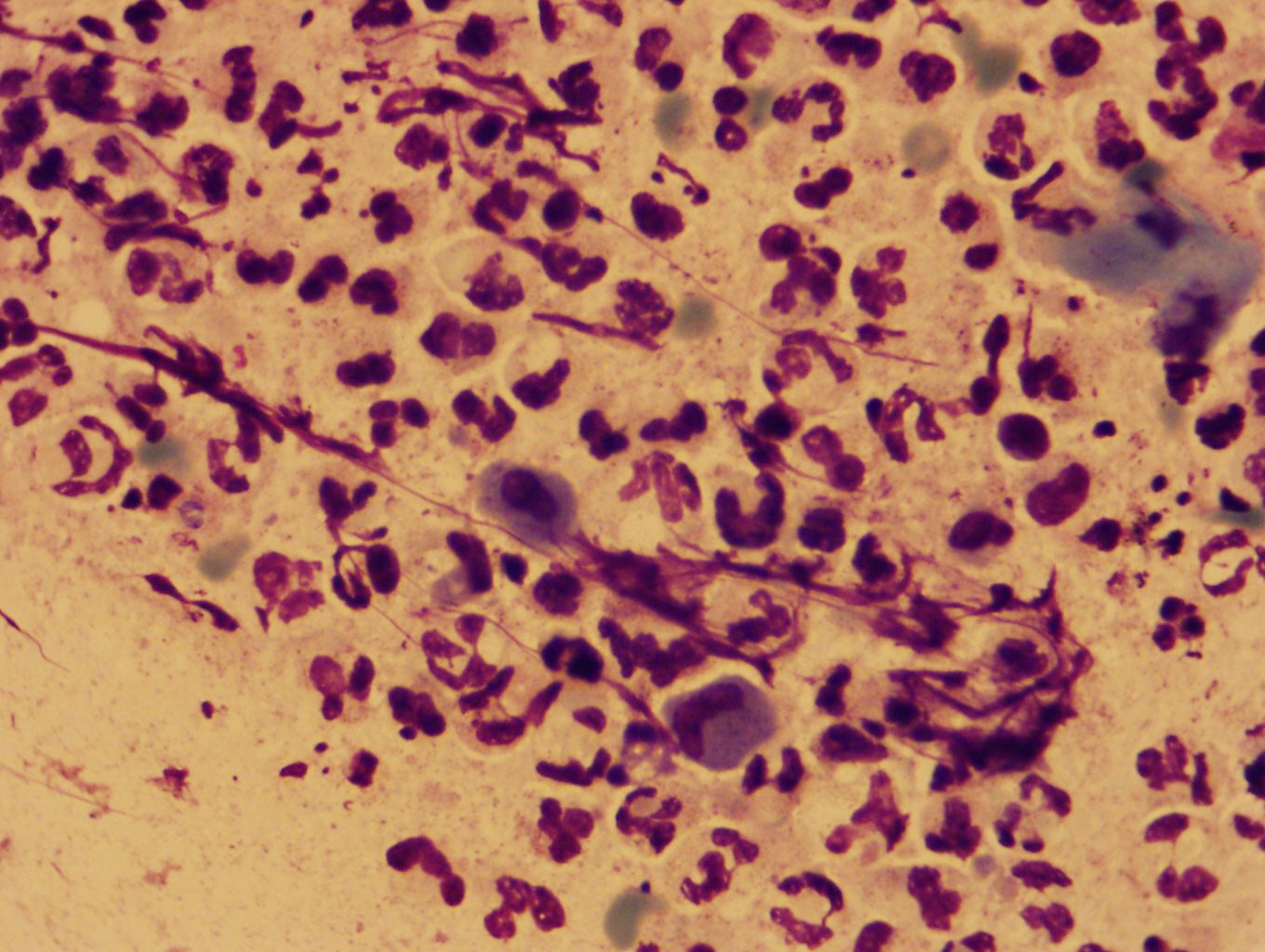
Suwarti is also part of the MORU–OUCRU Discovery Research Academy (MODRA), a regional training programme for postdoctoral scientists in Asia. Through MODRA, she will receive seed funding to explore a new method for detecting leptospirosis that could be faster and more practical than standard PCR tests, especially in resource-limited settings. Specifically, her research aims to develop a LAMP-based test with a lateral flow system, similar to a rapid test strip, so leptospirosis can be detected more easily outside sophisticated laboratories.
Suwarti’s long-term research goal is to improve how febrile illnesses are diagnosed across Indonesia, not just leptospirosis. She wants to help health facilities identify the causes of fever using diagnostic tools or panels that are accurate, practical, and cost-effective. “Febrile illness is very common, and it can be caused by many things, including different viruses and bacteria,” she said. “I want to find an easy and accessible way to diagnose these diseases to improve treatment and outcome. That is my vision for this country.”
Suwarti is no longer the same person she was when she worked at the factory, but at her core she remains the same: driven by her care for the people around her. Years ago, that purpose was simple and personal, to build a better life for her family. Today, at OUCRU Indonesia, she works to create a better life for Indonesians and beyond.