


A year defined by translation, not just discovery
2025 was a year in which OUCRU research moved decisively from evidence to action. Across diseases, disciplines, and countries, the work highlighted in OUCRU Wrapped 2025 reflects a shared focus: generating rigorous evidence that can genuinely improve patient care, inform policy, and strengthen research systems where the burden of infectious disease remainshighest.
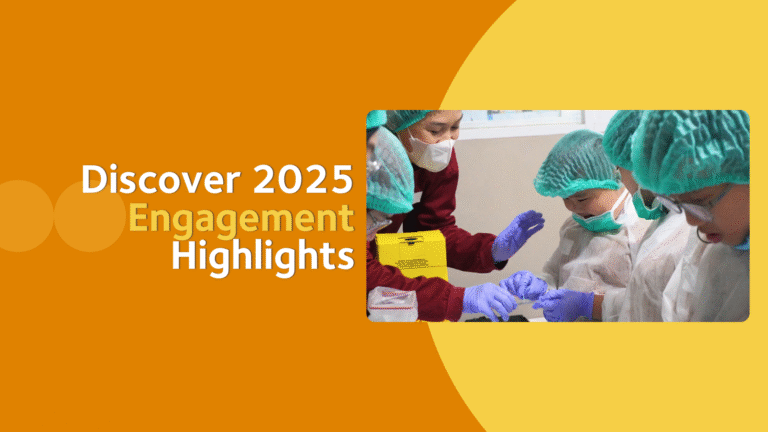
The Wrapped summaries below capture the breadth of this work — from major scientific milestones to the people and partnerships behind them. This article offers the story behind the highlights.
Explore OUCRU Wrapped 2025
When evidence reshapes clinical practice
Several of the year’s most significant achievements addressed long-standing gaps in how infectious diseases are diagnosed, treated, and studied.
In tuberculous meningitis, decades of research culminated in the first international clinical practice guideline, providing clinicians worldwide with clearer, evidence-based direction for managing one of the deadliest forms of TB. In dengue, global agreement on what outcomes should be measured in clinical trials marked a critical step toward more comparable and actionable research.
Equally important were studies that clarified what does not improve outcomes. Large, carefully conducted trials demonstrated that increasing drug doses does not necessarily translate into better survival — evidence that helps clinicians avoid unnecessary risk and reinforces the importance of rigorous negative findings.
Together, these advances underscore OUCRU’s commitment not only to innovation, but to precision in clinical decision-making.
Research at scale, rooted in collaboration
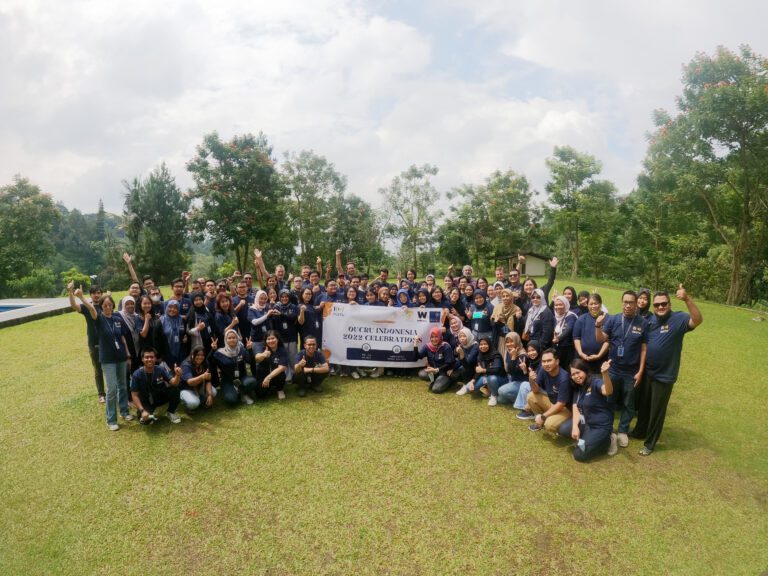
Large, multi-country studies continued to define OUCRU’s work in 2025. These trials reflect sustained investment in regional partnerships, shared infrastructure, and locally led research capable of answering questions that matter to millions of patients.
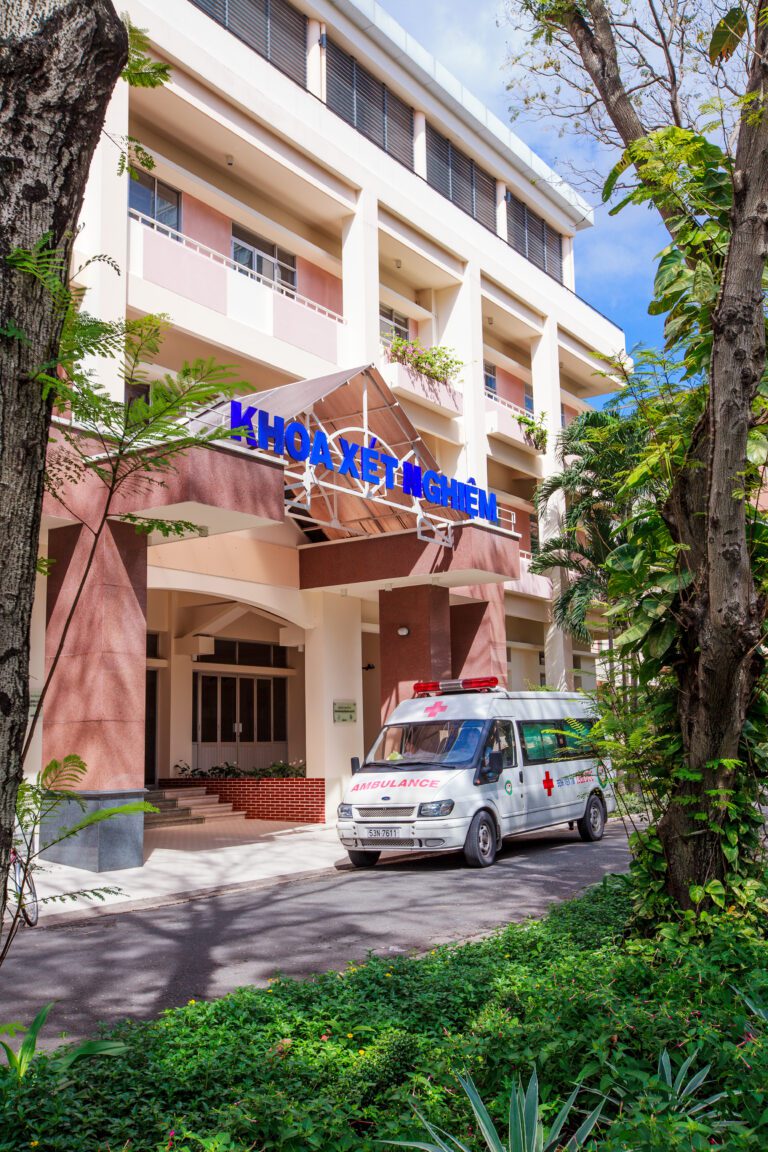
At the same time, new projects launched across Vietnam and Indonesia illustrate how surveillance, diagnostics, digital health, and vaccine-relevant research are increasingly interconnected — linking patient-level data to future prevention and treatment strategies.
The people behind the progress
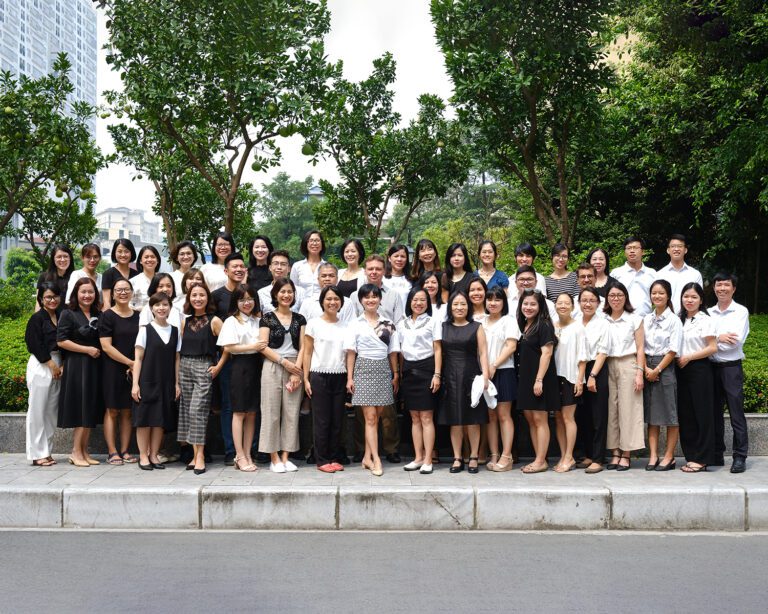
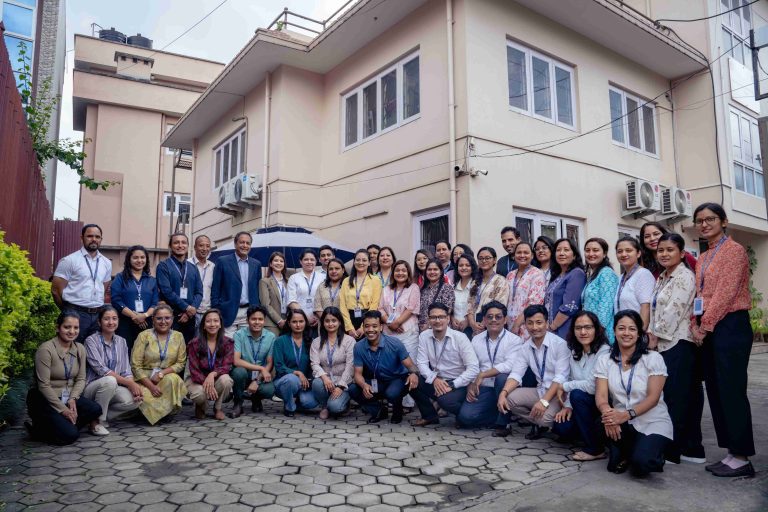
Scientific impact depends on people, leadership, and continuity. In 2025, OUCRU marked a significant leadership transition, while also seeing Vietnam-based researchers recognised at the highest academic level by the University of Oxford — a sign of the growing global visibility of research conducted in the region.
Training and mentorship remained central to OUCRU’s mission. As senior researchers took on new leadership roles, new PhD graduates and early-career scientists stepped forward, supported by programmes designed to strengthen long-term research capacity across South and Southeast Asia.
Investment in the future of global health research
Major new grants secured in 2025 reflect confidence in OUCRU’s long-term vision. These awards support work spanning artificial intelligence in clinical care, severe tuberculosis, dengue therapeutics, and cross-continental clinical trial networks.
Alongside research funding, conferences, policy reports, and engagement initiatives continued to connect evidence with practice, ensuring that scientific findings reach clinicians, communities, and decision-makers.
Looking ahead
The highlights captured in OUCRU Wrapped 2025 represent more than a successful year — they point to a research ecosystem built for durability, relevance, and impact.