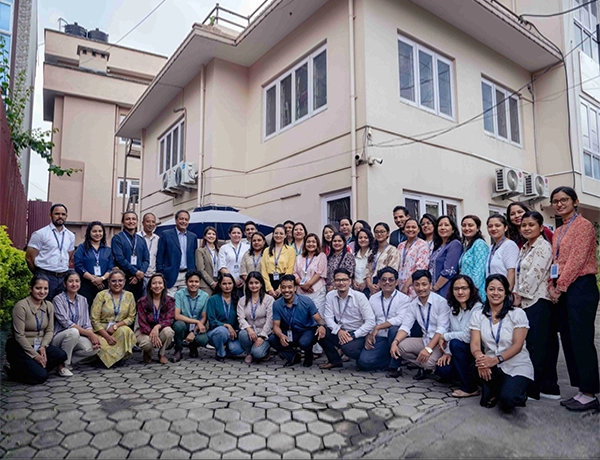
Abhilasha Karkey 2025(2)

Associate Professor Abhilasha Karkey

Director of OUCRU Nepal

Associate Professor Abhilasha Karkey is a medical microbiologist and Director of OUCRU Nepal.

Expertise

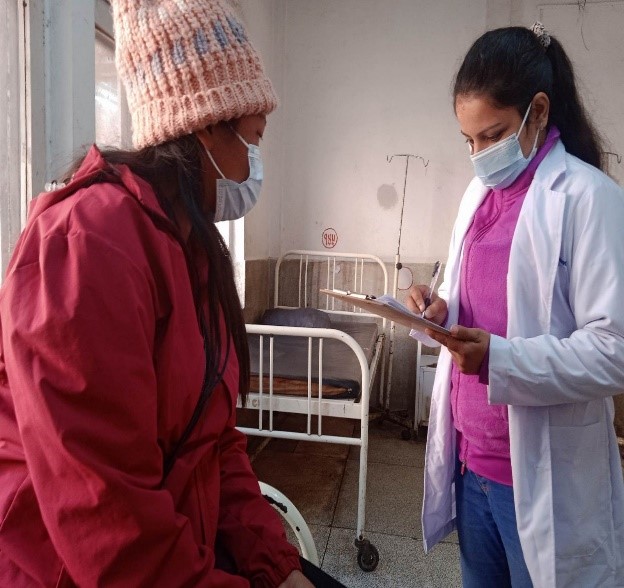
Dr Abhilasha Karkey’s current research focus is on antimicrobial resistance in Gram-negative pathogens (Klebsiella pneumonia and Enterobacter spp) with a specific focus on the enteric pathogens Salmonella Typhi and Paratyphi A. She leads research studies focusing on the surveillance of resistant pathogens and works in close collaboration with hospitals to devise appropriate antimicrobial stewardship (AMS) and infection prevention-control (IPC) programs.

Of specific interest for her are the enteric fever pathogens, Salmonella Typhi and Paratyphi. In addition to monitoring the resistance in these pathogens, she is working towards the elimination of enteric fever in Nepal: could this be a case study for the elimination of other similar infectious diseases?

Career and achievements

Dr Karkey started her career with the French section of a non-profit organisation Médecins Sans Frontières, also known as Doctors Without Borders. She has a decade of experience working with MSF, managing infectious diseases, often in conflict areas all over Africa and Asia.

She has extensive experience in setting up field diagnostic laboratories and blood banks. On completion of her master’s degree in medical microbiology at the Liverpool School of Tropical Medicine and Hygiene, she returned to Nepal and started her career with OUCRU Nepal as a researcher and simultaneously enrolled for a DPhil degree with the Nuffield Department of Medicine at the University of Oxford. She won the prestigious NDM graduate prize for her thesis, which she completed in 2012.

She currently sits on the boards of the Fleming Fund Technical Advisory Group and the WHO’s Expert Working Group on Enteric Fever. She is also part of Wellcome’s inclusive research design practices (IRDP) project as part of the expert advisory group.

Professional memberships

  • American Society of Tropical Medicine and Hygiene (ASTMH)
  • Royal Society of Tropical Medicine and Hygiene (RSTMH)
  • American Society for Microbiology (ASM)


Media Engagement

Timeline

2026

Honored with the Health Research Award at the 12th National Summit of Health and Population Scientists in Nepal, organized by the Nepal Health Research Council (NHRC).

2022- Present

Appointed as Director of the Oxford University Clinical Research Unit Nepal

2018

Became the Alan J Magill Fellow and an Aspen New Voices Fellow. 

2017

Appointed as Vice Director of the Oxford University Clinical Research Unit Nepal

2016

Became an OAK Foundation Scientific Leader Fellow

2012

Completed DPhil and awarded the Nuffield Department of Medicines’ graduate prize

2010

Seminal work on the epidemiology of Salmonella Typhi in Nepal looking at geospatial analysis revealing modes of endemic urban typhoid fever transmission.

2008

Started working with the Oxford University Clinical Research Unit Nepal in Patan Hospital as a DPhil student


Publications

Loading...
LEARN MORE

Related

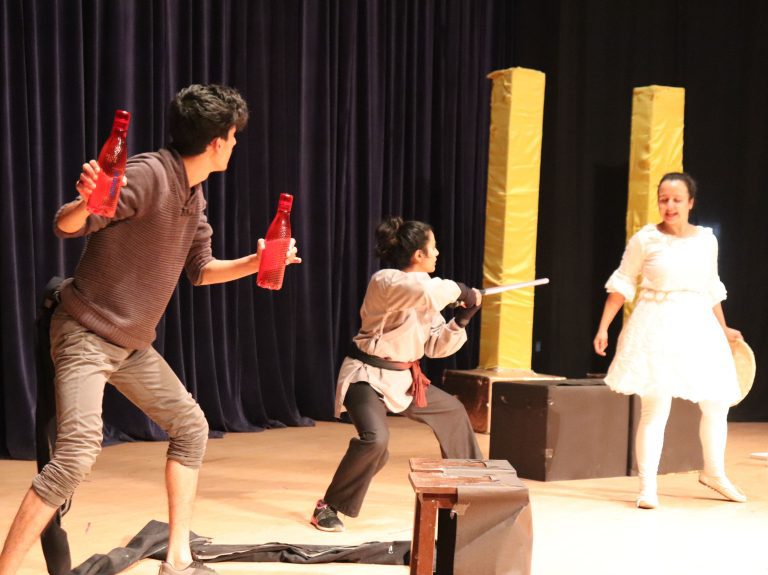
Forum Theatre Simulation

Analyse Tam’s choices. Step inside the story as an interactive spectator to break the chain of medical mishaps before it’s too late.

STORY TIMELINE PROGRESSION

progress step 6

The Ultimate Prevention: Vaccine Status

What if the volunteer leader had checked everyone’s Tetanus vaccination status before leaving for the field trip?

Vaccination Changes Everything

  • 100% Preventable: As you can see from our play, Tetanus cannot be cured easily once symptoms start and can be costly. But it is almost completely preventable with regular vaccination.
  • 10-Year Rule: Adults need a Tetanus booster shot every 10 years to maintain immunity.
  • Early booster shot: If you receive a deep or dirty cut (such as in the play, one from a rusty tool), you may need a booster if your last shot was more than 5 years ago.

When was your last Tetanus shot? Check your records today — a simple booster is the ultimate protection against unexpected accidents.

Forum Theatre Simulation

Analyse Tam’s choices. Step inside the story as an interactive spectator to break the chain of medical mishaps before it’s too late.

STORY TIMELINE PROGRESSION

progress step 5

Scenario Solved at Step 5!

Life-saving intervention! Jaw stiffness (lockjaw) is a classic symptom of active Tetanus toxin. Immediate hospital admission is required to secure the airway and control muscle spasms.

What if Tam had an ultimate shield against tetanus—protecting him from rusty tools before the trip even started?

Forum Theatre Simulation

Analyse Tam’s choices. Step inside the story as an interactive spectator to break the chain of medical mishaps before it’s too late.

STORY TIMELINE PROGRESSION

progress step 4

Scenario Solved at Step 4!

Good call! Healthcare providers depend on the full context. Clearly stating that an injury involved rusted metal alerts the nurse to assess Tetanus exposure immediately.

What if Tam had an ultimate shield against tetanus—protecting him from rusty tools before the trip even started?

Forum Theatre Simulation

Analyse Tam’s choices. Step inside the story as an interactive spectator to break the chain of medical mishaps before it’s too late.

STORY TIMELINE PROGRESSION

progress step 3

Scenario Solved at Step 3!

Spot on! Social media content often promotes unverified advice that delays crucial medical intervention. Deep, dirty cuts always require professional evaluation within hours.

What if Tam had an ultimate shield against tetanus—protecting him from rusty tools before the trip even started?

Forum Theatre Simulation

Analyse Tam’s choices. Step inside the story as an interactive spectator to break the chain of medical mishaps before it’s too late.

STORY TIMELINE PROGRESSION

progress step 2

Scenario Solved at Step 2!

Smart choice! Clostridium tetani bacteria thrive in organic material like dirt and leaves. Keeping raw plants out of deep cuts prevents pushing bacterial spores deeper into tissue.

What if Tam had an ultimate shield against tetanus—protecting him from rusty tools before the trip even started?

Forum Theatre Simulation

Analyse Tam’s choices. Step inside the story as an interactive spectator to break the chain of medical mishaps before it’s too late.

STORY TIMELINE PROGRESSION

progress 1 of 6

Scenario Solved at Step 1!

Great call! By stopping work with high-risk, corroded tools, you removed the physical source of Tetanus exposure entirely before an injury could even happen.

What if Tam had an ultimate shield against tetanus—protecting him from rusty tools before the trip even started?

Skip to content