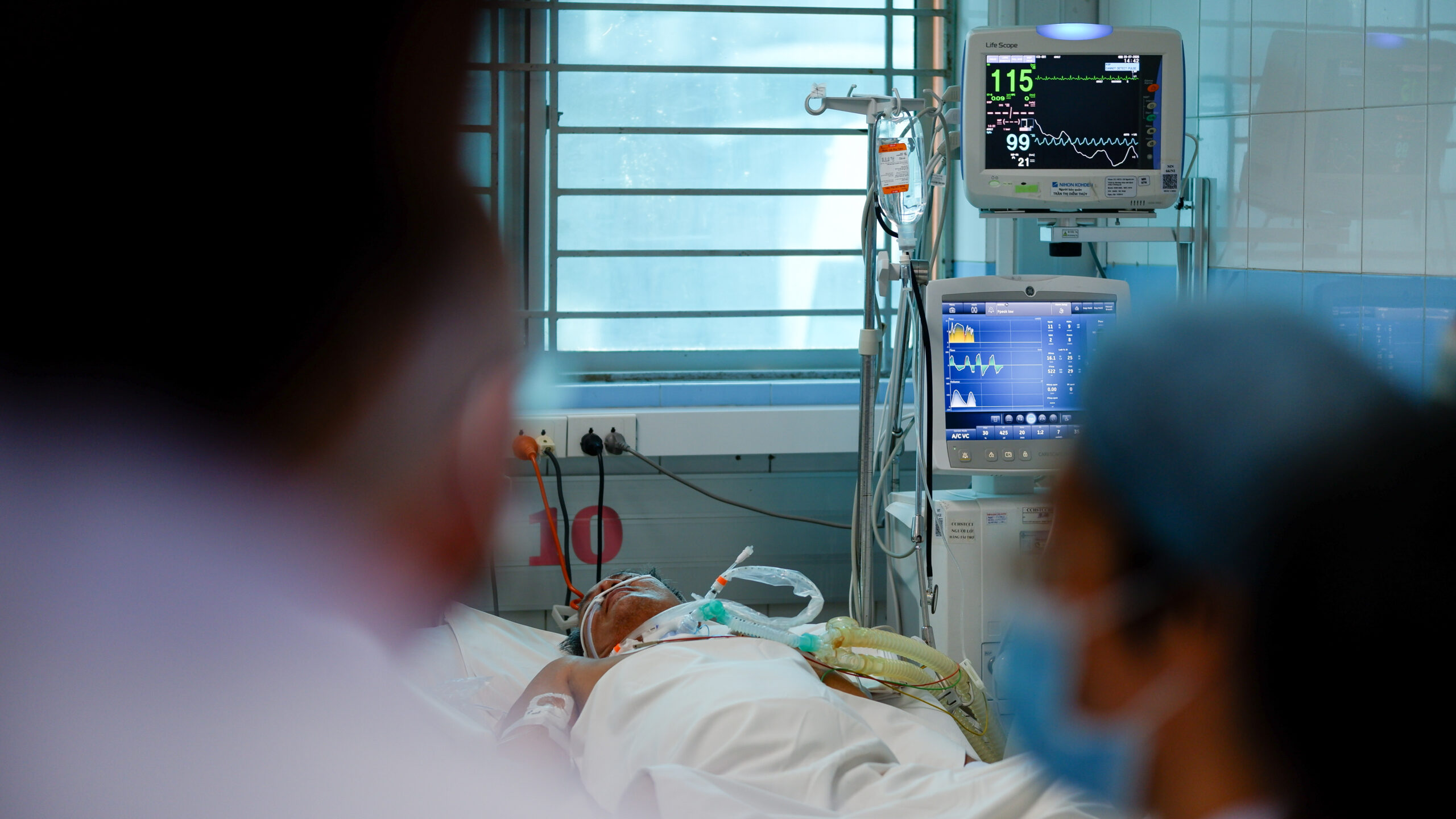



Each year, community-acquired pneumonia claims more than 3 million lives in LMICs. Among patients receiving mechanical ventilation in intensive care units, around 15 per cent develop severe pneumonia, more than half of which is caused by highly drug-resistant pathogens.
Despite this burden, much of the evidence guiding everyday clinical care still comes from higher-income settings. Clinicians in LMICs are often required to adapt guidance developed for different healthcare systems, patient populations and diagnostic resources. In practice, that can mean making rapid decisions about respiratory support and antibiotic treatment with limited information.

To help address this gap, an international multidisciplinary team has launched PHENOM.AI, short for Discovering novel pneumonia phenotypes in Vietnamese patients using multimodal data and artificial intelligence. Supported by a Wellcome Discovery Award, the project brings together expertise from Vietnam and the UK in clinical research, pathogen diagnostics, artificial intelligence, data science, biostatistics and host-response biology.
Recruiting patients in real-world ICUs
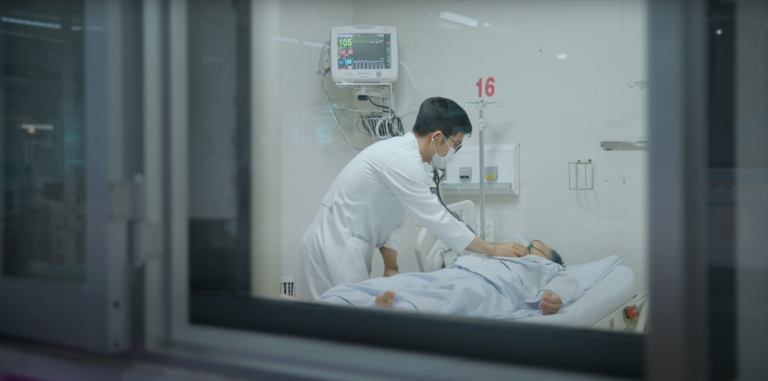
To reflect routine clinical practice, PHENOM.AI aims to recruit more than 1,100 patients with community-acquired or ventilator-associated pneumonia across four partner hospitals in Vietnam, representing secondary and tertiary care settings.
The study is operationally demanding. Recruiting patients and collecting samples within the first six hours after they arrive at hospital requires close coordination between research teams and partner hospitals.
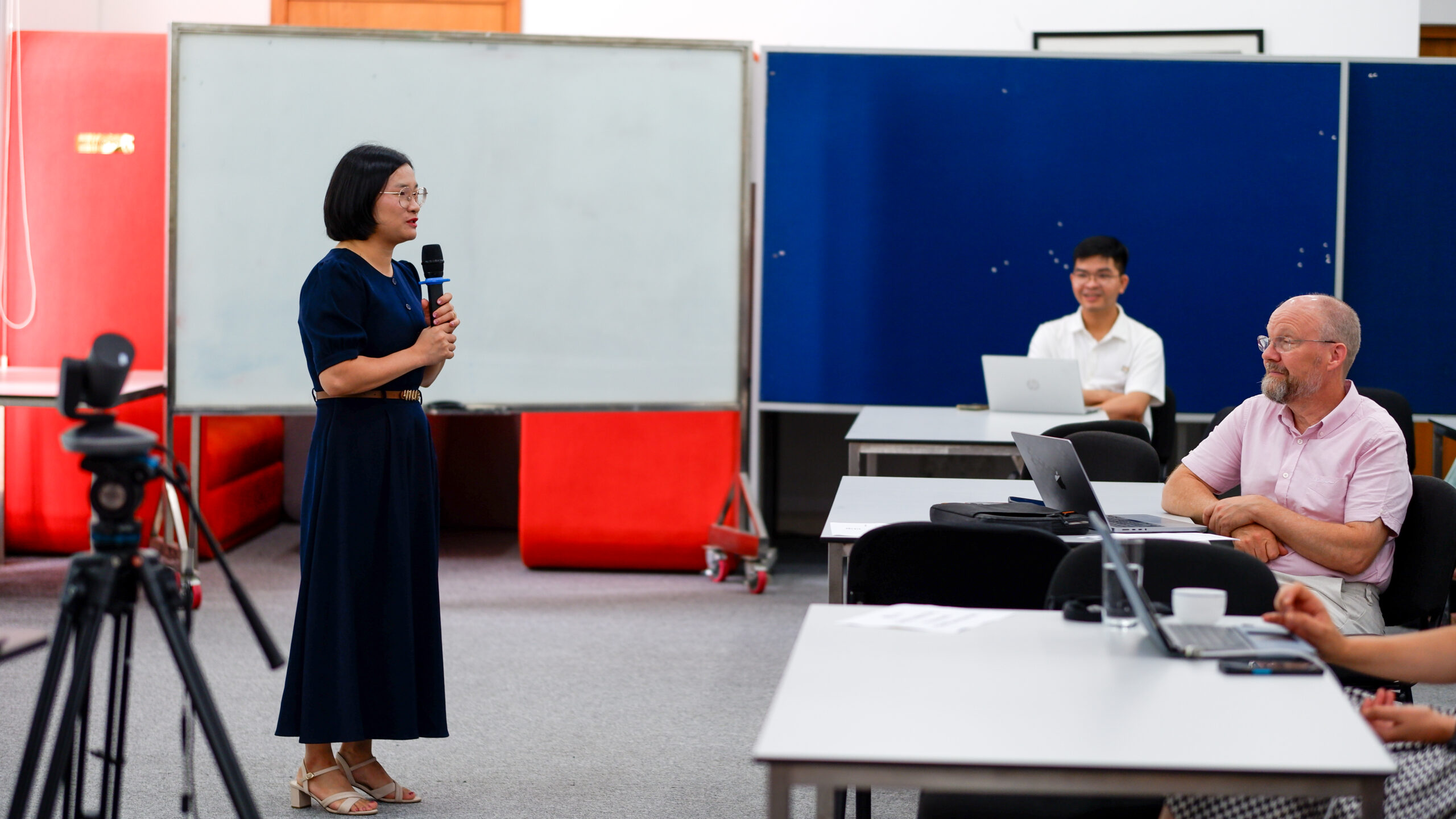
Reflecting on these challenges, project manager Nguyễn Thị Lệ Thanh said:
‘The project is highly demanding, but it is also an invaluable opportunity for our team to strengthen our skills and capacity. Coordinating blood samples from multiple hospitals back to the OUCRU laboratory within two to four hours of collection, while maintaining strict temperature control to preserve sample quality, requires careful planning and seamless teamwork.
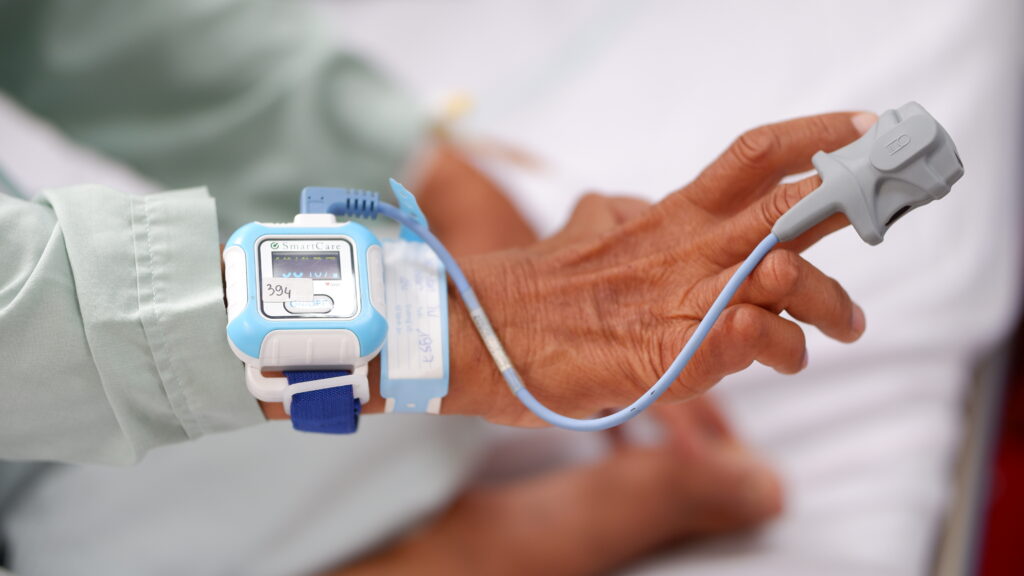
‘At the same time, our research nurses are learning to use up to ten digital applications simultaneously to capture different types of patient data. Each participant requires up to 80 data checkpoints, and every step must follow strict research protocols and ethical standards to ensure the quality, integrity and confidentiality of the study data. It is a huge step forward in building our capacity to deliver complex clinical studies in Vietnam.’
A decade in the making
PHENOM.AI builds on more than a decade of OUCRU research exploring how technology can improve critical care in Vietnam, led by Professor Louise Thwaites. Much of that work grew through the Vietnam ICU Translational Applications Laboratory (VITAL), which established the data platforms, clinical partnerships and technical expertise that now underpin PHENOM.AI.
The project reflects OUCRU’s long-term commitment to strengthening local research capacity and working in partnership with Vietnamese clinicians and scientists to address locally important health challenges.
Building on that foundation, PHENOM.AI continues to strengthen data systems, laboratory capacity and collaborative networks that will support future research on severe infections, while contributing to Ho Chi Minh City’s growing role as a regional health technology hub.
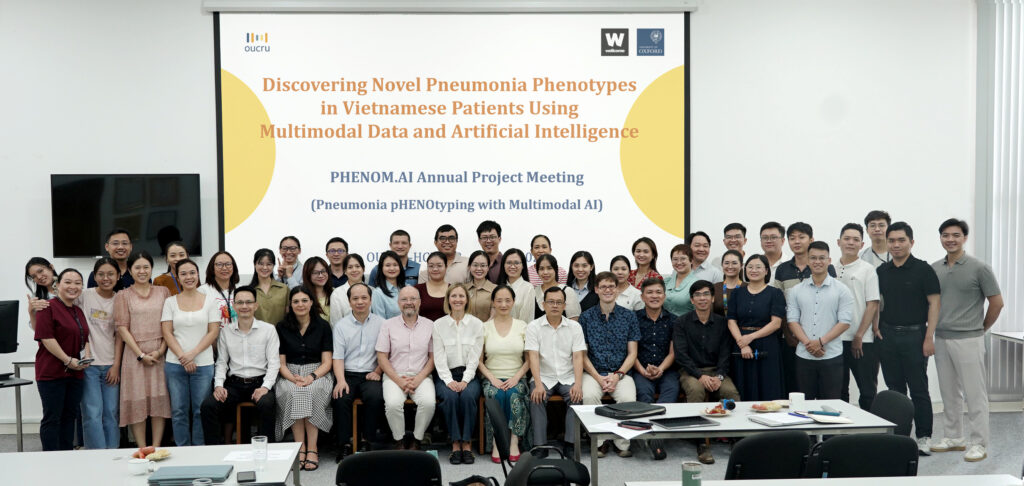
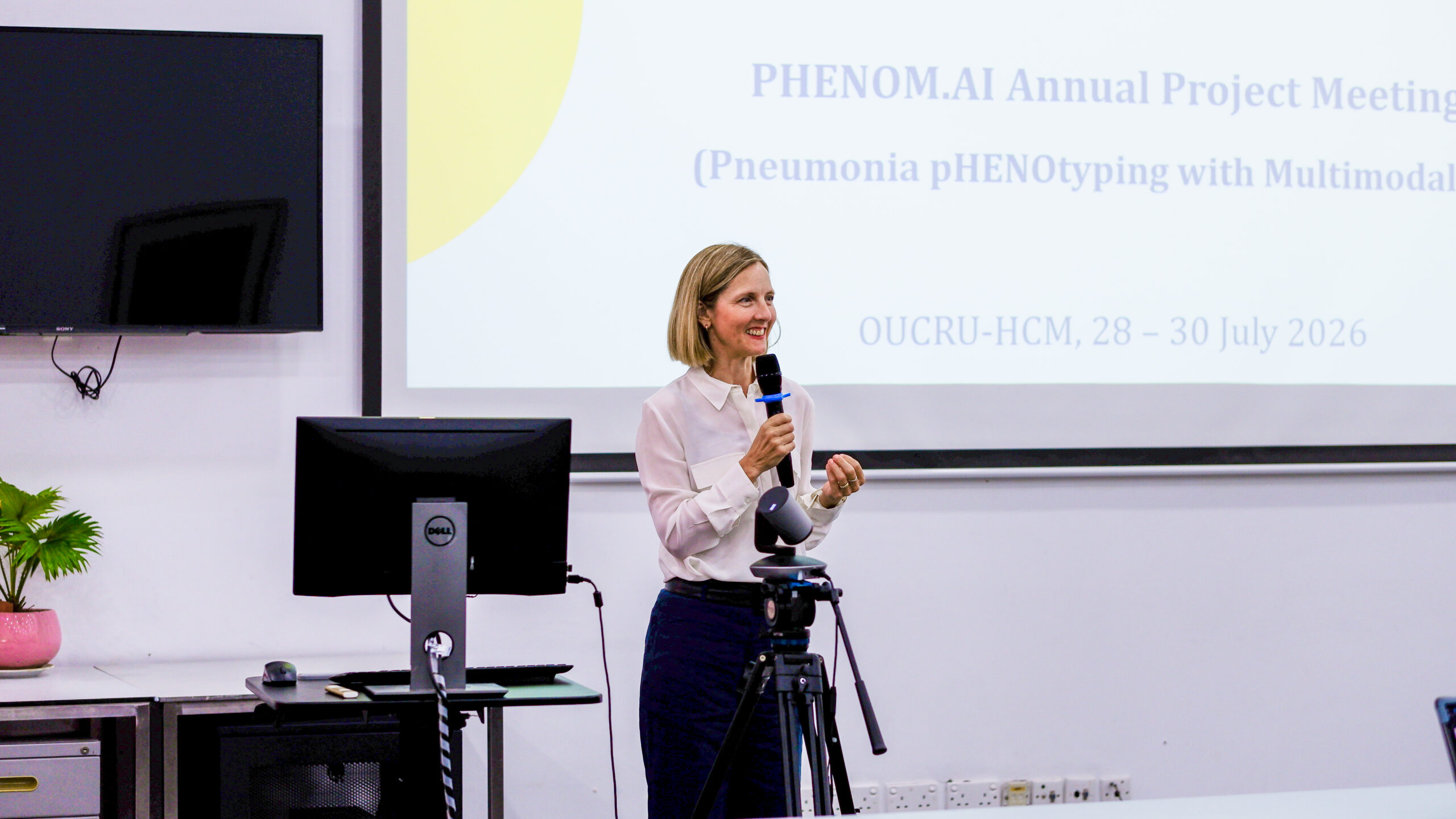
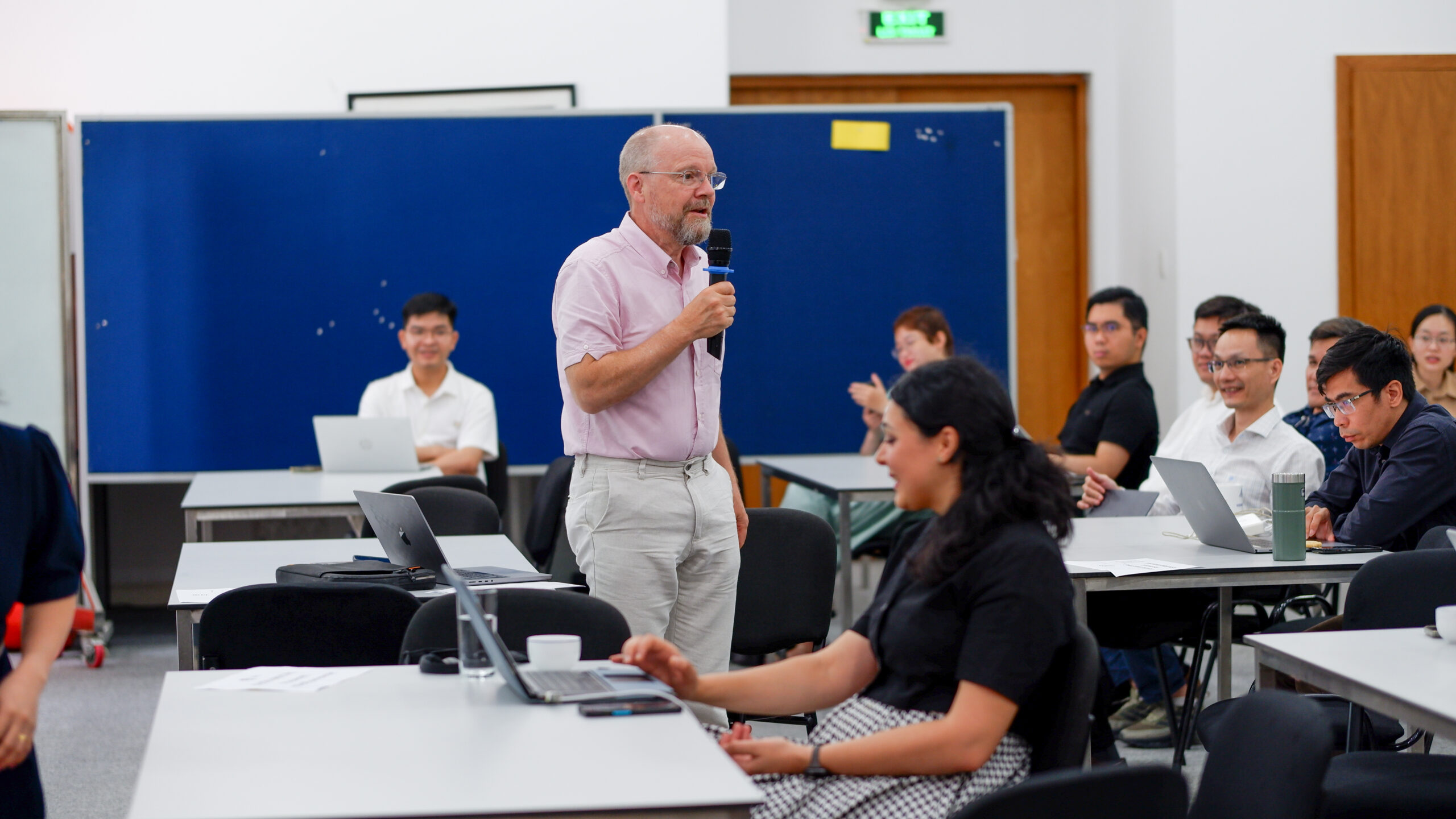
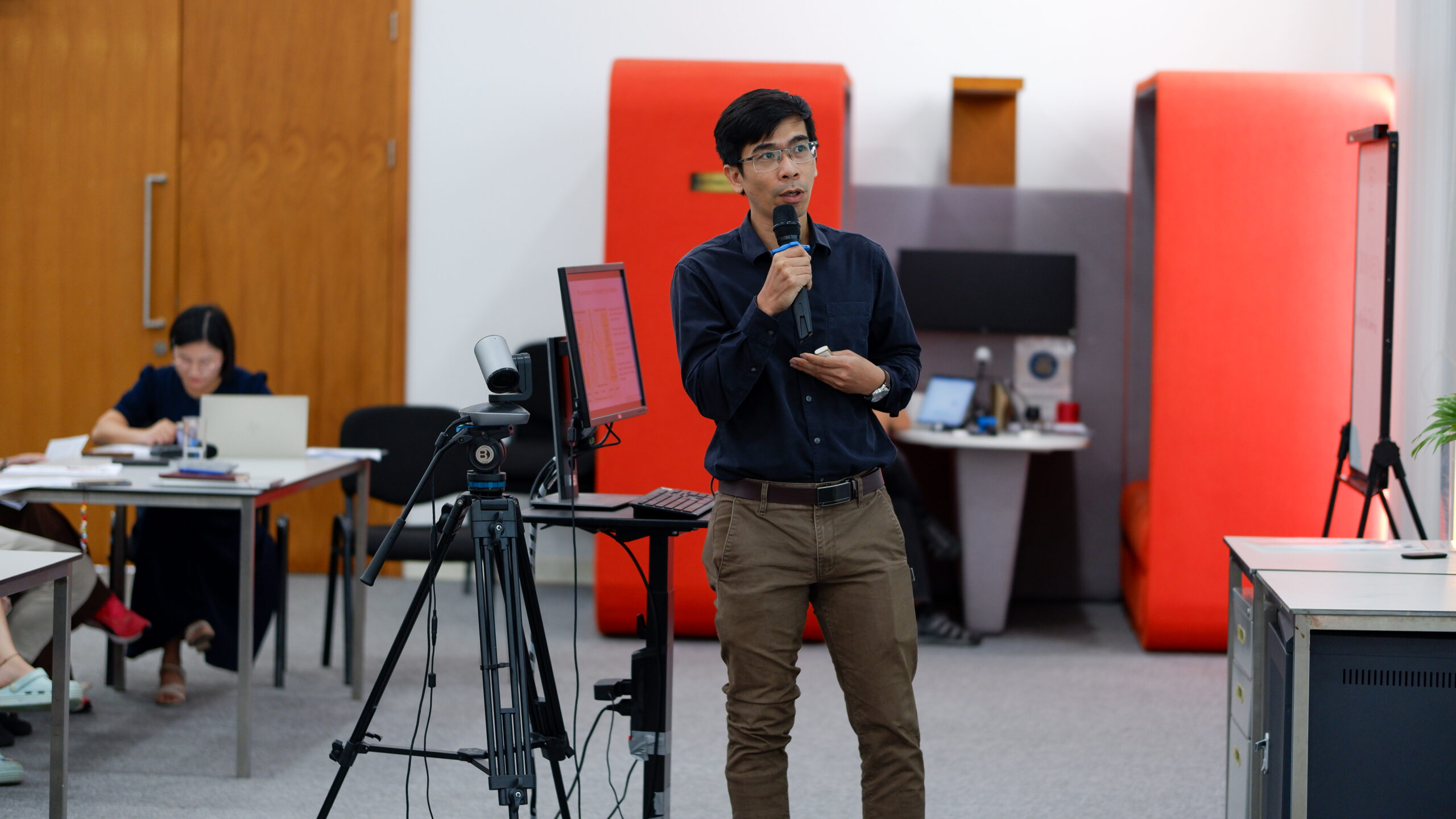
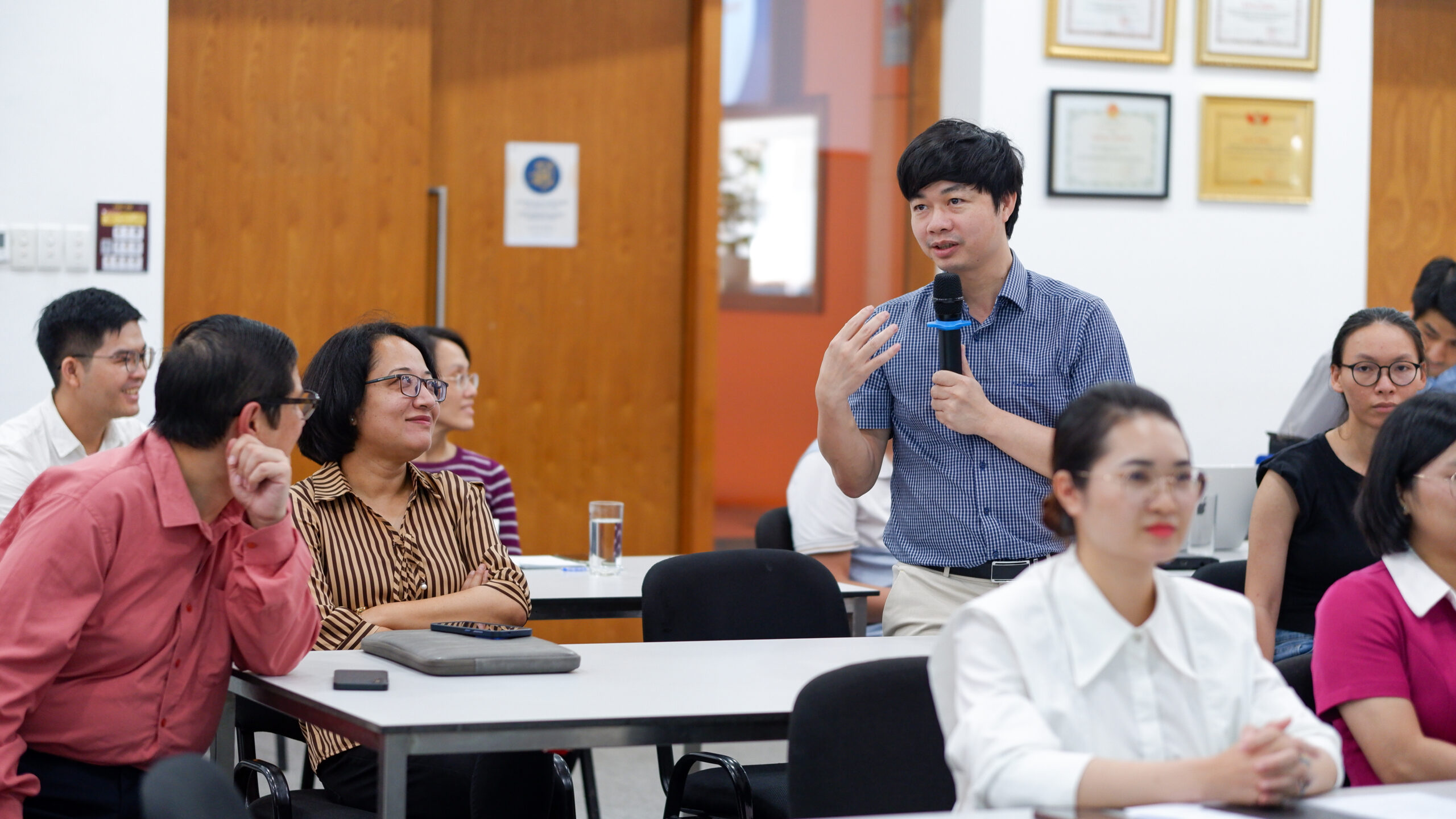
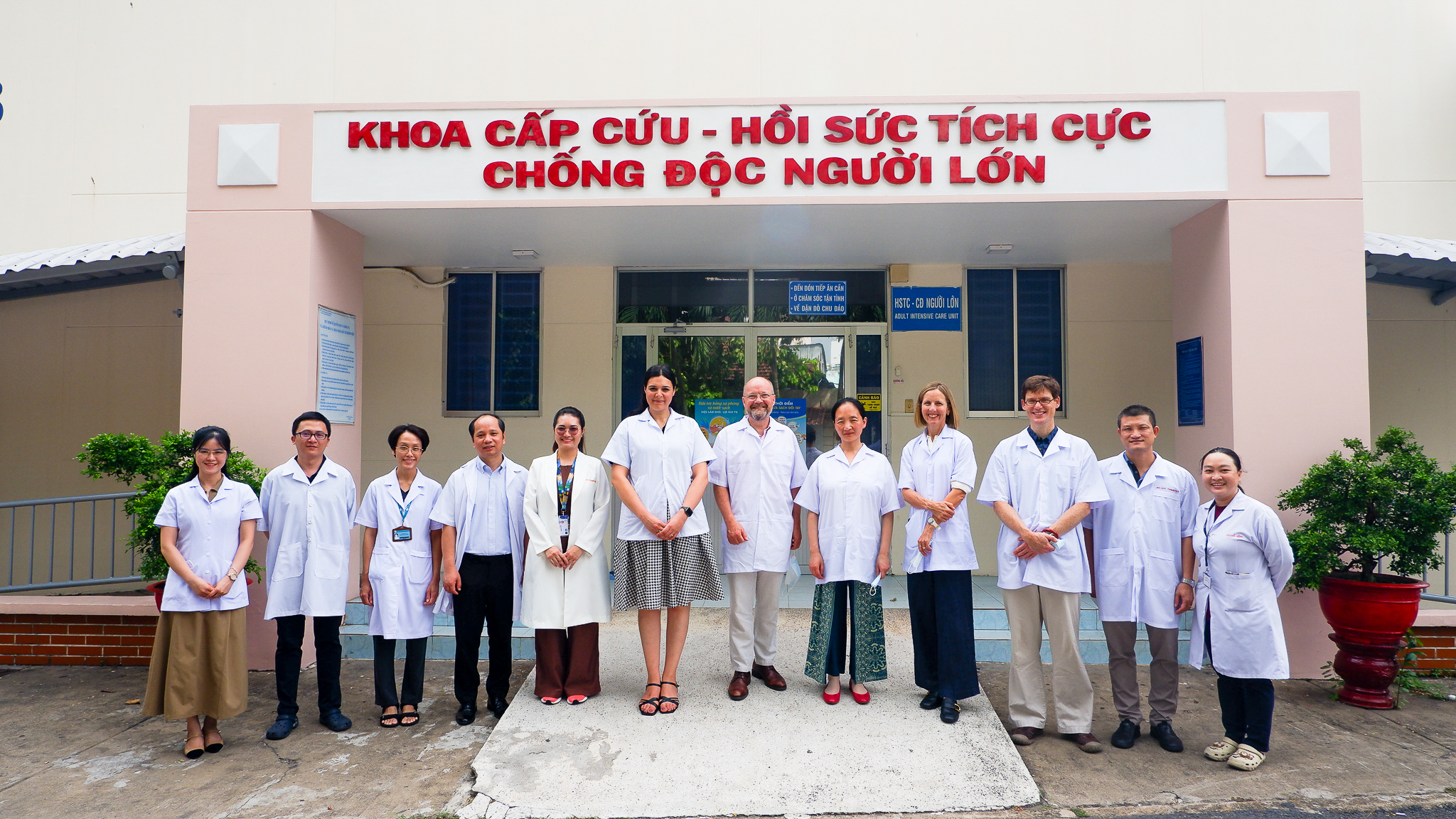
From 28 to 30 July 2026, researchers and clinical teams gathered in Ho Chi Minh City for the first PHENOM.AI annual project meeting.
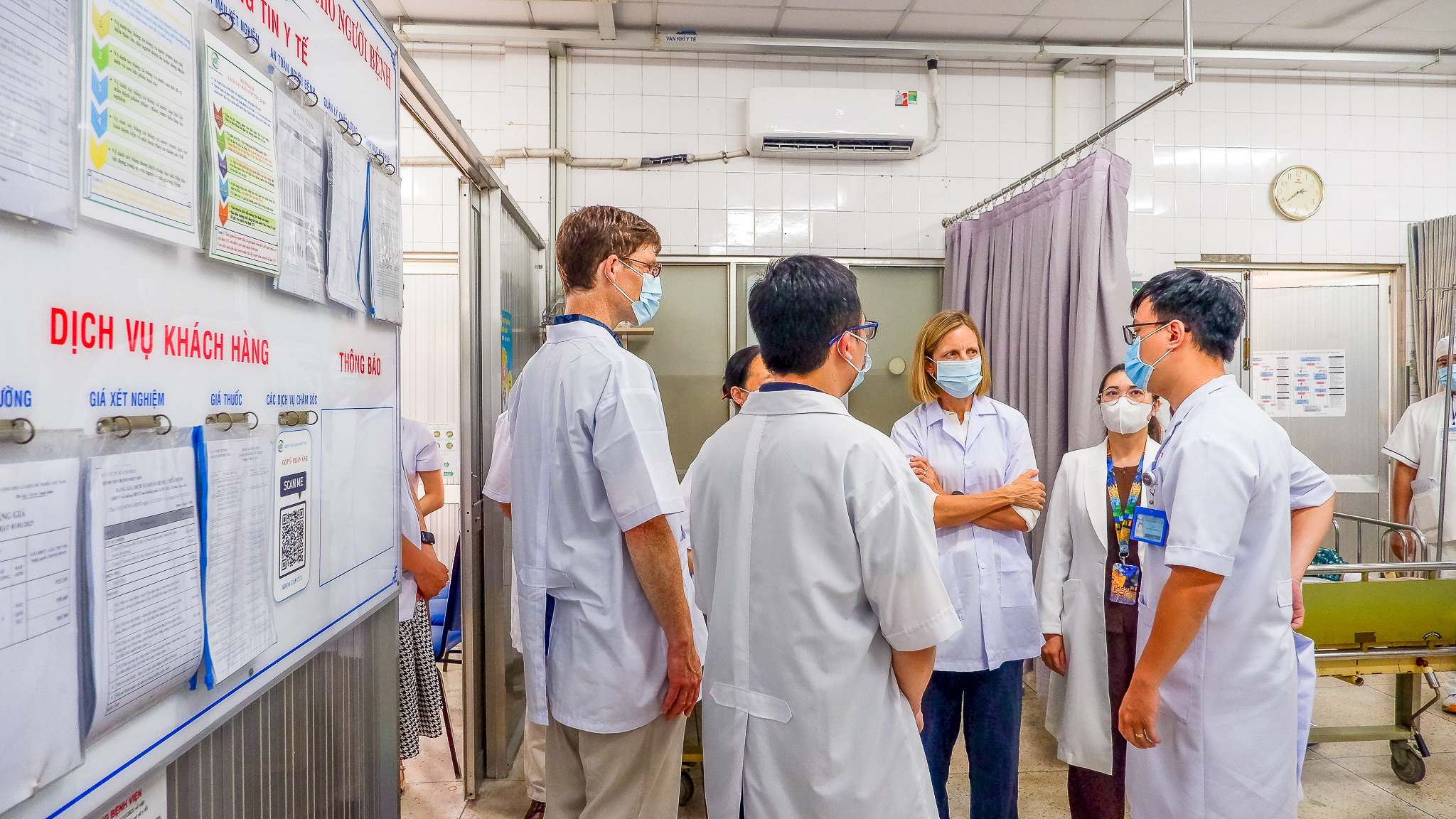
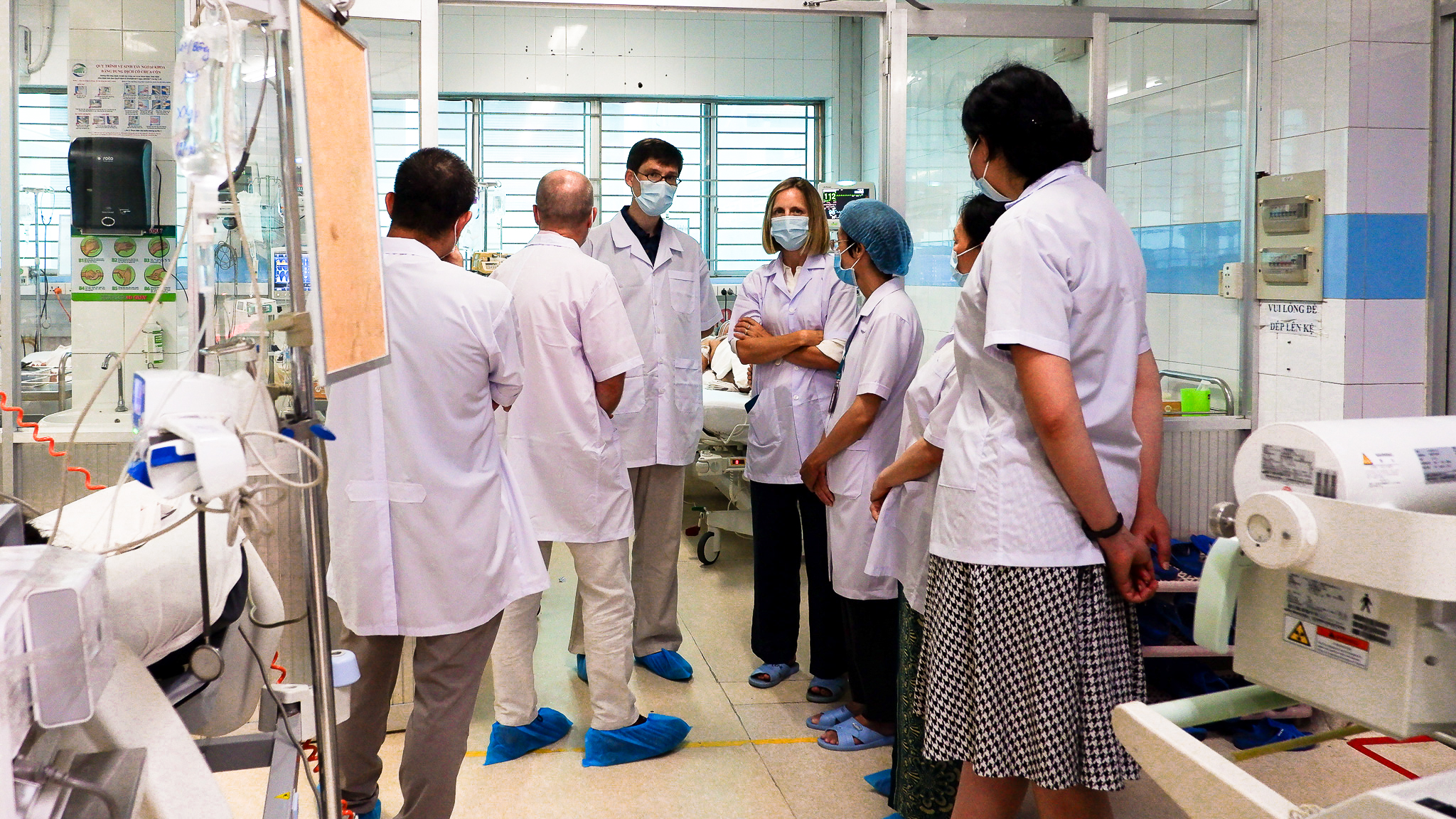
The meeting brought together colleagues from OUCRU, the University of Oxford’s Institute of Biomedical Engineering and Computational Health Informatics Lab, the Hospital for Tropical Diseases, the National Hospital for Tropical Diseases, Trưng Vương Hospital and Nguyễn Thị Thập General Hospital. Alongside scientific discussions, the programme included visits to partner hospitals to review study implementation and strengthen collaboration across participating sites.