


28 July is World Hepatitis Day. This year, the World Health Organization (WHO) has chosen the theme “Hepatitis: Let’s break it down!” – a call to remove the barriers that stand between people and the services that can save their lives.
The world already has the tools needed to eliminate viral hepatitis, such as effective vaccines, accurate diagnostics, curative treatments for hepatitis C, and lifelong therapies for hepatitis B. However, millions of people remain undiagnosed, untreated, or unable to access care due to stigma, limited awareness, health system gaps, and persistent inequalities.
Among key messages from WHO’s World Hepatitis Day 2026 campaign, people and communities stay at the center of eliminating viral hepatitis. Sharing the same opinion as WHO, OUCRU believes that:
“When communities help shape policies, programmes and services, the response becomes more effective, accountable and responsive to people’s needs.”
OUCRU’s community-based practice in supporting hepatitis research
Understanding the importance and impact of research going hand-in-hand with integrated community participation, engagement work at OUCRU focuses on activities that are rooted in the community, including underserved groups, ensuring opportunities for them to shape research priorities and interventions.
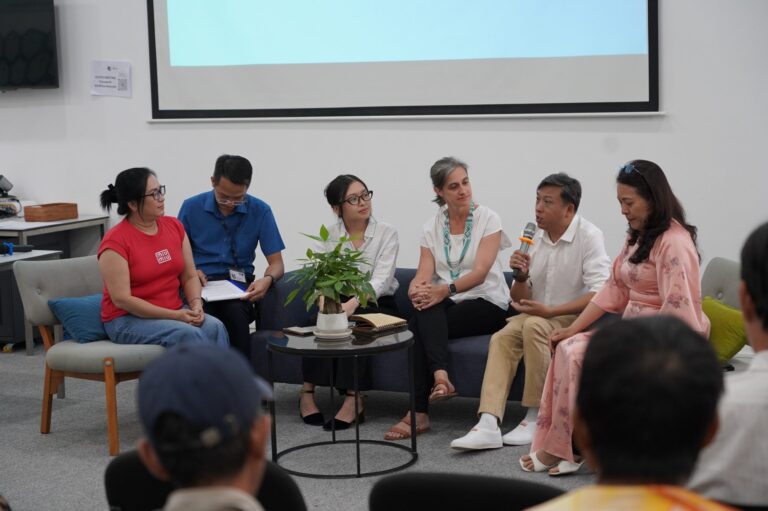
What began as community advisory board discussions led OUCRU researchers (Dr. Jennifer Ilo Van Nuil, Dr. Mary Chambers, and Prof. Graham Cooke) to a key obstacle that stops underserved communities from accessing Hepatitis diagnosis and treatment services in Vietnam. These hard-to-reach groups, such as people who inject drugs (PWID), sex workers, and men who have sex with men (MSM), face stigma, legal barriers, and financial constraints. Together with community-based organisations, health authorities, and OUCRU, community members have voiced their perspectives through several participatory activities and provided valuable inputs that directly inform and improve the project.
One essential contribution to breaking down the identified barriers for these hard-to-reach groups is the VIETNARMS Clinical Trial (ISRCTN61522291)—a major multi-arm, open-label randomized controlled trial conducted by OUCRU in partnership with the Hospital for Tropical Diseases (HTD) in Ho Chi Minh City, the National Hospital for Tropical Diseases in Hanoi, and Imperial College London (funded by Wellcome Trust).
By evaluating shortened treatment strategies compared with the standard Hepatitis C care treatment, which is 12 weeks of daily oral Direct-Acting Antivirals (DAAs), the VIETNARMS trial demonstrated that shortened courses (4 to 8 weeks) achieved high cure rates, reducing overall drug costs and patient burden, and providing concrete evidence for national guidelines.
“By shortening treatment duration and identifying the most cost-effective drug combinations, we can lower treatment costs, enabling national health authorities and the WHO to update treatment guidelines and allow low-income patients to finally access curative HCV care.”
— VIETNARMS Research Team
Going beyond the project, the dialogue has been extended with the participation of Vietnam’s departments of health and national insurance department, continuing to support the underserved communities to access Hepatitis care, treatment, and support in Vietnam. [Read more about this meaningful discussion].
Strengthen primary healthcare: a pathway to break Hepatitis down in Indonesia
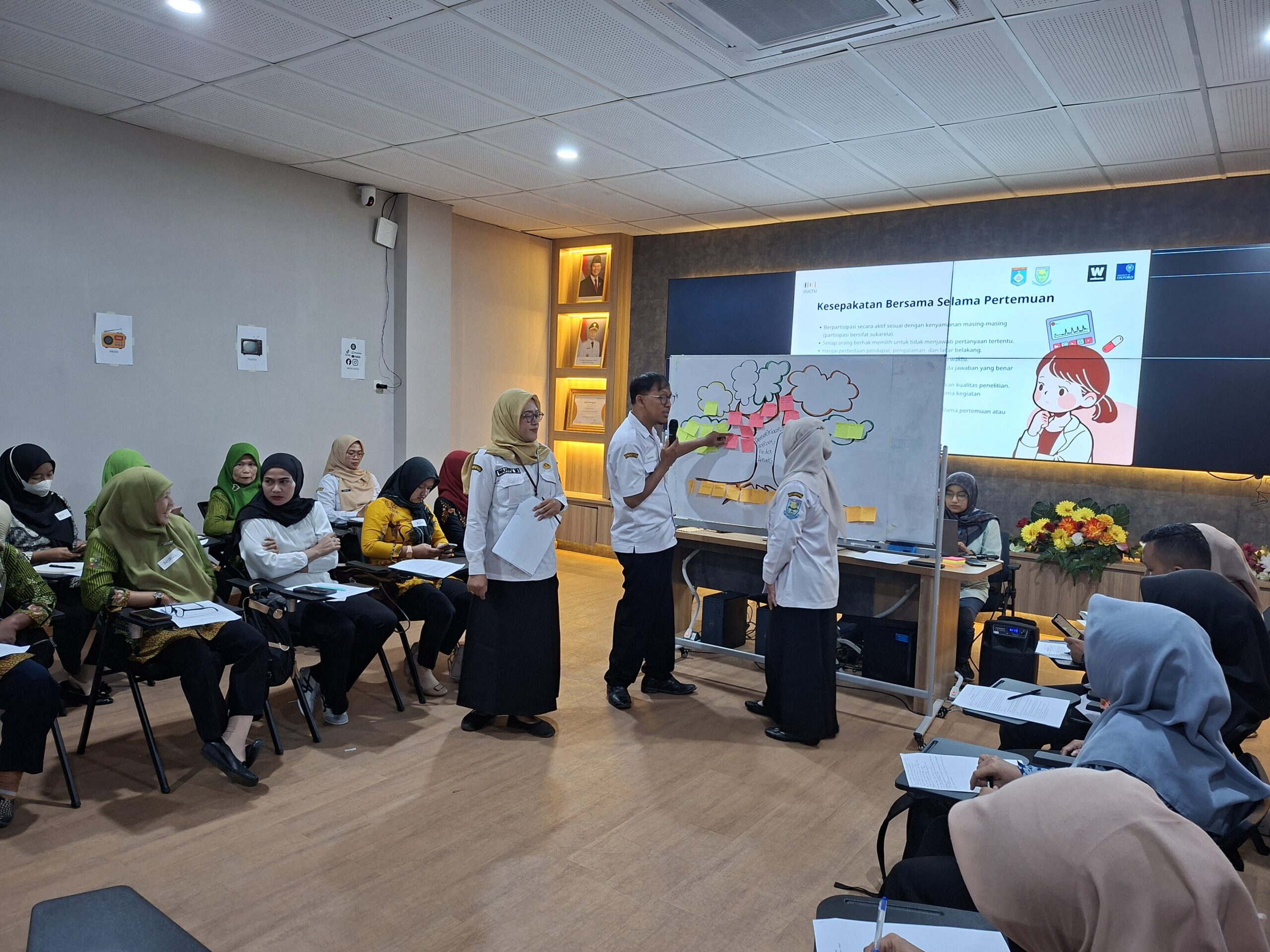
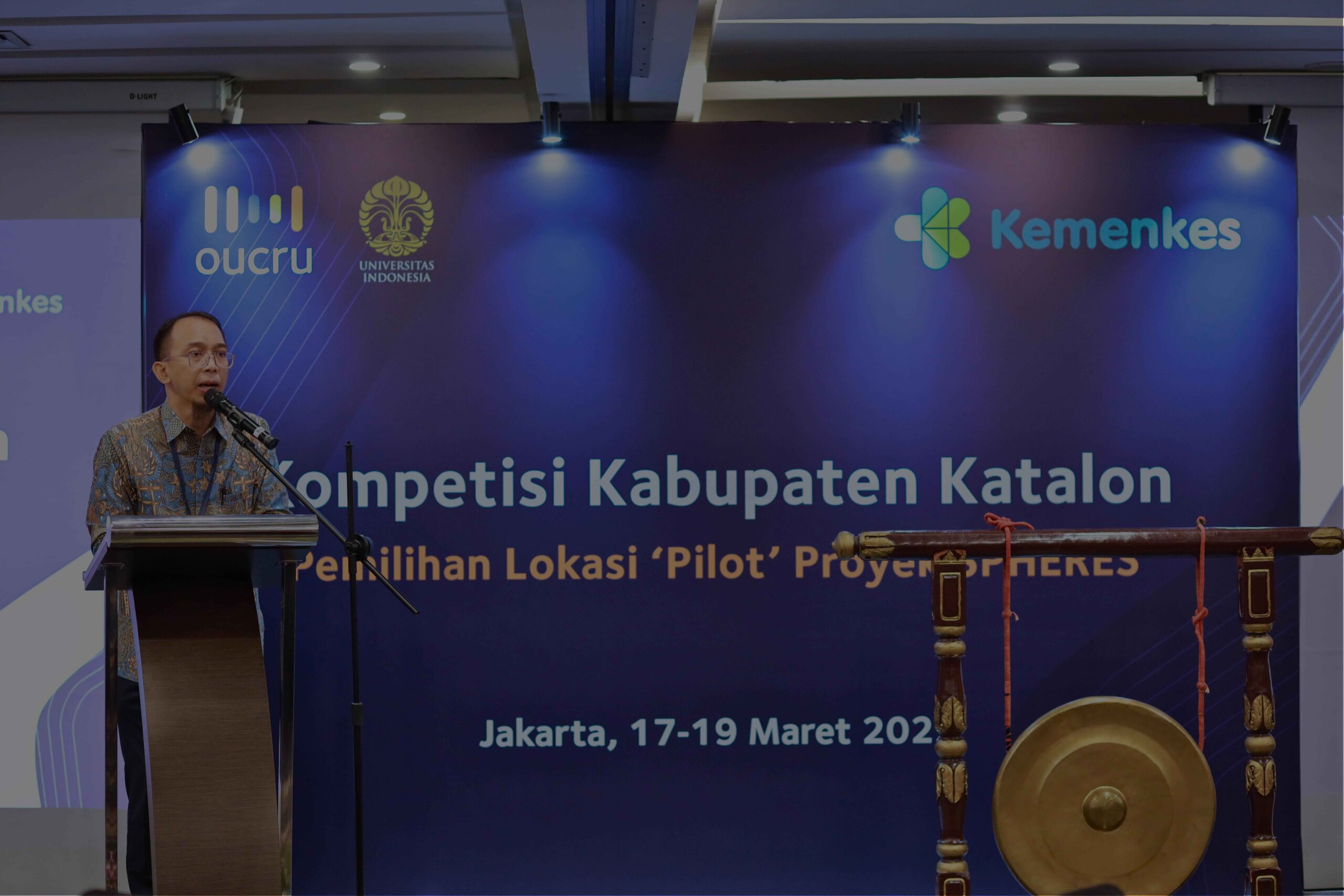
Hepatitis B remains a significant public health concern in Indonesia, with mother-to-child transmission representing a key route of infection among children. As a programme that collaborated between the Ministry of Health, Purbalingga and West Lombok District Health Offices, and OUCRU Indonesia, SPHERES aims to strengthen primary healthcare through the use of data, including monitoring progress towards the prevention of mother-to-child transmission of Hepatitis B.
While SPHERES has been implemented in close collaboration with District Health Offices, there are limited opportunities to intentionally involve community members in the design of research implementation activities. The project Building Trust and Participation for Hepatitis B Serosurveys, funded by the PCE Seed Awards, addresses this gap through participatory community meetings that actively involve community representatives in shaping how the serosurvey is implemented within their communities. Through these meetings, they have opportunities to share their concerns and recommendations regarding Hepatitis B, blood-based testing among children, and their preferred approaches to community engagement.
The meetings also inform culturally appropriate engagement strategies, strengthen trust between researchers and communities, and foster more meaningful community participation.
Community involvement is an essential focus
This year, WHO again emphasises that the global goal of ending viral hepatitis by 2030 is achievable, but we need to take sustained action and engage communities.
Pairing pioneering projects (like VIETNARMS and SPHERE) with community-based engagement (like community based parcipatory research project or building trust among communities for Hepatitis B serosurvey) will help us break down healthcare and social barriers, eliminate stigma, and ensure that lifesaving diagnostics and treatment access are available for every individual—regardless of their economic or social situation.