
July 1, 2025

15 emerging Asian global health researchers selected to join MODRA

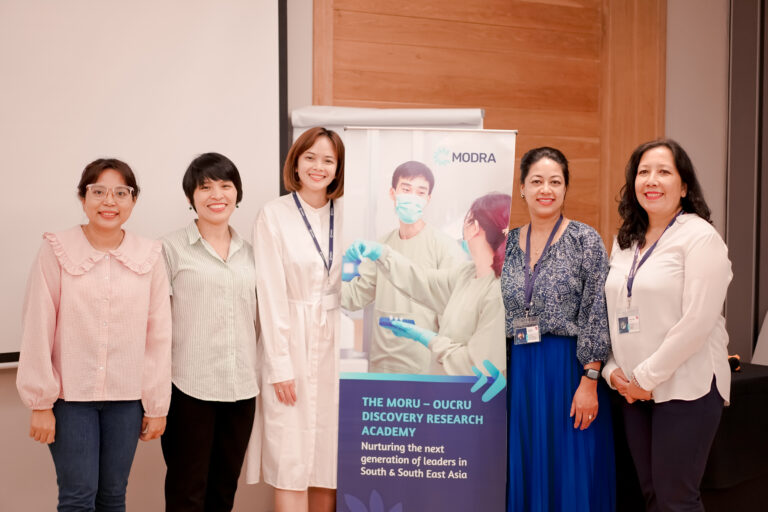
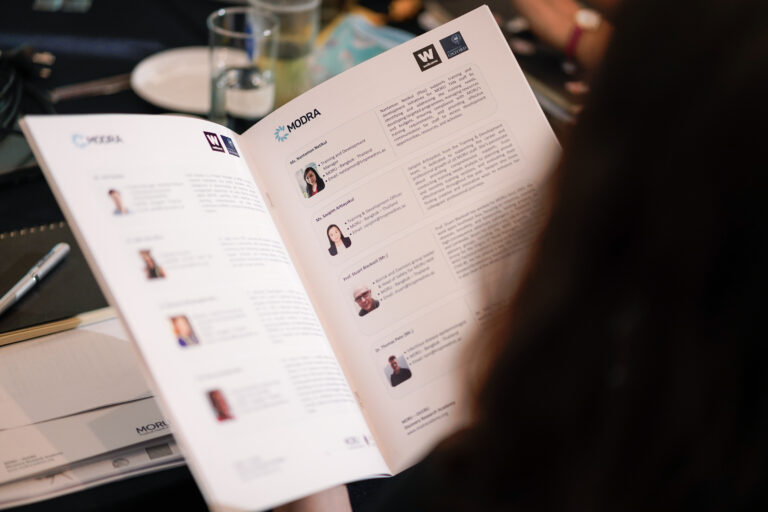
The MORU – OUCRU Discovery Research Academy (MODRA) announces its 2025 cohort of emerging researchers in global health and infectious diseases.

Funded by Wellcome, MODRA is a joint initiative between the Oxford University Clinical Research Unit (OUCRU) and the Mahidol Oxford Tropical Medicine Research Unit (MORU). The programme is designed to support and develop future scientific leaders in low- and middle-income countries (LMICs) across South and Southeast Asia. 

Now in its second year, MODRA attracted interest from a diverse pool of candidates, reflecting growing demand for structured career support and regional collaboration opportunities in global health research. Following a rigorous selection process, 15 outstanding researchers have been selected to join the 18-month fellowship.  

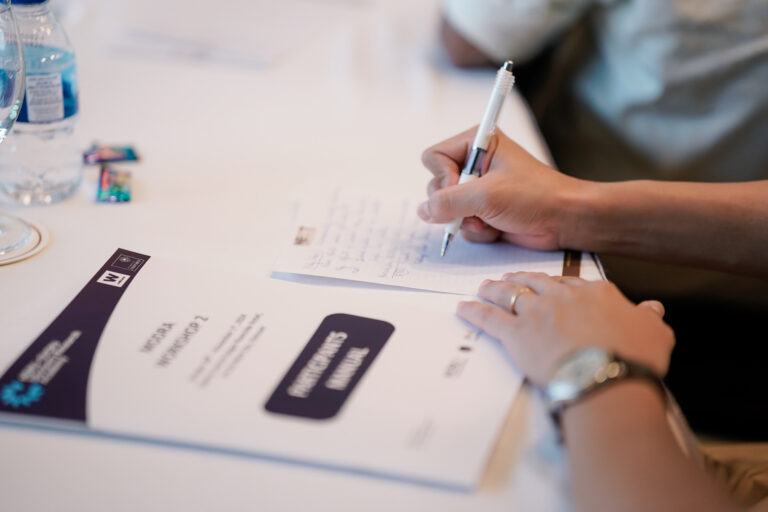
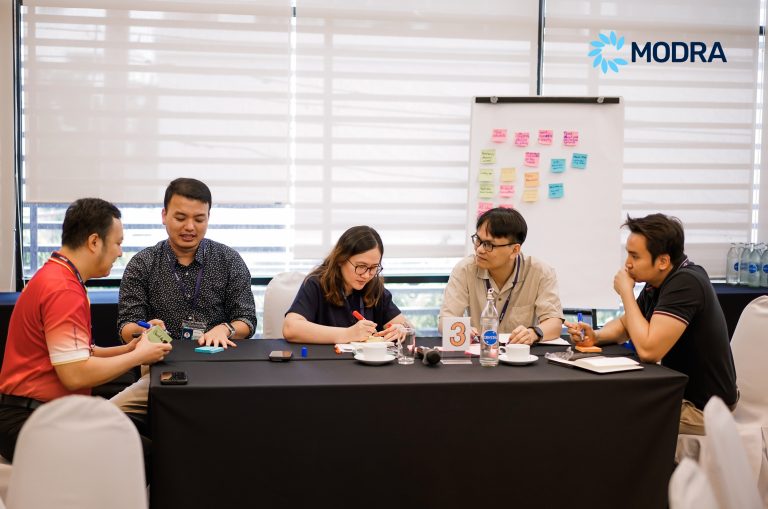
They will take part in a comprehensively designed programme that includes in-person training in grant writing and research management, mentorship from senior scientists, and seed funding to support preliminary research projects. 

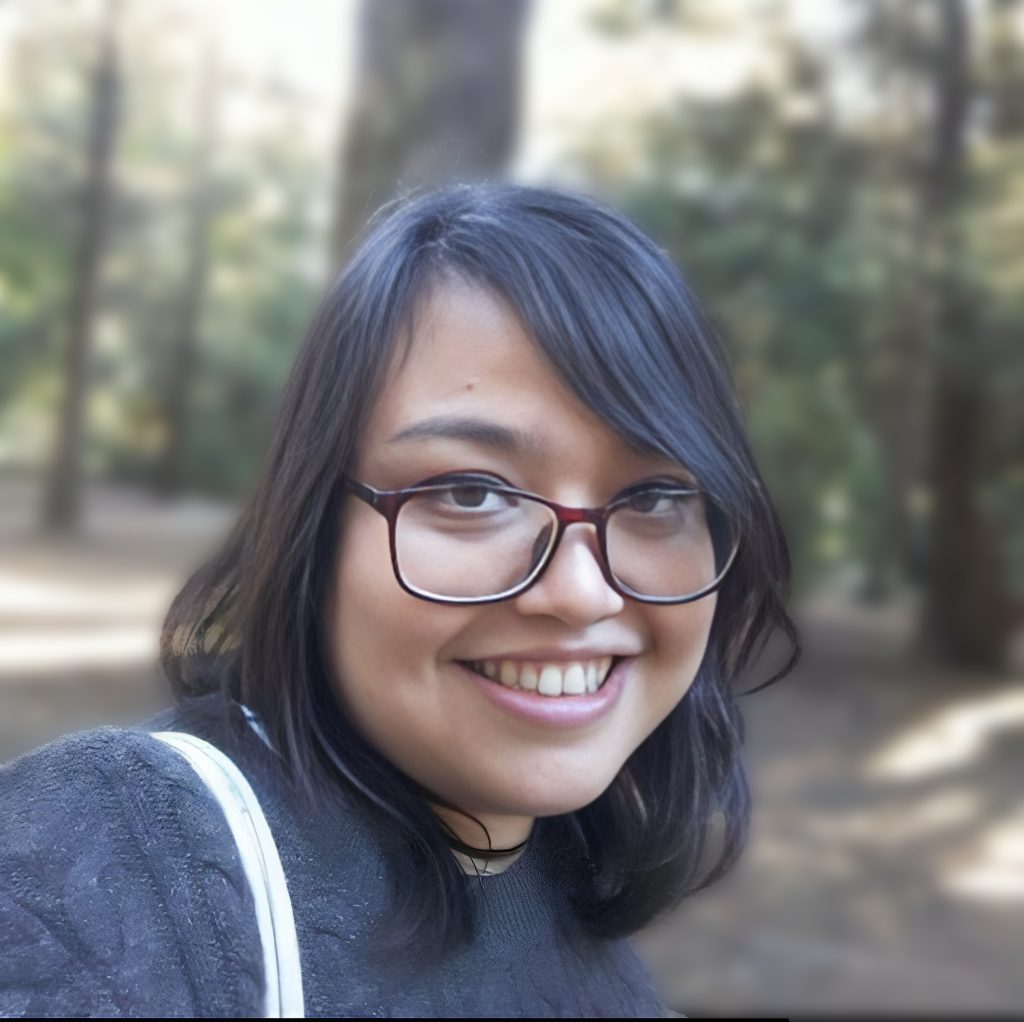
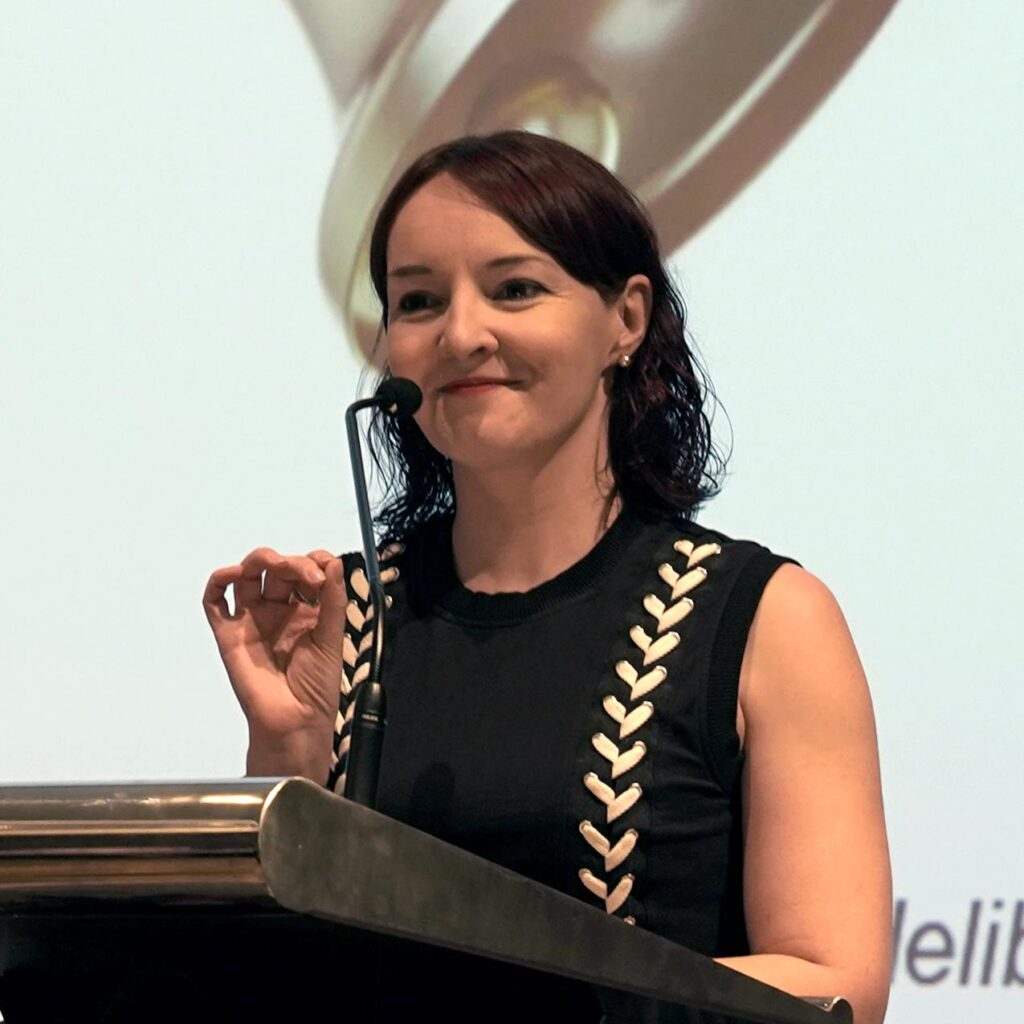
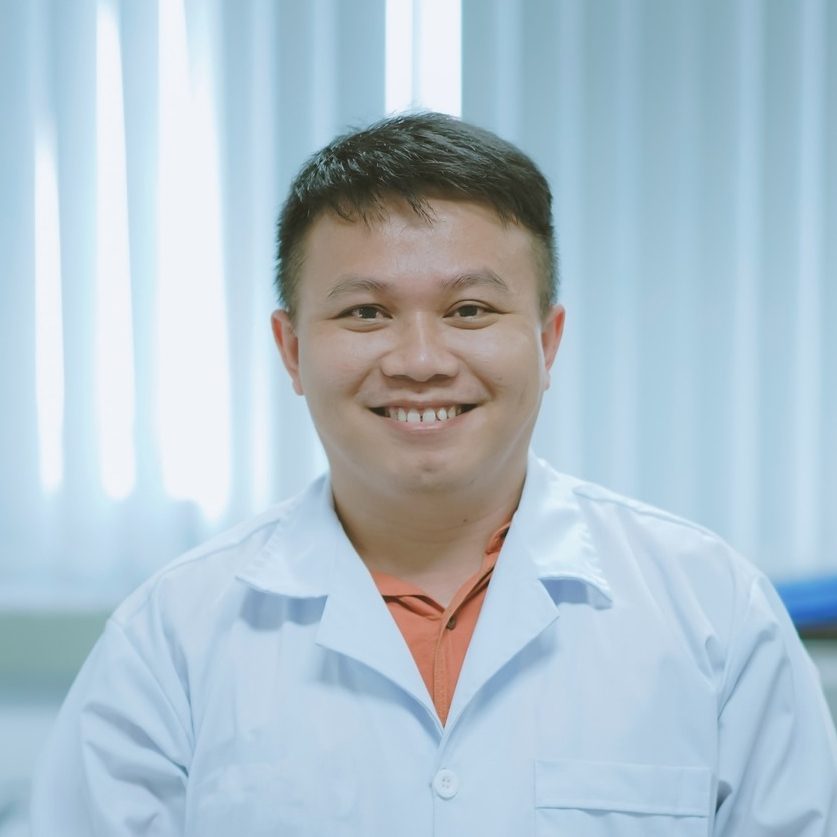
Meet our Fellows 
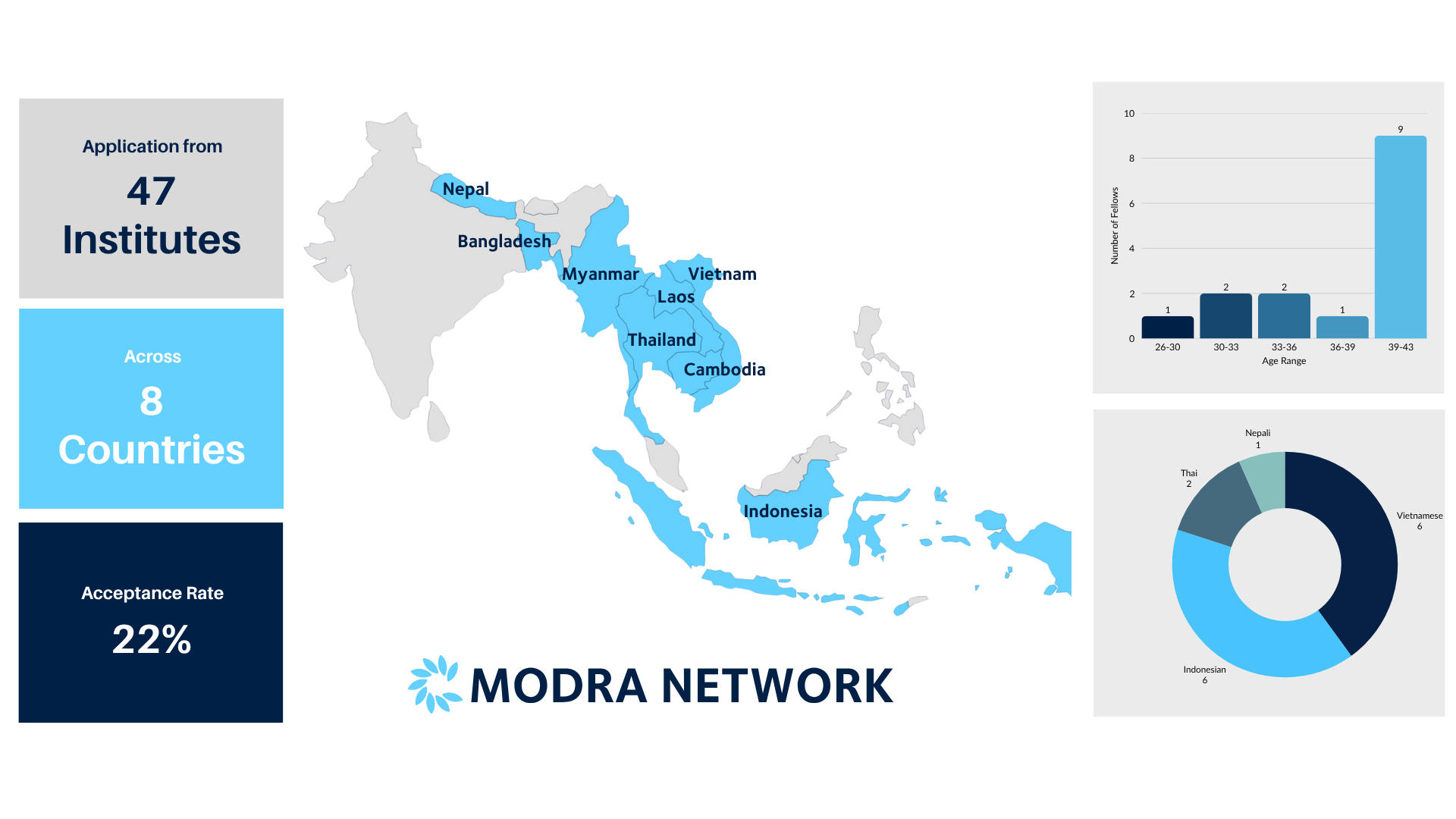
MODRA Cohort 2 Statistics

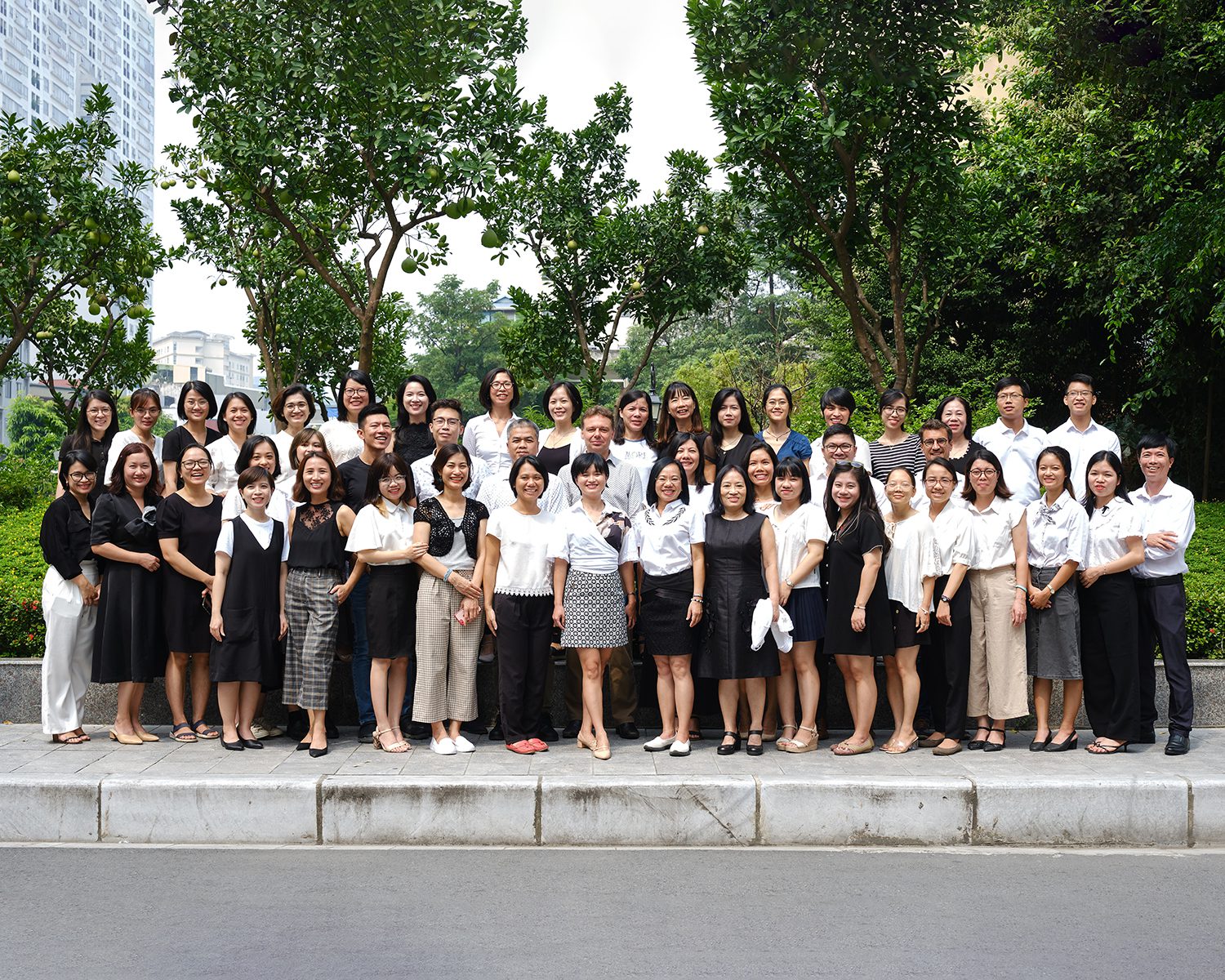
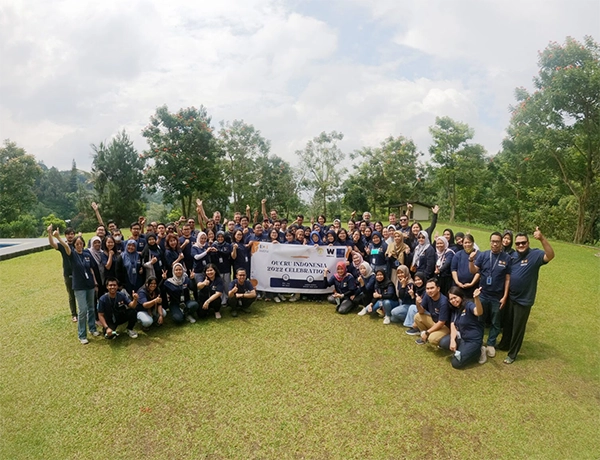
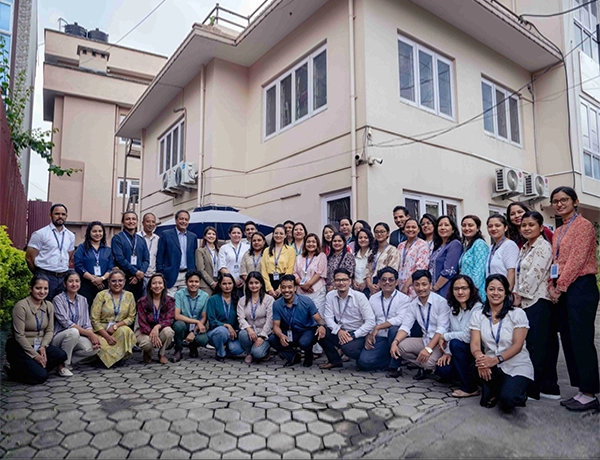
The 2025 MODRA cohort brings together researchers from Vietnam, Indonesia, Thailand and Nepal. With an average age of 38, and some as young as 27, they represent a dynamic group of early to mid-career postdoctoral scientists across the region. 

The researchers are at a pivotal stage, moving from PhD training to leading independent research – a transition that requires not only scientific expertise but also a range of professional skills often not taught in science degrees. This is a critical period when targeted support can help them build collaborations, secure funding, and establish a lasting impact in their scientific careers. 

Their research addresses some of the region’s most pressing health concerns, including antimicrobial resistance, zoonoses, tuberculosis, vector-borne infectious diseases, etc., using innovative approaches such as AI-driven monitoring, genomic surveillance, inhaled drug delivery, and multi-omic modelling. 

Despite their diverse expertise, all fellows are deeply rooted in their local settings. Based at national universities, hospitals and research institutes, they are well positioned to lead locally driven research and advance health solutions that directly respond to the needs of their communities.  

2025 MODRA Fellows: 
  1. Dr Alok KafleNepal Public Health Research Consultancy (NPHRC), Nepal 
  2. Dr Anna Lystia PoetrantoCenter for Biomedical Research, BRIN, Indonesia 
  3. Dr Antonia Morita SaktiawatiUniversitas Gadjah Mada, Indonesia
  4. Dr Arin WongprommoonMORU, Thailand 
  5. Dr Bimandra Adiputra DjaafaraNational University of Singapore (NUS) & OUCRU Indonesia, Indonesia 
  6. Dr Hồ Quang ChánhOUCRU HCMC, Vietnam
  7. Dr Nguyễn Văn CườngSydney Vietnam Institute, Vietnam 
  8. Dr I Nyoman SutarsaUdayana University & Australian National University, Indonesia 
  9. Dr Phùng Khánh LâmNational University of Singapore (NUS) & OUCRU, Vietnam 
  10. Dr Natcha DankittipongNational University of Singapore (NUS), Thailand 
  11. Dr Robert Sinto – Cipto Mangunkusumo National Hospital, Indonesia 
  12. Dr SuwartiOUCRU Indonesia, Indonesia 
  13. Dr Nguyễn Thị TâmOUCRU Hanoi, Vietnam 
  14. Dr Nguyễn Trung ThànhOUCRU HCMC, Vietnam 
  15. Dr Nguyễn Vĩnh TrungOUCRU HCMC, Vietnam 

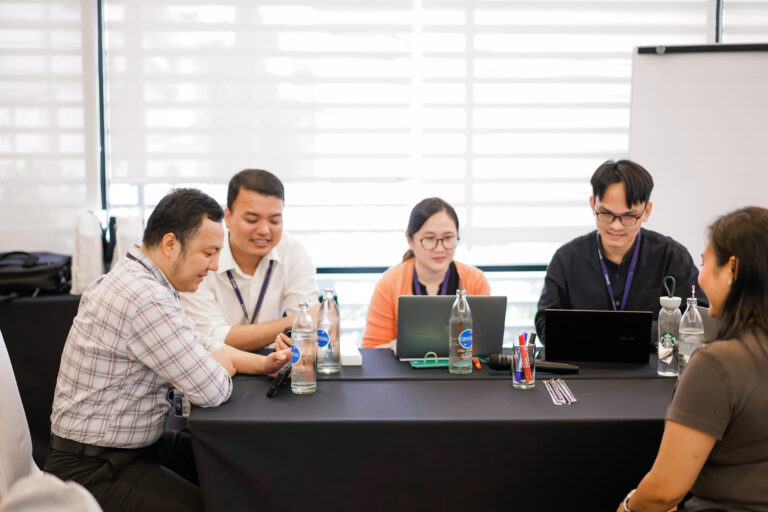
Over the course of the18-month fellowship, participants will engage in a combination of online and in-person activities, including: 

Pre-workshop online sessions: 

  • Call 1 (31/7/2025): Introduction to MODRA 
  • Call 2 (15/8/2025): SWOT analysis training 
  • Call 3 (22/8/2025): Academic CV development 

In-person workshops: 

  • Workshop 1 “Ideas Incubator” (8-12/9/2025, Thailand): Brainstorming ideas, Writing seed proposal, Budget planning.  
  • Workshop 2 “Perfect Pitch” (27-31/10/2025, Vietnam): Seed award pitching, Project Management. 
  • Workshop 3 “Grant Application” (November 2026, Indonesia): Present findings, Understand funding landscape, Identify funding scheme).  

These sessions are designed to equip emerging scientists with the skills, confidence, and networks needed to secure international research funding and lead impactful, locally grounded health research.

MODRA’s vision is long-term. By building research capacity in LMICs and fostering stronger regional collaboration, the programme aims to shape a more equitable and connected scientific landscape. 

As the new cohort begins their journey, they represent not only the present of health research in Asia, but also its future. 

To learn more about MODRA and future opportunities, visit: www.modracademy.org 

Loading...

In This Article

Learn More

Related

Forum Theatre Simulation

Analyse Tam’s choices. Step inside the story as an interactive spectator to break the chain of medical mishaps before it’s too late.

STORY TIMELINE PROGRESSION

progress step 6

The Ultimate Prevention: Vaccine Status

What if the volunteer leader had checked everyone’s Tetanus vaccination status before leaving for the field trip?

Vaccination Changes Everything

  • 100% Preventable: As you can see from our play, Tetanus cannot be cured easily once symptoms start and can be costly. But it is almost completely preventable with regular vaccination.
  • 10-Year Rule: Adults need a Tetanus booster shot every 10 years to maintain immunity.
  • Early booster shot: If you receive a deep or dirty cut (such as in the play, one from a rusty tool), you may need a booster if your last shot was more than 5 years ago.

When was your last Tetanus shot? Check your records today — a simple booster is the ultimate protection against unexpected accidents.

Forum Theatre Simulation

Analyse Tam’s choices. Step inside the story as an interactive spectator to break the chain of medical mishaps before it’s too late.

STORY TIMELINE PROGRESSION

progress step 5

Scenario Solved at Step 5!

Life-saving intervention! Jaw stiffness (lockjaw) is a classic symptom of active Tetanus toxin. Immediate hospital admission is required to secure the airway and control muscle spasms.

What if Tam had an ultimate shield against tetanus—protecting him from rusty tools before the trip even started?

Forum Theatre Simulation

Analyse Tam’s choices. Step inside the story as an interactive spectator to break the chain of medical mishaps before it’s too late.

STORY TIMELINE PROGRESSION

progress step 4

Scenario Solved at Step 4!

Good call! Healthcare providers depend on the full context. Clearly stating that an injury involved rusted metal alerts the nurse to assess Tetanus exposure immediately.

What if Tam had an ultimate shield against tetanus—protecting him from rusty tools before the trip even started?

Forum Theatre Simulation

Analyse Tam’s choices. Step inside the story as an interactive spectator to break the chain of medical mishaps before it’s too late.

STORY TIMELINE PROGRESSION

progress step 3

Scenario Solved at Step 3!

Spot on! Social media content often promotes unverified advice that delays crucial medical intervention. Deep, dirty cuts always require professional evaluation within hours.

What if Tam had an ultimate shield against tetanus—protecting him from rusty tools before the trip even started?

Forum Theatre Simulation

Analyse Tam’s choices. Step inside the story as an interactive spectator to break the chain of medical mishaps before it’s too late.

STORY TIMELINE PROGRESSION

progress step 2

Scenario Solved at Step 2!

Smart choice! Clostridium tetani bacteria thrive in organic material like dirt and leaves. Keeping raw plants out of deep cuts prevents pushing bacterial spores deeper into tissue.

What if Tam had an ultimate shield against tetanus—protecting him from rusty tools before the trip even started?

Forum Theatre Simulation

Analyse Tam’s choices. Step inside the story as an interactive spectator to break the chain of medical mishaps before it’s too late.

STORY TIMELINE PROGRESSION

progress 1 of 6

Scenario Solved at Step 1!

Great call! By stopping work with high-risk, corroded tools, you removed the physical source of Tetanus exposure entirely before an injury could even happen.

What if Tam had an ultimate shield against tetanus—protecting him from rusty tools before the trip even started?

Skip to content