What is engagement and its role in research?

Engagement in research refers to the active involvement of various stakeholders, including researchers, policymakers, and the general public, throughout the research process.

Engagement at OUCRU is a two-way process.

By involving stakeholders in the research process, engagement promotes a two-way exchange of knowledge, ideas, and perspectives, leading to more informed decision-making and the development of evidence-based policies. Furthermore, engagement fosters transparency, trust, and accountability, as it encourages open dialogue and participation among stakeholders.

Ultimately, engagement enhances the societal impact of research by promoting its accessibility, relevance, and applicability to real-world challenges and needs.

A QUICK LOOK AT

Engagement in research

Find out more about what we do and the impact it has.

What We Do

‘Through our engagement we can empower young people, health workers and communities and bring the benefits of science closer to them’ 

'OUCRU's policy engagement programme is about finding ways for our researchers to communicate with policy stakeholders, to help ensure that our research is relevant, locally driven, and impactful'

Involve the local communities in our research to generate dialogue between researchers and the public 

Engaging with policy makers to influence decision making and improve public health

Featured Engagement Projects

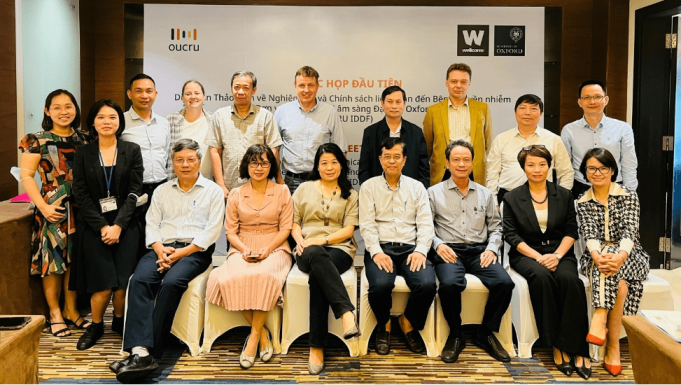
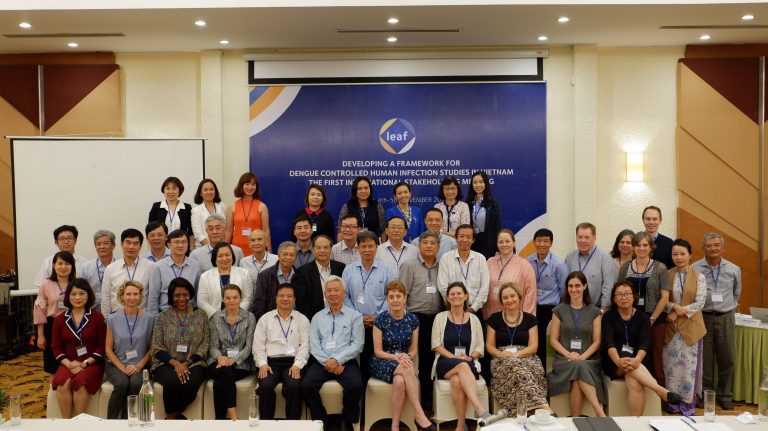
The study aimed to analyse how policy stakeholders in Vietnam use scientific evidence for health policies and enhance the engagement between the scientific community (specifically OUCRU) and policy makers.
Community Advisory Boards comprise public representatives, researchers, doctors, and coordinators. These groups aim to facilitate engagement and discussions, leading to a better understanding of public concerns, gathering feedback, and promoting direct interaction between community members and researchers.
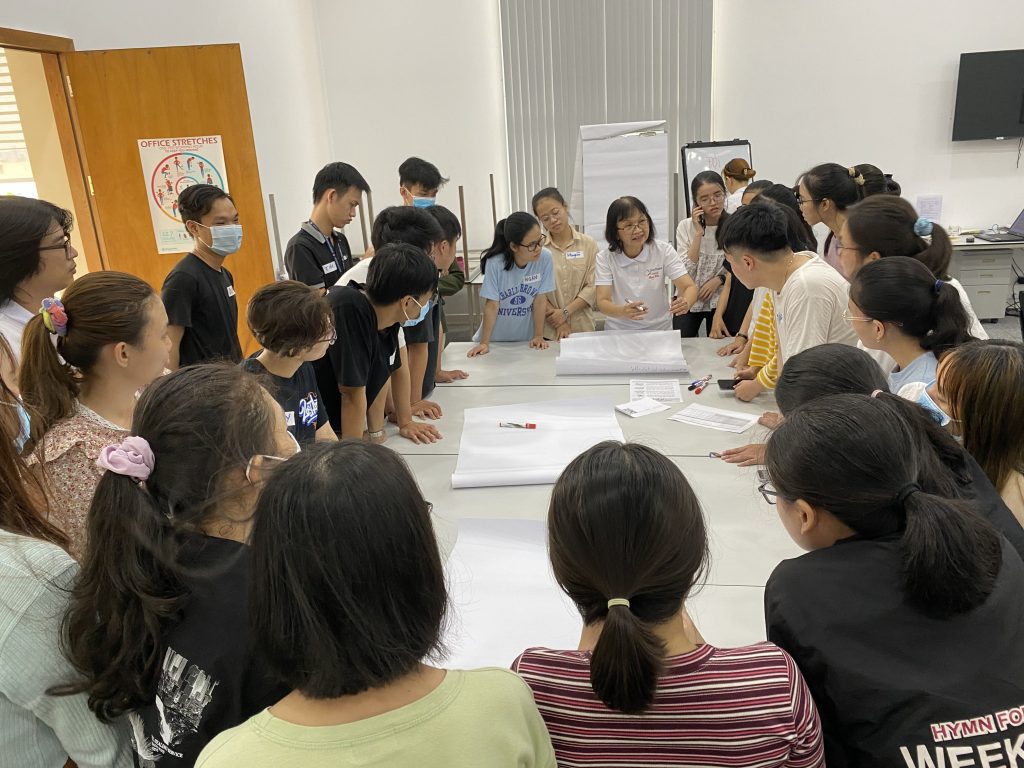
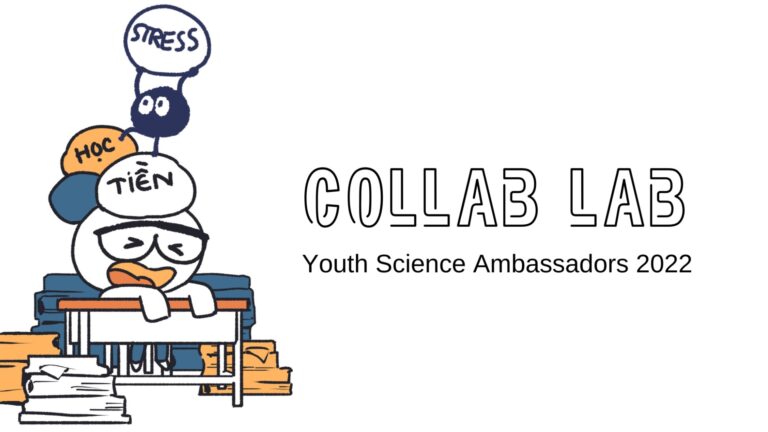
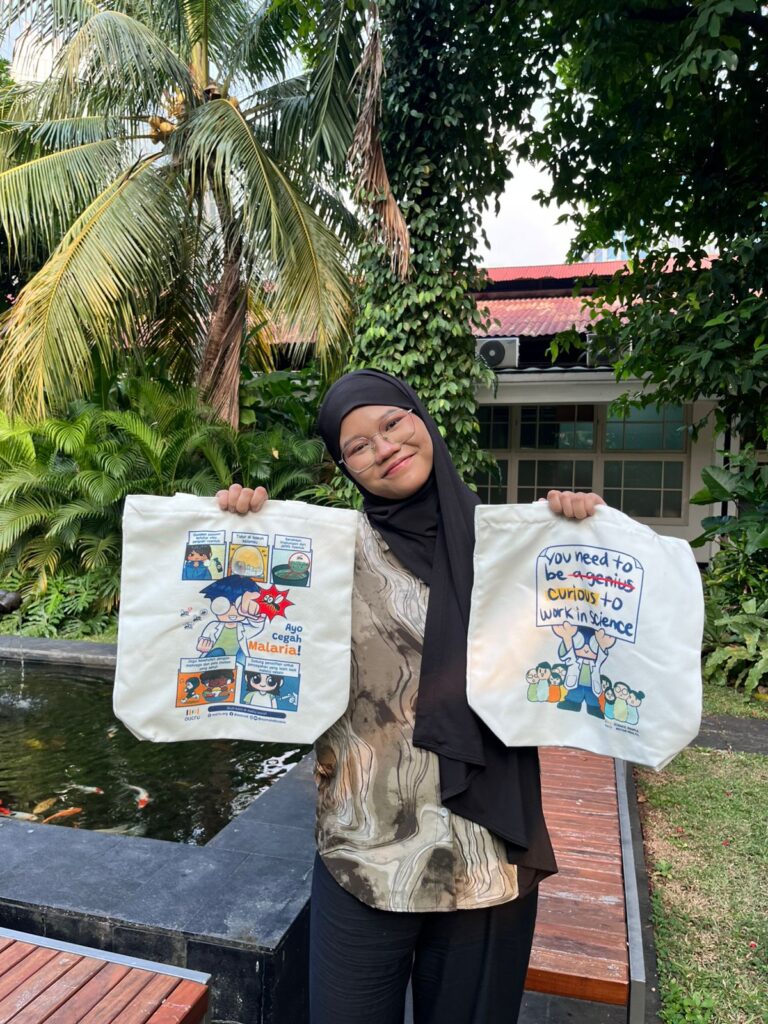
Led by OUCRU’s Youth Science Ambassadors (YSAs), Collab Lab aims to equip young people with public engagement skills and knowledge in health science.
Highlight

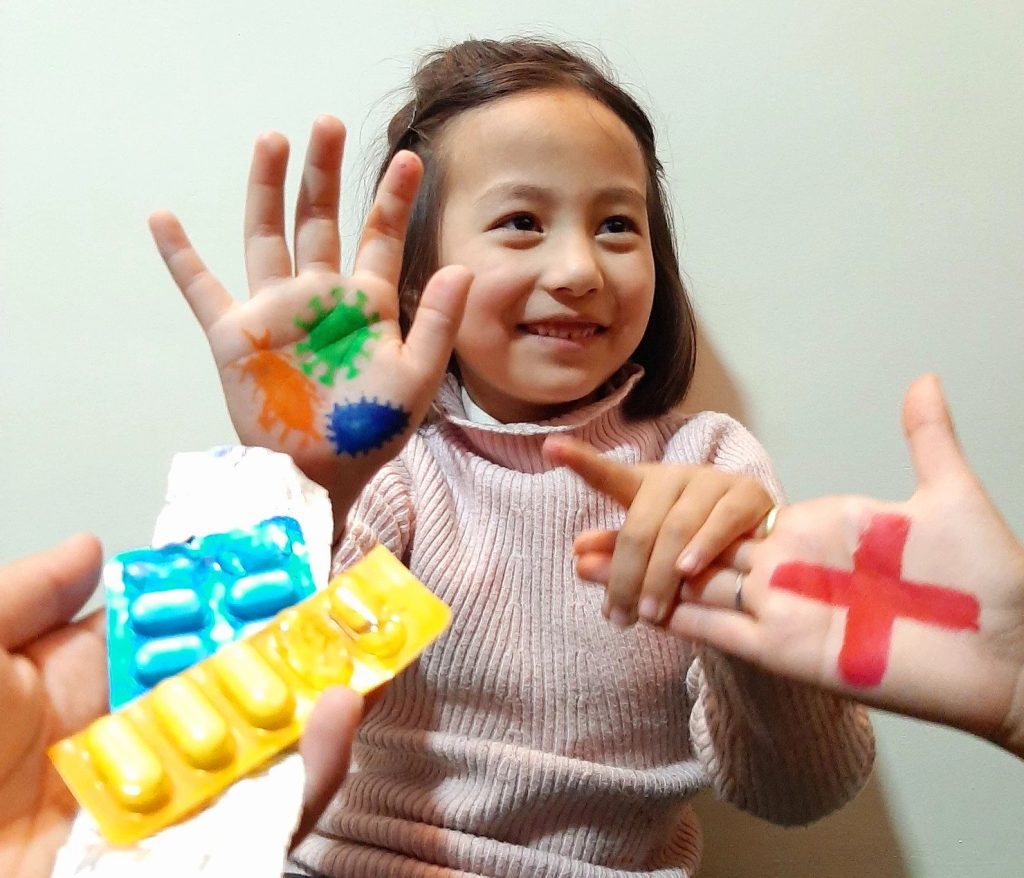
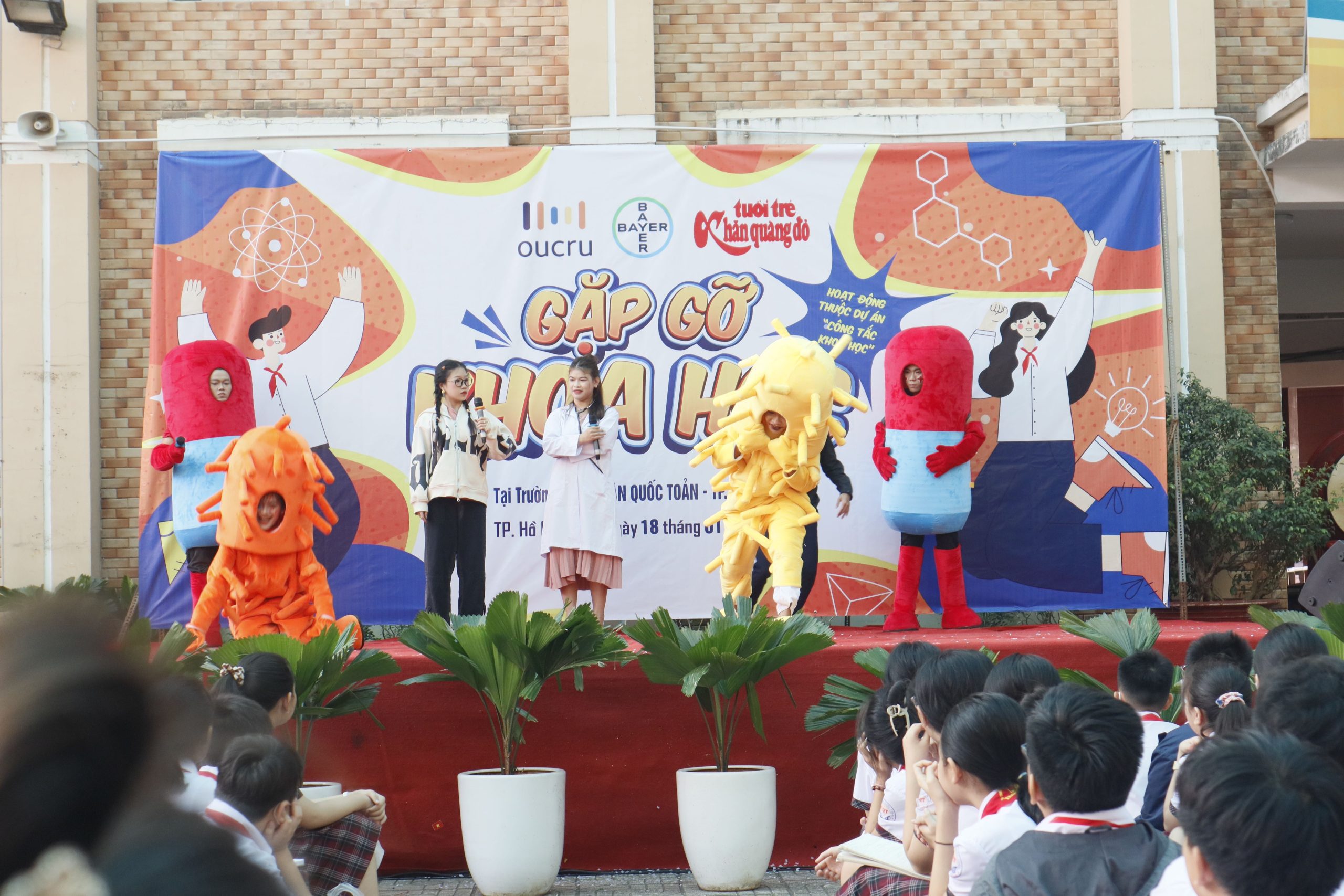
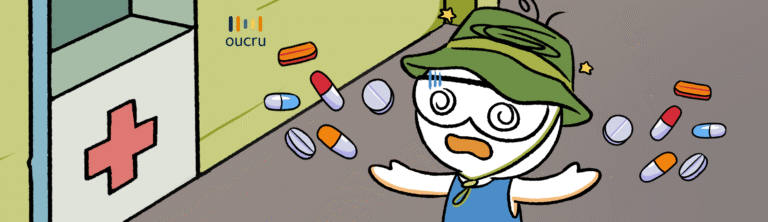
The events, consisted of a play and activities, aim at educating students about responsible antibiotic use.

The play, titled “Take medicine recklessly, bacteria can resist,” underscores the importance of individual actions, particularly those of young students, in combating this health threat.


Engagement News

Forum Theatre Simulation

Analyse Tam’s choices. Step inside the story as an interactive spectator to break the chain of medical mishaps before it’s too late.

STORY TIMELINE PROGRESSION

progress step 6

The Ultimate Prevention: Vaccine Status

What if the volunteer leader had checked everyone’s Tetanus vaccination status before leaving for the field trip?

Vaccination Changes Everything

  • 100% Preventable: As you can see from our play, Tetanus cannot be cured easily once symptoms start and can be costly. But it is almost completely preventable with regular vaccination.
  • 10-Year Rule: Adults need a Tetanus booster shot every 10 years to maintain immunity.
  • Early booster shot: If you receive a deep or dirty cut (such as in the play, one from a rusty tool), you may need a booster if your last shot was more than 5 years ago.

When was your last Tetanus shot? Check your records today — a simple booster is the ultimate protection against unexpected accidents.

Forum Theatre Simulation

Analyse Tam’s choices. Step inside the story as an interactive spectator to break the chain of medical mishaps before it’s too late.

STORY TIMELINE PROGRESSION

progress step 5

Scenario Solved at Step 5!

Life-saving intervention! Jaw stiffness (lockjaw) is a classic symptom of active Tetanus toxin. Immediate hospital admission is required to secure the airway and control muscle spasms.

What if Tam had an ultimate shield against tetanus—protecting him from rusty tools before the trip even started?

Forum Theatre Simulation

Analyse Tam’s choices. Step inside the story as an interactive spectator to break the chain of medical mishaps before it’s too late.

STORY TIMELINE PROGRESSION

progress step 4

Scenario Solved at Step 4!

Good call! Healthcare providers depend on the full context. Clearly stating that an injury involved rusted metal alerts the nurse to assess Tetanus exposure immediately.

What if Tam had an ultimate shield against tetanus—protecting him from rusty tools before the trip even started?

Forum Theatre Simulation

Analyse Tam’s choices. Step inside the story as an interactive spectator to break the chain of medical mishaps before it’s too late.

STORY TIMELINE PROGRESSION

progress step 3

Scenario Solved at Step 3!

Spot on! Social media content often promotes unverified advice that delays crucial medical intervention. Deep, dirty cuts always require professional evaluation within hours.

What if Tam had an ultimate shield against tetanus—protecting him from rusty tools before the trip even started?

Forum Theatre Simulation

Analyse Tam’s choices. Step inside the story as an interactive spectator to break the chain of medical mishaps before it’s too late.

STORY TIMELINE PROGRESSION

progress step 2

Scenario Solved at Step 2!

Smart choice! Clostridium tetani bacteria thrive in organic material like dirt and leaves. Keeping raw plants out of deep cuts prevents pushing bacterial spores deeper into tissue.

What if Tam had an ultimate shield against tetanus—protecting him from rusty tools before the trip even started?

Forum Theatre Simulation

Analyse Tam’s choices. Step inside the story as an interactive spectator to break the chain of medical mishaps before it’s too late.

STORY TIMELINE PROGRESSION

progress 1 of 6

Scenario Solved at Step 1!

Great call! By stopping work with high-risk, corroded tools, you removed the physical source of Tetanus exposure entirely before an injury could even happen.

What if Tam had an ultimate shield against tetanus—protecting him from rusty tools before the trip even started?

Skip to content