
As 2025 draws closer, Public and Community Engagement (PCE) continued to strengthen meaningful connections between OUCRU research and the local communities across Indonesia, Vietnam, and Nepal. Across all sites, our work is guided by a shared goal: health research creates lasting impact when communities are actively involved in shaping it.
Let’s take a look at the milestones we have achieved from the year.
Creating Spaces for Engagement
Community Advisory Group – Shaping Public Voices in Health Research
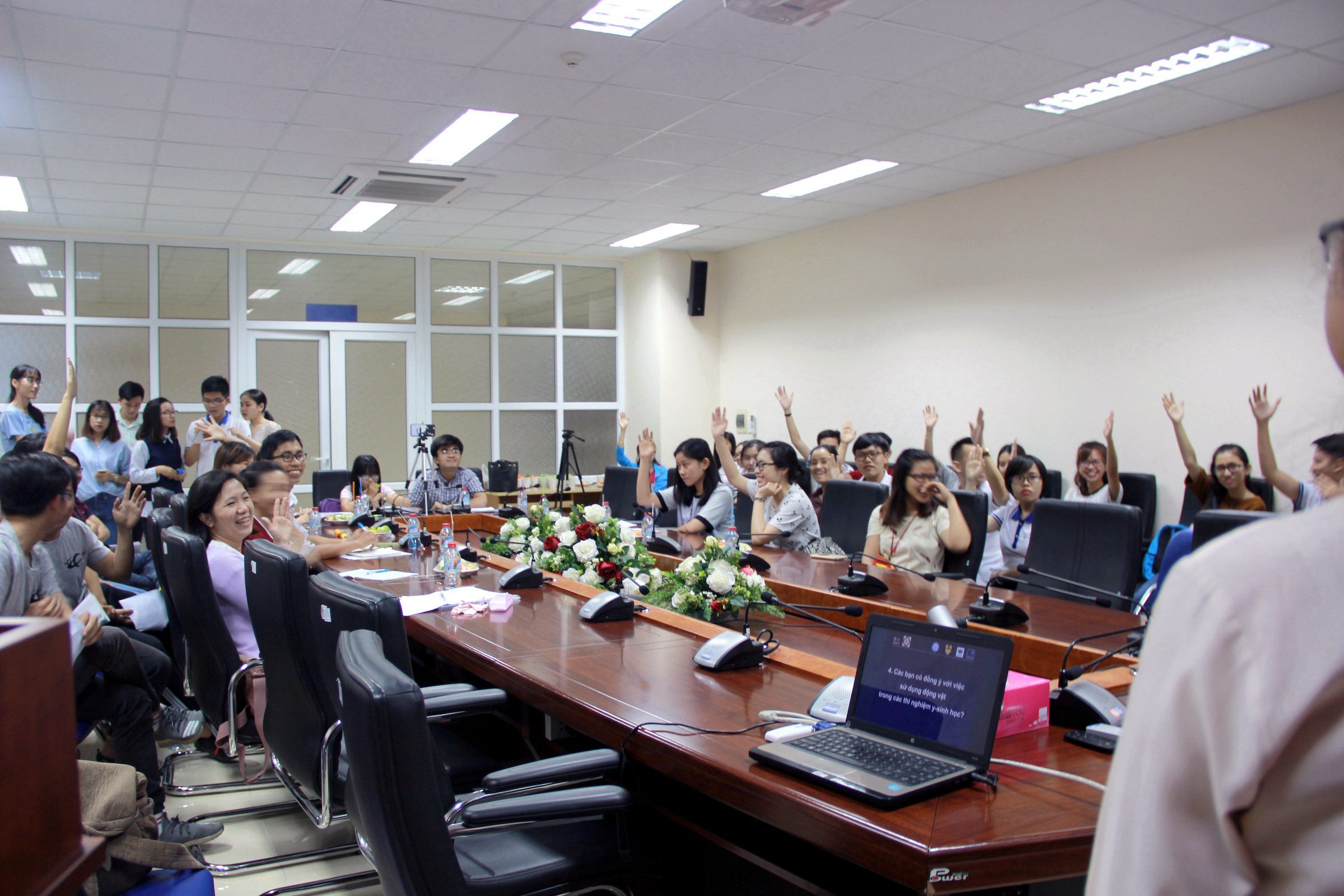
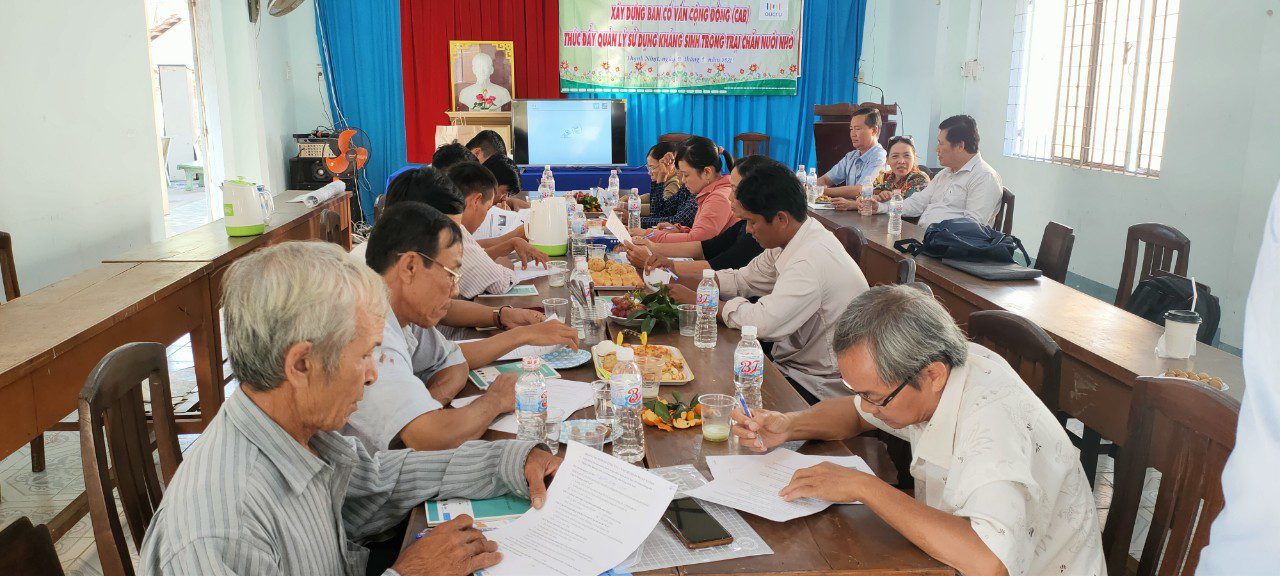
Community voices play a vital role in shaping relevant health research at OUCRU. Since their establishment, community groups continue to contribute to setting research priorities. Through various groups, community participants are able to share their experiences in their own voices and contribute their suggestions and feedback to OUCRU ‘s research. In 2025, the HCMC-based Health Research Advisory Board (HRAB) held three meetings bringing community members and researchers together. At the same time, the disease-specific Tuberculosis Meningitis Community Advisory Board (TBM-CAB) met with researchers to discuss issues of extended treatment regimes barriers to follow up.
Community voices played a vital role in shaping relevant health research. Since its establishment at OUCRU, advisory boards have continued to guide research priorities, enabling participants to share their lived experiences in their own voices and contribute suggestions and feedback to OUCRU’s research.
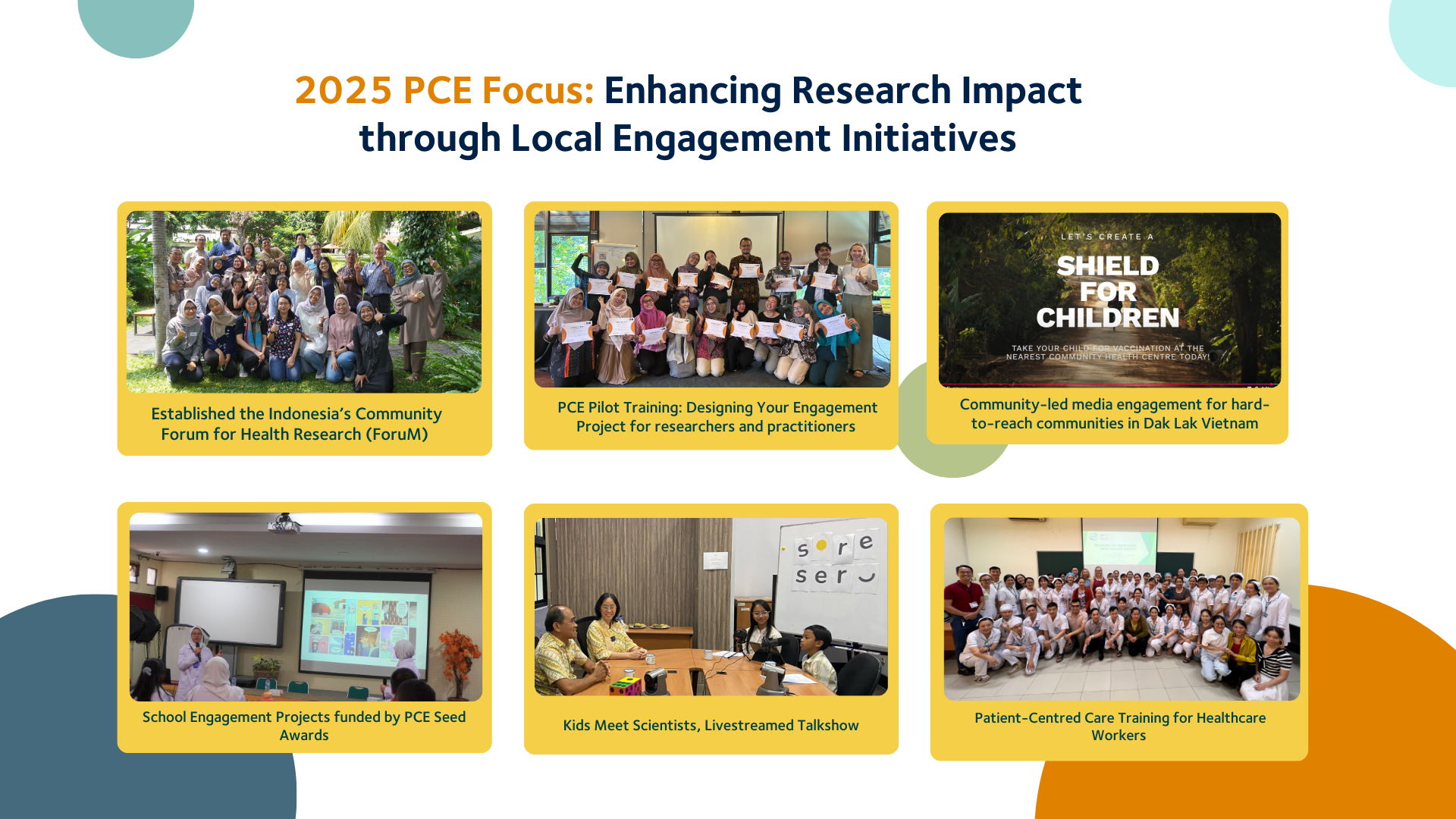
In Indonesia, OUCRU has recently established a Community Forum for Health Research (ForuM), to serve as a vital platform to bring diverse communities together to contribute to OUCRU’s health research processes. The forum aims to strengthen dialogue around community priorities and reinforce the importance of research agendas that respond to local health needs. Through these exchanges, community feedback is translated into research that is more relevant, impactful, inclusive, and culturally sensitive, ensuring that OUCRU’s work addresses real community needs.
The Public and Community Engagement Training: Designing An Engagement Projects
In line with our strategy to encourage good engagement practice in the region, OUCRU held a 3-day engagement training for biomedical researchers from multiple Indonesian and Malay institutes. The aim was to introduce the benefits of engagement and equip researchers with practical skills to design appropriate engagement projects. The training supported 20 participants from 10 institutes to integrate engagement into research planning, implementation, and dissemination.
From Research into Community Action
Malaria Burden in Southeast Asia: Research Findings and Community Impact
In April 2025, World Malaria Day was marked, and OUCRU, MORU, and The Global Health Network hosted a regional webinar exploring the often-overlooked burden of malaria in Southeast Asia. Our researchers shared insights on drug development, surveillance of drug-resistant malaria, treatment trials, and the importance of including pregnant women in research. Central to the discussion was the role of community engagement, showcasing how researchers work with hard-to-reach communities, elevate community voices, and use creative approaches to build trust, raise awareness, and strengthen the real impact of malaria research inside the community.
Bridging Hard-to-Reach Research Through Media Engagement
In Dak Lak province in Vietnam, research led by Dr Nguyen Thanh Ha revealed that vaccine hesitancy is often driven by structural barriers rather than refusal alone. In response, OUCRU worked with local health authorities to develop a training programme to strengthen healthcare workers’ communication skills. Led by Senior Media Engagement Coordinator Ms Nguyen Yen, and funded by IMPRINT UK, OUCRU worked with the village heath workers and community members to co-created a short film to help engage under-served communities. Using local community actors and storytelling the film reflects real concerns behind vaccination decisions, and aims to build trust and improving dialogue. The film translated complex public health messages into accessible narratives, amplifying lived experiences, and building trust with often excluded audience audiences. The film was screened in underserved districts, shared online and on provincial television.
Watch the film:
Putting Community at the Centre of Health Systems
In 2025, OUCRU’s Public and Community Engagement (PCE) work in Vietnam continued to strengthen health systems by placing people at the heart of care and research. Central to this approach is patient-centred care, which prioritises individual needs, values, and informed decision-making, and recognises patients as active partners in their care. OUCRU partnered with Medisetter, Vietnam’s largest multichannel doctor network,to build the training on interpersonal skills for healthcare workers.
Investing Research Engagement for the Next Generation
The PCE Seed Awards continue to be a driving force for engagement at OUCRU, supporting young and early-career researchers to design and deliver community-centred engagement projects. Now in its tenth year, the programme continues to provide funding and mentorship that encourage creative approaches to connecting research with real-world health concerns.
In 2025, Seed Awards funded four projects, with a focus on youth engagement. The awards supported initiatives including the youth antimicrobial stewardship in partnership with PAPRA, —an interprofessional network of practitioners, academics, and community members across Indonesia working together to prevent and control antimicrobial resistance (AMR).
Other projects focused on sharing findings from a Hand, Foot and Mouth Disease (HFMD) study to help families better prevent infection and manage care at home, as well as A Day in the Lab, targeted to young children and youth. These projects demonstrates how seed awards can catalyse meaningful engagement, inspire new ideas, and strengthen connections between researchers, communities, and young audiences.
Explore Seed Awards Projects: https://www.oucru.org/project/seed-awards/
In Indonesia, digital engagement initiatives were used to help brings science closer to the next generation of Indonesian children through an online, interactive space to meet researchers, ask questions, and explore the human side of health research. Following on from the Seed Award project ‘A Day in the Lab’, we extended our reach through digital platforms. The Kids Meet Scientist talk show successfully brought researchers and children together to spark curiosity and break down barriers between science and society. The show aimed to inspire young audiences from diverse backgrounds to see themselves as part of the future of research.
Watch the interactive discussion:
Looking Ahead to 2026
As we move into 2026, we remain committed to involving communities and stakeholders in our research, with the aims of strengthening meaningful dialogue between communities and research professionals.