

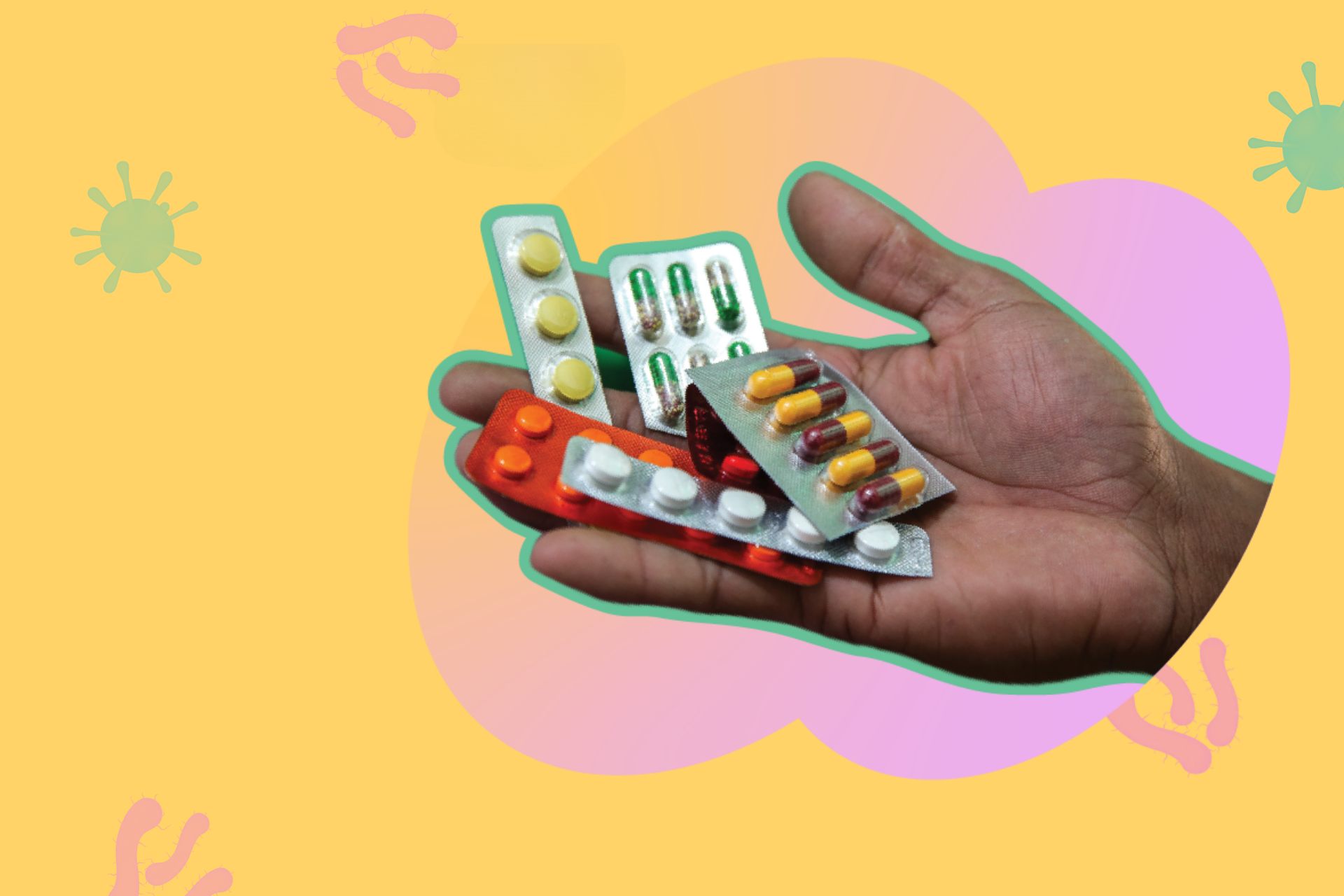
With our world is more connected than ever, when drug-resistant pathogens emerge and spread, they affect human health, animal health, food security, economies, and sustainable development.
AMR is no longer a future challenge; it is a global threat.(*)
This is why the One Health approach matters for addressing AMR at both local and global scales. As World AMR Awareness Week 2026 asks us to turn the One Health message into One Action, the theme again reminds us how important it is to involve the public and communities it the fight against AMR. Because no laboratory result or national action plan changes people’s decisions unless they understand the issue, trust the messenger and see a workable alternative.
AMR communication needs local insights and inputs
Much of the language, imagery and framing used in global AMR messaging was developed in high-income settings and then translated, literally and figuratively, for everyone else. “Antibiotic misuse” is often framed as an individual failing, even where access to a qualified prescriber, a diagnostic test or clean water is limited. This framing can blame the very people with the fewest options.
Our work with the community asks who defines the problem, whose knowledge counts and who decides what good communication looks like. In practice, this means reviewing existing AMR materials, co-developing terminology in Vietnamese and local languages and involving community members as co-creators rather than recipients.
Decolonising and localising also means empowering local professionals to lead AMR communication and engagement. A review of the literature suggests there are few One Health professionals taking on the role of AMR communicator in low- and middle-income countries (LMICs). Empowering them requires understanding not only their current capacity and experience, but also whether they see communication as part of their professional identity and responsibility.
My PhD study explores the factors that shape this identity and agency, and how they influence AMR communication practices in Southeast Asia, through an online survey. The findings will inform a training programme, one infrastructure among others, to strengthen locally grounded AMR communication, which helps professionals build their communication skills while fostering their identity and agency as AMR communicators.
Han Tran, PhD student
There is little guidance on AMR communication in the context of the Global South. Training grounded in behaviour-change theory is needed to support local actors in realising their identity and agency for AMR communication.
The fight against AMR starts in the backyard.
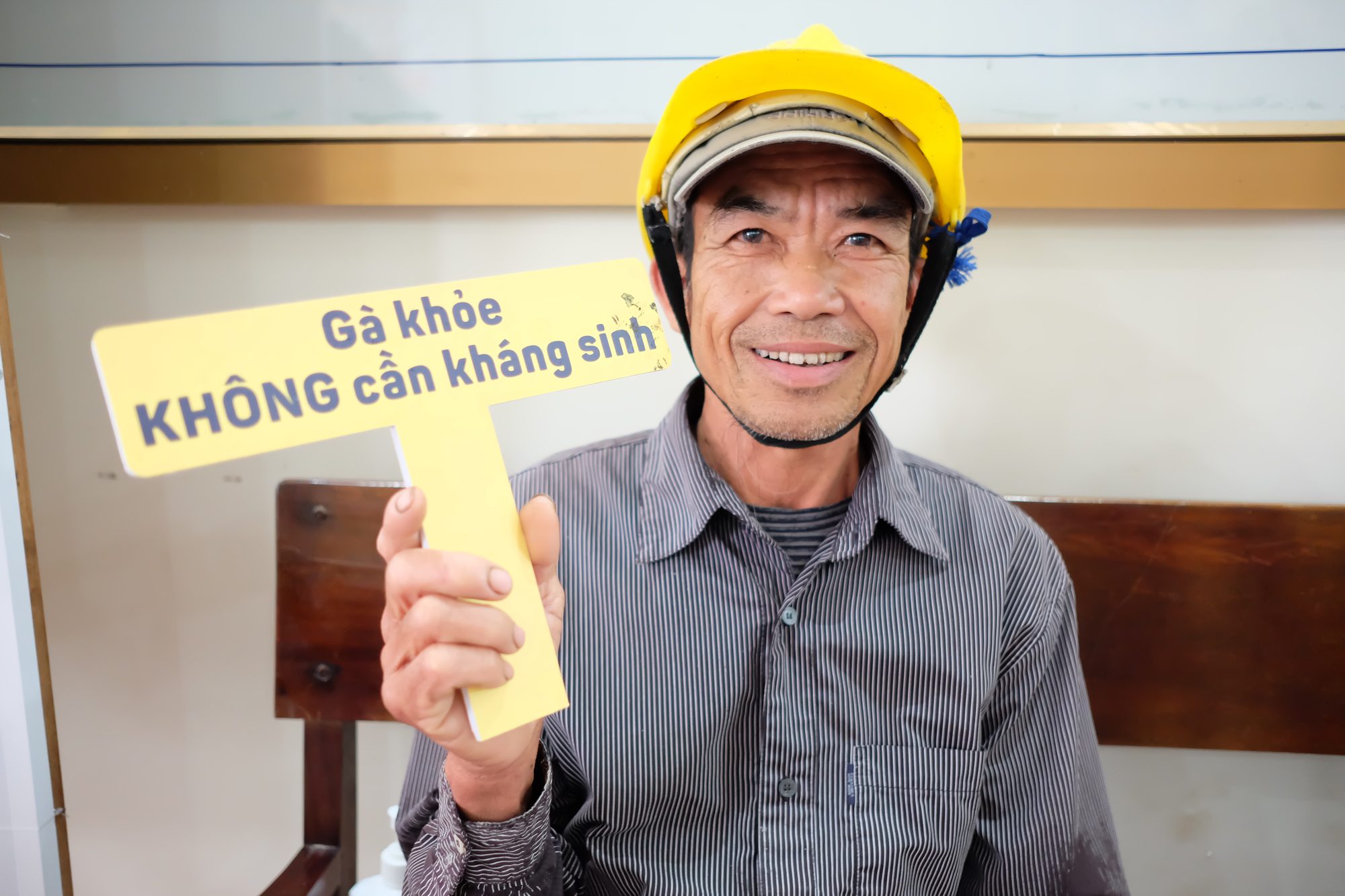
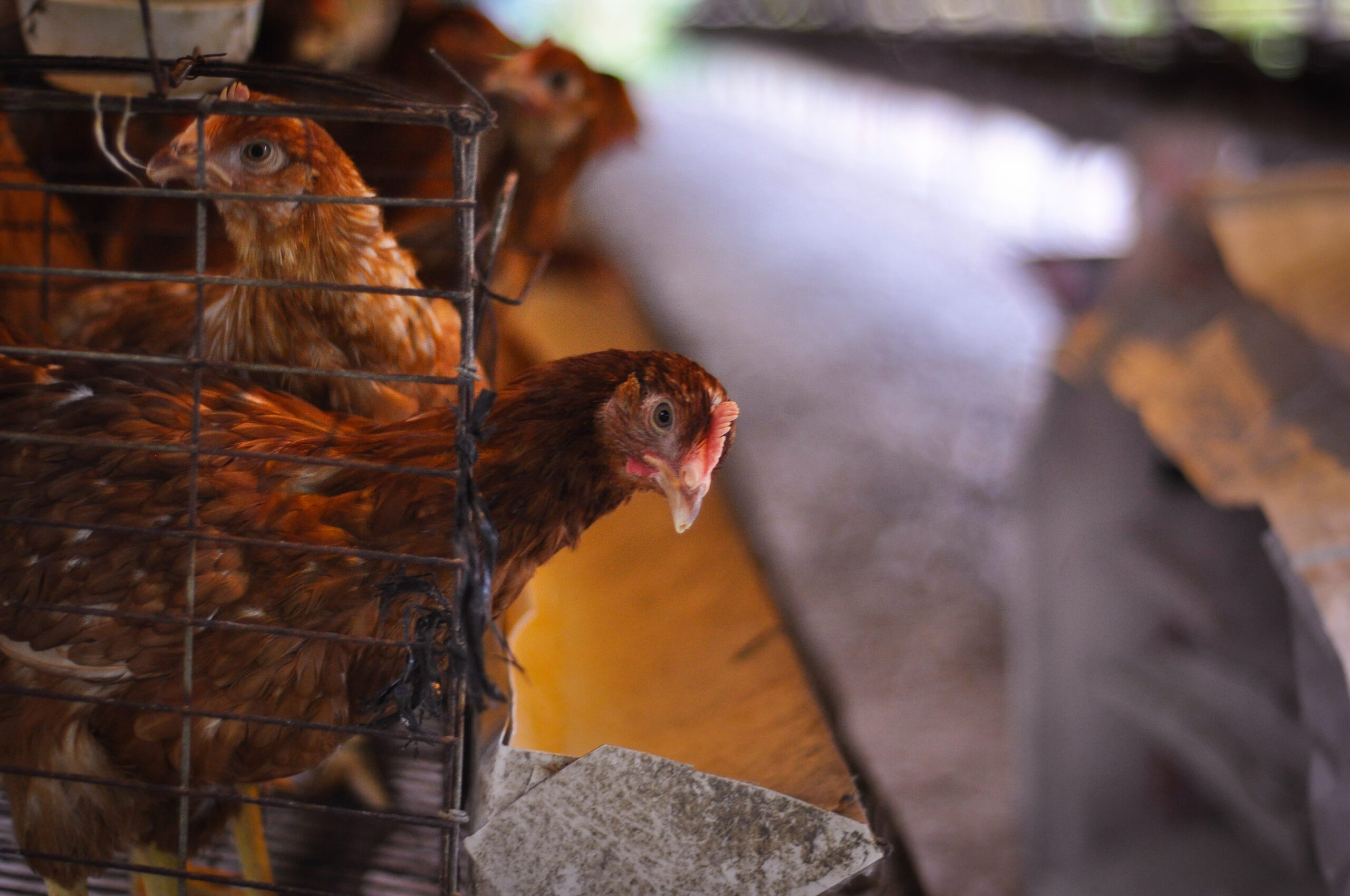
In an agricultural country like Vietnam, where people live and work closely with animals, AMR is not something far away, yet misusing antibiotics in farming is quite common. “Our previous research showed that the use of antibiotics in livestock farming increases antibiotic resistance in the community”, Dr Nguyễn Vĩnh Trung said.
Addressing AMR in livestock takes more than work in the lab. It also depends on how research connects with the local policymakers and veterinary authorities who shape everyday farming practice. In the video, OUCRU’s Zoonoses Group reflects on setting up an inter-provincial network to engage with local authorities across livestock-producing provinces in Vietnam. The team discusses the challenges they faced, including researchers’ limited practical skills in public and community engagement, differing priorities among local governments and how to increase local participation in research. Associate Professor Ngô Thị Hoa, Head of the Zoonoses Group, stresses that early-career scientists need support and training to navigate policy engagement and to turn barriers into opportunities for working with local authorities, so that our research can have greater impact in local communities.
This video belongs to the project funded by the PCE Seed Awards, an internal funding mechanism aimed at enabling and promoting researcher-led community engagement to support OUCRU’s research.
Another approach is looking at farmers’ perspectives. To understand why antimicrobials are used- whether to protect livelihoods, because veterinary access is limited, or because of the influence of feed and drug sellers- the project team in Hanoi invited local farmers to photo-document antimicrobial use in their communities. Their photos became an online exhibition showing how antibiotics are used in everyday life, from livestock farming to human medicine.
Raising awareness from early on
AMR is hard to see and hard to explain, and a general message such as “antibiotics are not for colds” may not work for all groups of audience. With OUCRU’s long history of engaging and working with young people, we see that they can be the messengers now and in the future. Today they may be only students; tomorrow they are future health workers, scientists and farmers, and many will become parents. The message we share will be adapted to the people they know best: their families, friends and, eventually, their colleagues; reaching audiences that a general campaign may not. So our goal with students goes beyond informing them. We want to help them understand how resistance develops and why collective action matters, and we want to inspire them to share that understanding, multiplying the impact of our work through their voices.
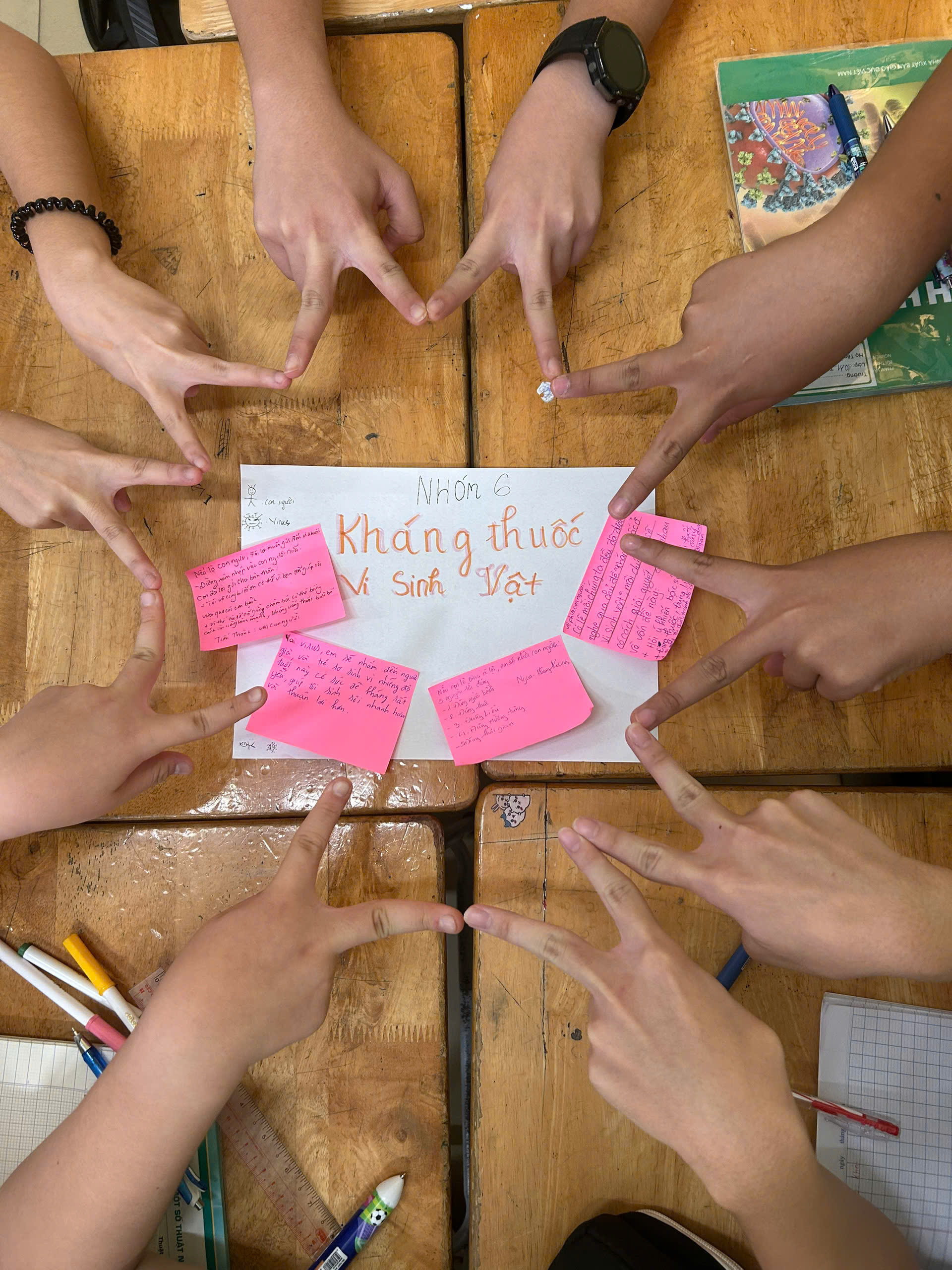
Teachers and researchers, co-creating in the classroom.
Using the AMR learning framework developed through the Youth Against AMR project, OUCRU AMR researchers then worked with secondary and high school teachers in Ho Chi Minh City to turn it into practical teaching activities. The teachers used it to develop their own teaching plans, with scientific support from the researchers, and ran the resulting activities in their schools. These sets of teaching aids can now be shared with educators, health workers and facilitators to use directly to support AMR and One Health-related education purposes.
Supporting students’ own initiatives.
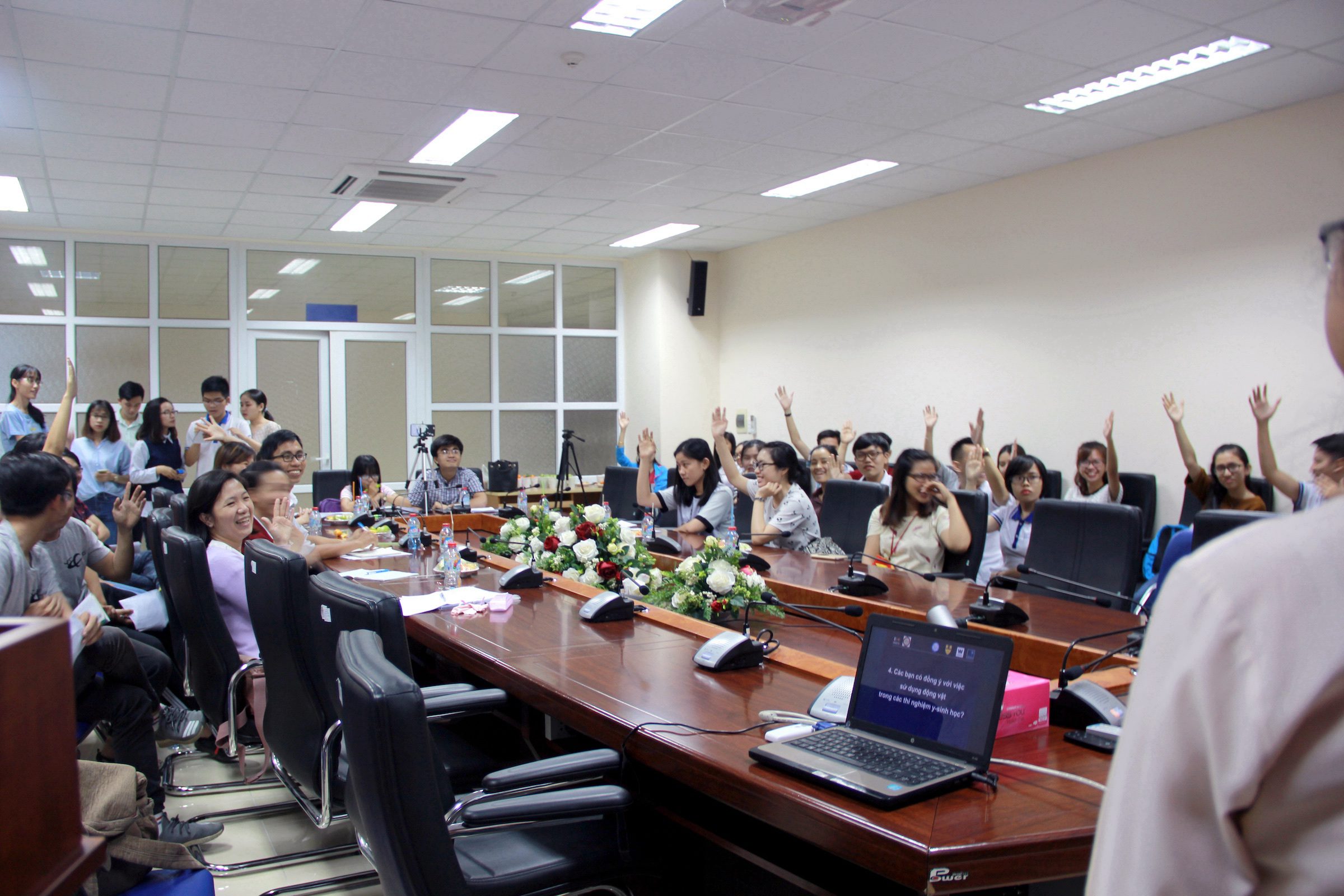
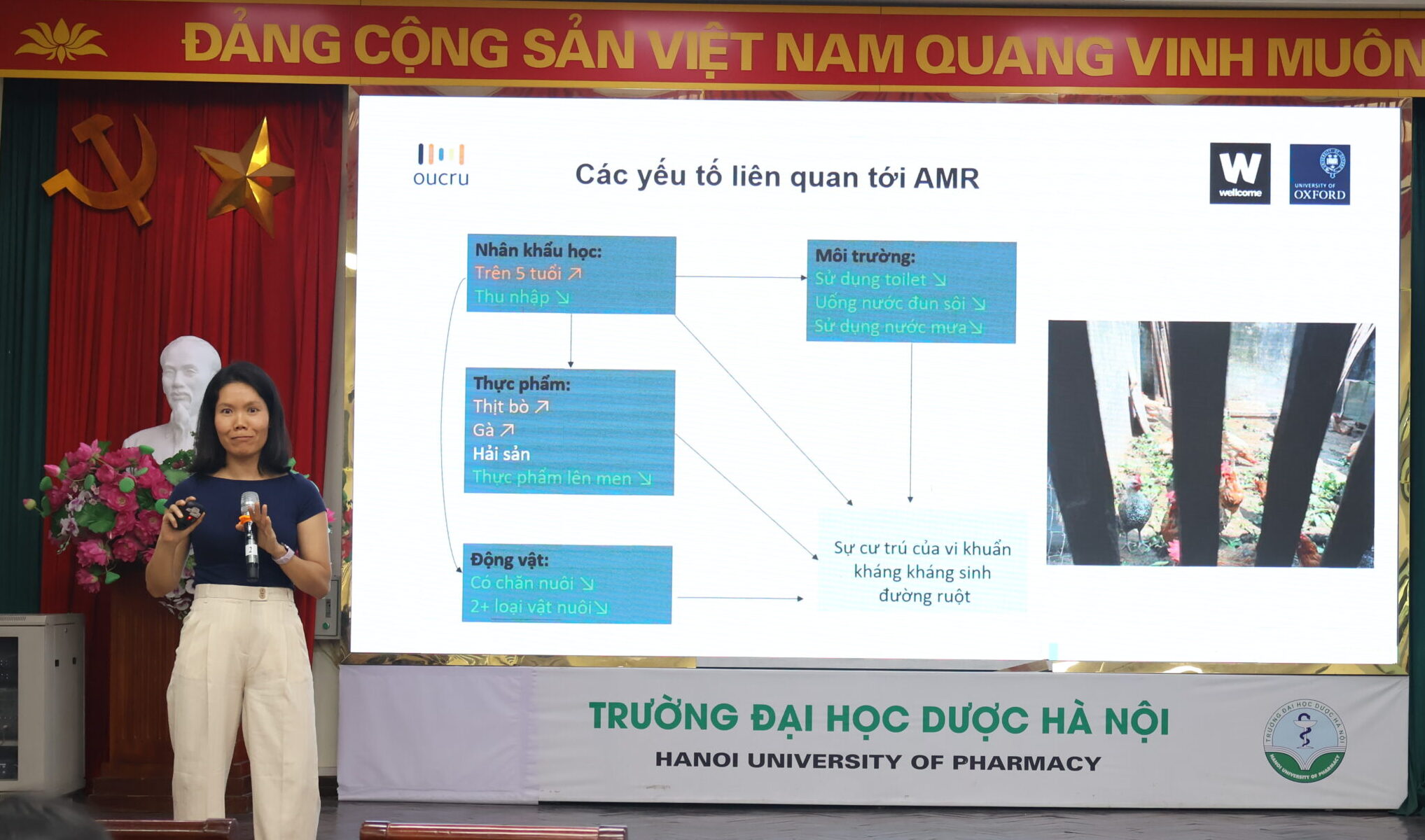
Other than co-creation, we also provide technical support for youth-led campaigns. One example is AMR – The Untold Story, a long-running public health initiative by the Youth Union and Students’ Clinical Pharmacy Club of the Hanoi University of Pharmacy to promote safe, responsible antibiotic use. Our Community Engagement expert, Ms Nguyễn Thị Ngọc Ánh, came to their workshop to share OUCRU’s approach to One Health community engagement. We also joined the judging panel for the AMR Media Ambassador competition. 80 students participated the workshop offline and online.
Engagement with communities sits at the heart of the PCE group. Rather than delivering one-off awareness campaigns, we work towards sustained, two-way relationships in which community members help shape research questions, interpret findings and decide how information is shared.
Reference: