Malaria

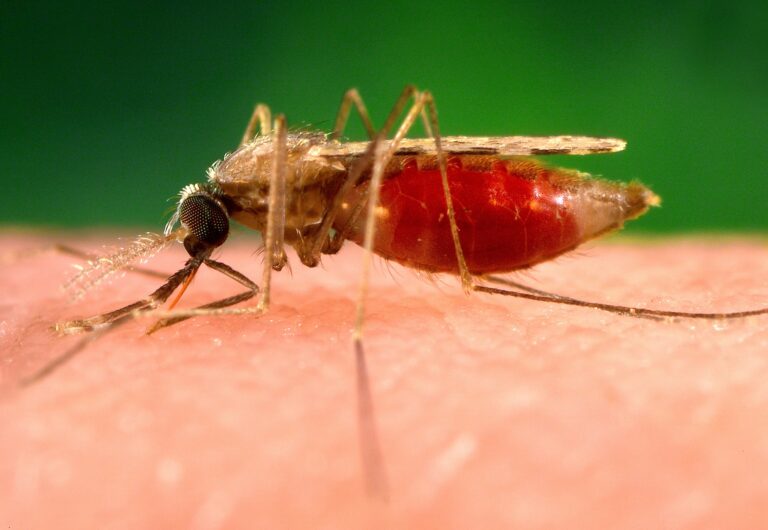
Malaria is caused by a parasite called Plasmodium, which is transmitted via the bites of infected mosquitoes. In the human body, the malaria parasites multiply in the liver and then infect red blood cells.

Symptoms of malaria include fever, headache, and vomiting, and usually appear between 10 and 15 days after the mosquito bite. If not treated, malaria can quickly become life-threatening by disrupting the blood supply to vital organs. In many parts of the world, parasites have developed resistance to a number of malaria medicines.

Key interventions to control malaria include prompt and effective treatment with artemisinin-based combination therapies, the use of insecticidal nets by people at risk, and indoor residual spraying with insecticide to control the vector mosquitoes.

Malaria research in Viet Nam

Malaria remains a public health challenge in Viet Nam despite a substantial reduction in the incidence of the disease over the last 20 years. In 2016 there were only 10,446 cases reported to the National Malaria Control Programme (Annual Report NMCP 2016), and 03 deaths were attributed to malaria. Viet Nam was one of the first countries to deploy artemisinin derivatives in its fight against malaria over 20 years ago. Since 2005, Viet Nam has used dihydroartemisinin-piperaquine (DHA-PPQ) as the first-line treatment for falciparum malaria. The spread of artemisinin resistance in Plasmodium falciparum and the subsequent loss of partner antimalarial drugs in the Greater Mekong subregion (GMS)

Drug resistance represents one of the greatest threats to the control and elimination of malaria. Artemisinin resistance is associated with mutations in the Pfkelch gene; initially, multiple independent kelch mutations were observed, but gradually the single dominant artemisinin-resistant P. falciparum C580Y mutant lineage, which has arisen in Western Cambodia, is becoming the dominant resistant malaria parasites and subsequently acquiring resistance to piperaquine.

These findings present policymakers in Viet Nam with a dilemma because the current recommended second-line regimen combines quinine with doxycycline, which is not well tolerated, and so adherence to the required seven-day regimen is poor. Although the combination of DP and mefloquine (Triple ACT) has high efficacy on artemisinin-resistant P. falciparum, it has not been approved and needs to be monitored for side effects. Newer antimalarials such as cipargamin (KAE 609), KAF 156, and artefenomel (OZ 439) are in phase II of development and will likely not reach the market until 2020.

For the prevention of relapse in P.vivax infections, ongoing studies would answer whether the short course regimen of primaquine is as effective as the 14-day regimen and how to manage patients with G6PD deficiency. The long-acting 8-aminoquinoline (Tafenoquine) would be a promising candidate for a radical cure for vivax patients worldwide.

Malaria Research in Indonesia

Over one-half of Indonesia’s 270 million people live at risk of infection by the plasmodial parasites that cause acute and threatening malaria attacks. At least several million such attacks are estimated to occur each year in Indonesia, with most of that burden being borne by the impoverished and isolated communities of eastern Indonesia.

Improving Outcomes For Malaria Patients

Our research studies are to define and develop new antimalaria drugs: Despite the Malaria Control Program, Viet Nam still adheres to the dihydroartemisinin-piperaquine combination because there is no alternative antimalarial drug which is as good, as available, or as affordable as the current one. We initiate research to find out new antimalarial drugs or to re-enforce the armoury to fight against malaria.

As well as clinical studies, our malaria researcher conduct many activities focused on improving patient outcomes, including:

  • Genetics surveillance of resistant P. falciparum
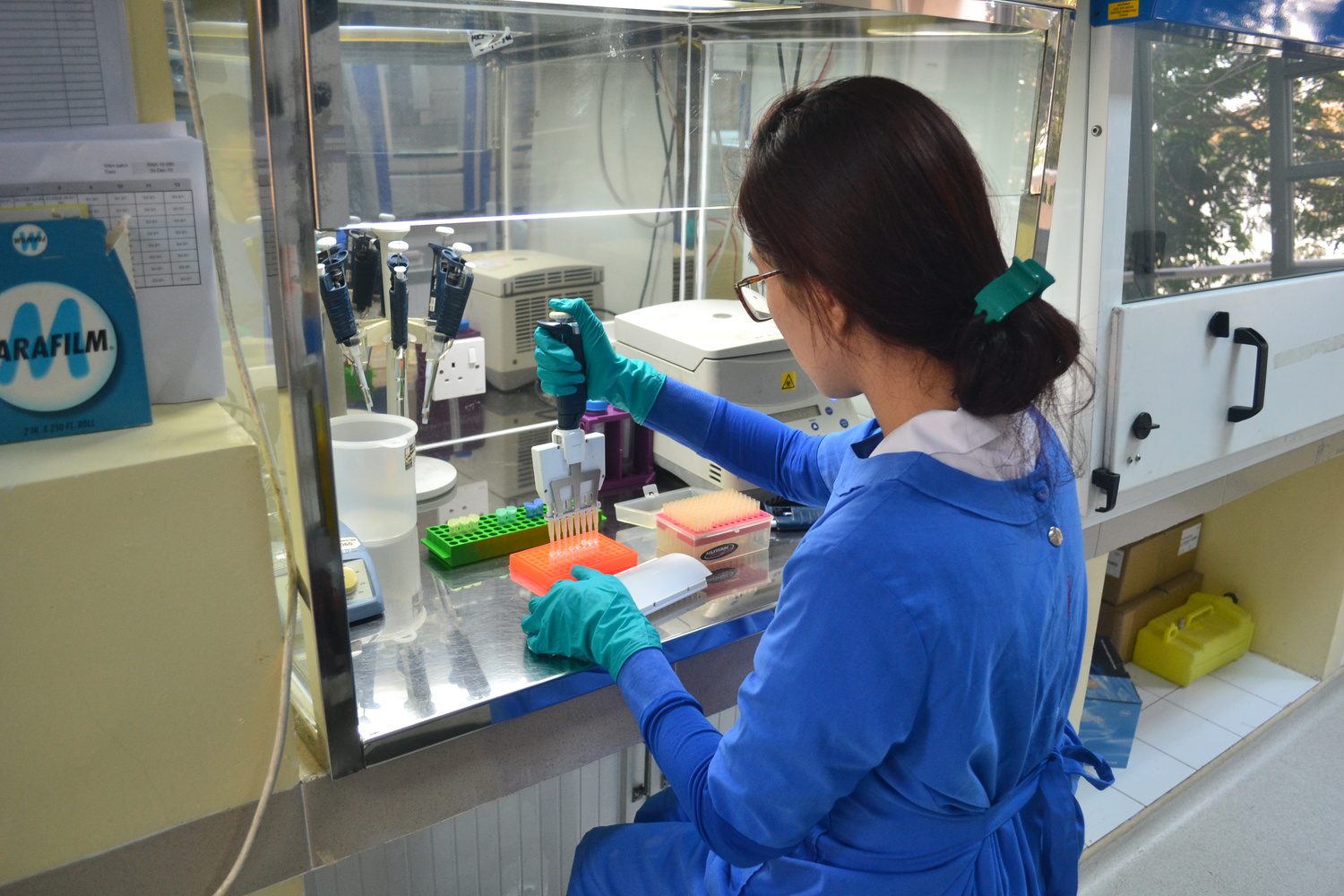
  • Ex-vivo and in vitro drug susceptibility testing
  • Molecular markers of antimalarial drugs resistance
  • Parasite and host interaction
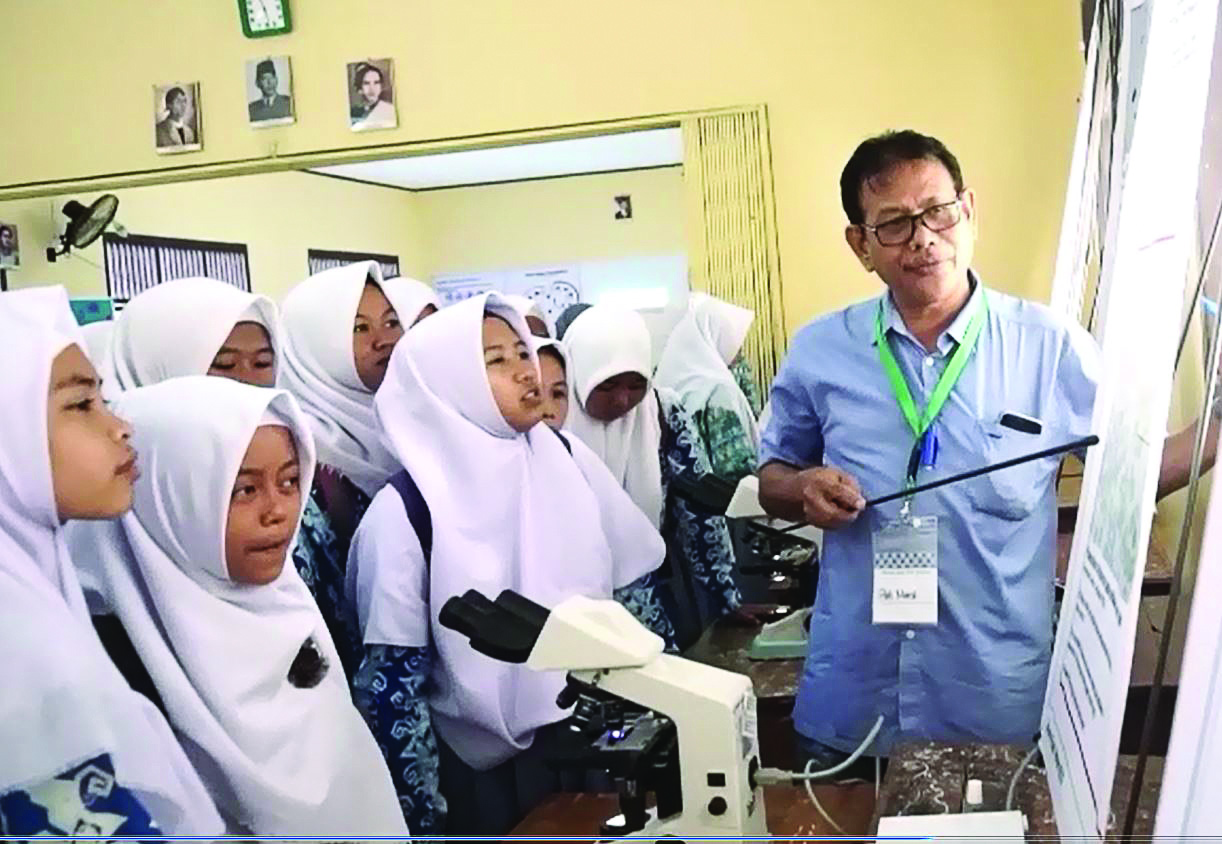
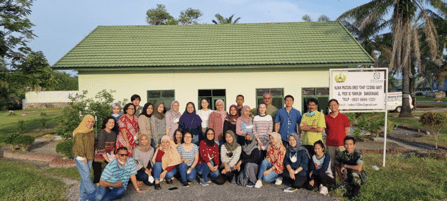
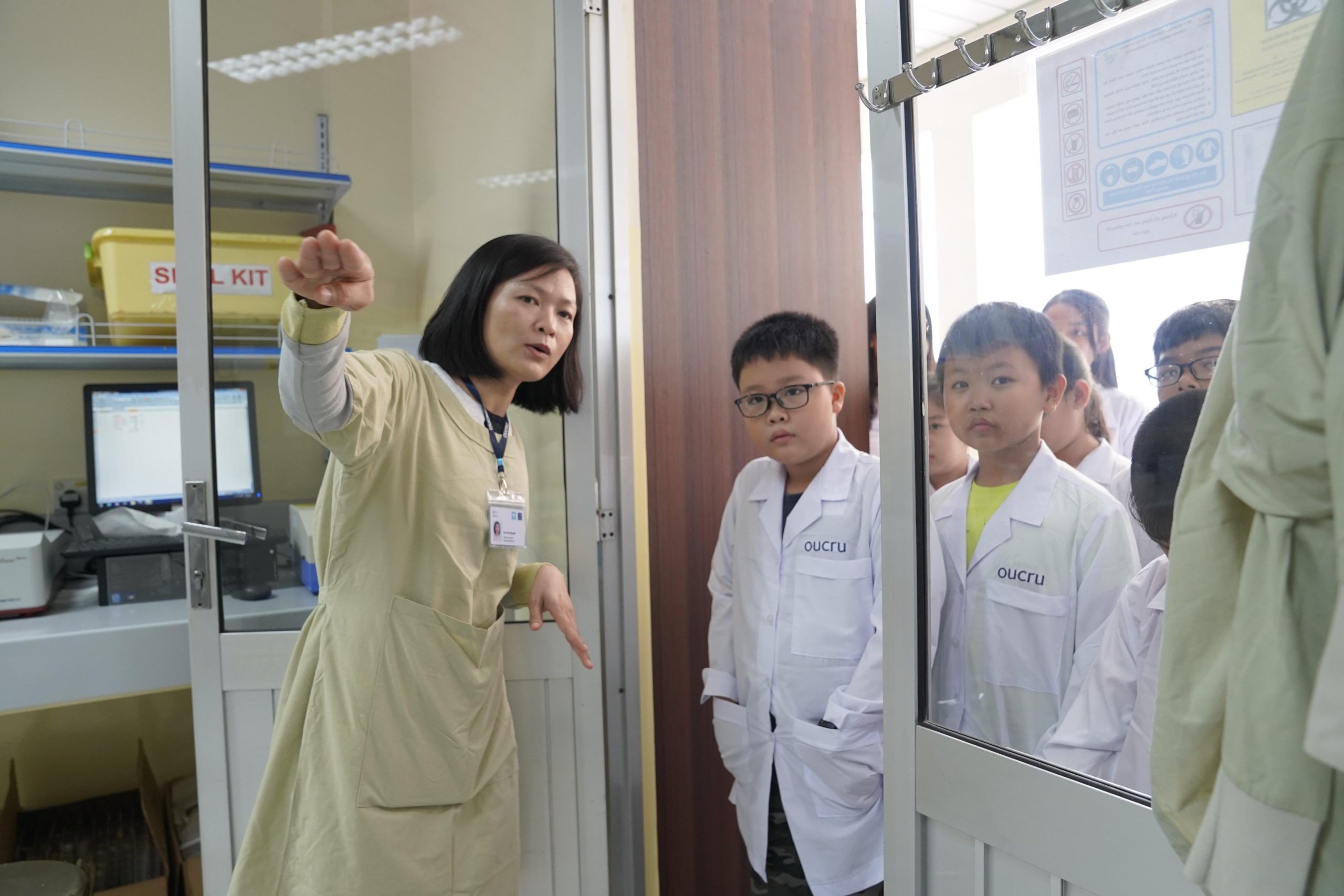
  • Public engagement
RESEARCHERS

People Investigating This Issue

Loading...
1 2 3

Key Achievements

2014

Collaboration with Novartis, GSK, MMV to assess the KAE609, KAF156, Tafenoquine in several clinical trials in Viet Nam

2011

Tracking Resistance to Artemisinin (TRAC): collaboration with Mahidol University and Worldwide Antimalarial Resistance Network (WWARN) funded by DFID UK

2010

Invivo susceptibility of artesunate in the treatment of adult with P. falciparum malaria in Binh Phuoc Province, Viet Nam, in collaboration with WHO

Publications

Loading...
Ihsan Fadilah, James A Watson, Ayodhia P Pasaribu, Inge Sutanto, Erni J Nelwan, Kartini Lidia, Megha Rajasekhar, Iqbal Rf Elyazar, Walter Rj Taylor, Kamala Thriemer, Nicholas Pj Day, Jeanne Rini Poespoprodjo, Julie A Simpson, Ric N Price, J Kevin Baird, Robert J Commons
Lancet Reg Health West Pac
June 18, 2026
DOI: 10.1016/j.lanwpc.2026.101908
Arkasha Sadhewa, Lydia Visita Panggalo, Illene Nanine, Ihsan Fadilah, Jontari Hutagalung, Enny Kenangalem, Prisca Cynthia Limardi, Safarina G Malik, Rintis Noviyanti, Ayodhia Pitaloka Pasaribu, Jeanne Rini Poespoprodjo, Hellen Dewi Prameswari, Ric N Price, Riskha Tiara Puspadewi, Wuryantari Setiadi, Leily Trianty, Herawati Sudoyo, Inge Sutanto, Din Syafruddin, J Kevin Baird, Benedikt Ley, Iqbal R F Elyazar, Ari Winasti Satyagraha.
Lancet Reg Health West Pac
March 25, 2026
DOI: 10.1016/j.lanwpc.2026.101840
Learn More

Related

Loading...

Forum Theatre Simulation

Analyse Tam’s choices. Step inside the story as an interactive spectator to break the chain of medical mishaps before it’s too late.

STORY TIMELINE PROGRESSION

progress step 6

The Ultimate Prevention: Vaccine Status

What if the volunteer leader had checked everyone’s Tetanus vaccination status before leaving for the field trip?

Vaccination Changes Everything

  • 100% Preventable: As you can see from our play, Tetanus cannot be cured easily once symptoms start and can be costly. But it is almost completely preventable with regular vaccination.
  • 10-Year Rule: Adults need a Tetanus booster shot every 10 years to maintain immunity.
  • Early booster shot: If you receive a deep or dirty cut (such as in the play, one from a rusty tool), you may need a booster if your last shot was more than 5 years ago.

When was your last Tetanus shot? Check your records today — a simple booster is the ultimate protection against unexpected accidents.

Forum Theatre Simulation

Analyse Tam’s choices. Step inside the story as an interactive spectator to break the chain of medical mishaps before it’s too late.

STORY TIMELINE PROGRESSION

progress step 5

Scenario Solved at Step 5!

Life-saving intervention! Jaw stiffness (lockjaw) is a classic symptom of active Tetanus toxin. Immediate hospital admission is required to secure the airway and control muscle spasms.

What if Tam had an ultimate shield against tetanus—protecting him from rusty tools before the trip even started?

Forum Theatre Simulation

Analyse Tam’s choices. Step inside the story as an interactive spectator to break the chain of medical mishaps before it’s too late.

STORY TIMELINE PROGRESSION

progress step 4

Scenario Solved at Step 4!

Good call! Healthcare providers depend on the full context. Clearly stating that an injury involved rusted metal alerts the nurse to assess Tetanus exposure immediately.

What if Tam had an ultimate shield against tetanus—protecting him from rusty tools before the trip even started?

Forum Theatre Simulation

Analyse Tam’s choices. Step inside the story as an interactive spectator to break the chain of medical mishaps before it’s too late.

STORY TIMELINE PROGRESSION

progress step 3

Scenario Solved at Step 3!

Spot on! Social media content often promotes unverified advice that delays crucial medical intervention. Deep, dirty cuts always require professional evaluation within hours.

What if Tam had an ultimate shield against tetanus—protecting him from rusty tools before the trip even started?

Forum Theatre Simulation

Analyse Tam’s choices. Step inside the story as an interactive spectator to break the chain of medical mishaps before it’s too late.

STORY TIMELINE PROGRESSION

progress step 2

Scenario Solved at Step 2!

Smart choice! Clostridium tetani bacteria thrive in organic material like dirt and leaves. Keeping raw plants out of deep cuts prevents pushing bacterial spores deeper into tissue.

What if Tam had an ultimate shield against tetanus—protecting him from rusty tools before the trip even started?

Forum Theatre Simulation

Analyse Tam’s choices. Step inside the story as an interactive spectator to break the chain of medical mishaps before it’s too late.

STORY TIMELINE PROGRESSION

progress 1 of 6

Scenario Solved at Step 1!

Great call! By stopping work with high-risk, corroded tools, you removed the physical source of Tetanus exposure entirely before an injury could even happen.

What if Tam had an ultimate shield against tetanus—protecting him from rusty tools before the trip even started?

Skip to content